REVIEW · KYOTO
Kyoto: Kimono and Tea Ceremony Experience at Cultural Asset
Book on GetYourGuide →Operated by Tondaya, Co., Ltd. · Bookable on GetYourGuide
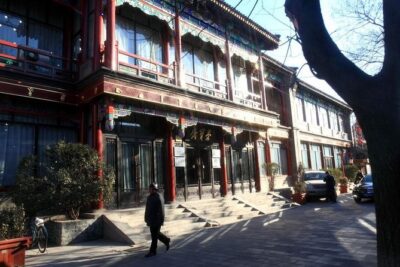
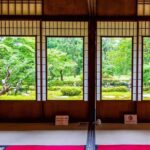
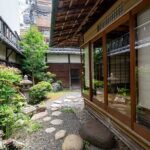
A Kyoto townhouse, dressed in silk. At Tondaya, you step into a 140-year-old machiya and immediately feel Kyoto’s old rhythm. I love the way the setting does the heavy lifting, from the traditional woodwork to the quiet garden backdrops that make photos look like Kyoto postcards.
I also love the tea ceremony itself. You watch a tea master perform, and you get clear explanations of what is happening and why, so it feels more than a quick show.
One thing to plan for: the experience can run as a group. When the room gets busy, it can feel crowded, and the experience depends a lot on calm behavior from everyone in the group.
In This Review
- Key moments you should not miss
- Tondaya Nishijin: stepping into a 140-year-old machiya first
- The kimono dressing room: silk fit, socks, and what to wear under it
- Photos during dressing
- House tour and gardens: where the photos and the context come together
- Tea ceremony with a tea master: what you watch and what you learn
- Group dynamics, language, and keeping the moment respectful
- Price and value: what $222 includes, and where it can feel steep
- Getting the timing right in Kyoto: duration, waits, and reaching Tondaya
- Who should book this Kyoto kimono and tea ceremony
- Should you book at Tondaya?
- FAQ
- Where is the meeting point for the experience?
- How long does the Kyoto kimono and tea ceremony experience take?
- Is this experience group or private?
- What languages are available?
- What should I bring?
- Is bare feet allowed during the experience?
- What should I wear before the kimono fitting?
- Is hair styling or makeup included?
- What is included in the price?
- Is there a cancellation option?
Key moments you should not miss
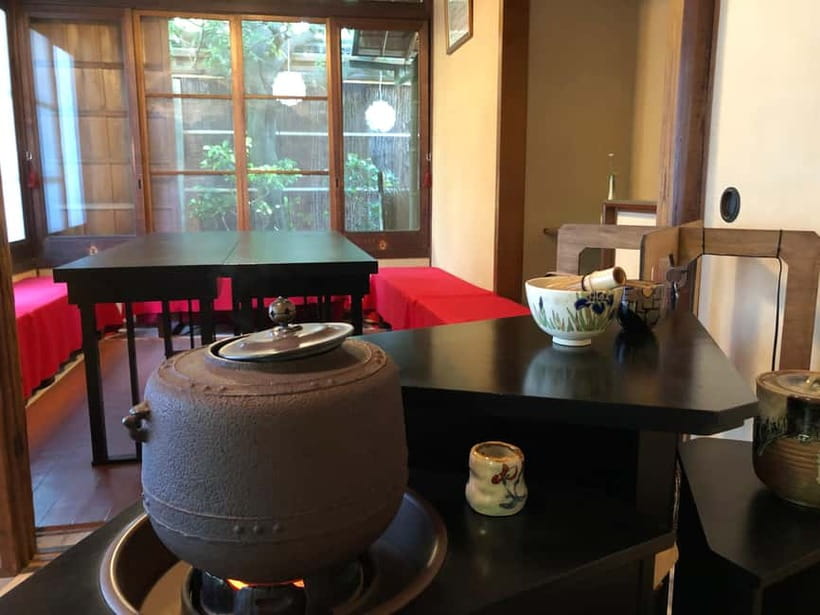
- A 140-year-old machiya recognized as a culturally significant landmark by Kyoto City Government
- Fast kimono dressing help (staff fit your silk kimono in about 5 minutes)
- A guided townhouse walk with historical artifacts and photo-friendly garden views
- Tea ceremony with a seasoned tea master, with explanations throughout
- Socks required, no bare feet, plus clothing rules around the neck
- Photo timing matters: pictures may not be allowed during dressing and undressing
Tondaya Nishijin: stepping into a 140-year-old machiya first
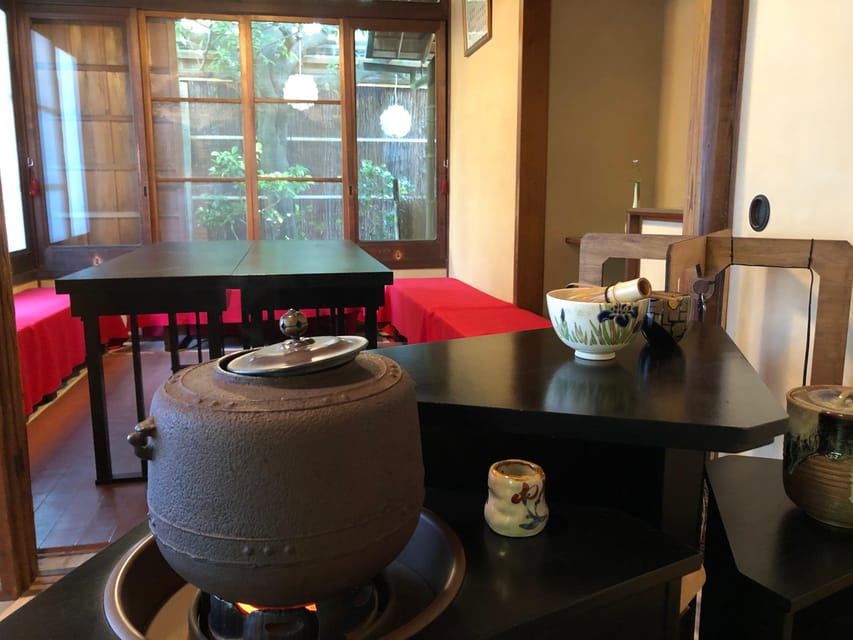
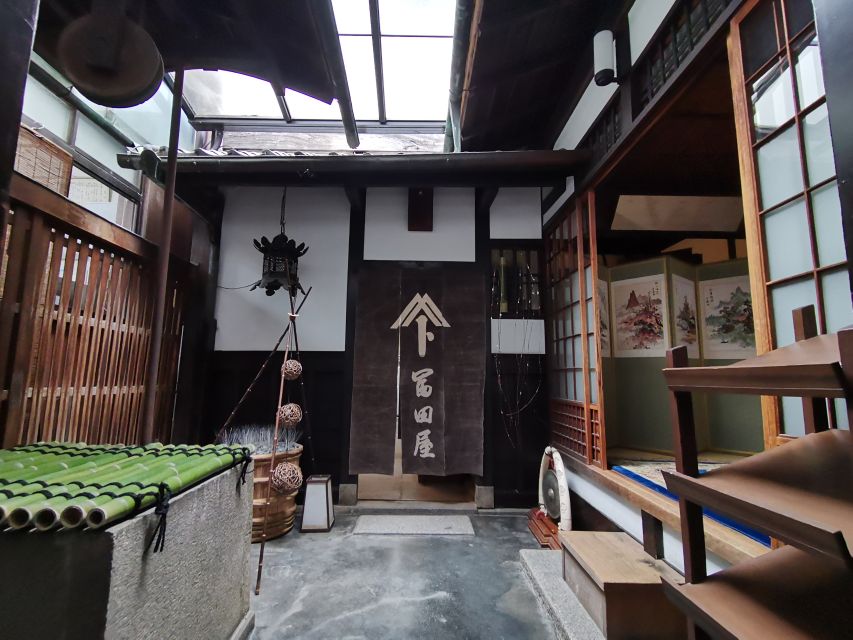
You start at Tondaya, also described as the Tondaya – Nishijin Japanese Cultural Experience Museum. The address is 697 Ishiyakushichō, Kamigyo Ward, Kyoto, Japan, and the meeting point is right there on site. The best part of arriving is how quickly the building takes you out of modern Kyoto and into the quieter geometry of a traditional townhouse.
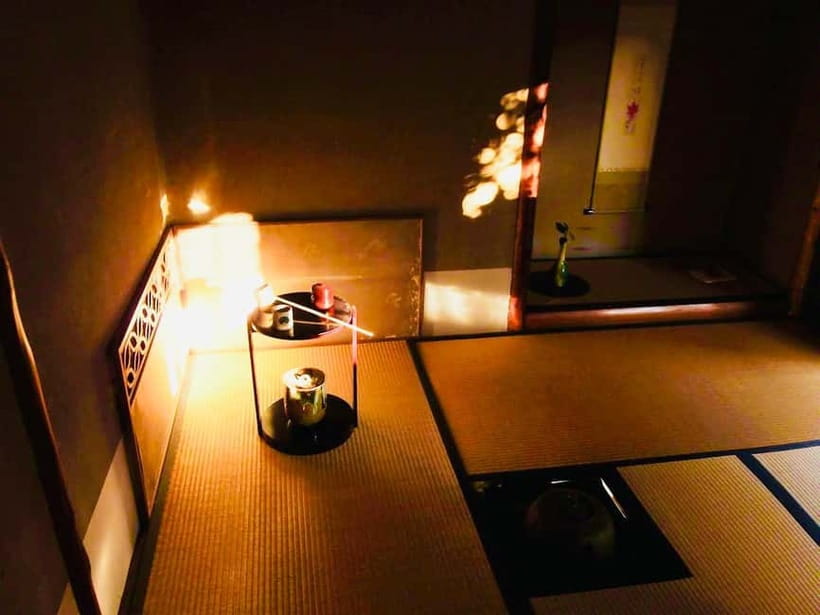
Inside, you get oriented through Tondaya’s rooms and key areas. The property is a 140-year-old machiya and is officially recognized as a cultural landmark. The staff talk you through the space, pointing out historically valuable artifacts and the feel of the home—crafted woodwork, traditional design details, and serene garden views from within the house.
If you care about photography, this part matters. Several reviews point out that the house and gardens work as strong backdrops without needing you to wander far. That said, the experience can feel crowded at peak times, so you might want to treat the first part as both a warm-up and a chance to get your bearings fast.
You can also read our reviews of more tours and experiences in Kyoto.
The kimono dressing room: silk fit, socks, and what to wear under it
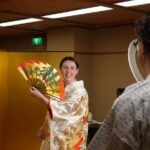
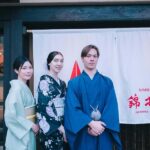
The kimono moment is the main event for a lot of people, and here it moves briskly. Staff help you choose and fit an authentic silk kimono, and the process is described as taking only about 5 minutes to get you dressed.
But the rules around getting into a kimono are real. You need to bring socks—bare feet are not allowed. You’re also asked to avoid stockings, which is a small detail, but it affects comfort and how the staff can manage the fit. Wear socks that stay put and that feel comfortable for sitting on the floor.
Clothing under the kimono is also important:
- Your clothes should not be too tight around the neck, since it affects how the kimono hangs and looks.
- If your T-shirt is wet, they cannot assist you in wearing the kimono. Bring a dry replacement shirt if there’s any chance you’ll get sweaty.
One practical note from real feedback: kimono size and pattern can vary. One person noted that being taller meant they were given a larger kimono in solid colors rather than the more patterned options other people received. Another review said the kimono size didn’t fit perfectly. Translation: you’re paying for the experience and the dressing process, but you may not get the exact look you imagined from the photos online.
Also, hair styling and makeup are not included. If you want your hair to match the kimono look, plan to style yourself before you arrive.
Photos during dressing
There’s another small surprise that affects your camera plans. At least one reviewer reported that pictures were not allowed while dressing or when taking the kimono off. You still get photo chances later, but if you love a full step-by-step outfit moment, don’t count on filming every minute.
House tour and gardens: where the photos and the context come together
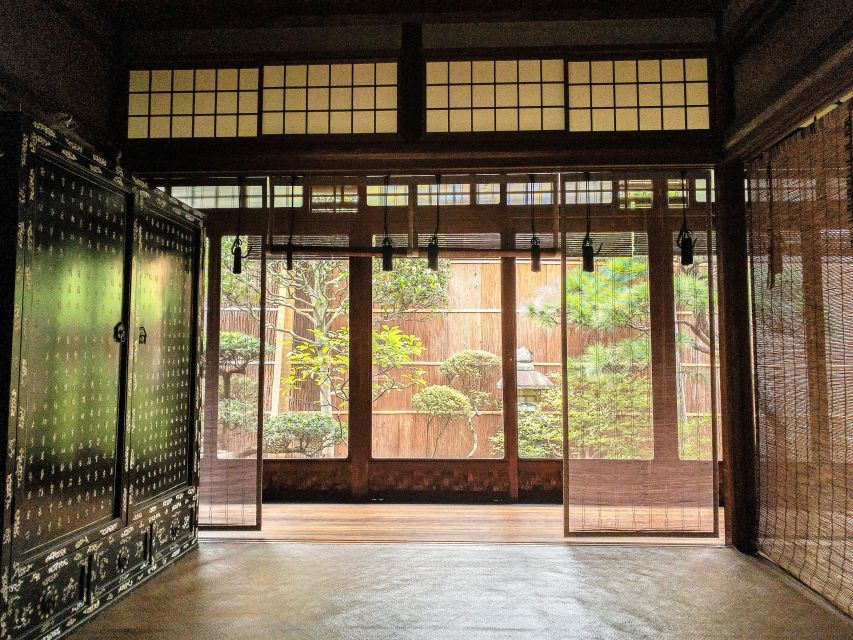
After the dressing part, you get a guided walk through the townhouse. This is where you see the “Kyoto in miniature” feeling: traditional rooms, historical details, and garden views that look framed by the building itself.
I like this stage because it has two jobs at once. First, it explains why the machiya matters—Tondaya is designated as a cultural landmark, and the tour focuses on the property and its setting. Second, it gives you time to settle into your kimono and start enjoying how you look in a traditional interior (which is usually the whole point).
Timing can affect how much you enjoy this. Reviews mention both sides:
- Some people say they had plenty of time for photos, and the staff were helpful and patient.
- Others describe crowds or too many people in the home, which can make the house feel less calm.
A good strategy: treat the garden and main interior rooms like your “shot list,” and don’t try to take every photo during the busiest moments. If someone is in your way, wait 30 seconds and reposition. In a small house, one person moving the wrong direction can block a lot of angles.
Tea ceremony with a tea master: what you watch and what you learn
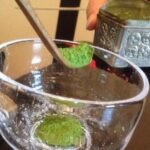
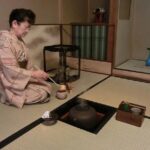
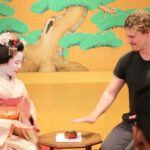
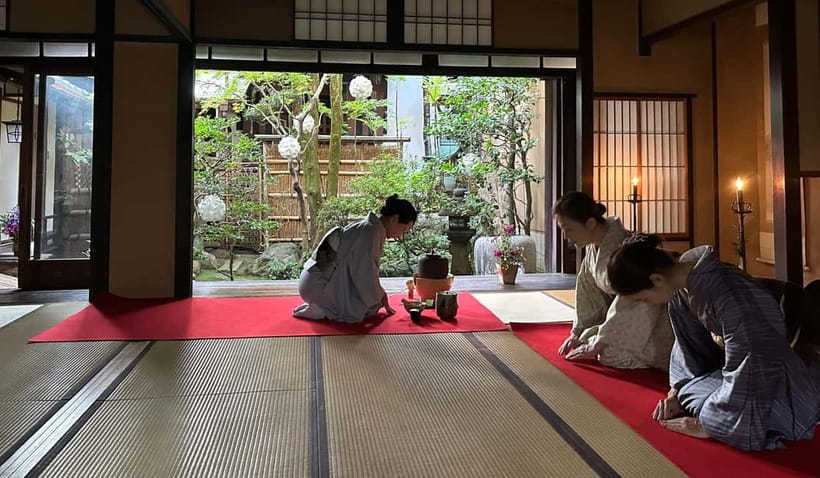
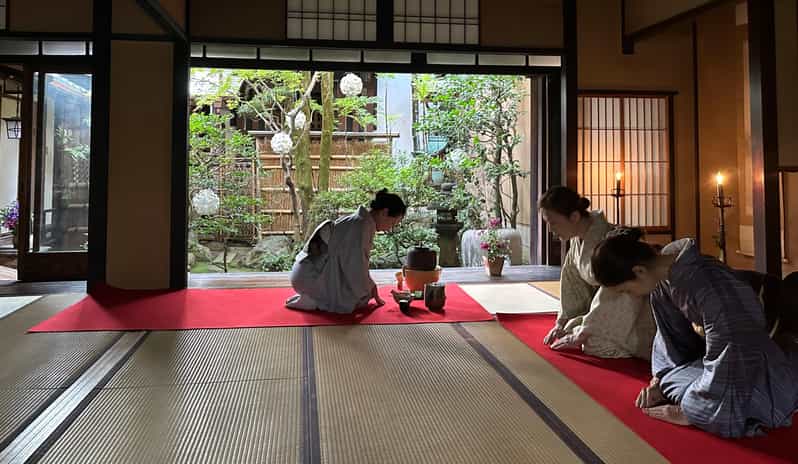
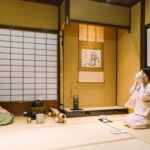
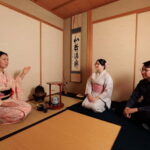
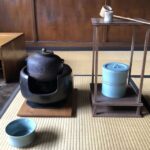
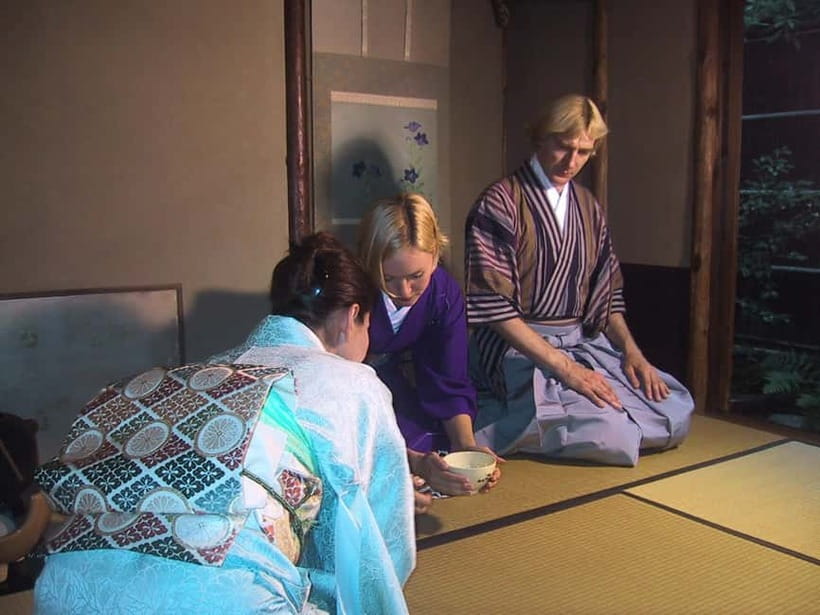
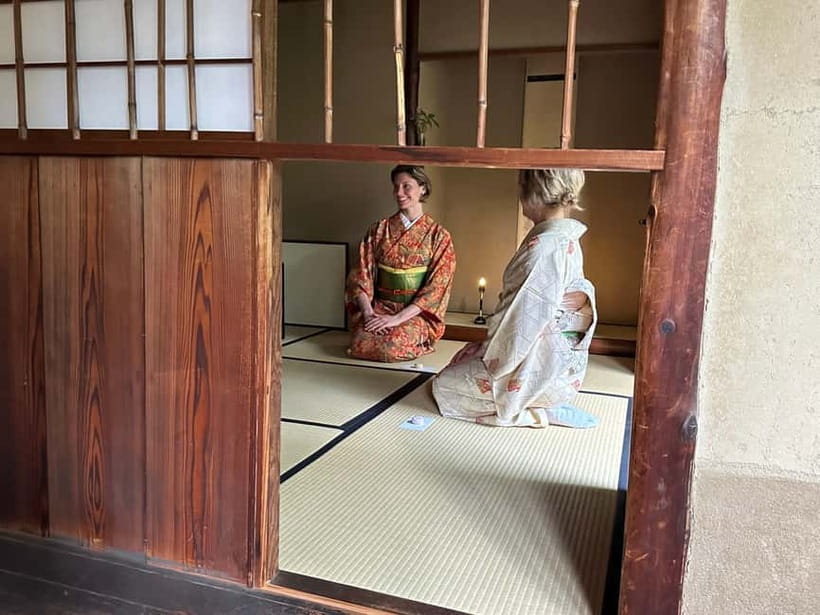
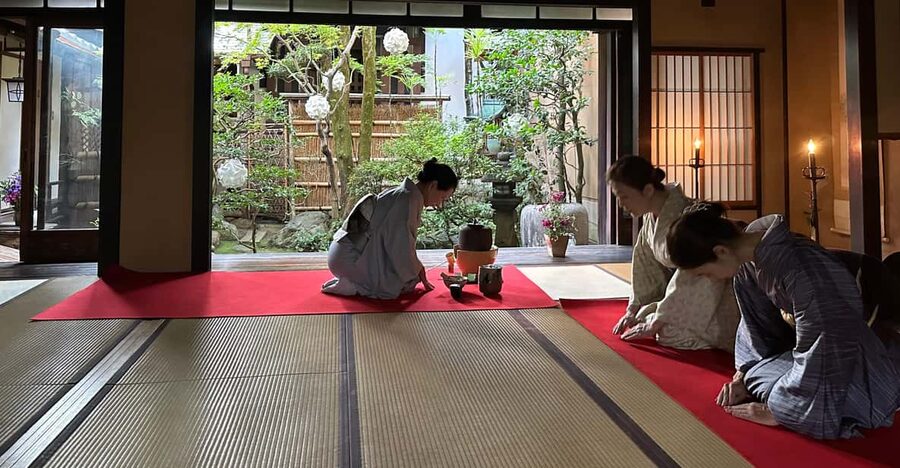
Then comes the tea ceremony, performed by a seasoned tea master in the traditional machiya setting. Tea is described as inseparable from Japanese culture, and that’s what the ceremony aims to show: not just the act of drinking matcha, but the pace, the gestures, and the care.
Most of the feedback here is strongly positive. People describe the ceremony as informative and traditional, with clear explanations of what happens during the ritual. If you’re looking for a quick taste of Kyoto culture, this is the part that turns it into a story.
A few practical things to know:
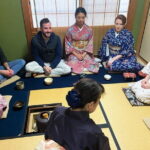
- Seating can be on the floor. One review noted that the floor seating made the ceremony feel quick, and there were a few small chairs available.
- Where you sit can affect your view of the tea master. Some reviews mention having a great view, while others noted that not everyone had the same sightline.
- There’s no guarantee you’ll get to do everything yourself. One review said they would have liked an opportunity to mix the tea. Based on the description, you should expect to watch and learn more than to run the whole process.
In a calm ceremony, small distractions matter. If you’re the kind of person who likes recording everything, consider using your camera lightly. One review described a group being noisy and filming in ways that distracted the hosts during the mindful portion. That’s the kind of energy you do not want in a quiet tea space.

Group dynamics, language, and keeping the moment respectful
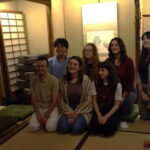
This is a group experience unless you choose the private option. That matters because the flow depends on multiple factors: group size, timing, and behavior. Some reviews say it felt crowded, some say it was only crowded at one moment, and a few mention that the environment became chaotic because of other participants.
The reality: a tea ceremony depends on quiet attention. So here are the common-sense moves that make the experience better for everyone:
- Keep your phone down during the ceremony. If you must take photos, do it when the hosts indicate it’s okay.
- Don’t talk over explanations. You’ll miss the meaning, and you’ll throw off the pace.
- Arrive on time. Late arrivals add stress in a small room.
Language can also shape your experience. The instructors are listed as English and Japanese. Still, reviews note that English skill levels can vary, and translation tools may be used when necessary. If you want the full meaning, don’t worry if you catch less detail. You’ll still see the ritual steps, and the hosts do their best to explain.
If you’re sensitive to noise or you want a more relaxed pace, choosing the private option is likely worth it. It’s not stated as a guarantee of silence, but it directly addresses the crowding concern.
Price and value: what $222 includes, and where it can feel steep
The price is listed at $222 per person. That’s not cheap, so the value question comes down to what’s included and what you’re getting beyond a souvenir photo.
Here’s what you do get included:
- Entrance fee
- Tea ceremony
- Kimono dressing
And you do not get included:
- Socks (bring your own)
- Hair styling and make up
So you’re essentially paying for three things at once: access to a historic property, professional dressing help in a silk kimono, and a guided tea ceremony with instruction.
Is it worth it? Many reviews say yes, but the recurring theme is that the experience works best when you treat it like a ritual and not just a costume session. People mention how calm the ceremony feels compared with the rest of Kyoto. Others say they loved the photo opportunities and the staff’s patience.
It can still feel expensive, especially if the group is crowded or if you wanted deeper garment education. One reviewer said they wanted more information about the kimono garments and their significance. Another said the language gap left them feeling they weren’t learning enough for the money.
My advice: if you’re going to spend this kind of money, go in with the right expectations. Don’t come only for the outfit. Come for the setting, the tea steps, and the chance to slow down in a real machiya.
Getting the timing right in Kyoto: duration, waits, and reaching Tondaya
The listed duration ranges from 90 minutes to 4 hours, depending on starting times and how the experience runs. The event can involve some waiting in shared-group settings, especially if you didn’t book a private session. Plan your schedule with a buffer after the ceremony. You’ll want time to enjoy the house photos without feeling rushed, and you may need a little extra time to get settled back into regular clothes.
Arrival timing matters too. You’re asked to arrive on time, but one review noted they arrived 30 minutes early and had an experience that ran longer unofficially. Don’t treat that as a promise, but it does suggest that arriving early can reduce stress.
Then there’s the question of transport. One review mentioned trouble getting a taxi at the location even with Uber’s app. That doesn’t mean it’s impossible, but it does mean you should not assume ride-hail will be effortless. If you’re relying on a car service, it’s smart to check your exit plan before you start.
Who should book this Kyoto kimono and tea ceremony
This experience is a good fit if:
- You want the classic Kyoto look without renting and figuring out everything yourself.
- You’re interested in watching a traditional tea ceremony and getting explanations, not just taking a sip.
- You care about photos in a traditional interior with garden views.
- You’ll be respectful and quiet during the ceremony portion.
It might not be the right fit if:
- You dislike crowds or you need a totally private, silent setting. The group version can feel crowded.
- You expect long, detailed garment lectures in your preferred language. Language support may vary, and translation tools can be used.
- You hate sitting on the floor. Seating is described as floor seating, with only a few chairs.
Should you book at Tondaya?
I think you should book this if you want a true Kyoto-style snapshot that includes more than costumes. The combination of a 140-year-old machiya, professional kimono dressing in silk, and a guided tea ceremony is a rare package in one place.
Skip or choose carefully if you’re paying a premium and your top priority is solitude or a deep lecture. The best version of this experience seems to happen when the group is calm, the language barrier is managed well, and you give the tea ritual the space it needs.
If you’re booking, do two things: bring socks and plan for a respectful, phone-light tea ceremony. That’s how you make the day feel worth the cost.
FAQ
Where is the meeting point for the experience?
Meet at Tondaya – Nishijin Japanese Cultural Experience Museum, 697 Ishiyakushichō, Kamigyo Ward, Kyoto, Japan.
How long does the Kyoto kimono and tea ceremony experience take?
It runs for 90 minutes to 4 hours, depending on the starting time and availability.
Is this experience group or private?
It is conducted in a group with other participants unless you select the private experience option.
What languages are available?
Instruction is listed in English and Japanese. A translation device may be used when necessary.
What should I bring?
Bring socks. Bare feet are not allowed.
Is bare feet allowed during the experience?
No. You must wear socks, and socks are required.
What should I wear before the kimono fitting?
Wear clothes that are not too tight around the neck to show the best kimono style.
Is hair styling or makeup included?
No. Hair styling and make up are not included.
What is included in the price?
Included items are the entrance fee, the tea ceremony, and kimono dressing.
Is there a cancellation option?
Yes. Free cancellation is available up to 24 hours in advance for a full refund.