REVIEW · KYOTO
Kyoto: Tea Ceremony in 100-year-old Kyo-Machiya Townhouse
Book on GetYourGuide →Operated by Kyoto Kimono Rental Yumeyakata · Bookable on GetYourGuide
A good tea ceremony makes time slow down. In Kyoto, you get that calm in a 100-year-old machiya townhouse and learn the steps from a real tea master. I love that you don’t just watch: you prepare your own matcha under supervision, and the vibe feels genuinely Kyoto, not staged.
I also really like the option to rent a kimono and wear it after the ceremony. Even the “waiting” feels purposeful because you’ll be dressed for Kyoto life while you plan your next stroll.
One consideration: the experience runs in a set schedule and you’ll be in a group session (up to 20), and the kimono option includes a gap between dressing and the start of the ceremony.
In This Review
- Key takeaways before you go
- Tea in a 100-Year-Old Machiya: Why This Setting Matters
- Start at Yumeyakata Gojo Shop: How the Kimono Option Works
- Timing Between Kimono and Tea: The Two-Hour Gap Explained
- Oike Bettei and the Gosho Neighborhood: The Place Behind the Ritual
- Inside the Ceremony Room: Etiquette, Bowing, and Matcha Appreciation
- You Make the Matcha: What You Learn From Doing It Yourself
- Group Size, Floor Sitting, and Quiet Rules You’ll Actually Notice
- Kimono Stroll After Tea: What You Get (And What You Must Return)
- The Machiya Moment Add-On: A Short Tour + Photo Time in the Same Place
- Price and Value: Is $31 Worth It?
- Who This Tea Ceremony Suits Best (And Who Should Skip It)
- Should You Book This Kyoto Matcha Tea Ceremony?
- FAQ
- How long is the Kyoto tea ceremony experience?
- Where do I go if I want the kimono rental?
- When does the tea ceremony start with the kimono option?
- What if I book the tea ceremony only (no kimono)?
- What should I bring?
- Can I sit on a chair instead of the floor?
- Are there rules about photography and noise?
- Is this experience for kids?
Key takeaways before you go
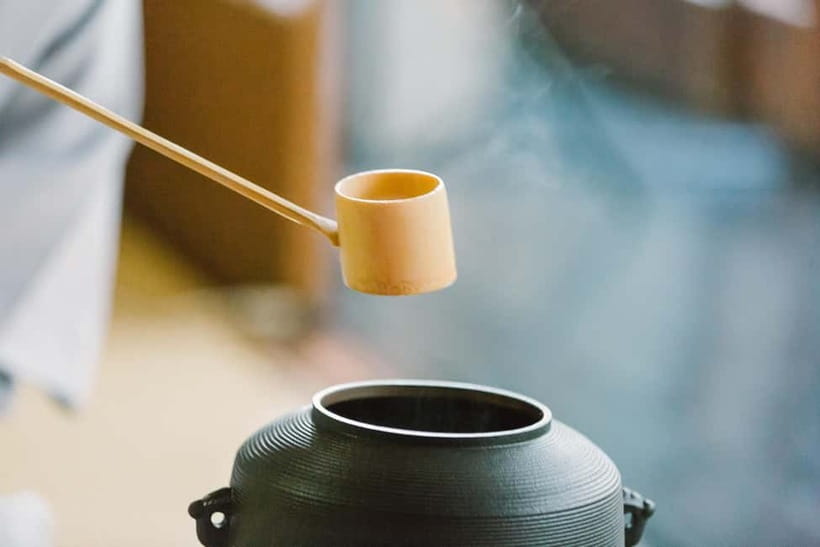
- A tea master + interpreter guides you through both ritual and meaning, in English and Japanese
- You whisk your own matcha and get coaching on the gestures
- A 100-year-old machiya gives you the real wooden, tatami, calm-house feeling
- Kimono rental turns the ceremony into a full Kyoto moment (with an optional formal upgrade)
- A quiet, no-flash session keeps the atmosphere respectful and focused
Tea in a 100-Year-Old Machiya: Why This Setting Matters
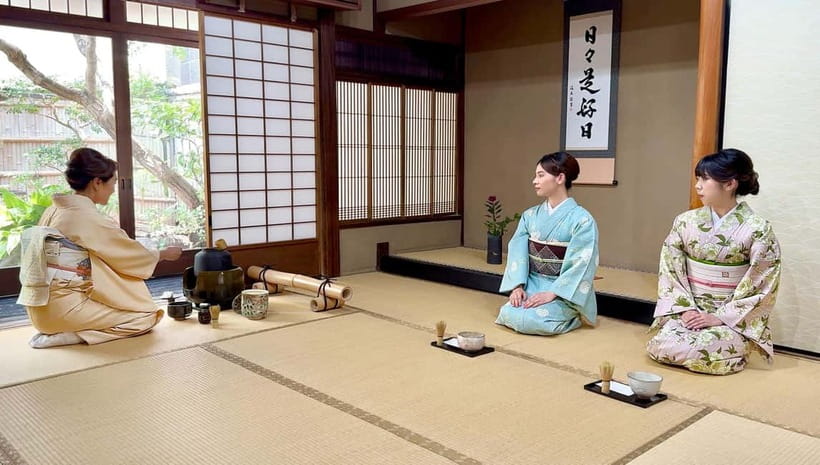
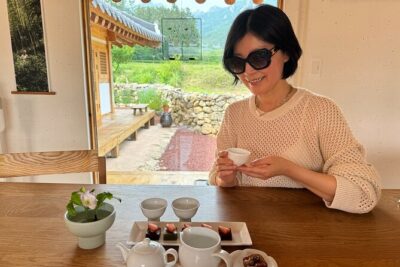
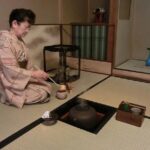
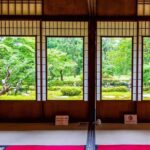
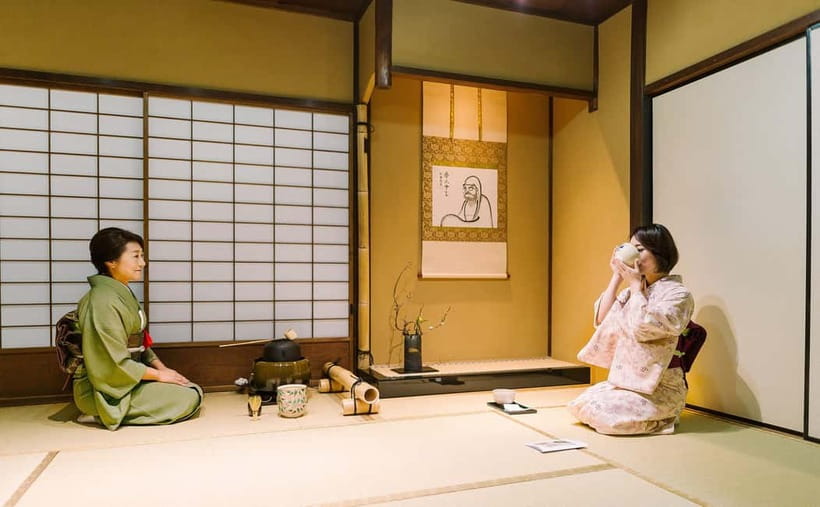
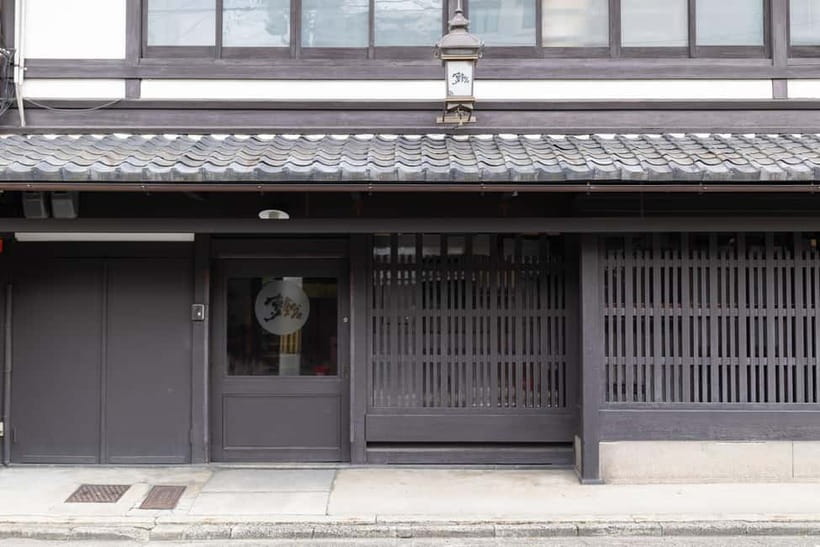
This is not a quick “tea tasting.” The big deal is where it happens: a traditional machiya townhouse, described as about 100 years old. The room setup tends to be tatami-style, with the choice to sit on a small chair if you’d rather not sit on the floor.
That matters because the tea ceremony is about small actions and attention. When the space is wooden, quiet, and built for this kind of slow ritual, the etiquette lessons land better. You can actually feel the logic: bowing, hand positions, how you receive and drink, and how you appreciate the tea bowl aren’t random rules. They’re a way to focus.
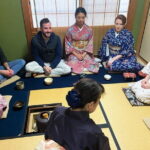
Also, the experience is built around a group format, so you’ll be among other people learning the same rhythm. That’s a plus if you want structure and coaching, and it’s a minus if you’re looking for a private, silent ceremony.
You can also read our reviews of more tours and experiences in Kyoto.
Start at Yumeyakata Gojo Shop: How the Kimono Option Works
If you choose the kimono plan, you start at the Gojo Shop at the time listed on your voucher. This is where you pick your kimono color and pattern, and choose the size that fits.
If you add the extra options, women can upgrade the experience with hair styling and makeup. There’s also an option to move from a casual kimono to a more formal style called Houmongi. Even if you’re not doing the full upgrade, the included kimono rental generally turns the afternoon into a “Kyoto in costume” walk, not just a costume photo stop.
Practical note: kimono wear comes with comfort considerations. Expect layers, and plan for socks and indoor shoes. The experience also has a clear rule set: no sandals or flip-flops, and no smoking indoors. So come prepared for a day that’s a little more formal than your usual sightseeing outfit.
Timing Between Kimono and Tea: The Two-Hour Gap Explained
With the kimono option, the ceremony doesn’t begin right away. After you dress, you head to the tea-house location, and the tea ceremony starts two hours after your selected starting time.
For example, if your voucher says 11:00 AM, the ceremony starts at 1:00 PM. That means you need a plan for that window. You might be waiting, walking to your next point in town, or getting oriented while dressed in kimono. Since transportation between the shop and the townhouse isn’t included, give yourself enough time to get there calmly.
If you pick the tea ceremony only (no kimono), you go to Oike Bettei 5–10 minutes before the time on your voucher. In that case, there’s no kimono dressing step, so your day stays more straightforward.
Oike Bettei and the Gosho Neighborhood: The Place Behind the Ritual
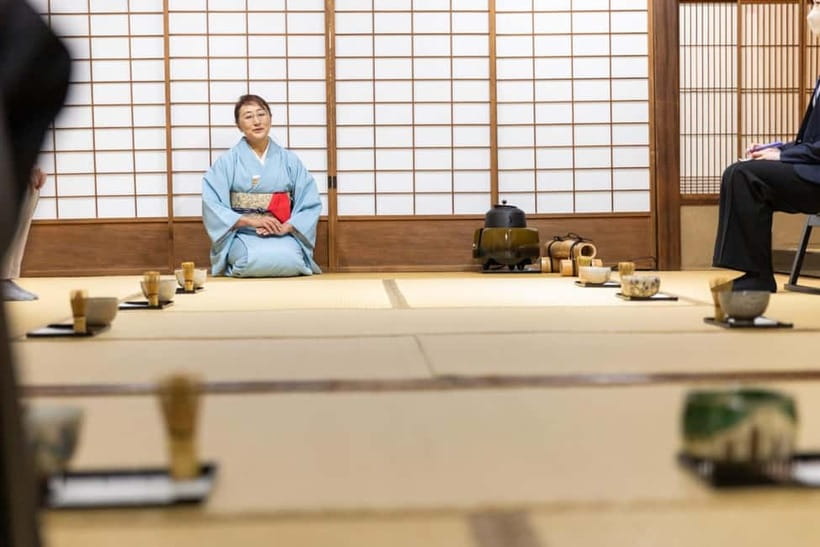
Your tea ceremony happens at Yumeyakata Oike Bettei, a traditional machiya townhouse you have for the experience. After the tea ceremony, the optional add-on connects this space to a short machiya exploration moment.
This area is near Kyoto Gosho (the Kyoto Imperial Palace). The tour description also notes that nearby is the former residence of Nijō Yoshimoto (1320–1388), a court noble from the Nanboku-chō period who influenced Renga (linked verse poetry). It’s a neat pairing: you learn how tea culture works as a social ritual, then you’re reminded that elite gatherings and refined aesthetics were part of the same world.
Even if you’re not a history buff, this location helps you understand why tea ceremonies mattered. They weren’t just about taste. They were about manners, relationships, and aesthetics—how people behaved with one another.
Inside the Ceremony Room: Etiquette, Bowing, and Matcha Appreciation
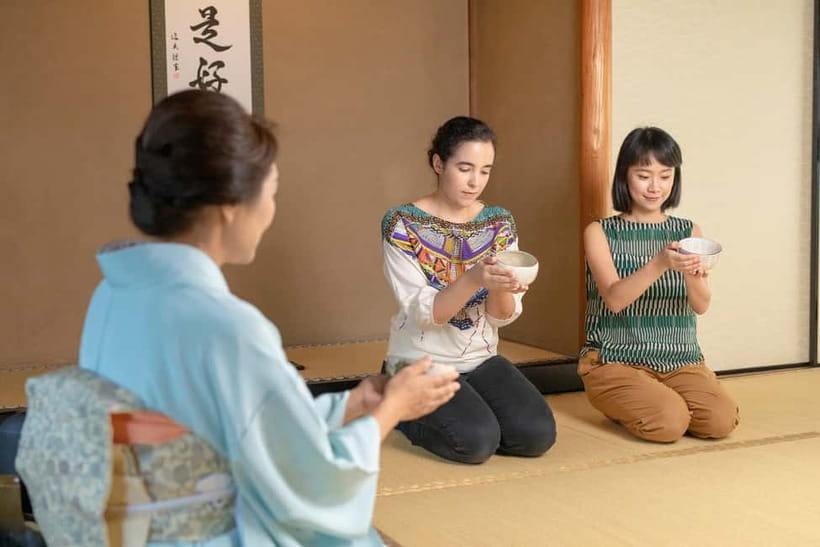
The session starts with an explanation of tea ceremony history—its introduction into Japan from China about 1,200 years ago, then how it developed into what people recognize today as the Japanese Way of Tea.
From there, you get the practical etiquette:
- how to bow and use proper greeting words
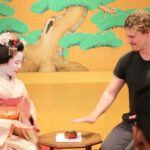
- how to eat the traditional sweets
- how to drink the tea
- how to observe the tea bowl with attention, not speed
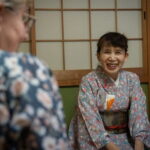
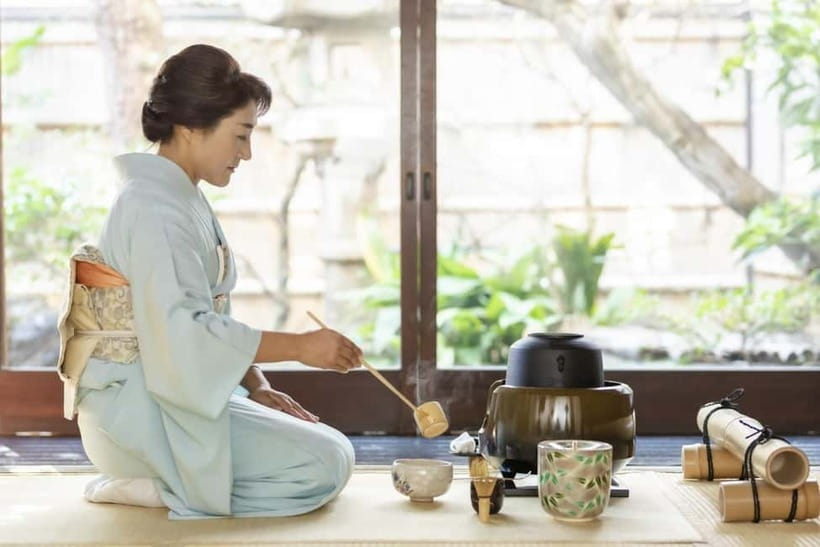
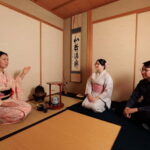
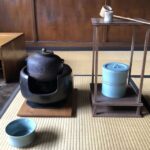
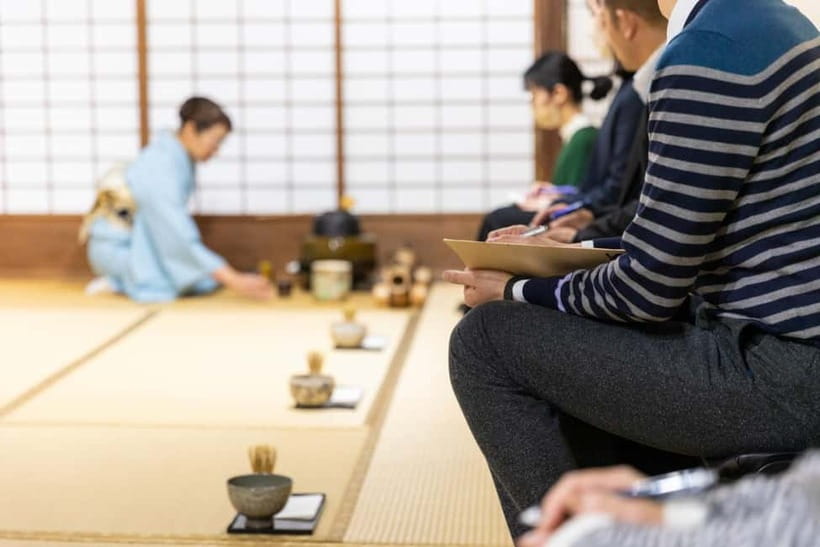
The master brings the necessary tea items into the room and prepares the first serving for a guest. This is where you’ll see why the ceremony feels like a sequence of respectful gestures. Everything is timed and intentional, and there’s a sense of order to the flow.
You’re allowed to ask questions after the master closes the ceremony. That’s one of those small details that makes the experience stick, because you can clarify anything that felt confusing in the moment.

You Make the Matcha: What You Learn From Doing It Yourself
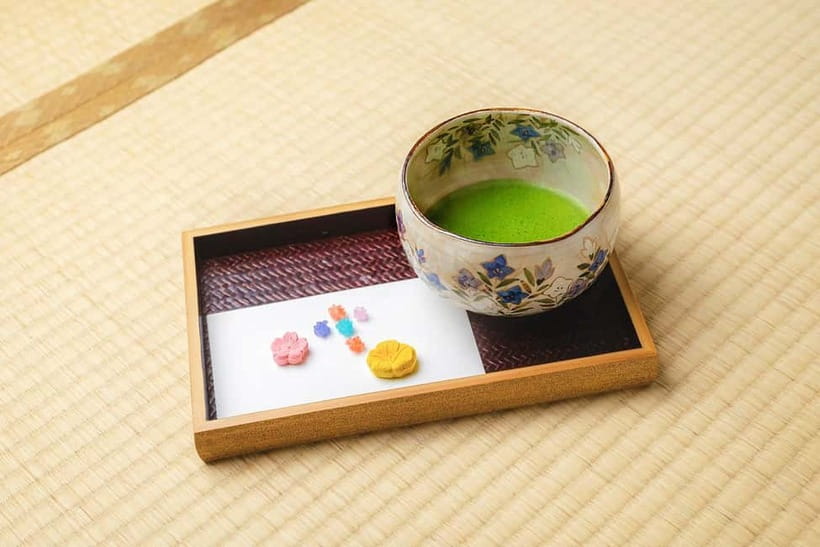
Watching matcha being prepared is cool. Making it is the part that turns knowledge into muscle memory.
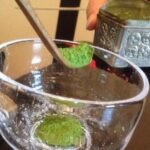
After the first tea service, you’ll prepare your own tea under the master’s supervision. That coaching is important because matcha isn’t just “stir and go.” The ceremony teaches how to handle the tools and how to do each step cleanly, with the right pace and posture.
You’ll also taste the matcha along with traditional Japanese sweets. The session includes matcha tea and sweets, and the overall feel is calm and focused. From the feedback you can expect that the tea quality comes through—people consistently describe the matcha as excellent.
If you’re worried about doing it wrong, don’t. You’re not being graded. You’re learning the sequence, then practicing it in a supportive way while the master and interpreter keep things clear in English and Japanese.
Group Size, Floor Sitting, and Quiet Rules You’ll Actually Notice
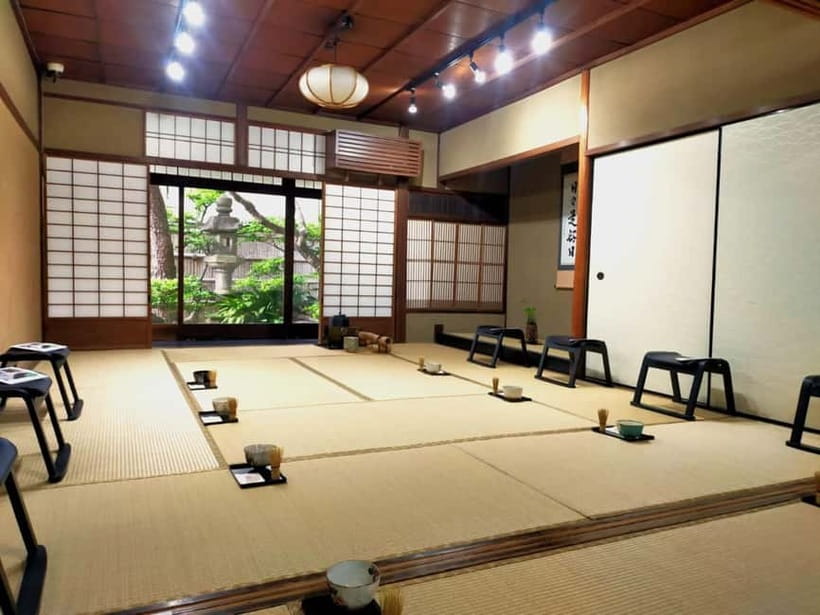
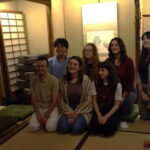
This is a group session that can accommodate up to 20 people. The room varies depending on how many people attend, so you might have a bit more room or less, but the structure stays the same.
The ceremony is designed for quiet. That means rules that might sound strict until you’re inside:
- no flash photography
- no making noise
- no food or drinks in the room
- smoking indoors is not allowed
Sitting can be either on the floor (common) or on a small chair if you prefer. If you’re the type who’s usually “fine with floor seating,” you’ll probably be comfortable. If not, choose the chair option early and settle in so you don’t spend the whole ceremony adjusting.
Also, this experience is suitable for ages 10 and above, and disruptive behavior can lead to being asked to leave. So it’s best if you want a respectful, slow cultural activity rather than an energetic hangout.
Kimono Stroll After Tea: What You Get (And What You Must Return)
One of the best practical perks of the kimono add-on is the afternoon extension. After the ceremony, you can wear the kimono around Kyoto until you return it.
You need to return the kimono to the Yumeyakata Gojo Shop by 5:30 PM on the same day. That’s not just a logistical detail. It affects your whole schedule. Plan your sightseeing route so you’re not scrambling near closing time.
In real life, walking in kimono can feel different than walking in sneakers: more layers, a different gait, and potentially less comfortable heat management. But if you like being “part of the scene,” it’s a fun way to slow down and notice streets you’d otherwise glide past.
The Machiya Moment Add-On: A Short Tour + Photo Time in the Same Place
If you select the add-on, right after the tea ceremony you join the Kyo-Machiya (Kyoto Townhouse) Tour held in the same location.
This part is timed for short attention spans:
- about 20 minutes of tour
- plus about 10 minutes for selfie time
The focus is on Kyoto townhouses: architectural details, cultural significance, and hidden functions of these homes. Since it happens in the same beautiful setting you just experienced for tea, it feels like one continuous cultural lesson rather than a separate activity.
Some photo-time elements have been described as fun and a little theatrical, like getting pictures with props such as a katana and umbrella in the garden area. That’s optional-feeling and lighthearted, which balances the seriousness of the tea ritual.
Price and Value: Is $31 Worth It?
The listed price is $31 per person, and value depends on which option you choose.
Here’s what you’re getting for that base experience:
- the tea ceremony itself
- matcha tea
- traditional Japanese sweets
- a leaflet explaining the ceremony
- a tea master and interpreter
- etiquette instruction plus time to make your own tea
That combination is why the price feels reasonable for Kyoto. Many “food experiences” are mostly watching and tasting. Here, you’re learning and participating, and you get cultural context (including the history and meaning behind steps) from real instruction.
If you add the kimono option, you’re adding cost for dressing, and possibly for upgrades like Houmongi plus women’s hair styling and makeup. If you’re already set on wearing kimono in Kyoto, this can be the better choice because it’s tied to an actual cultural activity, not just a rental and a photo walk.
If you’re trying to keep it simple, the tea ceremony-only option still includes the core value: master-led etiquette, your own matcha-making, and the quiet machiya setting.
Who This Tea Ceremony Suits Best (And Who Should Skip It)
This experience is best for you if:
- you want a structured cultural activity with clear guidance
- you like learning by doing, not just watching
- you enjoy quiet, respectful settings
- you’re interested in Japanese etiquette and how traditions work as social rituals
It’s probably not a great fit if:
- you need a private, no-group setting
- you can’t do (or don’t want) floor seating even with the chair option available
- you have restrictions listed by the operator (the experience isn’t suitable for people under 10, pregnant women, wheelchair users, those over 200 cm, visually impaired people, babies under 1, or people over 95 kg)
Also, because flash and noise are not allowed, it’s not a shoot-everything-from-every-angle type of activity. You’ll be happier if you treat it like a mindful performance that you participate in.
Should You Book This Kyoto Matcha Tea Ceremony?
Yes—if you want a genuine Kyoto cultural experience that mixes calm atmosphere with hands-on learning. The machiya setting plus the chance to make your own tea is the combo that makes this worth your time, and the master-led instruction is what keeps it from feeling like a tourist show.
Book with the kimono option if you want your afternoon to feel like Kyoto life, not just a single hour indoors. Plan around the two-hour start delay after dressing, bring your required socks, and keep your phone camera on a quiet mode (no flash).
If you’re short on time or you’re not into formal wear, the tea ceremony only version still delivers the core: history, etiquette, and supervised matcha-making in a beautiful 100-year-old home.
FAQ
How long is the Kyoto tea ceremony experience?
The duration can range from 50 minutes to 3 hours, depending on the option and start time availability.
Where do I go if I want the kimono rental?
Go to the Yumeyakata Gojo Shop at the starting time on your voucher to pick your kimono.
When does the tea ceremony start with the kimono option?
The tea ceremony begins two hours after your selected starting time. For example, a 11:00 AM selection leads to a 1:00 PM ceremony.
What if I book the tea ceremony only (no kimono)?
Visit Oike Bettei 5–10 minutes before the starting time shown on your voucher.
What should I bring?
You should bring socks.
Can I sit on a chair instead of the floor?
Yes. If you prefer not to sit on the floor, you can sit comfortably on a small chair.
Are there rules about photography and noise?
Yes. Flash photography is not allowed, and the room requires a quiet atmosphere. Smoking indoors is also not allowed.
Is this experience for kids?
It’s suitable for guests aged 10 and above, and it isn’t suitable for children under 10.