REVIEW · KYOTO
Kyoto near Fushimiinari Wagashi making&Small Group Tea Ceremony
Book on Viator →Operated by Japanese cooking class & walking tour · Bookable on Viator
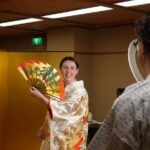
Tea time in Kyoto feels almost private. I love how this class blends hands-on wagashi making with a real tea-ceremony flow, not a canned performance, and it’s hosted in a local house in Fushimi. In particular, I’m happy to hear from folks who were welcomed by Miho (host), with English that made everything easy to follow, from the kitchen steps to the ceremony rules.
Another highlight for me is the matcha you actually prepare yourself, plus the calm structure around it: you learn how to attend tea, hear the meaning of the hanging scroll, and then practice the ceremonial method. The one thing to think about first: this isn’t ideal if you avoid caffeine, since the class includes matcha.
In This Review
- Key highlights before you go
- A calmer side of Kyoto, near Fushimi-Inari
- Getting your hands sticky: wagashi in the home kitchen
- Tea etiquette starts with how to attend
- Tatami comfort basics (and the chair option)
- Matcha first as a lesson, then as a skill
- What makes the English instruction feel natural
- How long it takes, and how to fit it into your Kyoto day
- Price and value: what $52.26 buys you
- Who should book this tea ceremony
- Final call: should you book it?
- FAQ
- How long is the Kyoto tea ceremony and wagashi making session?
- What’s the group size limit?
- Is this a hands-on class or just a demonstration?
- What’s included in the price?
- Do I need to wear socks or special footwear?
- Can I sit in a chair instead of on tatami?
- What time does the experience start?
- Is this suitable for children?
- Is it okay if I don’t drink caffeine?
- Where does the activity meet?
Key highlights before you go
- Max 8 people means you get personal attention and time to ask questions
- Hands-on wagashi in a home kitchen, not just watching
- Tatami ceremony room with chair option if you prefer not to sit on the floor
- Licensed English guide interpreters keep the tea etiquette clear
- Tiny garden walk before you enter the ceremony room (only if weather allows)
- Two bowls of matcha and sweets included, so you leave satisfied, not just informed
A calmer side of Kyoto, near Fushimi-Inari
This tea ceremony happens in Kyoto’s Fushimi Ward, in an authentic Japanese-style home setting rather than a showroom or a big bus-friendly venue. That matters. You get the feeling that someone invited you in, then guided you through what tea culture is really like day to day.
What also helps is the location vibe. From what I’ve gathered, it’s quiet and more local-feeling, yet not far from the famous orange torii gates at Fushimi-Inari-Taisha. So you can do this in the morning and still have plenty of day left for temple wandering without feeling like you scheduled your day around a distant detour.
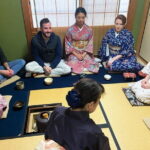
Group size is small (max 8), so the pace stays human. You’re not trying to hear instructions over a crowd, and that makes a difference with something this detail-oriented.
If you’re the type of traveler who likes your Kyoto cultural experiences practical—hands, senses, and a bit of ritual—this is built for you.
You can also read our reviews of more tours and experiences in Kyoto.
Getting your hands sticky: wagashi in the home kitchen
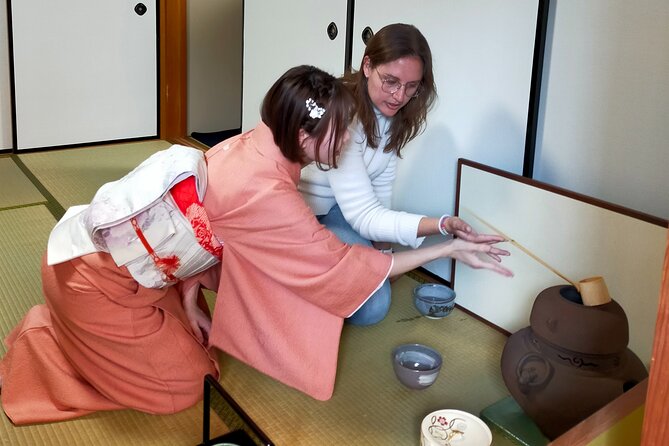
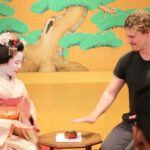
Before you even reach the tea room, you’re in the kitchen area. An English-speaking host guides you there, and you learn how to make one kind of wagashi (Japanese sweets). This is a hands-on class, not a demonstration you just watch.
Why I like this part: wagashi isn’t just food. It’s texture, shape, timing, and subtle technique. When you make it yourself, you understand why it’s served in a ceremonial setting. You also get a sense of how patience and small movements matter in Japanese craft traditions.
You’ll work step-by-step, then you get to enjoy the sweets you created. People describe it as fun—and yes, there can be some stickiness—because you’re doing real work with real ingredients, not handling props.
Practical note: you’re in a home environment, so keep your focus on the class rather than trying to multitask with photos the whole time. The staff will move you through the process, and if you’re present, you’ll finish with something you can truly explain to friends back home.
Tea etiquette starts with how to attend
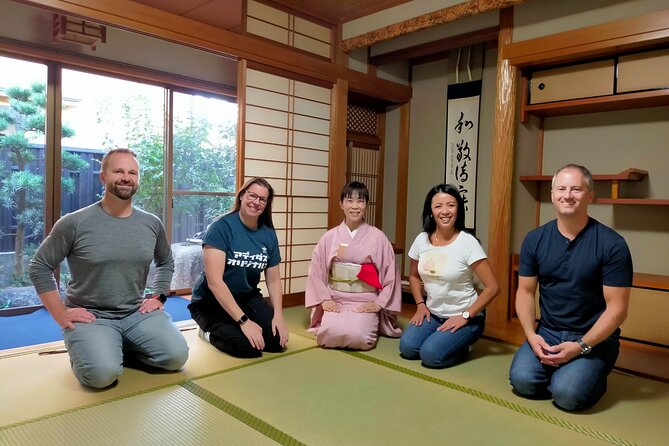
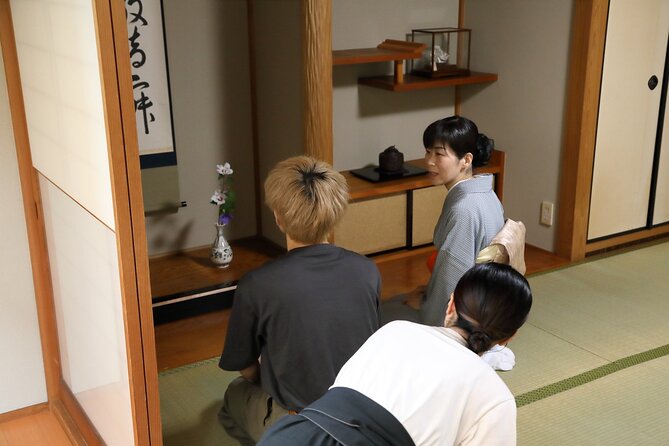
After the wagashi, the day shifts into ceremony mode. The host explains how to attend tea ceremony before you ever sit down. This isn’t just formal talk. It helps you understand what you’re doing and why the room feels the way it does.
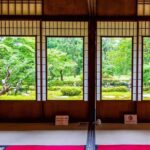
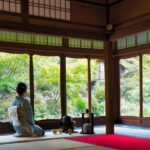
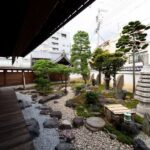
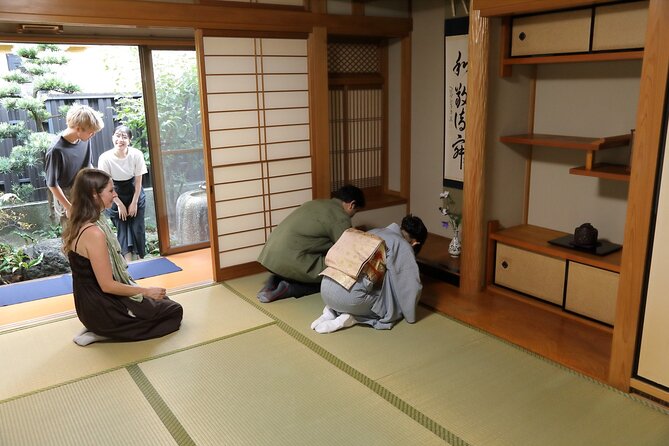
Then you walk through a small garden area and enter the authentic Japanese-style room. If it’s raining, that garden walk may not happen as described, but the core ceremony space is still the same.
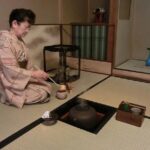
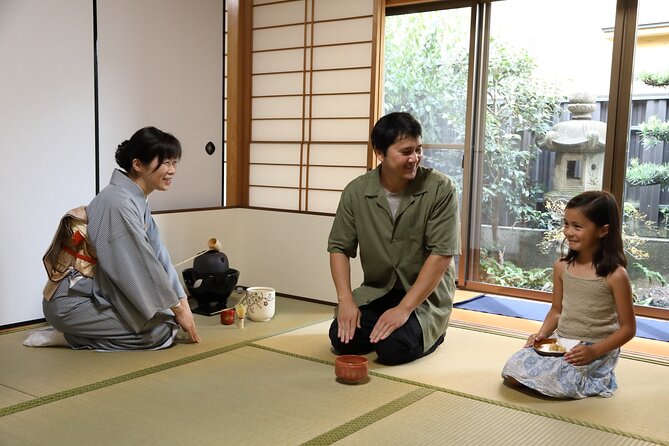
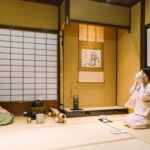
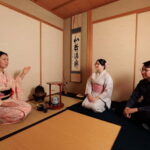
Once you’re seated on tatami, the instructor goes deeper. They explain:
- the history and meaning behind tea ceremony practices
- and the hanging scroll (they also share what it represents)
This part can feel like two things at once: calming and informative. Even if you’ve read about tea ceremony before, hearing the meaning of the scroll and understanding how guests should behave in the room makes the whole experience click.
Also, one quiet advantage of this setup: the small group size keeps you from feeling like you’re interrupting the ceremony flow. You’re guided into it.
Tatami comfort basics (and the chair option)
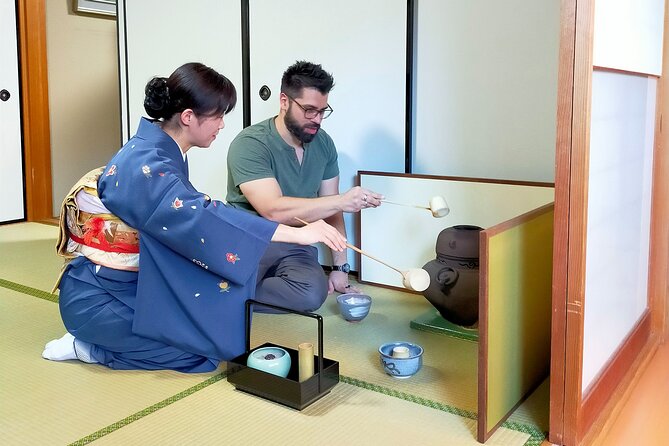
You’ll sit on tatami floors during the ceremony. That’s part of the authenticity. But the key practical detail is that bare feet are not allowed in the room. You’ll want to bring or wear a pair of socks.
This matters more than you’d think. Socks help with comfort and cleanliness, and you won’t end up with cold or awkward feet halfway through the session.
If you don’t want to sit on the tatami floor, there is a chair option. You just need to let the team know when you reserve, including how many chairs you want prepared. This is one of the easiest ways to make sure the experience stays comfortable without losing the tone of the ceremony.
For shoes, the advice is simple: wear easy shoes you can take on and off without hassle. You’ll likely do some transitions between outdoor/entry areas and the seating space.
Matcha first as a lesson, then as a skill
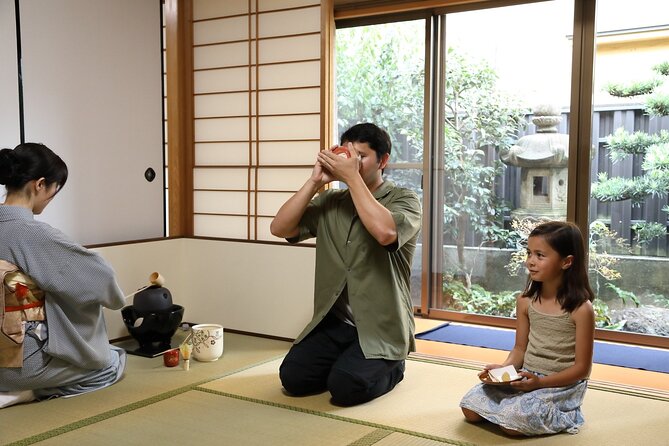
The ceremony isn’t only about drinking. It’s about learning the steps and then doing them yourself.
After you enjoy the wagashi sweets, your instructor demonstrates how to drink the matcha bowl. Watching once helps you understand what your hands and posture should do, how you hold the rhythm, and how the room expects you to participate.
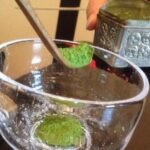
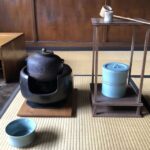
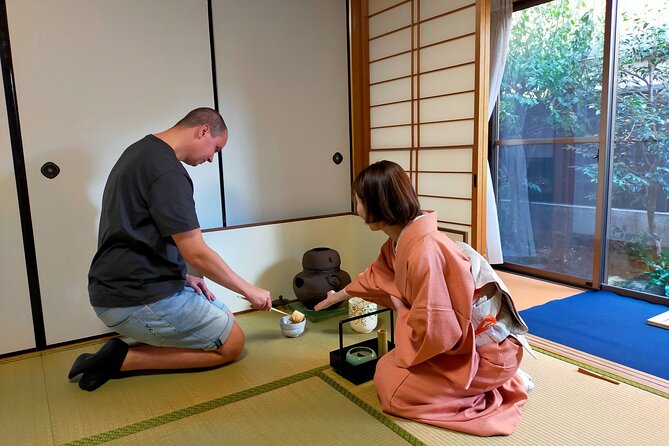
Then comes the host-led section: you’ll see the ceremonial preparation of matcha and enjoy drinking it as part of the session. This is where the experience shifts from sightseeing to actual practice.
And here’s a big reason this class feels worth it: you don’t just get a taste. You’ll have the opportunity to prepare your own matcha afterward, including making your own bowl. By the time you’re done, you can bring the ritual home—not perfectly like a master, but confidently enough to share it.
If you’re the kind of traveler who enjoys learning food traditions with your hands—like making sushi basics, kneading bread, or folding dumplings—this will land well.
One more detail to keep in mind: this experience isn’t recommended if you don’t take caffeine. Since matcha is the star, plan accordingly if caffeine usually doesn’t agree with you.
What makes the English instruction feel natural
A lot of cultural classes promise English support. This one goes a step further with licensed guide interpreters who can explain the meaning behind what you’re doing.
That’s helpful because tea ceremony is full of small symbolic choices—scroll meaning, guest behavior, timing, and the way preparation works. When the explanation is clear, you understand what you’re seeing, not just the sequence of movements.
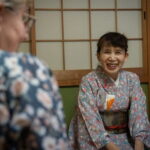
In reviews, people specifically highlight how friendly and English-strong the hosts and instructors were. Miho, in particular, gets credit for being welcoming and easy to understand. That kind of communication really changes the experience because you’re more relaxed—and when you’re relaxed, you learn faster.
How long it takes, and how to fit it into your Kyoto day
The ceremony runs about 1 hour 15 minutes. That length is ideal for a morning slot. You get a meaningful cultural activity without sacrificing your whole day.
The session starts at 9:45 am, and it ends back at the meeting point. There’s no hotel pickup, so you’ll want to plan on reaching the address yourself.
The meeting point is:
38-4 Fukakusa Watamorichō, Fushimi Ward, Kyoto, 612-0022, Japan
It’s also described as near public transportation, which is good news if you’re building a day around trains and walking.
If you’re doing Fushimi-Inari later the same day, the timing can be great: you’ll start your morning with something calm, then walk toward the shrine when you’re ready for energy and crowds.
Price and value: what $52.26 buys you
At $52.26 per person, you’re paying for more than a simple tasting. You’re paying for:
- a small-group setting (max 8)
- a hands-on wagashi class
- a full tea ceremony flow with explanation
- multiple servings of matcha (two bowls included)
- Japanese traditional confectionaries included as part of the session
- English-speaking instruction plus interpretation support
- all fees and taxes
So the value comes from the structure. Many experiences cost about the same but stop at watching. Here, you participate in both food-making and tea-making.
If you’ve been debating between a quick cultural stop and a real lesson, this is the one that moves you from consumer to participant.
And because the group is small, you’re less likely to feel rushed. That matters when you’re learning technique, not just collecting photos.
Who should book this tea ceremony
This works best if you:
- want a genuine Kyoto food-and-culture lesson you can do, not just observe
- prefer small groups and friendly, clear English guidance
- like traditions that are structured, calm, and practical
- enjoy matcha and don’t mind caffeine
It may not be a great fit if:
- caffeine is a no-go for you
- you strongly dislike sitting on the floor (use the chair option when reserving)
If you’re traveling as a couple, this can be especially satisfying because the small-group format feels close to private. Families can also consider it, with age guidance that says children 8 to 12 can participate with at least one adult, while children 7 and under can’t join this session.
Final call: should you book it?
I’d book this Kyoto tea ceremony if you want something that feels lived-in and teaches skills you can repeat. The combination of hands-on wagashi, meaningful ceremony context (including the hanging scroll), and the chance to prepare your own matcha makes it more than a short activity—it’s a story you can tell with your own hands behind it.
If matcha caffeine is okay for you and you’re ready for a calm morning in a local setting, this is a strong choice. If you’d rather avoid caffeine or you hate tatami, make sure you choose the chair option and plan around your comfort.
FAQ
How long is the Kyoto tea ceremony and wagashi making session?
The duration is about 1 hour 15 minutes.
What’s the group size limit?
The experience has a maximum of 8 travelers.
Is this a hands-on class or just a demonstration?
It includes hands-on instruction. You’ll make wagashi and you’ll also have an opportunity to prepare matcha yourself.
What’s included in the price?
The price includes an English-speaking instructor, all fees and taxes, coffee and/or tea, two bowls of matcha, and Japanese traditional confectionaries.
Do I need to wear socks or special footwear?
You should bring or wear socks. Bare feet are not allowed in the room, and you’re advised to wear easy shoes that you can take on and off.
Can I sit in a chair instead of on tatami?
Yes. You can request a chair instead of sitting on the tatami floor. Let them know when you book how many chairs you want prepared.
What time does the experience start?
Start time is 9:45 am.
Is this suitable for children?
Children aged 8 to 12 can participate if at least one adult joins them. Children aged 7 or under are not able to participate.
Is it okay if I don’t drink caffeine?
It’s not recommended if you don’t take caffeine, since matcha is included.
Where does the activity meet?
It meets at 38-4 Fukakusa Watamorichō, Fushimi Ward, Kyoto, 612-0022, Japan, and it ends back at the meeting point.