REVIEW · KYOTO
Kyoto Japanese Tea Ceremony Experience in Ankoan
Book on Viator →Operated by KYOTO Japanese tea ceremony experience in ANOAN, Chinese/English OK! · Bookable on Viator
You can learn Kyoto manners one sip at a time. At Ankoan you get a guided Japanese tea ceremony experience with hands-on matcha practice in a small, quiet studio setting. I particularly love the host-led explanations of tea etiquette and the chance to make your own matcha, not just watch. One thing to consider: the session isn’t recommended if you have knee pain due to the traditional seated format.
This is also a very talk-friendly experience. You’ll be welcomed with tea, invited into conversation, and guided step-by-step by the host (Yuka is mentioned as the person making the welcome tea), usually in English with Chinese/English also supported. If you’re hoping for a quick photo stop, this is slower by design; it’s about process, focus, and doing it properly.
In This Review
- Key things that make Ankoan special
- Entering Ankoan: a Kyoto tea lesson that starts with calm
- The tea ceremony flow: more than a performance
- Matcha making: your hands learn what your eyes can’t
- Wagashi and welcome tea: the sweet-to-serene pairing
- What you’ll do with your camera: indoor photos are allowed
- Timing in Kyoto: plan for 90 minutes to about two hours
- Group size, language, and conversation that actually works
- Families and kids: can children participate?
- Accessibility and comfort: knee pain is the main issue
- Price and value: $32.84 is more than a tea tasting
- Before and after: how to fit it into a Kyoto day
- Is this the right Kyoto experience for you?
- FAQ
- Where is the tea ceremony located?
- How long is the experience?
- Is the tour in English or another language?
- What’s included in the cost?
- Can I take photos during the ceremony?
- What’s the group size?
- What if the weather is bad?
Key things that make Ankoan special
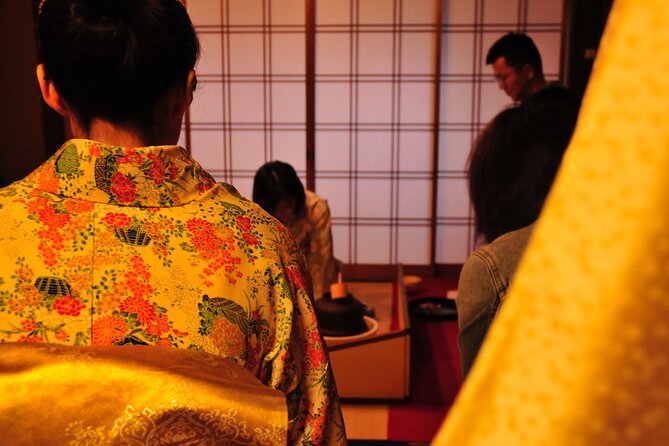
- Small group (max 8) so you actually get attention while you practice
- Hands-on matcha making, then tasting what you made
- Welcome tea + wagashi tasting paired with the ceremony flow
- English-forward hosting (Chinese/English okay) and real conversation
- Indoor photos allowed, so you can capture the calm details without stress
Entering Ankoan: a Kyoto tea lesson that starts with calm
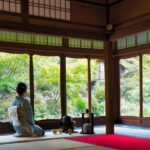
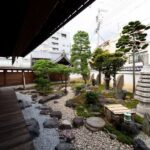
Kyoto can be loud in the streets, even when you pick peaceful neighborhoods. This experience gives you the opposite feeling the moment you arrive at 暗香庵 (Ankoan) in Murasakino Monzenchō, Kita Ward. The meeting point is right there at the studio address, and the activity ends back at the same spot, so you’re not constantly moving around.
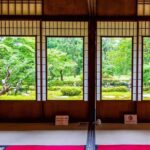
What I like is how it turns your arrival into part of the experience. You’re welcomed first with tea, and you get time to settle before anyone starts explaining the finer points. Reviews also mention the setting as captivating and comfortable, which matters here because tea ceremony works best when you’re not rushed.
If you’re planning your day, aim to arrive with enough buffer to breathe. You’ll get more out of the ceremony when you’re not sprinting from the last temple or train.
You can also read our reviews of more tours and experiences in Kyoto.
The tea ceremony flow: more than a performance
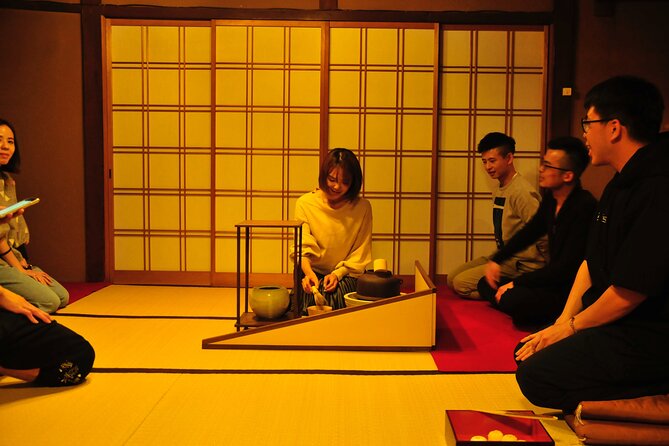
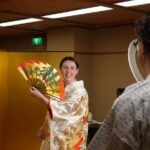
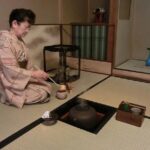
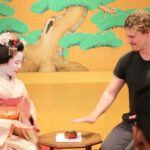
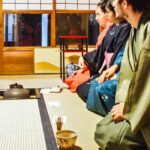
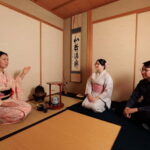
This isn’t just someone doing a show and stepping aside. The host walks you through the ceremony’s key parts—what they are, why they matter, and how manners show up in small movements. You start with some conversation (including tea-related talk), then you watch the tea master’s demonstration before you try again yourself.
I like that the explanation isn’t only technical. The experience is also shaped as a cultural conversation: how Japanese people live, how Japanese culture formed, and what guests notice once they slow down. That makes the formal steps feel connected to real life, not locked in a museum case.
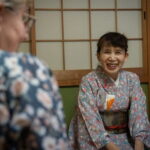
A nice practical element: the host is actively engaged. Multiple reviews mention very good English and that the host was welcoming and warm in conversation, so you’re not left decoding everything alone.
Matcha making: your hands learn what your eyes can’t
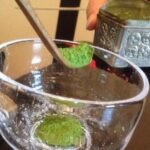
The centerpiece here is making matcha yourself. After watching the demonstration, you’ll model the process and work through the essential steps with guidance. The goal isn’t just to end with a bowl of green tea—it’s to internalize the rhythm and respect behind the movements.
Then you taste. That’s important, because matcha isn’t just an ingredient; it’s the feedback loop for whether you followed the steps. Once you make it, you experience what balance and care feel like in your own hands, not only what you heard explained.
One more detail I found useful from the way people describe the experience: it’s very step-by-step. You’re not expected to know tea utensils or techniques beforehand. If you’ve never whisked matcha, that’s actually an advantage—you’ll learn the whole process from the start.
Wagashi and welcome tea: the sweet-to-serene pairing
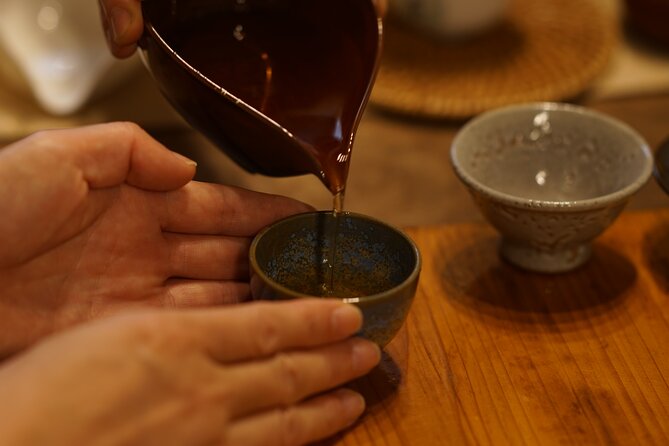
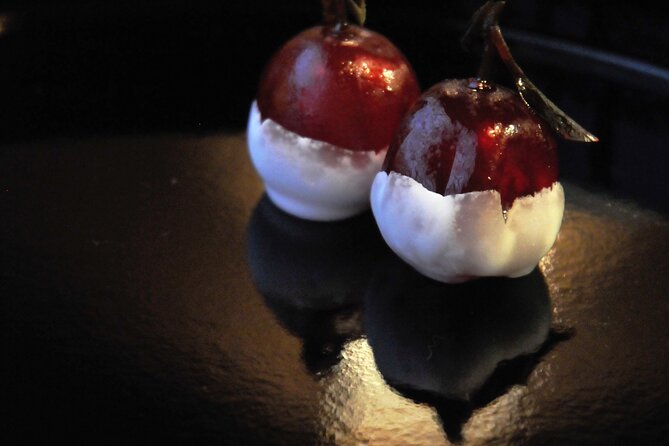
Expect to drink something as part of the welcome and also get tastings during the session. The experience includes coffee and/or tea, and the experience description also specifically mentions a welcome tea. People also mention tasting wagashi, the Japanese sweets that are often chosen to complement the season and the mood of the ceremony.
Wagashi isn’t just dessert here. It supports the pacing of the ceremony and gives you a taste context—how the ritual moves from cup to palate, from attention to calm. Reviews describe the ceremony as relaxing, and that relaxed feeling often comes from these small sensory moments.
Tip for first-timers: don’t treat it like a snack break. Let it be part of the tea flow. If you rush through the tasting, you miss the point.
What you’ll do with your camera: indoor photos are allowed
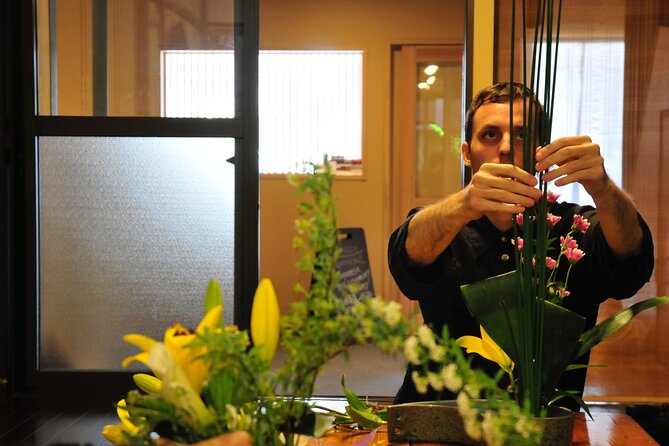
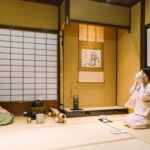
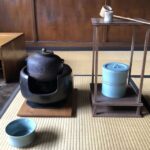
You can take pictures indoor freely. That’s great because so many culture experiences either restrict photos or feel awkward about them. Here, you can capture the setup and utensils without having to fight the room.
Just keep it practical: take photos when the host pauses or when you’re instructed to do so. The ceremony relies on focus, and the best photos usually come from quiet timing, not constant clicking.
Timing in Kyoto: plan for 90 minutes to about two hours
The duration is listed as about 1 hour in the overview, and the service is also described as 90 minutes. Reviews also mention sessions lasting around two hours, which suggests the real-world time can stretch depending on group pace and how much conversation happens.
So I’d plan your schedule like this: give yourself enough time so you don’t feel rushed when you finish. If you’re combining this with nearby sightseeing, keep your next stop flexible.
A helpful mindset: arrive expecting you’ll slow down. Tea ceremony rewards patience, and the experience is designed to let you settle in.
Group size, language, and conversation that actually works
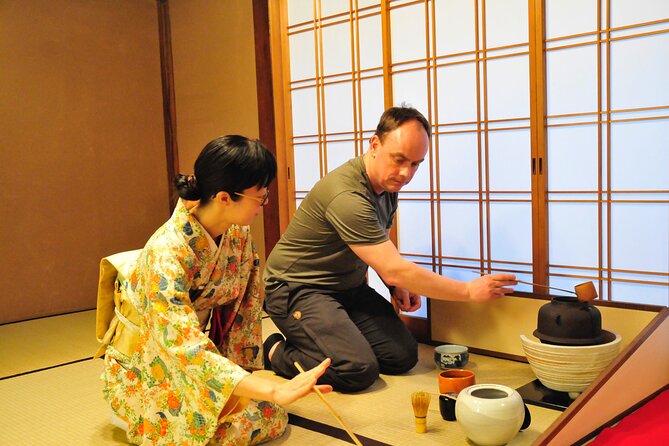
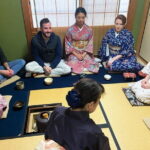
The group is capped at 8 travelers, which is one of the reasons this tends to score so well. A small group means you’re more likely to get personal attention while you practice whisking matcha. It also makes it easier for the host to talk with you, not just perform at you.
Language-wise, the experience provider notes Chinese/English OK, and reviews specifically praise the host’s English and conversational skills. That matters for tea ceremony, because so much of what you learn is about intent and phrasing—how you understand etiquette in real words.
One of the best parts, based on the tone of feedback, is that the host keeps things interactive. Even people who arrived with very little knowledge report that they left feeling like they understood both the procedure and the meaning behind it.
Families and kids: can children participate?
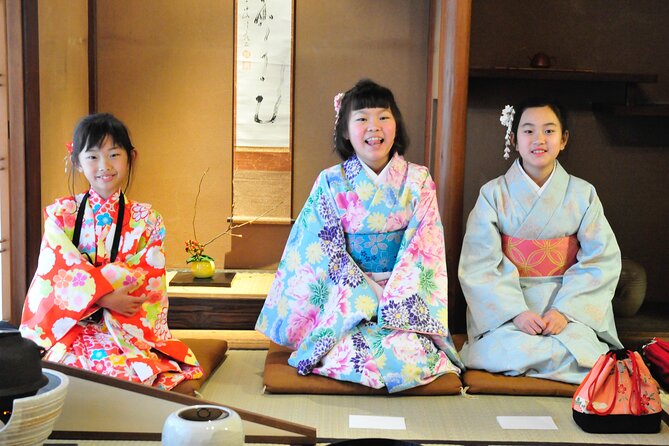
Yes, and that’s a big plus if you’re traveling with family. Reviews mention small kids participating happily, and one review specifically mentions an 8-year-old being able to make tea. That suggests the host can guide younger participants in a way that works, rather than treating it as strictly adult-only.
If you’re bringing kids, you’ll still want to manage expectations. This is a seated, etiquette-focused activity, so it may not feel like a hands-on craft class where anything goes. But it can be engaging for children when the host keeps them involved.
Accessibility and comfort: knee pain is the main issue
The experience is not recommended for those with knee pain. That’s the clearest accessibility consideration in the details provided. If you know you’ll struggle with traditional seated positioning, this might be a hard match.
If that’s your situation, consider doing a different type of tea experience that accommodates standing or chair seating. Don’t try to push through pain for cultural authenticity—your comfort determines your ability to learn.
Price and value: $32.84 is more than a tea tasting
At $32.84 per person, this isn’t the cheapest thing on your Kyoto list. But it also isn’t only a tasting. For that price, you’re getting:
- A host-guided ceremony with explanation
- A demonstration plus your own matcha practice
- Welcome tea and wagashi tasting
- A small-group atmosphere where you can ask questions
That’s why it feels like good value for the time. You’re not paying just for a cup; you’re paying for the lesson and the chance to do it correctly once, under supervision.
One practical note: private transportation isn’t included. If you’re far from the area, budget for transit time and possibly a short taxi ride. On the bright side, the location is near public transportation, so you’re not stuck.
Before and after: how to fit it into a Kyoto day
Kyoto is packed with temples and shrines, and many people naturally combine this with nearby stops. One review mentions going to temples around the corner beforehand, which is exactly how I’d plan it: do a bit of walking, then switch gears to something slow and indoor.
After the ceremony, you’ll likely want a breather, not another intense schedule. The whole point is to leave with calmer attention and better context for what you’re seeing around the city.
Is this the right Kyoto experience for you?
You should book if you want a meaningful, hands-on cultural lesson rather than a quick photo stop. This works especially well if you like thoughtful conversation, appreciate Japanese manners, and want to learn matcha properly—because you’ll do it, not just watch it.
Skip it if knee pain is a concern or if you prefer fast-moving tours with lots of walking and minimal seated time. Also consider whether you’re okay spending time indoors learning a ritual with a slower pace.
If your goal is to take home a memory that feels specific and repeatable, this is one of those rare Kyoto activities where you leave with both understanding and a skill: whisking matcha and appreciating the care behind it.
FAQ
Where is the tea ceremony located?
It takes place at 暗香庵 (Ankoan) in Kyoto, Kita Ward, Murasakino Monzenchō, 603-8216.
How long is the experience?
The experience is listed as about 1 hour and also described as a 90-minute service; some sessions may run closer to two hours depending on the group.
Is the tour in English or another language?
The provider notes Chinese/English OK, and reviews highlight the host’s strong English skills.
What’s included in the cost?
The included items are coffee and/or tea, along with the ceremony tastings described in the experience (including matcha and wagashi).
Can I take photos during the ceremony?
Yes. Indoor photos are allowed.
What’s the group size?
The experience has a maximum of 8 travelers.
What if the weather is bad?
The experience requires good weather. If it’s canceled due to poor weather, you’ll be offered a different date or a full refund.