REVIEW · KYOTO
2 Types of Japanese Sweets making and Tea Ceremony
Book on GetYourGuide →Operated by B.B.Advisors Inc. AN KYOTO · Bookable on GetYourGuide
If you want a hands-on Kyoto food lesson, this is it. You’ll make three different wagashi styles (Ohigashi, Nerikiri, plus tea), using Kyoto-sourced ingredients like Wasanbon sugar and matcha.
What I like most is the range: you’re not just shaping one sweet. You’ll start with Ohigashi (a dried-style sweet), move into Nerikiri (seasonal bean-paste shaping), and then grind matcha and do a casual tea ceremony.
One thing to keep in mind: the experience can feel a bit like a group class if the room is full, and the tea moment is more instructional than an ultra-formal, hush-everywhere ceremony.
In This Review
- Quick hits before you book
- Why this workshop is a smart Kyoto experience (not just a snack)
- Ohigashi (dried wagashi): Wasanbon sugar and hands-on candy craft
- What to watch for
- Nerikiri shaping: seasonal flowers, Kinton Nerikiri, and the art of gentle pressure
- The most practical takeaway
- Matcha grinding and the tea ceremony, without the intimidation factor
- About the ceremony style
- Location near Gojo Station: easy to reach, one caveat
- Price and value: why $28 for sweets + matcha can be a good deal
- What the atmosphere is like in real life
- Who should book this workshop, and who might want to skip
- Should you book this Japanese sweets and matcha workshop?
- FAQ
- FAQ
- Where is the meeting point?
- How long is the experience?
- What Japanese sweets will I make?
- Do I get to make matcha?
- Is there any additional cost during the session?
- Is English translation available?
- What is the price?
- Is it free to cancel?
Quick hits before you book
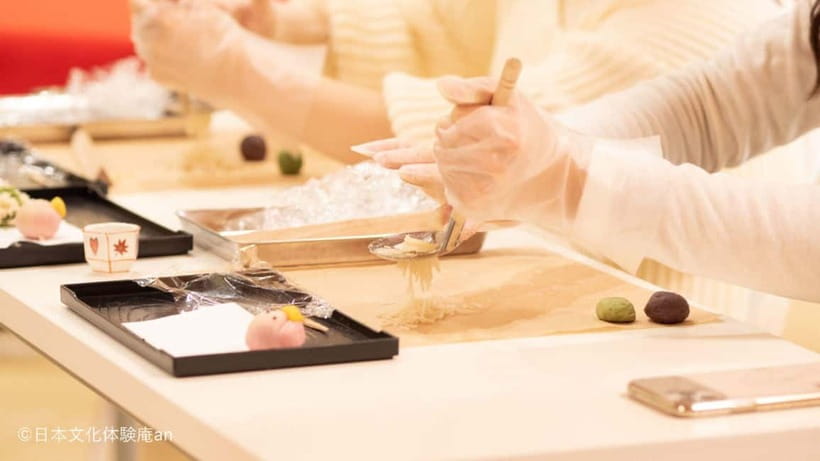
- Wasanbon first: You’ll make dried Ohigashi using traditional Japanese sugar called Wasanbon.
- Seasonal Nerikiri shaping: You’ll craft two seasonal Nerikiri sweets from red/white bean paste.
- Kyoto bean paste sourcing: The bean paste is produced by Kyoto’s long-established shops.
- Single-origin matcha: Matcha is described as single-origin special matcha, and you’ll grind it yourself.
- A casual tea ceremony: You get the matcha ceremony experience, but it’s framed as approachable and not overly strict.
- Close to Gojo Station: The meeting point is about a minute from Exit 1 of Karasuma Line Gojo Station.
Why this workshop is a smart Kyoto experience (not just a snack)
This is the kind of cultural activity that actually sticks because your hands do the work. In about 125 minutes, you’ll touch the three big pillars most people associate with classic Japanese sweets and tea: wheat-free sweets craft, bean paste art, and matcha preparation.
The value comes from the structure. You don’t bounce between random demos; you build from one technique to the next. That means when Nerikiri gets messy (because shaping always does), you already understand what bean paste is doing in the background of the sweets.
Also, the theme stays coherent. Ohigashi teaches sugar texture and sweetness balance. Nerikiri focuses on shaping and the feel of paste. Then matcha connects it all with bitterness, aroma, and the ritual of preparing your own cup.
You can also read our reviews of more tours and experiences in Kyoto.
Ohigashi (dried wagashi): Wasanbon sugar and hands-on candy craft
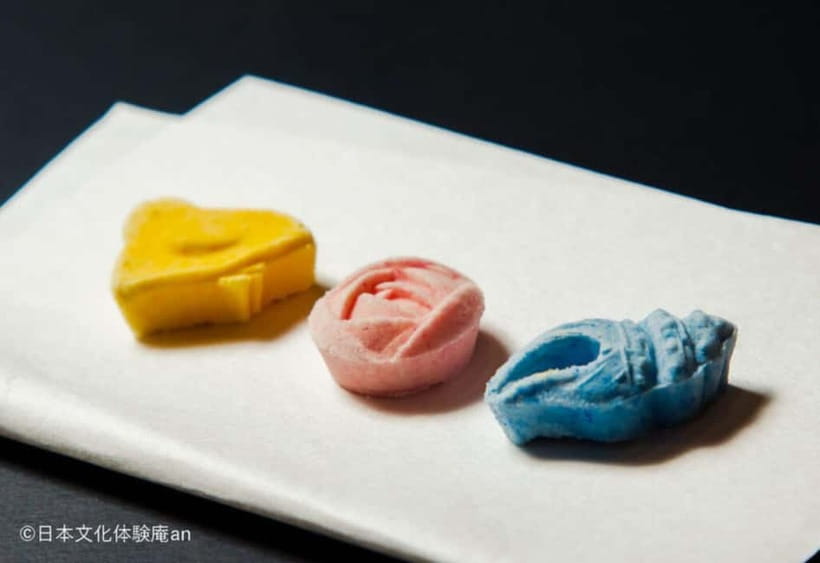
The workshop starts with an intro to Japanese traditional sweets, then you’ll make Ohigashi, described as dried-type sweets. In your hands, Ohigashi is less about a sticky batter and more about precision—how the sugar behaves, how the finished sweet holds its shape, and how sweetness lands on the palate.
A key detail: the sweet-making uses Wasanbon, a traditional Japanese sugar. Wasanbon is known for a specific sweetness profile (so it’s not just “regular sugar”). You can taste the difference, but you also learn why wagashi sugar matters—small ingredient choices control how delicate the sweet feels, not just how sweet it is.
Timing matters here. The session begins, you learn the basics, and you get enough active time to actually finish your Ohigashi. Then there’s a break before the Nerikiri part, which is helpful because your focus needs to switch from “make it” to “shape it.”
What to watch for
If you’re the type who hates waiting, you’ll like that the Ohigashi segment is purposeful and early. If you’re sensitive to sweetness, take small bites later—your palette will keep adapting as you move from one style to the next.
Nerikiri shaping: seasonal flowers, Kinton Nerikiri, and the art of gentle pressure
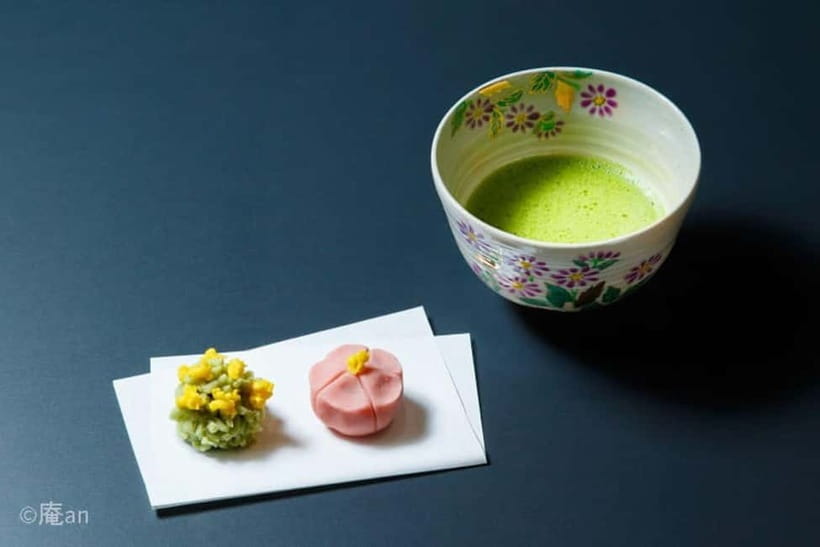
Next comes the showpiece: Nerikiri, a type of Japanese sweet made by shaping bean paste. You’ll make two seasonal Nerikiri sweets, both using white/red bean paste produced by Kyoto’s long-established shops.
The workshop includes a flower-shaped Nerikiri making segment, then you shift again into Kinton Nerikiri. That second style is especially useful because it changes the shaping challenge. You’re not repeating the same motion; you’re learning how paste behavior and shaping goals can differ even when the base ingredient is similar.
This is where the value really shows if you care about technique. Nerikiri looks like art, but it’s also physics: paste temperature, friction, pressure, and how you form edges without tearing.
The most practical takeaway
When you’re shaping Nerikiri, don’t fight the paste. Use the texture you have in front of you. Your instructor’s guidance is what makes it feel doable, not intimidating. In one highlight, the instructor is described as attentive and informative—that kind of coaching matters most at the exact moment your hands think you’re doing it wrong.
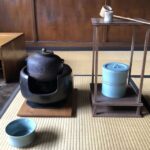
Matcha grinding and the tea ceremony, without the intimidation factor
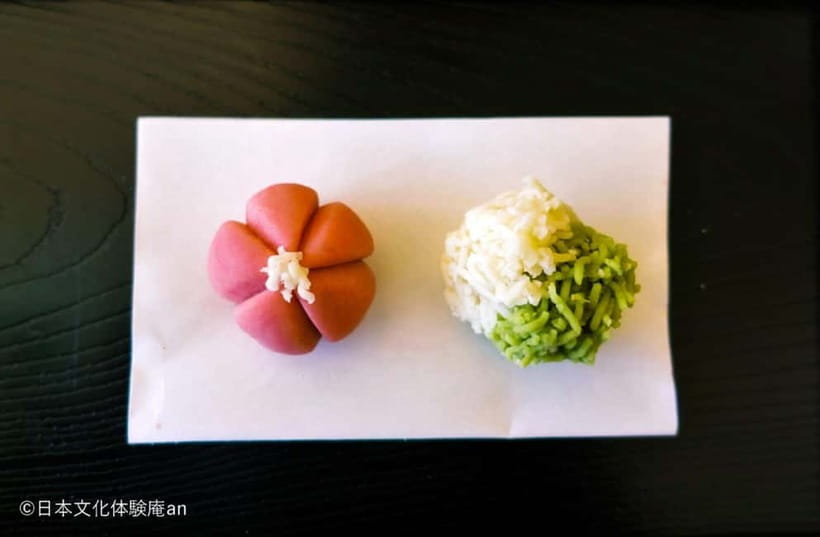
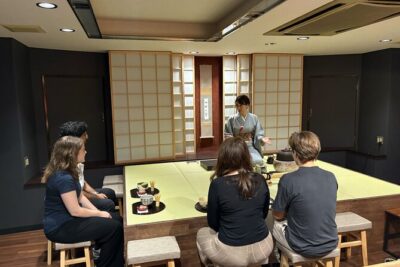
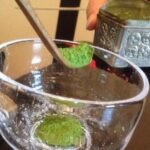
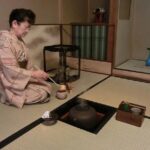
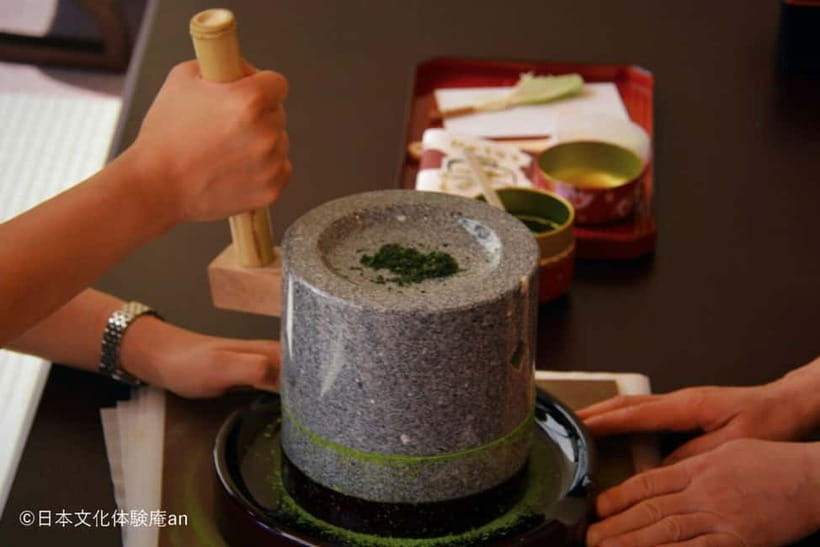
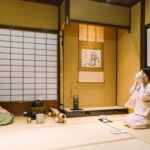
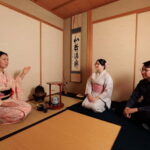
After sweets, the focus switches to tea. You’ll get an explanation about tea traditions, then there’s a matcha grinding demonstration followed by a tea ceremony experience that’s described as easy to enjoy.
Here’s what makes this portion feel worthwhile: you’re not just tasting matcha like it’s a product. You’re participating in the process—grinding and then making your own cup. That changes your understanding instantly because matcha’s aroma and bitterness show up differently depending on how it’s prepared.
The matcha is described as single-origin special matcha, which signals quality and flavor focus. In plain terms: you’re tasting a specific character, not a generic blend. That’s ideal for beginners because you can learn what matcha tastes like when it’s treated with care.
About the ceremony style
One potential mismatch in expectations: the tea part may feel more like an educational session than a strict, formal ceremony with silent etiquette for hours. That doesn’t automatically make it “less real”—it just means the experience is built for accessibility. You’ll still get the core ritual actions, plus time to enjoy what you made.
Location near Gojo Station: easy to reach, one caveat
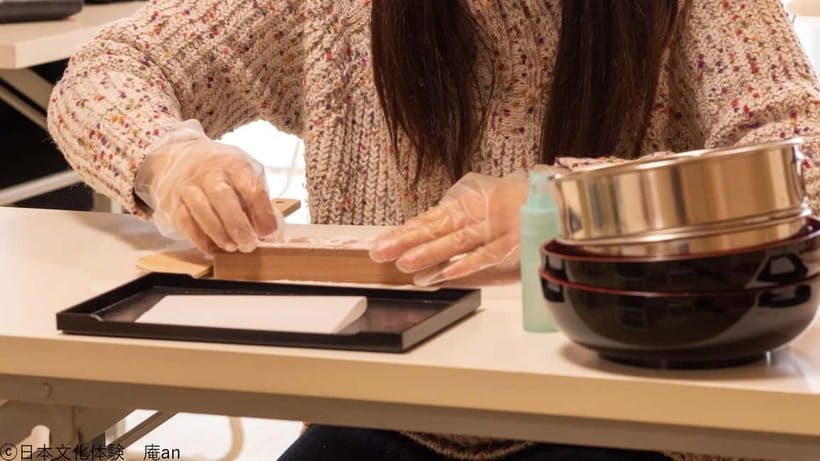
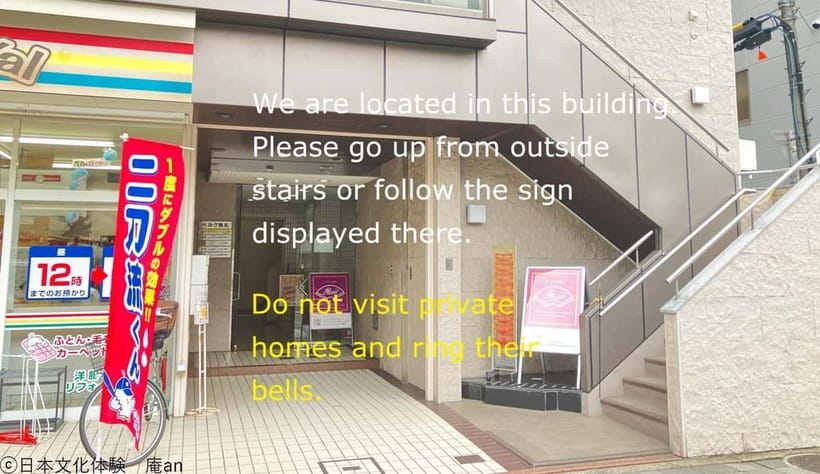
Meeting point is very practical: it’s about a one-minute walk from Exit 1 of Karasuma Line Gojo Station. The store entrance faces Gojo-dori, so once you’re above ground, you can usually orient quickly.
A small logistics reality: there’s no elevator, and you’ll need stairs to reach each venue. The tour is described as wheelchair accessible, but the building layout still includes stairs, so plan for that in advance.
You’ll also want to treat this like a workshop with a start time. The event won’t be held if you’re delayed, so give yourself buffer time—Kyoto streets are walkable, but routes can still surprise you on a first visit.
Price and value: why $28 for sweets + matcha can be a good deal
At $28 per person for about 125 minutes, this sits in the “you’re paying for guided technique” category. You’re not buying ingredients at home and hoping for the best—you’re paying for teaching, structured time, and quality inputs.
The cost feels more justified when you tally what you get:
- You make Ohigashi (dried-type sweet)
- You make two Nerikiri sweets (seasonal)
- You grind and then participate in a matcha tea ceremony experience
- You get time to eat and drink at the end, plus a picture time during the session
There are optional extras like adding color (200 JPY), a take-out box (100 JPY), and a completion certificate (300 JPY). Those aren’t required to enjoy the main craft. You can keep it simple and still walk away with the best parts.
If you’re deciding between multiple smaller tastings and one focused hands-on lesson, this is often the better use of your time because you leave with learned technique and an actual cup of tea, not just another snack.
What the atmosphere is like in real life
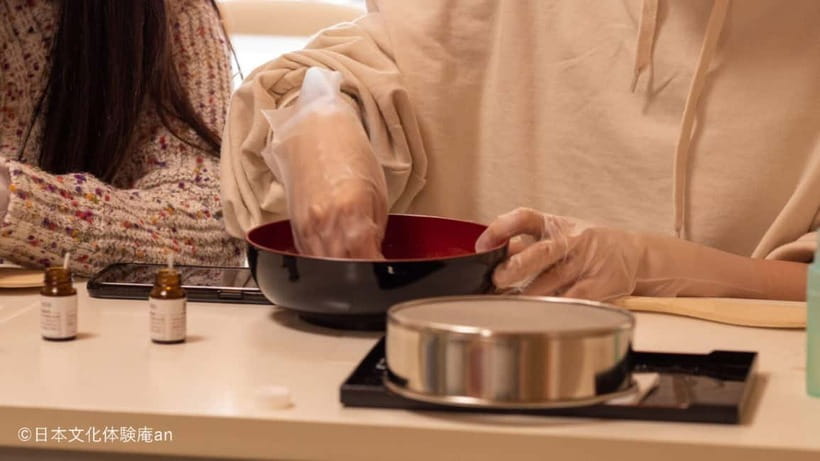
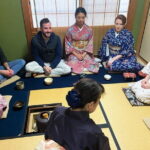
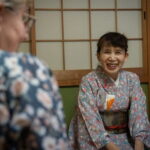
This workshop tends to land in a middle zone: cultural and friendly, but still structured. One review highlight called out a friendly, enthusiastic instructor with good English, and another noted the instructor’s translation support.
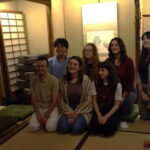
The potential drawback is volume. If the room is full, it can get noisy and feel less intimate. That’s not your fault, but it changes the experience. If you’re hoping for quiet, personal coaching, you might prefer picking a calmer time slot when you can.
Either way, I’d treat this as a “learn and make” experience, not a private performance.
Who should book this workshop, and who might want to skip
This is a great match if:
- You want hands-on Kyoto food culture, not just watching
- You like learning ingredient roles (Wasanbon sugar, bean paste, matcha)
- You’re a beginner and want an approachable tea introduction
- You want a compact activity that fits into a day with sightseeing
You might skip it if:
- You need a highly formal tea ceremony atmosphere
- You hate group settings and prefer one-on-one crafting
- You’re strongly sensitive to noise or crowds in small rooms
Should you book this Japanese sweets and matcha workshop?
Yes, if your goal is to understand Japanese sweets and tea by doing, not just by sampling. The blend of Ohigashi + two Nerikiri + grinding matcha in a single 125-minute block is an efficient way to get real technique, quality ingredients, and a satisfying food payoff.
If you’re the type who likes a quieter experience, go in with the right mindset. Treat it as a guided class with lively energy, and you’ll probably enjoy it more.
FAQ
FAQ
Where is the meeting point?
The meeting point is about a one-minute walk from Exit 1 of the Karasuma Line Gojo Station. The store entrance faces Gojo-dori.
How long is the experience?
The duration is listed as 125 minutes.
What Japanese sweets will I make?
You’ll make dried-type Ohigashi and two seasonal Nerikiri sweets.
Do I get to make matcha?
Yes. There’s a matcha grinding demonstration, and you’ll have the tea ceremony experience as part of the workshop.
Is there any additional cost during the session?
Optional add-ons include adding color for 200 JPY, a take-out box for 100 JPY, and a completion certificate for 300 JPY.
Is English translation available?
English translation is provided as much as possible. If you want to add it, you’re asked to contact the provider.
What is the price?
The price is listed as $28 per person.
Is it free to cancel?
Free cancellation is available up to 24 hours in advance for a full refund.