REVIEW · KYOTO
Kyoto: Tea Ceremony Ju-An at Jotokuji Temple
Book on GetYourGuide →Operated by Tea Ceremony Juan · Bookable on GetYourGuide
Matcha time beats Kyoto crowds. At Jotoku-ji Temple, the Ju-An ceremony slows everything down fast: you start with a temple stroll and purification, then sit in the Grand Tearoom to learn the real rhythm of drinking matcha.
I especially like two parts. The first is the lead-in temple moment, including time by the purification fountain and a chance to pause on the red benches. The second is that it is not just watch-and-clap; the tea master and English instructor walk you through each step, and you get to prepare and drink your own matcha.
One thing to plan for: the tearoom area has three steps, so it is not wheelchair-suitable. They can provide stools for people who are not comfortable sitting on the floor, but if stairs are an issue, you’ll want to rethink this option.
In This Review
- Key Highlights You’ll Care About
- Getting to Tea Ceremony Juan and the Jotoku-ji Entrance
- The Temple Walk: Gates, Benches, and the Purification Fountain
- Grand Tearoom Etiquette: Shoes Off and Seating Options
- Chanoyu Workshop Flow: How the Ceremony Actually Works in 70 Minutes
- The purification ritual
- Learning matcha at its best
- The “why” behind the gestures
- Matcha Tools, Your Questions, and the Calm Pace That Makes It Click
- The Value Play: What $29 Really Buys You
- Weather and Timing: When Kyoto Won’t Cooperate
- Who Should Book This Tea Ceremony at Ju-An?
- Should You Book This Kyoto Tea Ceremony at Jotoku-ji?
- FAQ
- How long is the Kyoto tea ceremony at Ju-An?
- Where is the meeting point?
- Is the tea ceremony in English?
- How big is the group?
- What’s included in the price?
- Is kimono included?
- Are meals included?
- What happens if it rains?
- Is the tearoom wheelchair accessible?
Key Highlights You’ll Care About
- Jotoku-ji Temple setting: enter through the main gates and enjoy architecture at a calm pace
- Purification ritual beforehand: a ritual step that gives real context before the tea begins
- Small group (up to 10): enough space for questions and personal guidance
- You make the matcha: step-by-step instruction, not a passive performance
- English guidance throughout: an instructor helps translate the why as well as the how
- Rain plan in place: you’re guided to wait under shelter or in the Grand Tearoom
Getting to Tea Ceremony Juan and the Jotoku-ji Entrance
This experience meets at Tea Ceremony Juan, 556, Gojo-sagaru, Tominokoji Dori, Shimogyo-Ku, Kyoto. From there, you go into the temple grounds and start with the kind of pace that feels more like a quiet morning than a checklist.
Once inside Jotoku-ji, you’re oriented right away. You enter through the main gates, walk past the entrance to the Grand Tearoom on your left, and a parish shop nearby, then gather at the red benches where your guide is waiting. It sounds simple, but this “meet, orient, then move as a group” flow keeps your head clear—especially if your Kyoto day is already busy.
Tip for you: keep your shoes and socks situation in mind. The tea room requires removing your shoes, so wear something easy to slip off and back on.
You can also read our reviews of more tours and experiences in Kyoto.
The Temple Walk: Gates, Benches, and the Purification Fountain
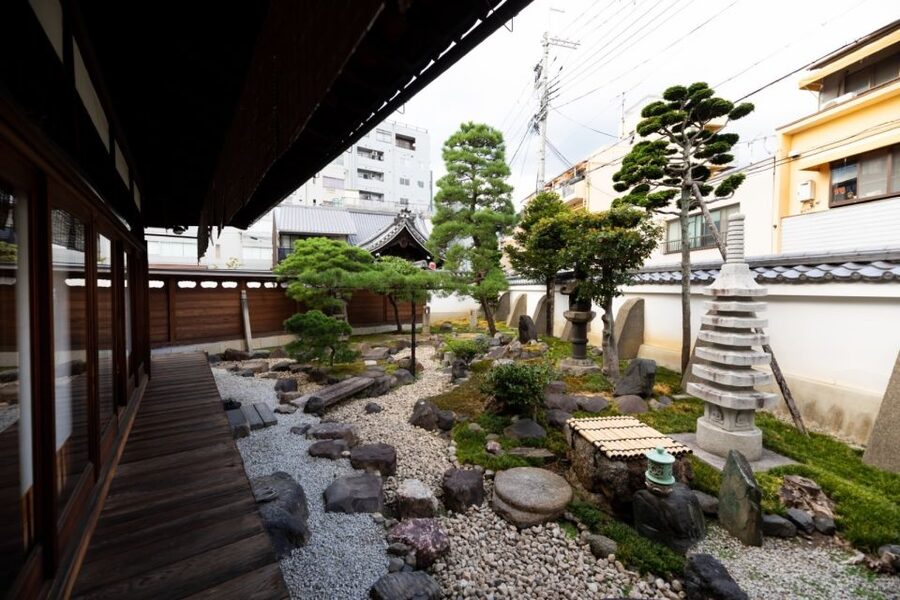
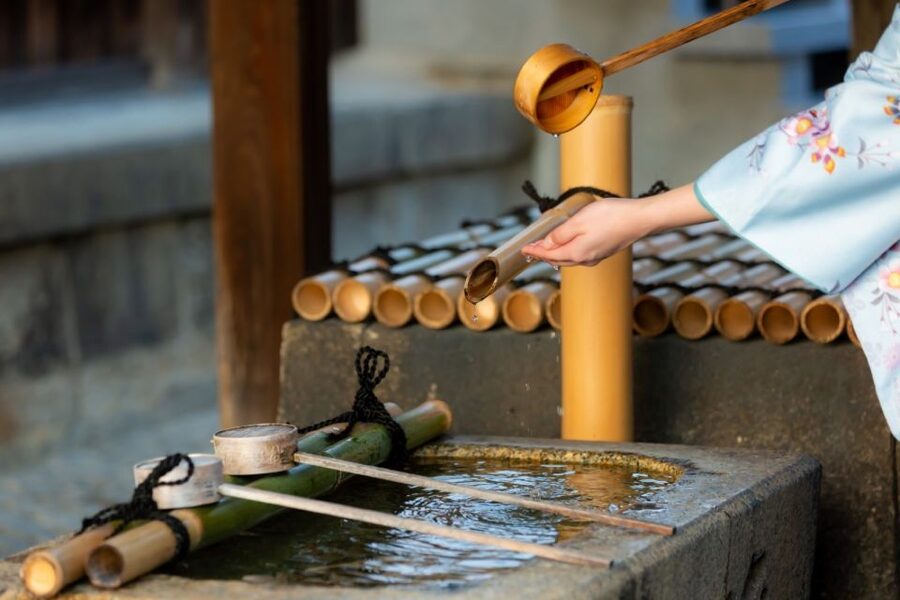
Before you ever touch the tea tools, you get temple time. You can admire the architecture as you walk, and you also have the chance to stand near the purification fountain. It’s not just a photo stop; it sets the tone for what comes next, because Chanoyu is about attention and mindset, not speed.
If weather cooperates, you can sit at the red benches for a short break. That pause matters more than you’d think. In a place where everything looks old and exact, you need a minute to slow your breathing and stop rushing your thinking.
If it rains, you’re not stranded. You can stand outside under the gable of the shop, or wait in the Grand Tearoom. The big win here is that the ceremony doesn’t feel fragile—your guide keeps you positioned so you can stay comfortable without killing the mood.
Grand Tearoom Etiquette: Shoes Off and Seating Options
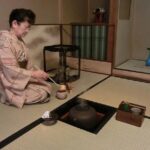
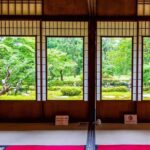
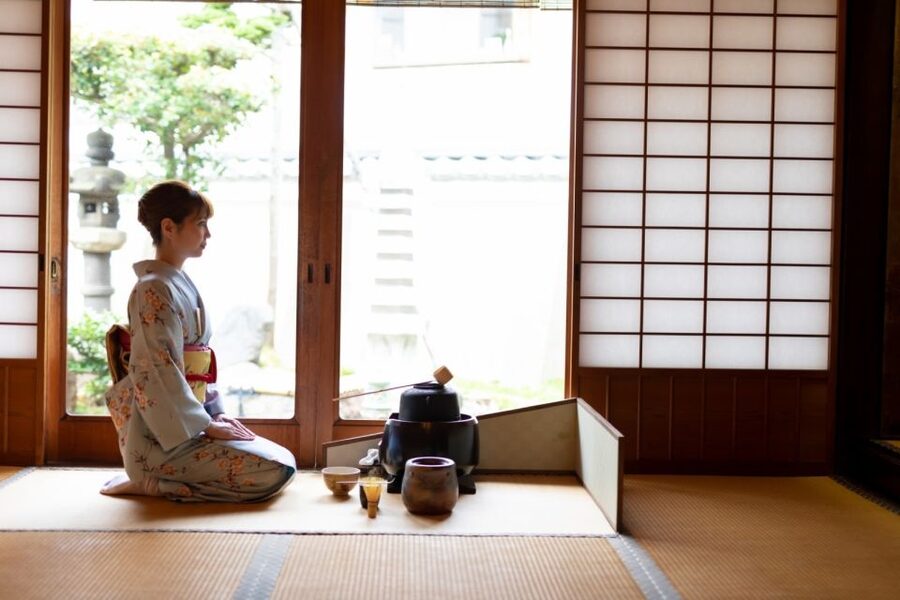
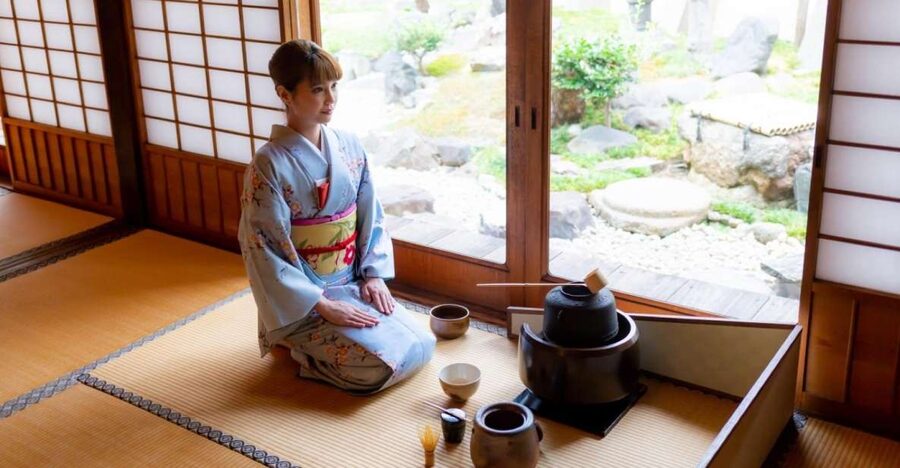
When you’re ready, you enter the Grand Tearoom where the instructor is waiting. At the entrance, you remove your shoes, and your group proceeds inside to your seats. This is one of those moments where you’ll appreciate having a calm group and clear direction.
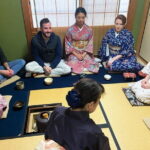
Seating is an important practical detail. The tearoom has three steps, and the experience is not suitable for wheelchair users. If you’re not comfortable sitting on the floor in the traditional position, stools and seats can be provided. That flexibility is a big deal for anyone who wants the ceremony but doesn’t want to win a floor-sitting challenge.
Also, don’t overthink posture. The aim is to stay respectful and still enough to follow the steps. The instructor and tea master guide the pace, so you won’t be thrown into a complicated routine without help.
Chanoyu Workshop Flow: How the Ceremony Actually Works in 70 Minutes
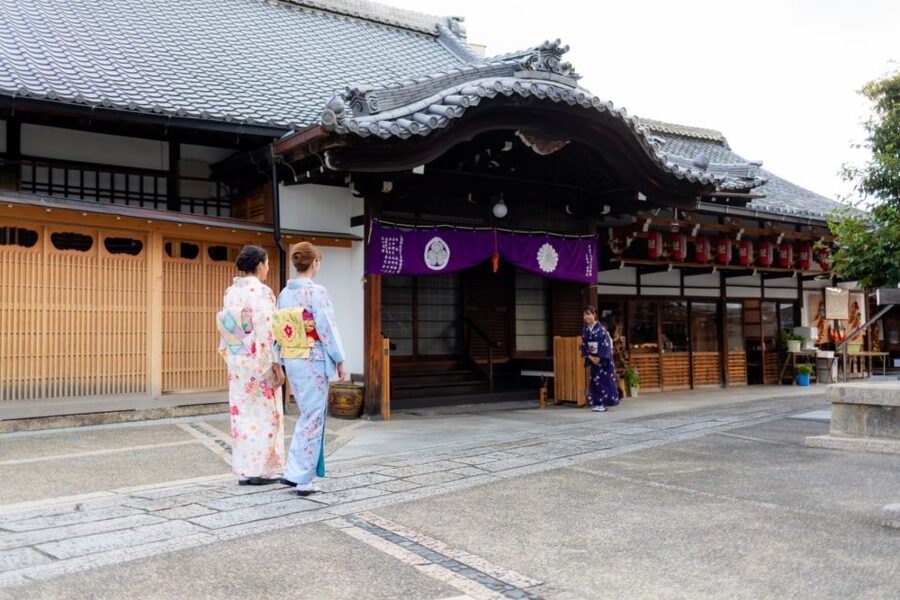
The whole experience is designed to fit into about 70 minutes, which is perfect if you want something meaningful but don’t want to lose half your day. The structure is clear: temple orientation, purification ritual, tea room etiquette, then the matcha workshop.
The purification ritual
You begin your tea ceremony with a traditional purification ritual. This is the step that many Western visitors find especially insightful, because it explains that tea isn’t only about taste—it’s a sequence of respect, preparation, and awareness.
Even if you don’t understand every cultural reference at first, you’ll feel how the order shapes the mood. By the time you start mixing matcha, you’re already in the right headspace.
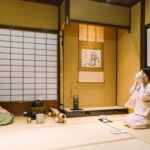
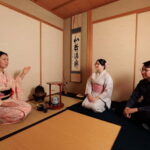
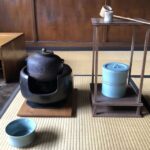
Learning matcha at its best
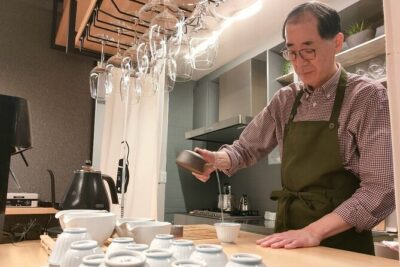
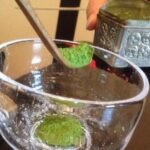
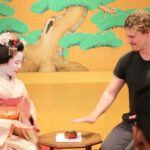
Next comes the main event: the tea master guides you through making and drinking matcha. You’ll see the tools and motions, learn what each step is doing, and understand why the ceremony treats matcha with care rather than convenience.
Then, it becomes hands-on. You get the chance to prepare your own tea under guidance, so you’re not just watching someone else do the work. This is one of the most repeated reasons people rate the experience so highly: you learn the steps in a real way.
The “why” behind the gestures
One of the subtle benefits is the focus on intention. You learn about the importance of the ceremony—what it’s meant to communicate through actions. This is also where having English support helps. For many sessions, English explanation is handled by the guide (names you may see include Kate and Yaki, and sometimes Taka), while the tea master leads the ritual itself.
That division works well: the tea master keeps the flow true to the tradition, and the instructor makes sure you understand what you’re seeing.
Matcha Tools, Your Questions, and the Calm Pace That Makes It Click
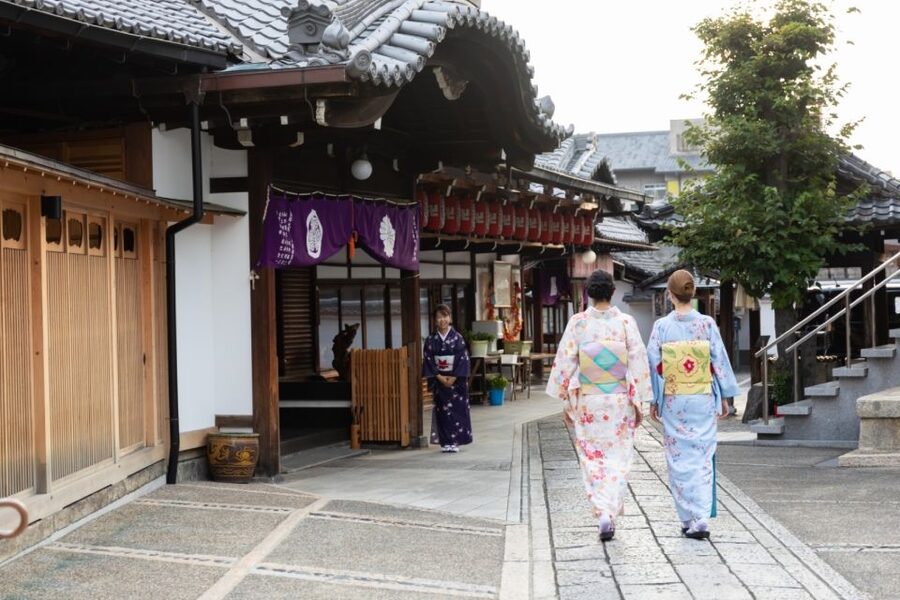
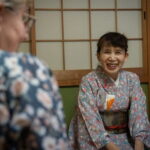
In theory, a tea ceremony could feel stiff or overly scripted. In practice, the small-group format keeps it human. With a limit of 10 participants, you’re close enough to see what’s happening, and the hosts can include questions without derailing the rhythm.
I like that the hosts take time with the details of matcha preparation. The common takeaway is that you leave knowing what each step is doing, not just that matcha happens to be green and foamy.
If you tend to get anxious about doing things “wrong,” this is a good choice. The guidance is patient, and the focus is on helping you participate respectfully. You’ll still get the cultural moment, but you won’t feel like you need to already be a tea expert.
One practical note: expect to sit and follow instructions for the full 70 minutes. If you’ve got super short attention spans that day, you may want to schedule something active later and keep this as your calm anchor.
The Value Play: What $29 Really Buys You
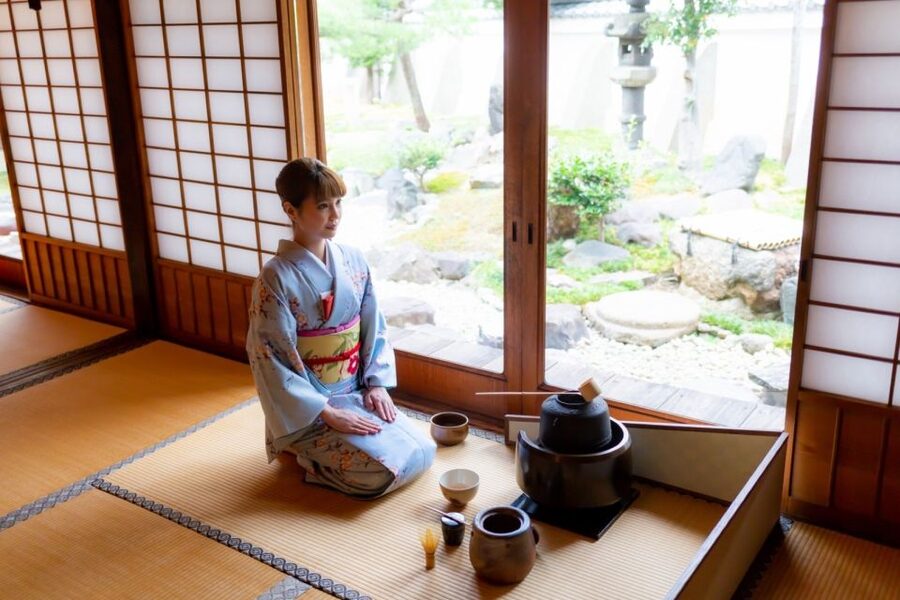
At $29 per person, this sits in the midrange for Kyoto “experience” pricing, but it’s not just paying for pretty scenery. You’re paying for three concrete things:
- A guided temple intro that sets context (not just a quick drop-off)
- A Chanoyu workshop format where you learn and participate
- English instruction plus a small-group setup for real questions
The time length is also part of the value equation. A 70-minute ceremony is long enough to cover preparation steps and let you settle in, but short enough to fit into a normal Kyoto day.
What is not included matters too. Meals are not included, so don’t assume you’re getting a full snack break afterward. Kimono is not included either, but it can be rented separately. If you want the photos, rent only if you feel comfortable in it—otherwise, wear something you can sit in easily.
Weather and Timing: When Kyoto Won’t Cooperate
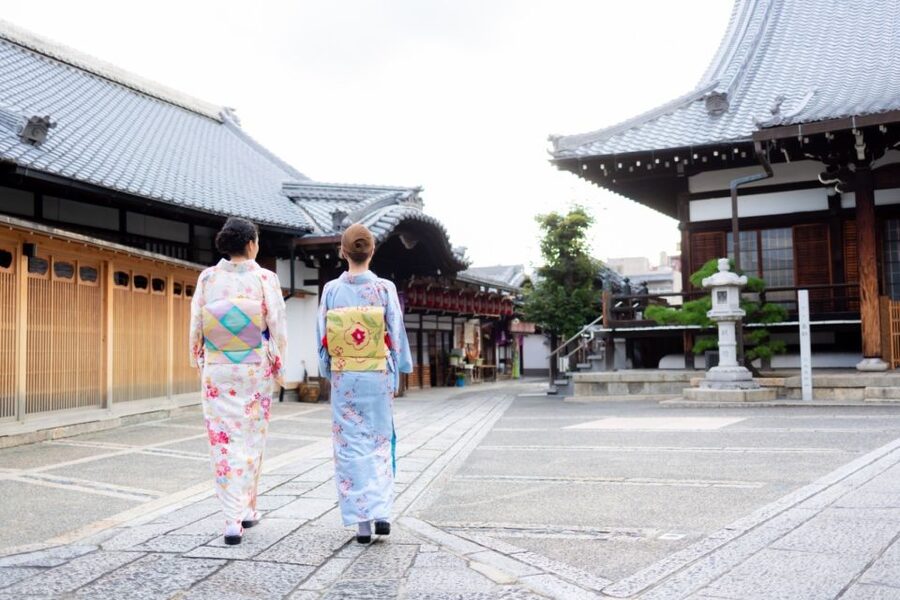
Kyoto weather can be unpredictable, and this ceremony has a simple contingency plan. If it rains, you can shelter outside under the gable of the shop or wait in the Grand Tearoom until you’re guided in.
This matters because the tea ceremony itself depends on calm timing. A good host keeps the group moving even when the sky misbehaves. Here, the schedule stays intact because you’re not left to figure out what to do next.
As for timing, you’ll want to arrive on time at the meeting point so you can join the group before it gathers at the red benches. Since the tearoom has a set entry flow and you’ll remove shoes, arriving late can make your start stressful.
Who Should Book This Tea Ceremony at Ju-An?
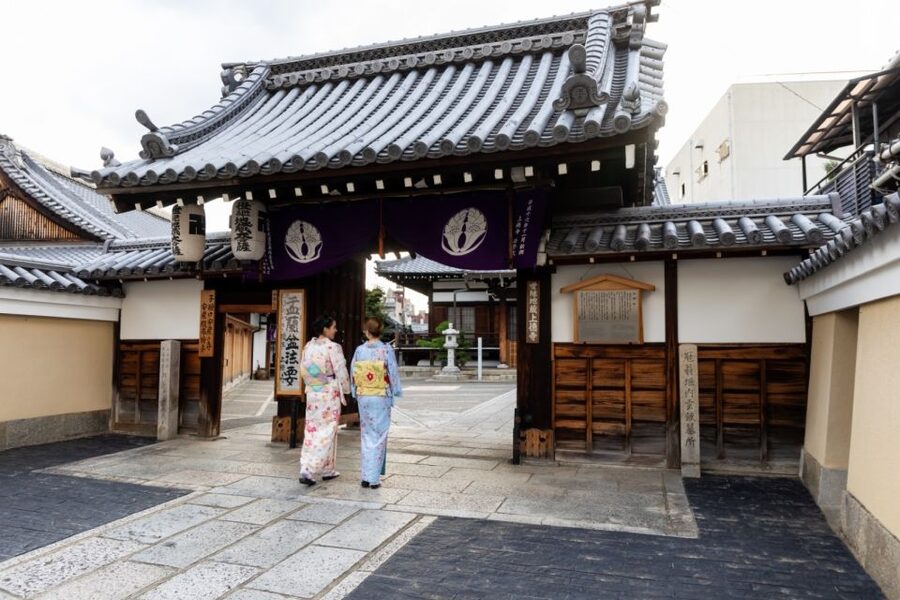
This is a smart pick if you want a break from Kyoto’s high-energy sightseeing and you like traditions that explain themselves through hands-on participation. I think it’s especially good for:
- First-timers to Japanese tea culture
- People who want English guidance through the steps and meaning
- Travelers who appreciate structure and calm rather than chaotic free time
- Anyone who can sit with the help of stools, even if floor seating is uncomfortable
It’s less suitable if wheelchair access is required, since the tearoom itself has steps. If you can handle the seating setup, even with stools, you should be fine.
Also, if your Kyoto day includes big temples and long lines, this offers a different kind of meaning: quieter, smaller, and focused on one craft.
Should You Book This Kyoto Tea Ceremony at Jotoku-ji?
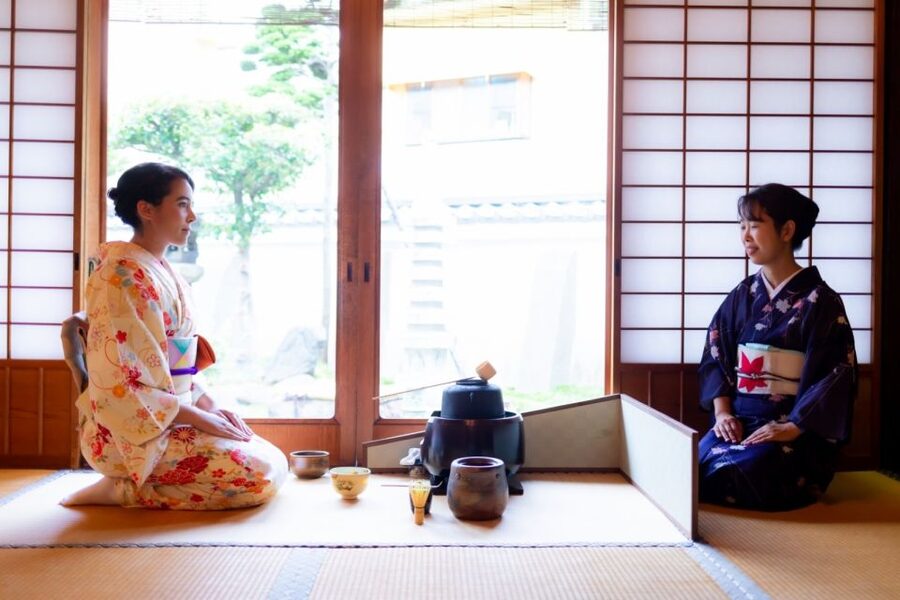
I’d book it if you want real participation in matcha making, not just a watch-through. The combination of temple context, purification ritual, English instruction, and a small group capped at 10 creates a format that feels both respectful and practical.
Skip it (or plan carefully) if stairs or floor seating are major issues for you, since the tearoom is not wheelchair accessible. And if you’re hunting for a bargain food stop, this isn’t that kind of activity—this is about learning a ritual and tasting matcha as part of the experience.
If you want one Kyoto moment that genuinely slows your pace, this is a strong bet.
FAQ
How long is the Kyoto tea ceremony at Ju-An?
The duration is about 70 minutes.
Where is the meeting point?
The meeting point is Tea Ceremony Juan, 556, Gojo-sagaru, Tominokoji Dori, Shimogyo-Ku, Kyoto. From inside the temple, you face the Main Hall and access the tea room via steps on the left.
Is the tea ceremony in English?
Yes. The instructor is English.
How big is the group?
It is a small group limited to 10 participants.
What’s included in the price?
The tour guide and the Chanoyu workshop ceremony are included.
Is kimono included?
Kimono is not included, but it can be rented separately.
Are meals included?
No. Meals are not included.
What happens if it rains?
If it rains, you can stand outside under the gable of the shop or wait in the Grand Tearoom until you are guided inside.
Is the tearoom wheelchair accessible?
The temple is wheelchair accessible, but the tearoom is not because there are three steps. Seats and stools can be provided for people who are not comfortable sitting on the floor in the traditional position.