Kyoto has crowds. This tour trades them for quiet tea-country views and a smooth, private ride out past the city. You’ll see the iconic Byodoin Phoenix Hall and then head into Wazuka and the surrounding hills for matcha tastings, photo stops, and that famous feeling of green everywhere.
I especially like two things: first, the scenery is seriously photogenic in any season, with those manicured, geometric tea fields often described as reaching toward the sky. Second, the tea experience is practical, not just sightseeing—at a local Wazuka-cha café you can taste high-quality green tea and matcha and then shop for premium tea at lower prices than in the city.
One possible drawback: two major temple entries (Byodo-in and Shoju-in) are not included, and you’ll want to budget extra yen. Also, there are short walks and stairs, so plan for comfortable shoes.
In This Review
- Key highlights worth your afternoon
- Why Wazuka tea country feels like its own world
- Byodoin Phoenix Hall: Pure Land paradise on a Kyoto afternoon
- Wazuka-cha café: matching the view with a real matcha taste
- Ishitera tea plantation: the green rows you’ll want to photograph twice
- Ujitawara-cho: where matcha’s story ties to the ground
- Shoju-in: the love-heart window, plus tea-culture stories in the forest
- The private ride: van comfort and an open-air Mini Cooper option
- Price and value: what $250.38 per group really buys
- Timing, walking, and how to make the day feel easy
- Seasonal course changes: when your tour day might shift
- Should you book this private Kyoto tea-country tour?
- FAQ
- How long is the Scenic Green Tea Fields of Hidden Kyoto tour?
- Where does the tour start, and is pickup included?
- Is this a private tour?
- Are entrance fees included for the temples?
- What’s included in the price besides the guide?
- Do I need to plan for walking or stairs?
Key highlights worth your afternoon
- Byodoin Phoenix Hall: the 10-yen coin landmark, tied to the Pure Land idea of paradise
- Wazuka-cha café matcha: local-grown tea tasting plus rich matcha desserts
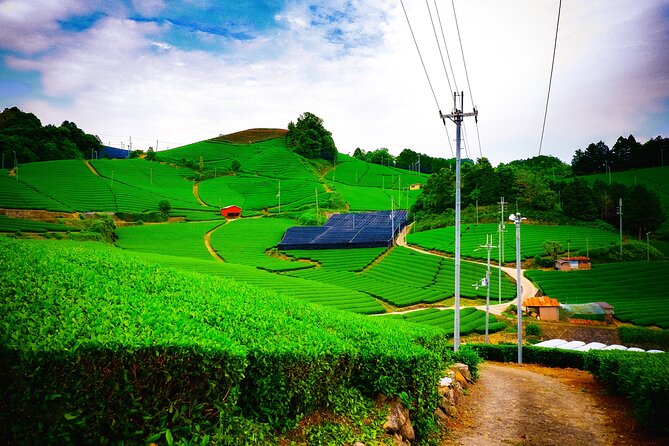
- Ishitera tea plantation views: the classic tall, green “to the sky” rows for photos
- Ujitawara-cho tea fields: a famous production area where green tea and matcha were invented
- Shoju-in’s love-heart window: a memorable tea-room detail in the countryside
- Private pickup and ride style: air-conditioned van for groups, or an open-air Mini Cooper for solo riders
Why Wazuka tea country feels like its own world
The best part of this tour is how quickly the mood shifts. You start in Kyoto with a temple that’s easy to recognize from Japanese pop culture and coins, then you’re soon riding through countryside that feels calmer, greener, and more lived-in.
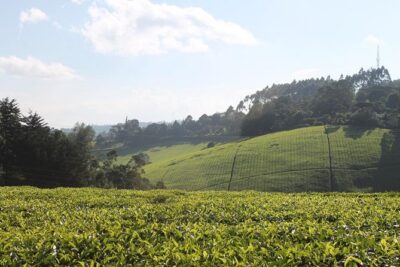
The tea fields are the star. These aren’t random patches of greenery—you’re going to places known for carefully planted rows and big sightlines. The tour also leans into year-round appeal, including winter views that still look sharp and graphic in photos. That matters because a lot of Kyoto “scenery tours” turn into blurry hedges in off-seasons, but tea fields tend to keep their structure.
And it’s not only about photos. You’re also learning how tea culture grew in this part of Japan—stories connect monks, samurai, and even ninja-era training settings to the everyday craft of growing, processing, and enjoying tea.
You can also read our reviews of more tours and experiences in Kyoto.
Byodoin Phoenix Hall: Pure Land paradise on a Kyoto afternoon
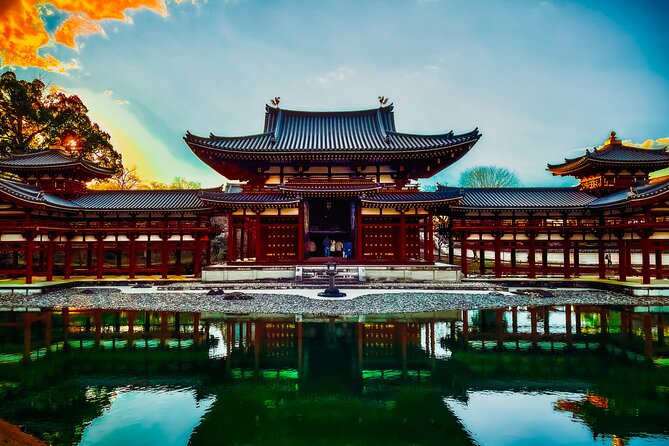
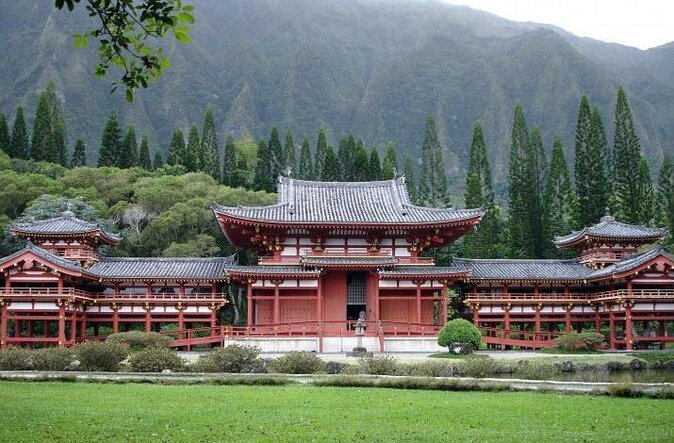
Your day begins at Byodai-in (often seen as Byodo-in) and specifically the Phoenix Hall—the dramatic hall that shows up on the Japanese 10-yen coin. It’s one of those places where the visuals do half the explaining: the architecture is meant to represent the Pure Land idea, literally the Buddhist heaven on Earth.
You’ll spend about two hours here, which is enough time to slow down. Don’t just rush for the postcard angle. Take a moment to look at how the building layout supports the overall sense of calm and symmetry—part of why it became such an icon.
Plan your budget too. Temple entry for Byodai-in is 600 yen per person, and it’s not included in the tour price. If you’re traveling with limited cash, this is the moment to stop worrying and just get it settled.
Wazuka-cha café: matching the view with a real matcha taste
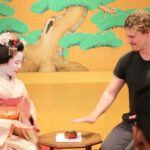
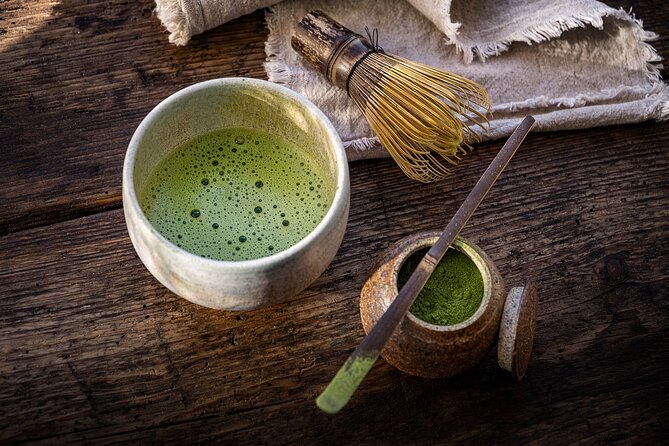
After the temple, the tour pivots to something more hands-on: tea. At the Wazuka-cha café, you get a tasting focus on local green tea and matcha.
This is where the experience stops being just scenic. The goal is to help you taste the difference between tea that’s grown and processed in the right conditions and tea that’s been handled more heavily or marketed more broadly. The tour information emphasizes that Wazuka tea is considered purer and more authentic than the already-famous Uji area.
You’ll also have a chance to try matcha desserts—this is a big one if you think of matcha as only a drink. Matcha sweets let you experience the flavor profile in a more rounded way: creamy, earthy, and deep rather than just grassy.
One practical note: tea or coffee you order for yourself may not be included. The tour specifically flags that extra coffee/tea fees are on you. That’s not a dealbreaker—it just means you should treat the café as both a tasting stop and a choose-your-own-spending moment.
Ishitera tea plantation: the green rows you’ll want to photograph twice

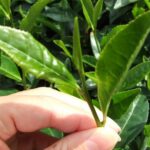
Next you’ll get a short walk-and-stand kind of stop at Ishitera Tea Plantation, where the views are the point. Expect that classic look of tall green rows and big sightlines—often described as the fields rising toward the sky.
This is a 30-minute stop, which is actually ideal. Tea fields look better when you’re not dragging yourself from one spot to another all day. You can take your photos, look for the best angles, and still have energy left for the next countryside areas.
A small travel tip: go with one simple “photo plan.” Pick a single direction for your main shots and then reposition a couple times as the light changes. With structured fields like these, small shifts make big differences in how straight and graphic the rows look.
Ujitawara-cho: where matcha’s story ties to the ground
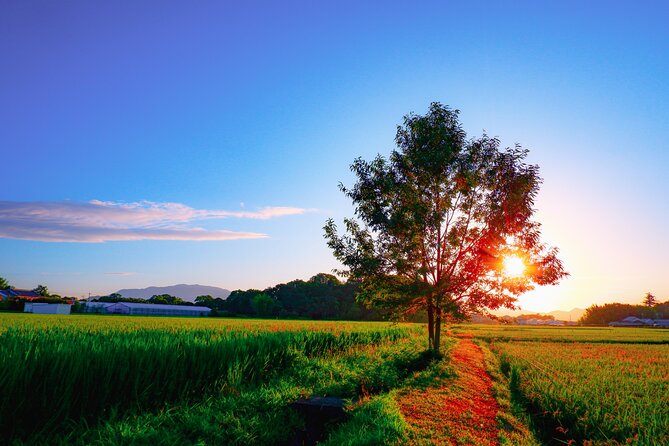
From Ishitera, you head to Ujitawara-cho, one of Japan’s famous tea production areas. The tour information frames this stop as a place where green tea and matcha were invented, which gives the landscape a deeper reason to be here beyond aesthetics.
You’ll spend about 30 minutes, including time at a beautiful tea field where you can walk in one farm and get a magical photo. That walk is the real value: it’s one thing to see tea fields from a road; it’s another to get into the scene.
And because you’re here for photos and a sense of place, the timing matters. If it’s cloudy or gray, the structured rows still photograph well. If it’s sunny, you’ll get those crisp contrasts that make “reaching to the sky” pictures happen.

Shoju-in: the love-heart window, plus tea-culture stories in the forest
The last major cultural stop is Shoju-in, a countryside temple area that takes about an hour drive from downtown Kyoto. That longer ride is exactly what makes this stop feel special: you’re trading convenience for quieter atmosphere.
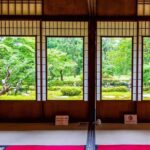
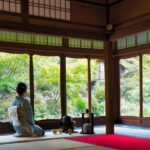
Shoju-in is known for a distinctive detail: the love-heart window in the tea room. This is the kind of spot that’s easy to remember because it’s specific, not generic. It’s also a great pause before the ride back—some temples are huge and exhausting; this one feels like a calm, contained experience.
Temple entry for Shoju-in is 1,000 yen per person, not included. So yes, you’ll spend a bit more than the base tour price, but you’re paying for access to a place that people don’t usually stumble upon.
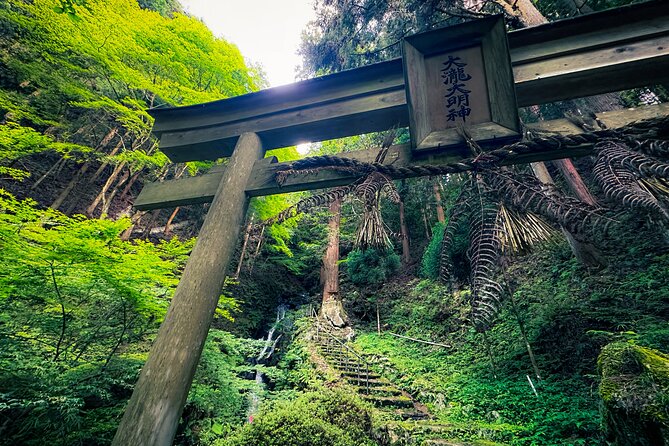
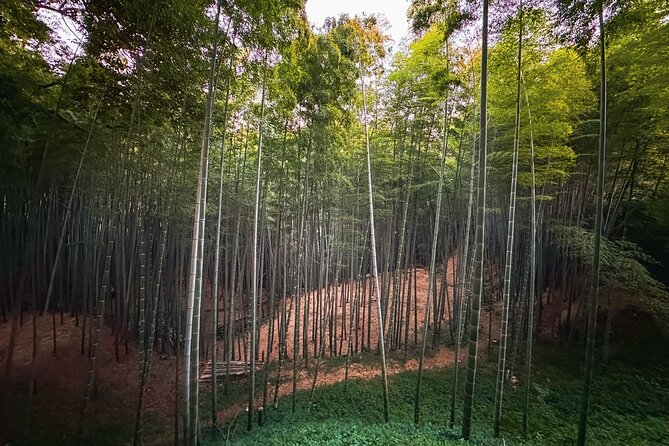
This stop also connects to tea-culture storytelling that goes beyond monks in scrolls. The tour info talks about how tea culture was shaped by monks and samurai, and reviews add the extra layer of ninja-style history tied to a forest shrine setting. If you enjoy history that feels slightly cinematic, this is one part of the day that can land well.
The private ride: van comfort and an open-air Mini Cooper option
Transportation is where private tours can either feel worth it—or feel like extra cost with no payoff. Here, it works because the countryside is simply hard to reach well with basic bus schedules.
You get a pinpoint pickup and drop-off, and the service can be adjusted with different start and goal points. The vehicle choice matters too:
- For groups (up to 6), you’ll ride in an air-conditioned Nissan van
- For solo travelers (1 person), there’s an open-air Mini Cooper convertible option
Fuel and highway fees are included. That’s a real value item because it removes the usual “taxi math” anxiety.
Also: this kind of ride is part of the experience. You’re going to see mountain roads and tree-lined stretches on the way to the tea areas. One review highlights tall red cedar views heading toward Uji, and even if you don’t get the exact same road light, the overall feel stays similar—more Japan-in-motion than Japan-in-a-still-image.
Price and value: what $250.38 per group really buys
The price is $250.38 per group for up to 6 people, with about 5 hours 30 minutes total time starting at 1:00 pm.
The most important value point is that the tour price covers the private transportation, guide time, and the ride costs (fuel/highway). The extra spending is mainly temple admission (Byodo-in and Shoju-in) plus any optional café purchases.
Let’s do simple logic with the facts you have:
- If you’re a solo traveler, you’re paying for the convenience of getting to tea-country locations with a private, driver-led schedule—plus a fun convertible option.
- If you’re traveling with friends, the per-person cost drops quickly because the price is per group, not per seat.
- Tea shopping is also part of the value story. The tour information says you can buy premium tea for about half to one-third of city prices. That doesn’t mean you should buy, but it explains why the tour isn’t just “a tasting”—it’s a marketplace-style stop where you might actually go home with a good deal.
If you’re trying to keep spend under control, you can treat tea buying as optional and still get a lot from the sights and the tastings.
Timing, walking, and how to make the day feel easy
This is a mid-afternoon to evening-feeling block (starts at 1 pm, runs about 5.5 hours). That means you’re not fighting the morning rush crowds in Kyoto, and you’re also not ending the day too late.
You should also expect some physical effort:
- there’s short distance walking and stairs
- most people can participate, but comfortable footwear matters
Bring a light layer if you’re going in cooler months. Tea-country air can feel different from central Kyoto, especially once you’re up among the hills.
For photos, consider bringing:
- a small cloth or lens wipe (tea fields can mean mist or damp leaves depending on season)
- water and a snack if you’re prone to getting hungry between temple and café
Seasonal course changes: when your tour day might shift
The tour notes that the itinerary may change due to closures, road conditions, crowd levels, or other surprises. That’s common in Kyoto, and it’s not automatically bad—what matters is that a good guide can swap timing so you still get the tea fields and the main cultural stops.
There’s also mention of special seasonal courses at times, like cherry blossoms, plum blossoms, or autumn leaves. So if you’re visiting in a high-peak season, the “plan” may get a seasonal upgrade rather than a strict script.
Should you book this private Kyoto tea-country tour?
Book it if you want a private day that mixes a signature Kyoto landmark with real countryside tea culture. This is the right fit when you care about:
- structured photo spots in tea fields that look good year-round
- tasting and learning how matcha connects to the place
- skipping the hassle of getting to rural locations on your own
Skip it if you hate temple entry fees or you want a purely walking-light tour with no stairs at all. Also, if your main goal is only Kyoto’s city highlights, this is intentionally not a city tour—it’s a countryside day.
FAQ
How long is the Scenic Green Tea Fields of Hidden Kyoto tour?
The tour runs about 5 hours 30 minutes.
Where does the tour start, and is pickup included?
Pickup is offered, with pinpoint pickup and drop-off. The start time is 1:00 pm.
Is this a private tour?
Yes. It’s a private tour/activity, and only your group participates.
Are entrance fees included for the temples?
No. Shoju-in costs ¥1,000 per person, and Byodo-in costs ¥600 per person. These are not included.
What’s included in the price besides the guide?
The price includes the air-conditioned Nissan van for 2–6 people (or Mini Cooper convertible for 1 person), plus fuel and highway fees, and the transportation with pickup/drop-off. Mobile ticket is also mentioned.
Do I need to plan for walking or stairs?
Yes. The tour notes short distance walking and stairs are needed, though most travelers can participate.