Tea, temples, and zero map stress. In about 3 hours 30 minutes, you stitch together Kyoto’s tea culture and quiet temple moments, starting right in Gion and ending with a matcha ceremony in a real tea house. What I like most is how this is set up for stress-free wandering: a guide takes you from stop to stop so you can focus on what you’re seeing, not where you’re going. I also really appreciate the format—small group size (up to 7) gives you room to ask questions without yelling across a crowd.
One thing to keep in mind: the quality of the English narration can vary. There’s at least one report of a guide speaking softly enough that the explanation was hard to follow, so if clear spoken detail is your top priority, plan to be patient and ready to ask questions when you’re unsure.
In This Review
- Key things to love about The Way of Tea
- Why this Kyoto tea-temple combo fits first-timers
- Starting point in Gion Shijo: find the orange sign fast
- Stop 1 in Gion: matcha history and a proper stroll
- Kennin-ji Temple: where centuries of practice show up in details
- Craft shops and Kyoto craft stops: ceramics you can actually picture
- Hidden temple and garden moment: wabi-sabi starts to feel practical
- Tea Ceremony Chayu: matcha, a tea master, and the wabi-sabi lesson
- Photos and small-group support: why included moments matter
- What you should pack and expect for comfort
- Price and value: is $94.45 worth it?
- Who should book this tour (and who might not)
- Should you book The Way of Tea?
- FAQ
- How long is the tour?
- Where do I meet the guide?
- What’s included in the price?
- Do I need to pay for temple tickets?
- Where does the tour end?
- How large is the group?
- Can children join the tea ceremony?
Key things to love about The Way of Tea
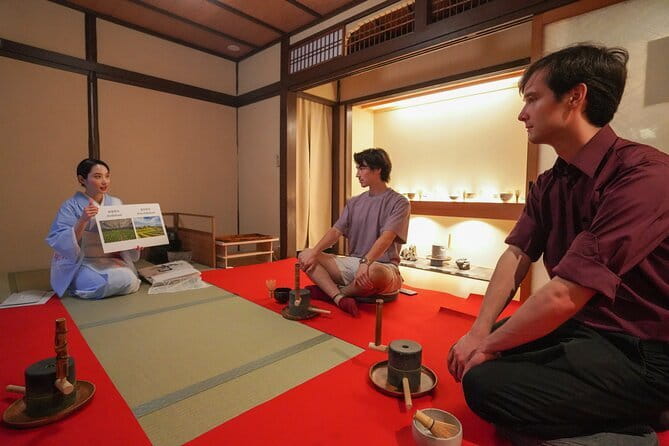
- Up to 7 people means the guide can actually respond to questions
- Temple admission included for two temple stops, so you don’t have to figure ticket timing
- A matcha tea ceremony at the end with instruction from a tea master
- Wabi-sabi teaching through walking—the message follows you into the tea moment
- Craft and ceramics focus, including a stop centered on raku tea bowls
- Photos included, which is great when you’re busy listening and walking
Why this Kyoto tea-temple combo fits first-timers
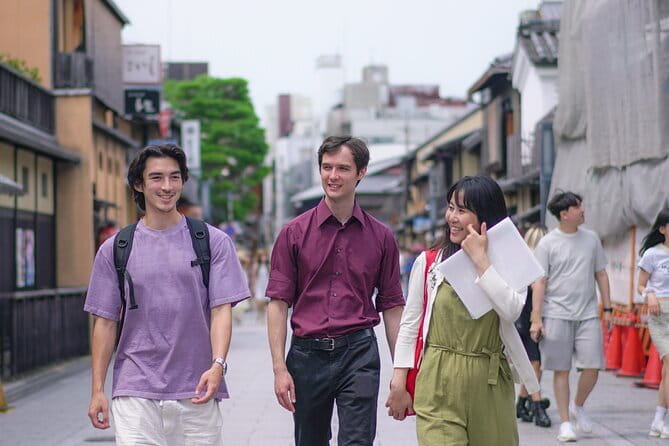
Kyoto has a lot of beauty packed into a small area, which is a blessing and a problem. You can end up spending more time reading maps than noticing details like the texture of stone steps or the way light sits on a courtyard wall. This tour is designed to fix that. You’re guided across the “tea + temple” story line, so you get continuity instead of random stops.
The value is in the pairing. You’re not just watching a temple from the outside, and you’re not just visiting shops to browse. You learn about tea—its history and how it’s made—then you step into a temple environment where those ideas start to make practical sense. By the time you sit down for the ceremony at the end, you’re not starting from zero. You’re carrying the wabi-sabi mindset with you.
Timing also helps. With a total duration of roughly 3.5 hours, you get enough walking and instruction to feel like you did something meaningful, but you’re not stuck all day. That matters if you’ve got the rest of Kyoto to cover.
And yes, the rating is strong—4.9 with 98% recommended—which usually points to a smooth flow, good guide support, and an experience that lands the basic promise: tea, craft, and temples.
You can also read our reviews of more tours and experiences in Kyoto.
Starting point in Gion Shijo: find the orange sign fast
Your morning (or afternoon) begins at a very specific spot: in front of the Statue of Izumo-no-Okuni, outside Exit 5 of Gion Shijo Station on the Keihan Line. The guide is easy to spot—holding an orange signboard that reads Magical Trip Tour.
This small detail is more important than it sounds. Kyoto station exits can be confusing, and you don’t want to waste the first 20 minutes doing detective work. If you’re the sort of traveler who likes being early, arrive a little ahead so you’re not stressed when the group assembles.
Plan to be on time. The tour notes that you need to start with the group; if you’re late and miss the group, you won’t be able to join, and you can’t count on a refund or reschedule. That’s normal for small-group walking tours, but it’s still worth saying out loud.
Also, you’ll have a mobile ticket. That cuts down on hassle, especially on a day when you’re also figuring out cash, transit, and where to stash water.
Stop 1 in Gion: matcha history and a proper stroll
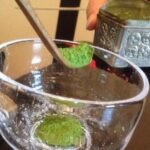
The first stop is in Gion, with a focus on Japanese tea—its history and how it’s made. Then you walk through the historical district atmosphere and visit a matcha shop.
What makes this work is that you’re not only looking at products. You’re learning the basic tea story so the shop stop feels like part of the lesson, not a random sales stop. Even if you’re not buying anything, you can use the explanation as a lens. You’ll notice things like how matcha is discussed, what people ask for, and how tea fits into everyday ritual.
This is also a good place to get your bearings. You’re starting your Kyoto “tea-temple” theme in a neighborhood known for traditional streets and refined culture. It’s a natural warm-up before Kennin-ji, and it helps you move from street energy into quieter spiritual spaces.
Practical note: this stop is about 30 minutes. It’s long enough to ask questions, short enough that you don’t feel trapped in one place. Wear shoes you can walk in comfortably—Kyoto sidewalks and temple approaches can be uneven.
Kennin-ji Temple: where centuries of practice show up in details
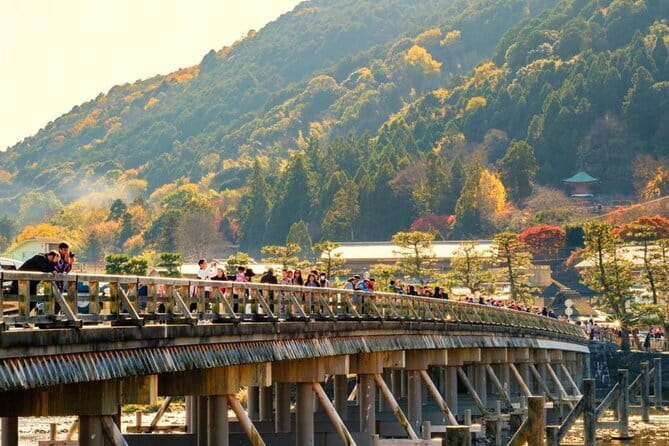
After Gion, you head to Kennin-ji Temple. You’ll spend around 30 minutes here, and temple admission is included, so you don’t have to manage ticket lines or add extra steps.
The key thing with Kennin-ji is how it feels lived-in. Even if you’ve seen plenty of temples in Kyoto, this one tends to land differently because it’s framed by your morning context: you just learned about tea, now you’re stepping into a place where calm and ritual matter.
You’re not meant to rush through. Your guide’s job is to point out what’s worth looking at—details you might otherwise skim past. Expect a slower pace: space to look, listen, and understand the temple as more than a photo background.
A small caution: temples can be crowded at peak times. This is a small group, which helps, but you’ll still want to keep a respectful pace and follow the guide’s lead when people funnel through tight areas.
Craft shops and Kyoto craft stops: ceramics you can actually picture
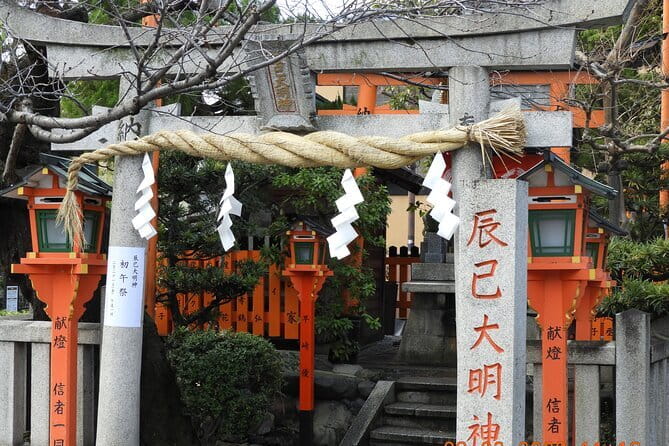
Next comes a pair of stops labeled as Kyoto Prefecture craft areas. One is focused on craft shops, about 30 minutes. Another shifts to a more specific maker-and-tool vibe through a hidden temple garden setting and a tea bowl shop.
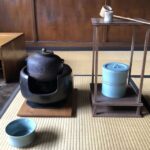
Why does this matter for a tea tour? Because tea in Japan isn’t only about flavor. It’s about objects and attention: bowls, lids, scoops, and the way ceramics change with age and use. When you see the craft side while you’re already thinking about tea, the ceremony at the end won’t feel like a separate event.
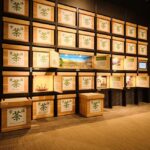
During the craft shop time, you’ll likely browse with a guide’s explanations in your ear. If you’re the kind of traveler who loves bringing home something small but meaningful, this is where you’ll start seeing why people care about materials and form—not just souvenirs.
If you’re worried about getting pressured to buy, that’s a fair question to ask yourself. The tour’s format includes multiple education-style stops and ends with a ceremony, which suggests the focus is on understanding and participation rather than only shopping. Still, you can always look first and decide later.
Hidden temple and garden moment: wabi-sabi starts to feel practical
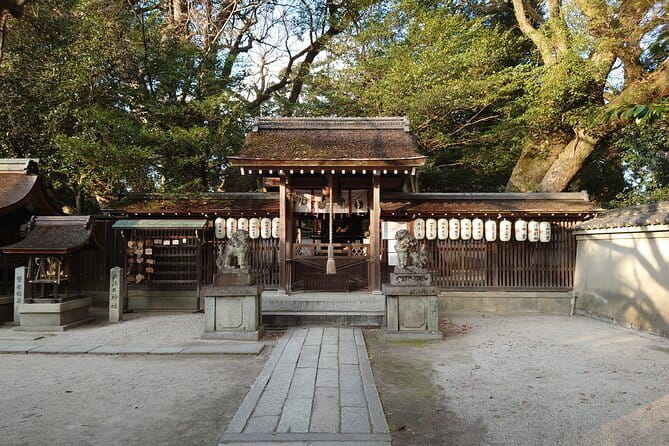
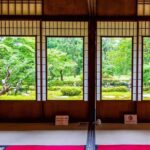
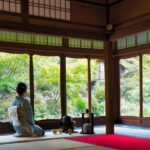
One of the most memorable parts of Kyoto experiences is when you get a slower pause inside an in-between space: a garden corner, a quieter path, the kind of view that makes you lower your voice without trying. This tour builds that pause through a hidden temple & garden stop.
Then you move to the ceramics angle with a tea bowl shop, where the raku teacup takes center stage. Raku tea bowls have a reputation for individuality—each cup carries a personality, not a factory uniform look. Your guide shares how each cup has its own character, history, and meaning.
This is where the wabi-sabi theme starts to connect. Wabi-sabi is often described in words like simplicity and imperfection, but you usually only understand it when you see it as design and material: a glaze with variation, a shape with character, a bowl that looks used-in rather than sealed-perfect.
You’ll spend about 30 minutes here, which is enough time to look closely without turning it into a sales marathon. If you’re short on patience for shopping areas, this section is still worth it because it ties directly into what you’ll handle later in the ceremony setting—at least in concept, if not literally the same cup.
Tea Ceremony Chayu: matcha, a tea master, and the wabi-sabi lesson
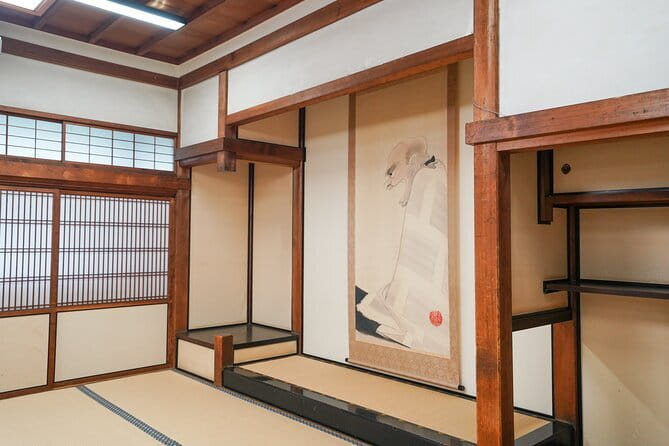
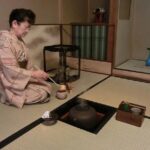
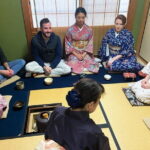
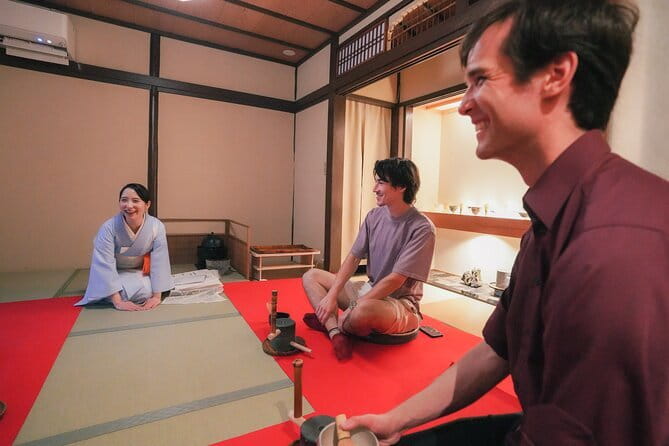
The finale is at Tea Ceremony Chayu, and the time is set aside generously—about 1 hour.
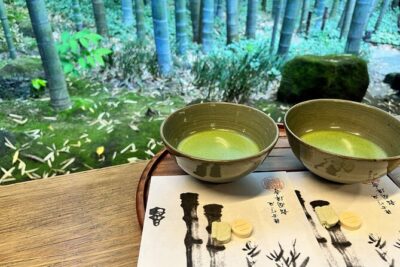
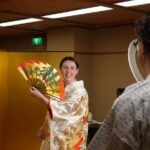
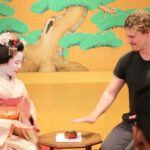
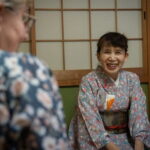
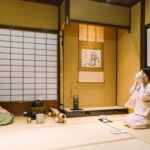
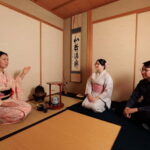
You’re doing a hands-on tea-making experience in a real tea house, and you’ll get instruction from a tea master. You’ll drink matcha (green tea) as part of the ceremony. And here’s the smart part: your guide links the experience back to what you learned while walking—specifically the wabi-sabi mindset.
This structure is what keeps the ceremony from feeling tourist-y. Instead of sitting down and being told to watch for ten minutes, you’re guided to understand why the ceremony unfolds the way it does. It’s less about performance and more about attention: how you hold things, how you receive the bowl, and what you notice once you slow down.
Also, since you’re walking into this from earlier stops—Gion tea culture, Kennin-ji, craft shops, ceramics, and the garden lesson—you have a built-in narrative. Your brain likes that. It makes the tea moment stick.
One more practical note: the ceremony has an age rule. The tour states it can only accommodate participants who are 6 years old or older. You can bring children under 6, but an adult needs to accompany them outside the facility during the experience.
Photos and small-group support: why included moments matter
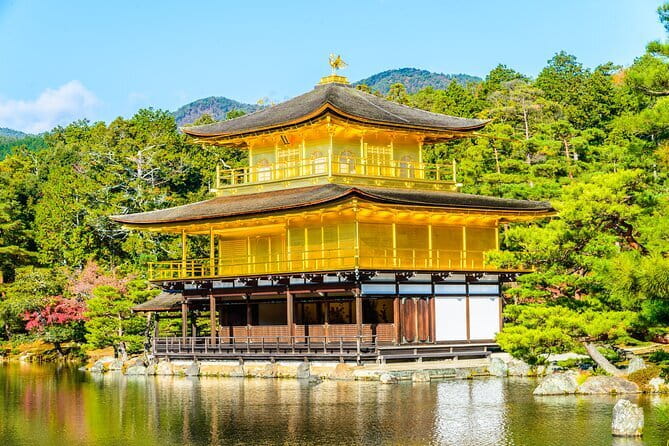
It’s easy to underestimate the value of a tour when the only “included” thing you care about is admission. This one includes photos taken during the tour. That’s useful because you’ll be moving through several different settings—street scenes, temple areas, craft spaces. You’ll want pictures, but you’ll also be listening and walking. Having photos taken for you removes the need to constantly hand your phone to someone who’s also trying to enjoy the day.
And that small group again? It matters here too. When you’re in a group of up to 7, the guide can adjust pace, point out details more clearly, and answer follow-up questions. It’s not just comfort—it changes how much you absorb.
What you should pack and expect for comfort
Kyoto can swing hard by season, and the tour calls out extremes: summer highs around 40°C (110°F) and winter lows around -5°C (20°F). Plan for real weather, not mild forecasts.
At minimum:
- Comfortable walking shoes
- Water in hot weather
- Sun protection if you’re going in summer
- Layering for chilly days
Also, the tour might cancel in unsuitable weather for safety. That’s not personal; it’s how walking tours manage risk. If you’re traveling in a rainy season, keep an eye on the forecast and have a Plan B day in mind.
Price and value: is $94.45 worth it?
At $94.45 per person, this tour isn’t the cheapest way to spend a half day in Kyoto. But it’s not trying to be. You’re paying for three things that add up quickly if you do it on your own:
- A live English-speaking guide for about 3 hours, which covers interpretation and routing (no navigation stress)
- Temple entrance fees for two temples, which you can’t skip if you want the real experience
- A matcha tea ceremony with instruction, plus the matcha itself
Add in the included photos and the fact the group is capped at 7, and the price starts to make sense as a “buy time and guidance” deal. If you’re the kind of traveler who would otherwise bounce between spots with limited context, a guided structure often feels worth it fast.
If you already speak Japanese, don’t mind map work, and plan to schedule temple visits and a tea ceremony yourself, you might find cheaper options. But if you want the whole day to run smoothly and coherently, this format is built for that.
Who should book this tour (and who might not)
This tour is best for:
- First-time Kyoto visitors who want tea + temple without planning every step
- People who enjoy craft and ceramics, especially raku tea bowls and tea utensils
- Travelers who like small groups and want to ask questions as you walk
- Anyone who wants a tea ceremony that connects to the day instead of happening in isolation
You might think twice if:
- Clear English narration is crucial for you, and you tend to struggle when explanations are quiet or less confident
- You dislike structured stops and prefer totally free roaming (this is a guided itinerary, not a flexible pick-your-own adventure)
Should you book The Way of Tea?
If your goal is a smooth, small-group walk that links Gion matcha culture with temples, ceramics, and then a real matcha ceremony with a tea master, I think you’ll be happy you booked. The included temple admission and the end ceremony are the big value anchors, and the wabi-sabi framing gives the day a theme that makes the final tea moment land.
Just go in with realistic expectations: you’re walking, you’re listening, and the success of your day depends partly on how you connect with the guide’s voice and pacing. Bring a bit of flexibility, and this becomes one of those Kyoto experiences where the details feel connected instead of scattered.
FAQ
How long is the tour?
It lasts about 3 hours 30 minutes.
Where do I meet the guide?
You meet in front of the Statue of Izumo-no-Okuni, right outside Exit 5 of Gion Shijo Station (Keihan Line). The guide holds an orange signboard reading Magical Trip Tour.
What’s included in the price?
Temple entrance fees for two temples, a tea ceremony experience with matcha, a 3-hour guided walk in English, and photos taken during the tour are included.
Do I need to pay for temple tickets?
No. Entrance fees for two temples are included.
Where does the tour end?
It ends at the tea experience places after the tea ceremony.
How large is the group?
The tour has a maximum of 7 travelers.
Can children join the tea ceremony?
The tea ceremony experience can only accommodate participants who are 6 years old or older. Children under 6 can come, but one adult needs to accompany them outside the facility during the experience.