REVIEW · KYOTO
Kyoto: Tea Ceremony in a Traditional Tea House in Kiyomizu
Book on GetYourGuide →Operated by SAKAGUCHIAN · Bookable on GetYourGuide
Kyoto gets quiet for 45 minutes. This Kyoto tea ceremony at Sakaguchian turns the Sannenzaka crush into a calm tea-house ritual with matcha and sweets.
I especially like two things. First, you watch the tea master work with exact, practiced movements. Second, you don’t just sit there—you learn to brew your own matcha and taste the result right away.
One heads-up: this is a sit-close, ritual-focused space, and large bags or luggage aren’t allowed, so pack small.
In This Review
- Key Highlights You’ll Notice Fast
- Entering Sakaguchian in Sannenzaka, Near Kiyomizu-Dera
- Why the Garden by Ogawa Jihei VII Sets the Tone
- The 45-Minute Flow: From Welcome to Your First Whisk
- The Matcha Lesson: What You’re Actually Learning
- Sweet, Served with Intention
- Price and Value: What $49 Buys in Kyoto
- Who This Kyoto Tea Ceremony Fits Best
- Etiquette: Small Rules That Keep the Ritual Respectful
- Booking Smart: Quick Checks Before You Go
- Should You Book This Kyoto Tea Ceremony at Sakaguchian?
- FAQ
- How long is the Kyoto tea ceremony?
- What is included in the price?
- Is kimono rental included?
- Where exactly do I meet for the ceremony?
- Is the ceremony offered in English?
- Does it run if it’s raining?
- Are large bags or luggage allowed?
- Is there a minimum age?
- Can I cancel or change my plans?
Key Highlights You’ll Notice Fast
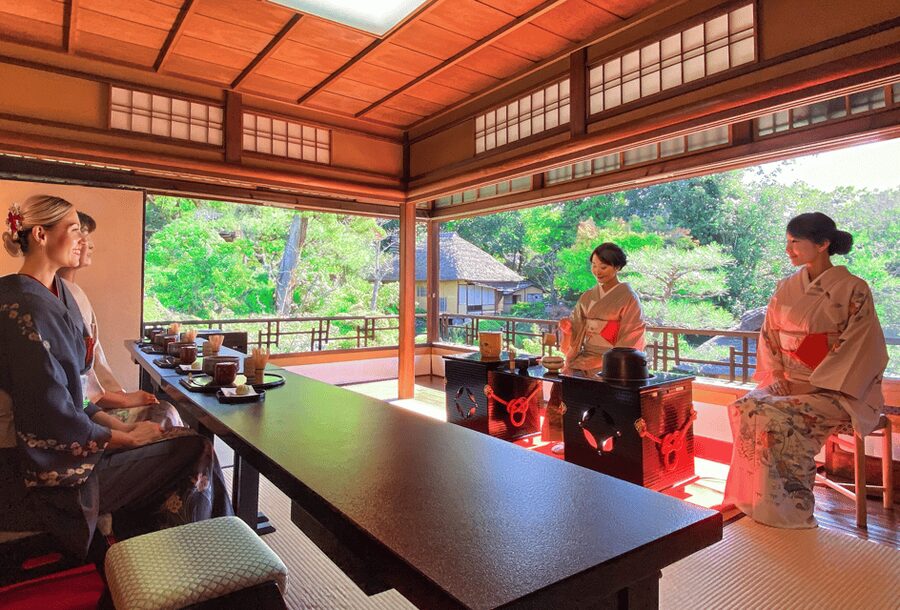
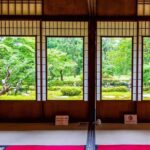
- Ogawa Jihei VII garden setting: your tea room looks out on a garden shaped by a famous landscape artist.
- Tea master demonstration first, then you try: you’ll see the full sequence, then do the key steps yourself.
- English instruction and Q&A-friendly pace: explanations are clear and you get time to learn the why, not just the how.
- You drink two cups of matcha: not one sip and done.
- Traditional sweets + a group photo: the meal part is simple, but it rounds out the ritual.
- Small-group feel: you’re not lost in a crowd during the ceremony.
Entering Sakaguchian in Sannenzaka, Near Kiyomizu-Dera
This is in one of Kyoto’s most famous walking areas: Sannenzaka, near Kiyomizu-Dera Temple. The trick is that the meeting place is right off a busy route, but the tea house is set back enough that it feels calmer once you’re inside.
Your directions are straightforward. Go down Sannenzaka near Kiyomizu-Dera, walk about 50 meters, then enter a large gate on the right. From that gate, you can see the garden. Walk straight for about 10 meters and look for the white gate on your left—where Sakaguchian is.
If you’re taking a cab, tell the driver to go toward Kodaiji Temple. Get off at the intersection of Sanneizaka and Ishin-no-michi, and then walk in.
Two practical tips that matter once you’re there:
- Look for the entrance lane set back from the street. Some visitors mention it with lanterns, and it helps you find the right turn without stress.
- Go in light. Since luggage or large bags aren’t allowed, plan to carry only what you can comfortably hold.
The official address to keep handy is 京都市東山区清水3丁目334.
You can also read our reviews of more tours and experiences in Kyoto.
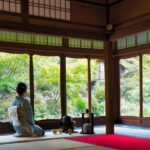
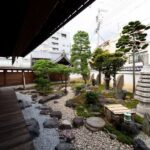
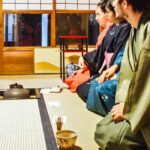
Why the Garden by Ogawa Jihei VII Sets the Tone
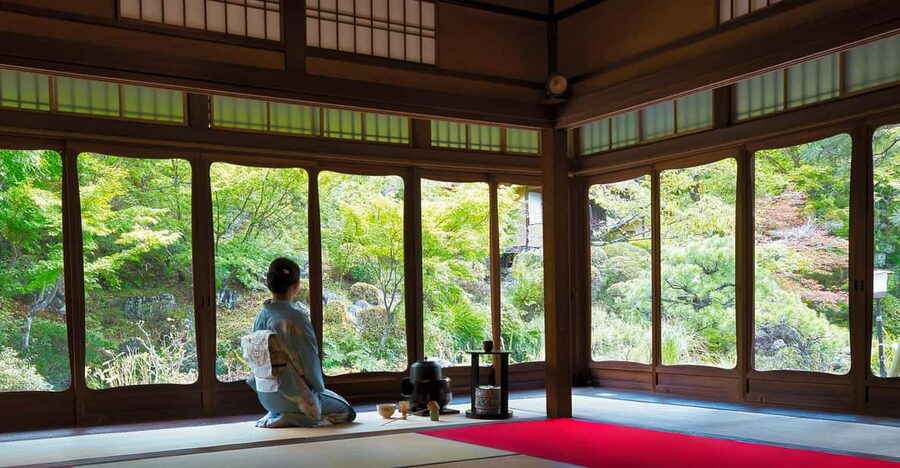
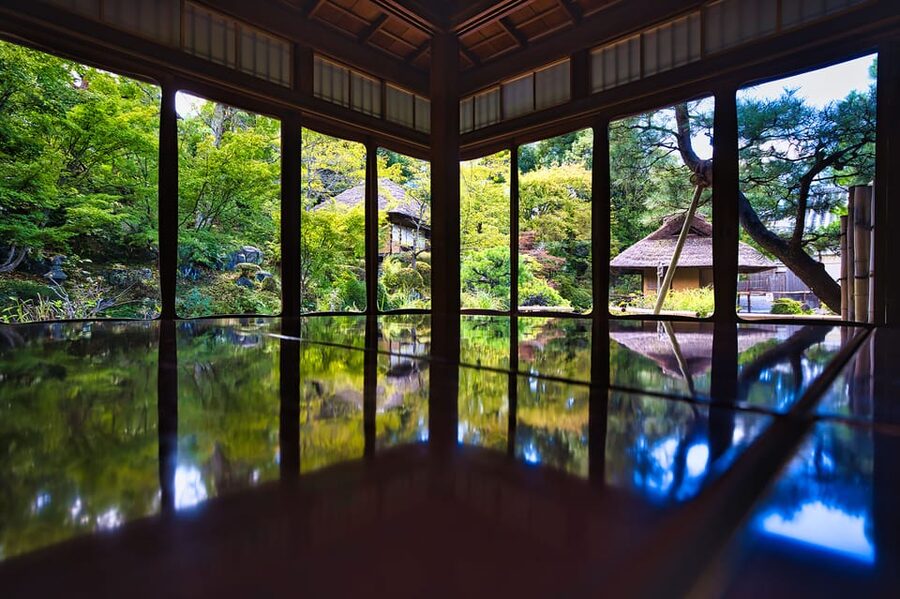
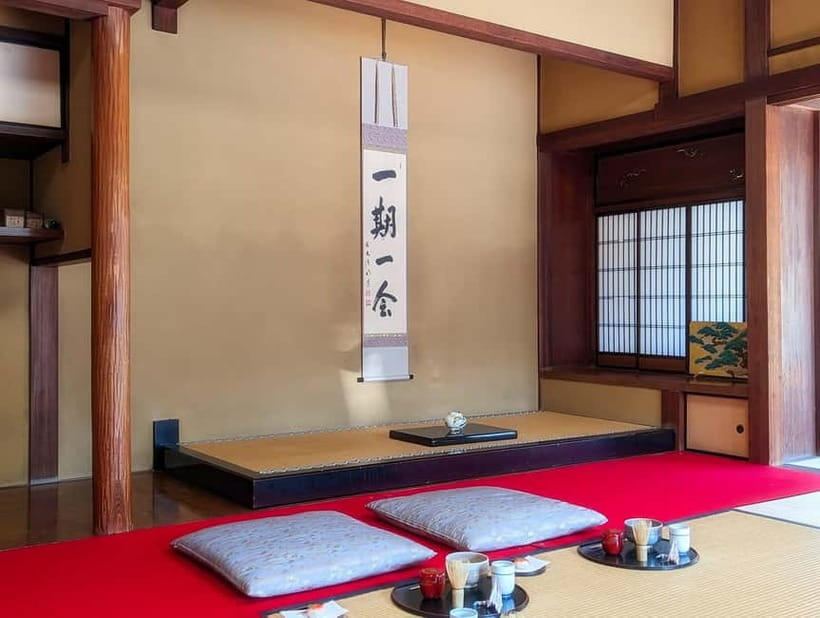
This tea ceremony isn’t staged in a generic room. You’re in a space designed around a historic garden created by Ogawa Jihei VII, a noted landscape artist. That matters because tea ceremony culture is built on attention—small details, quiet focus, and a sense of season and stillness.
Before you touch the tea tools, you’re given a short introduction. You’ll hear about the ceremony’s about 500-year history, and you’ll get context for what you’re about to do. Then the garden becomes more than decoration. It becomes part of the experience rhythm: sit, look, listen, and slow down your body so your mind can catch up.
A lot of people come to Kyoto for temples and photos. This one works because the photo is there, but the garden is the backdrop for the moment. Even when the street outside is loud, the view from the tea house helps you feel like you’ve stepped into a different pace.
The 45-Minute Flow: From Welcome to Your First Whisk
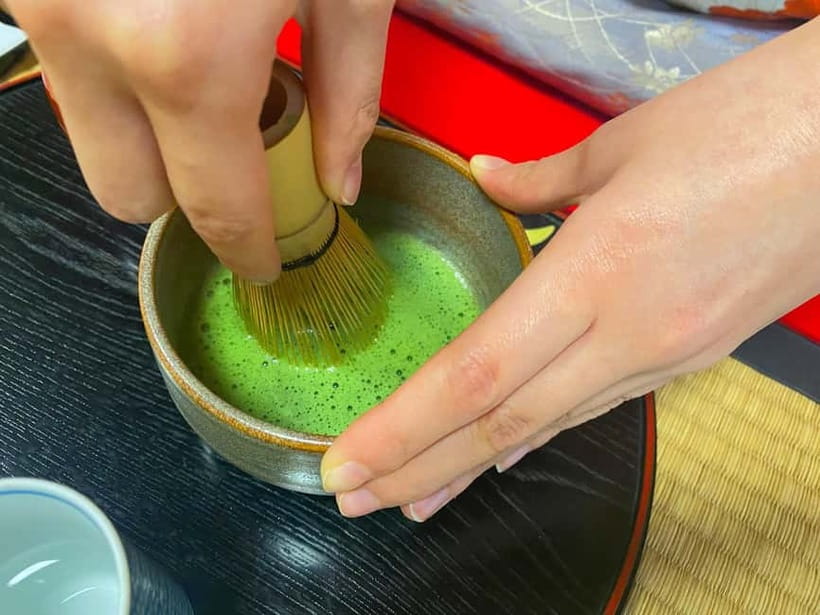
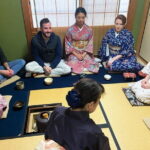
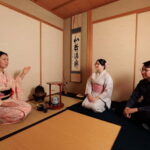
The experience is short on paper—45 minutes—but it’s structured to keep you from feeling rushed. You’ll go in as a group, meet your instructor, and settle before the demonstration begins.
Here’s the typical sequence you can expect:
1) Welcome + setting
You’ll be greeted by your instructor (English). You’ll take in the garden view, then get an intro to what the tea ceremony is trying to teach: respect, calm, and simple steps done carefully.
2) Tea master demonstration
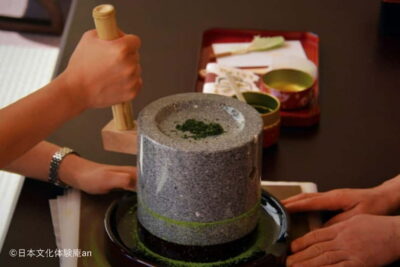
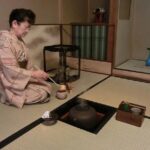
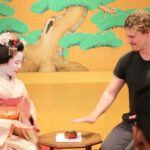
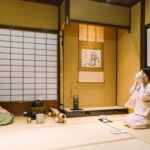
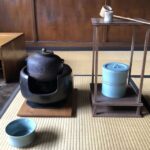
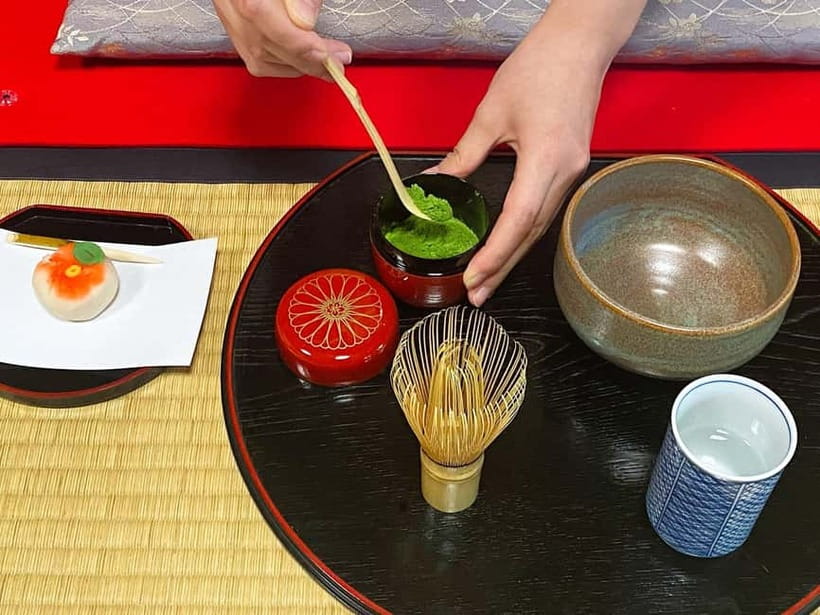
An experienced tea master performs the preparation. This is the part many people remember most. You’re watching technique—how the tools are handled, the order of steps, and the focus behind each motion.
3) Your turn: learn to brew
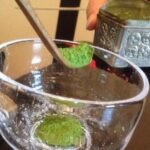
Then you’ll learn how to brew your own matcha. The experience includes enough time for you to actually participate, not just hold a whisk while someone else does the real work.
4) Sip your matcha + taste a sweet
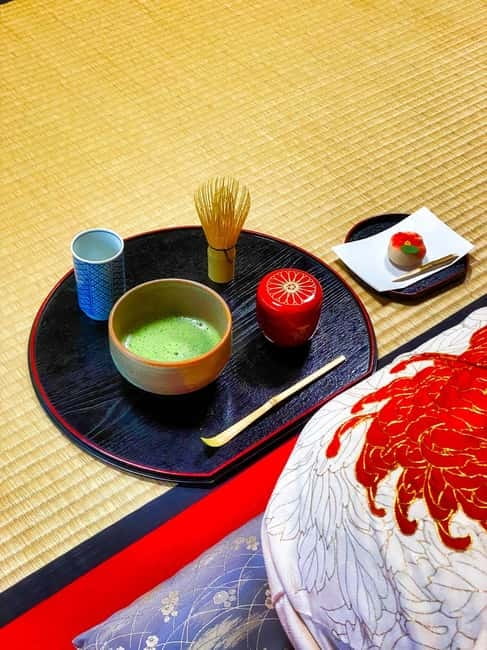
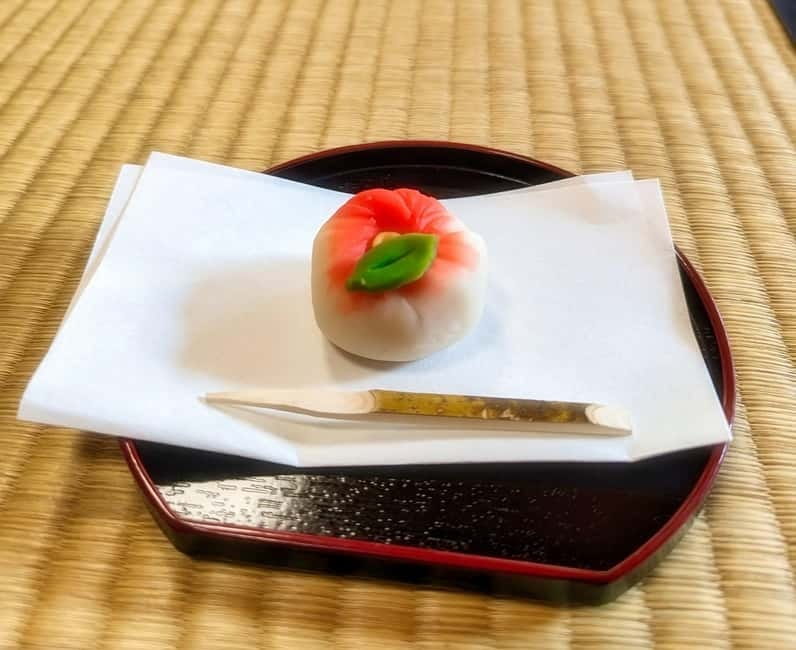
You’ll enjoy your freshly brewed matcha, and there’s a traditional Japanese sweet included with the session. It’s a small pairing, but it helps balance the strong flavor profile of matcha.
5) Finish with a group photo
Finally, you’ll pose with your group using the garden as a backdrop. It’s brief, but it gives you a nice “I was really there” moment without turning the ceremony into a photo-shoot contest.
Rain doesn’t ruin this plan. The tea ceremony runs rain or shine, so bring a compact umbrella or rain layer that won’t take up space.
The Matcha Lesson: What You’re Actually Learning
This is a matcha ceremony, so the main focus is how matcha is prepared and served. The goal isn’t to turn you into a tea instructor. It’s to help you understand the process well enough that your first cup in the future feels less mysterious.
You’ll get hands-on instruction for brewing your own matcha, and the included items set you up nicely:
- You receive 2 cups of matcha
- You also get traditional Japanese sweets
- You’ll get photo coverage as part of the experience
From the way people describe it, the matcha tends to taste well-balanced in this setting. Some visitors specifically mention the matcha wasn’t as bitter as they’ve experienced elsewhere. That can be a big deal if you thought you didn’t like matcha. Here, you’re being guided to do it the right way.
A small but telling detail: the ceremony includes both watching and doing. Seeing the tea master’s workflow first helps your brain connect the steps when you do them. Then your cup isn’t just an activity—it’s proof you picked up something real.
Sweet, Served with Intention
The included Japanese sweet is easy to overlook if you’re hungry and hoping for a meal. But it fits the philosophy of the ceremony: contrast and balance.
You’ll taste it after your matcha. The sweet is part of the pacing. It also helps you experience the flavors as a pair rather than two unrelated items. If you’re the type who likes food details, this little component makes the session feel complete without needing a long sit-down restaurant.
And yes, you’ll still get that serene “Kyoto moment” feeling during it. The garden view plus the careful preparation turns the tasting into more than eating something sweet.

Price and Value: What $49 Buys in Kyoto
At $49 per person for 45 minutes, this isn’t the cheapest activity in Kyoto. But it’s also not trying to be. You’re paying for three things that are hard to replicate on your own:
- An authentic setting in a traditional tea house environment
- A tea master demonstration plus guided practice
- The fact you’re served real matcha and sweets, not just handed a tiny sample
It also tends to feel like a “quality time” purchase. Multiple visitors describe it as peaceful and relaxing, with a calm vibe even though it’s located in a high-traffic area.
There’s also the value of learning. If you’ve never made matcha before, this is a shortcut to getting the process right. If you already like matcha, this helps you understand why certain movements and steps exist.
Finally, the rating is strong—4.9 with thousands of verified bookings—so you’re not betting on a random classroom experience.
One practical value note: since kimono rental is not included, you won’t be paying extra for costume logistics. The experience still feels authentic because the focus is the tea ritual, not the outfit.
Who This Kyoto Tea Ceremony Fits Best
This is a great choice if you want one calm, cultural activity amid temple lines and crowds. It works especially well for:
- First-time Kyoto visitors who want something more quiet and reflective than sightseeing
- Couples who want a shared, structured experience (many people do this as a date-like activity)
- Anyone who wants a hands-on food/culture lesson without needing a long time commitment
Age note: it’s not suitable for children under 7. Some families with older kids mention the experience worked well for them, too—mainly because it’s guided and paced.
If you hate sitting still for rituals, this might feel slow. But if you like calm, focused activities where you can learn and participate, you’ll likely enjoy it.
Etiquette: Small Rules That Keep the Ritual Respectful
Tea ceremonies have rules, even when they’re taught to visitors. The biggest etiquette points are simple:
- Don’t wander around during the ceremony.
- Follow the instructor’s cues and stay where you’re meant to sit.
- Keep your questions until there’s a moment for them, rather than interrupting the tea master’s flow.
That’s not just “because tradition.” It protects the experience for everyone, including you. People mention the tea master’s performance is elegant and exact—so staying still helps you notice what’s happening.
Also, arrive on time. Since the session is 45 minutes, slipping in late can cut into your participation time. (Some visitors share they were accommodated when arriving late, but don’t plan on that.)
Booking Smart: Quick Checks Before You Go
Before you book, confirm a few basics so the day stays smooth:
- You’ll be in an English-led experience.
- The session runs rain or shine.
- No large luggage or bags allowed, so keep it light.
- Kimono rental isn’t included, so dress normally.
- You’re looking at a short, structured 45-minute ritual, not a half-day excursion.
Also, it’s often easier when your day includes a buffer. The ceremony is a calm reset, so slipping it between busier Kyoto stops can feel like a win.
Should You Book This Kyoto Tea Ceremony at Sakaguchian?
Yes—if you want an authentic-feeling Kyoto experience with real participation and a beautiful garden setting, book it.
Skip it if:
- You want something long and activity-heavy (this is focused and short)
- You’re traveling with bulky luggage you can’t leave behind
- You’re only interested in a quick photo and don’t want the hands-on matcha part
My call: for $49 and 45 minutes, this is strong value because you get the whole package—tea master demo, brew-your-own matcha, sweets, and a photo—in a traditional tea house setting where the garden actually shapes the mood.
FAQ
How long is the Kyoto tea ceremony?
It lasts 45 minutes.
What is included in the price?
The experience includes the tea ceremony, 2 cups of matcha, traditional Japanese sweets, and a photo.
Is kimono rental included?
No, kimono rental is not included.
Where exactly do I meet for the ceremony?
Go down Sannenzaka near Kiyomizu-Dera Temple, walk about 50 meters, enter the large gate on the right, then walk straight about 10 meters and find Sakaguchian through the white gate on your left.
Is the ceremony offered in English?
Yes, the instructor is English.
Does it run if it’s raining?
Yes. It takes place rain or shine.
Are large bags or luggage allowed?
No. Luggage or large bags are not allowed.
Is there a minimum age?
Children under 7 are not suitable.
Can I cancel or change my plans?
You can cancel up to 24 hours in advance for a full refund, and there is a reserve now & pay later option for flexibility.