REVIEW · KYOTO
Sencha-do the Japanese Tea Ceremony Workshop in Kyoto
Book on Viator →Operated by 煎茶道体験 · Bookable on Viator
Tea leaves beat matcha here. This Senchado workshop teaches you how to brew and serve sencha using steamed tea leaves, not just watch from the sidelines. I really like that this is a true hands-on class where you can handle the utensils, guided gently by a Higashi Abe school master in a small group.
I also like how the session is paced: you get a clear demonstration first, then you practice the steps and finish by tasting your own sencha with wagashi. One consideration: the meeting place is in a quieter residential area, and directions can feel vague unless you double-check the address for 東阿部流(雅翠庵)Japan and arrive with a map ready.
In This Review
- Key things that make this workshop worth your time
- Why Sencha-do feels different from most tea “performances”
- Price and value for a small-group Kyoto class
- Where 東阿部流(雅翠庵) is and how to get there smoothly
- The 90-minute flow: demonstration, practice, and your own cup
- 1) A senchado demonstration
- 2) Learn how to prepare and serve sencha tea
- 3) Taste your freshly made sencha with wagashi
- Higashi Abe school teaching: precision without intimidation
- Photos, atmosphere, and what to notice during the ceremony
- What sencha tastes like, and why you’ll remember it
- Who should book this Sencha-do workshop in Kyoto
- Practical tips that will make your visit smoother
- Should you book this Sencha-do Japanese Tea Ceremony Workshop?
- FAQ
- How long is the Sencha-do tea ceremony workshop?
- What is the price per person?
- How many people are in the group?
- Is this a hands-on workshop or only a demonstration?
- What’s included in the experience?
- Can I take pictures during the workshop?
- Where is the meeting point?
- Is transportation included?
- What if I need to cancel?
Key things that make this workshop worth your time
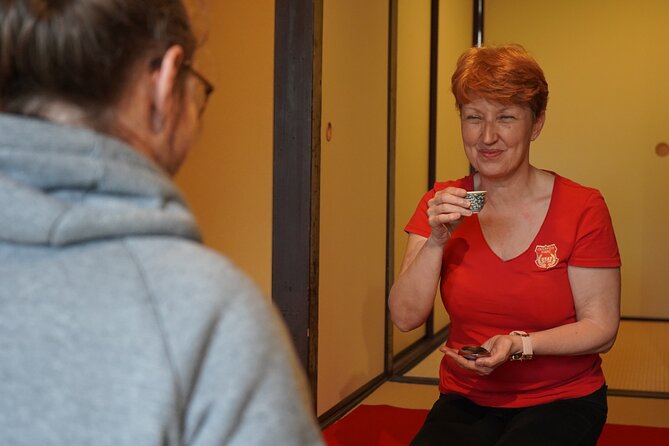
- You get to touch the utensils, not just observe the ritual
- Higashi Abe school instruction from a master who teaches carefully, step by step
- Small group size (max 4) keeps things personal and questions easy
- Sencha-do, not matcha: you brew with sencha tea leaves
- Photo-friendly: you’re welcome to take pictures during the experience
- Wagashi included so you taste more than just tea
Why Sencha-do feels different from most tea “performances”
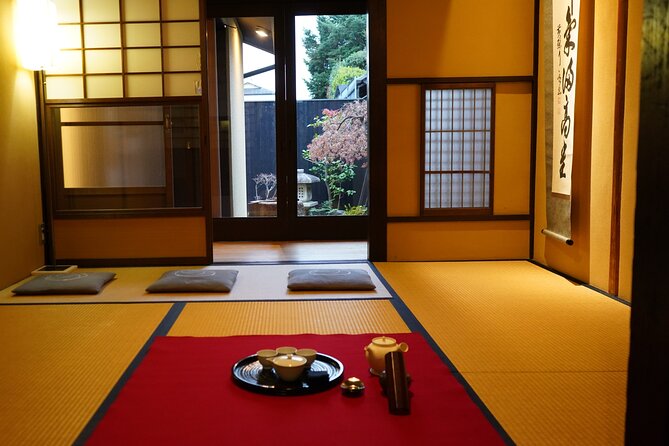
Most Kyoto tea experiences can feel like you’re in the audience. This one flips the script. The whole point of Sencha-do here is that you’re not stuck behind your hands. You learn the process by doing it—using the tools yourself under careful guidance.
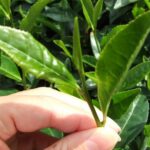
That practical angle matters because senchado isn’t only about sweetness, steam, or calm vibes. It’s about technique and timing: how you prepare the leaves, how you pour, and how you serve so the flavor lands the way it should. If you’ve only ever had matcha, this workshop is a smart contrast. One review note that many people know matcha, but not brewed tea, and that the taste can be sweet and flavorful. You’ll understand why once you brew and drink sencha yourself.
The vibe is also notably respectful. Reviews mention teachers who are patient, careful with tradition, and respectful of how the steps should be performed. That’s what you want when you’re learning something precise and ritual-based.
You can also read our reviews of more tours and experiences in Kyoto.
Price and value for a small-group Kyoto class
At $107.45 per person for about 90 minutes, this isn’t a bargain-basement activity. But it doesn’t feel overpriced for what you get, either. The big reason: the group size caps at 4 travelers. In a tiny group, you get more coaching per person, and you’re more likely to actually perform the ceremony rather than just holding a cup at the end.
Also, it includes green tea and Japanese sweets (wagashi). That matters because the food isn’t an add-on you have to seek out afterward. You get a clean “learn → brew → taste” arc in one block of time.
If you’re planning ahead, note that this workshop tends to book around 23 days in advance on average. That’s a sign you should reserve early, especially if you want a specific afternoon slot during peak travel.
Where 東阿部流(雅翠庵) is and how to get there smoothly
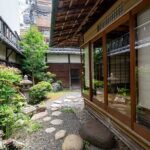
You meet at 東阿部流(雅翠庵)Japan, 〒602-8393 Kyoto, Kamigyo Ward, Toriimaechō, 668番12. The location is near public transportation, which is helpful because private transportation is not included.
Here’s the practical tip I’d give you: don’t rely only on vague online directions. One review specifically flagged that the place was harder to find based on directions alone, and that the host’s help was needed. So, do your future self a favor. Screenshot the address, plug it into your map app, and plan to arrive a few minutes early.
Even with good signage, Kyoto’s side streets can be sneaky. A short buffer time saves stress and keeps you ready to learn instead of hunting for the entrance.
The 90-minute flow: demonstration, practice, and your own cup
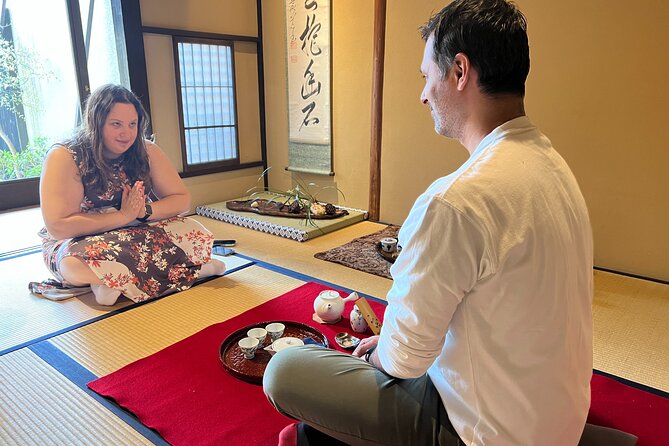
The experience is structured so you’re never guessing what comes next.
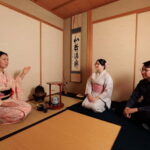
1) A senchado demonstration
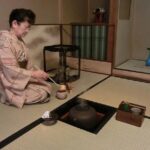
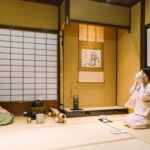
You start by watching a sencha tea ceremony demonstration by your host. This part matters because it gives your hands a mental model before you try. You’ll see the sequence of what happens, and you’ll also notice how formal and precise the motions are—even though the workshop is welcoming.
During the demonstration, pay attention to details like the order of actions and how serving is handled. The goal isn’t to memorize every move. It’s to understand the rhythm.
2) Learn how to prepare and serve sencha tea
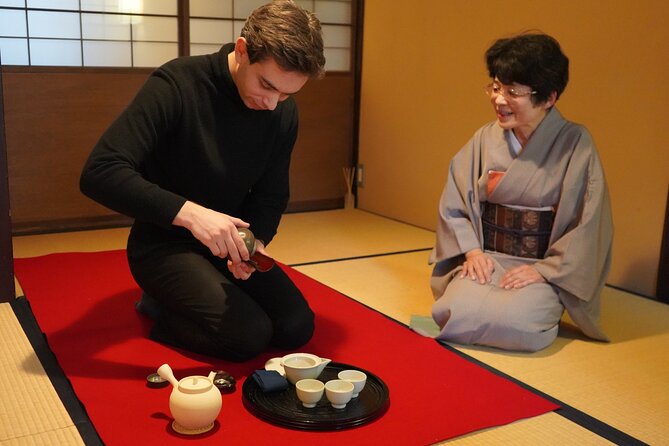
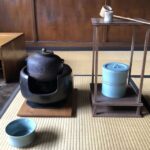
Then you switch from watching to doing. Following the demonstration, you learn how to prepare and serve sencha tea yourself, with step-by-step guidance.
This is the heart of why I’d call this a workshop, not a show. You’re part of the ceremony. And because you’re allowed to handle the utensils, you get a real sense of what “practice” feels like, not just what it looks like.
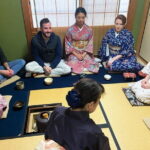
Also, expect the instructor to slow things down if you need it. Reviews mention teachers who are patient and careful with questions, and even families where kids could participate. With a max group size of 4, you’re less likely to feel rushed.
3) Taste your freshly made sencha with wagashi
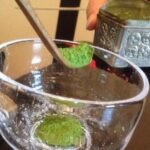
Finally, you enjoy your own freshly made sencha, paired with wagashi (Japanese sweets). The pairing is included, so you don’t have to plan a separate stop for snacks.
Wagashi also adds context. Tea ceremonies often involve more than taste; they’re about seasonality, texture, and balance. Even if you don’t know the background ahead of time, the sweet-and-tea combination helps you understand how the ceremony is designed to feel complete.
Higashi Abe school teaching: precision without intimidation
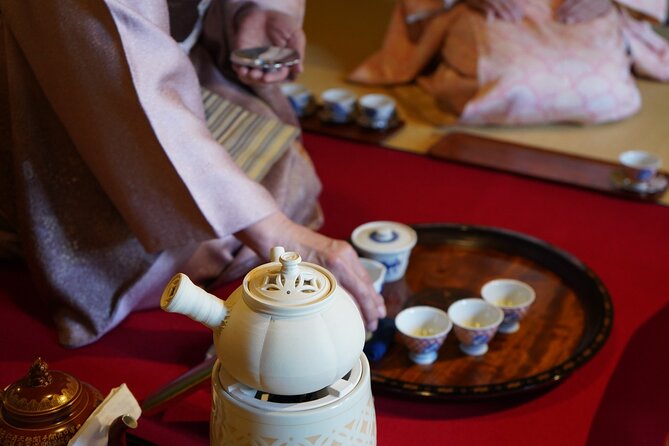
This workshop is led by an instructor who is a master of the Higashi Abe school. That’s a big deal because it signals you’re not learning a generic “tea lesson.” You’re learning a specific tradition’s way of doing things.
From the reviews, you can see how the teaching style tends to work:
- Step by step guidance, so you aren’t left to figure out your own technique
- Patience, especially for families and kids
- A respectful tone around tradition and process
- Time for questions and small explanations about what you’re doing
One review mentions the instructor as Kyo and another references a young master with the name wakasoushou (associated with the school). Whether you meet a senior master or a young master on the day, you should expect the same core style: calm instruction, detailed context, and hands-on participation.
A helpful mindset for you: treat this like learning a craft. You’re not trying to be perfect in 90 minutes. You’re building correct habits, guided by someone who cares about doing it the right way.
Photos, atmosphere, and what to notice during the ceremony
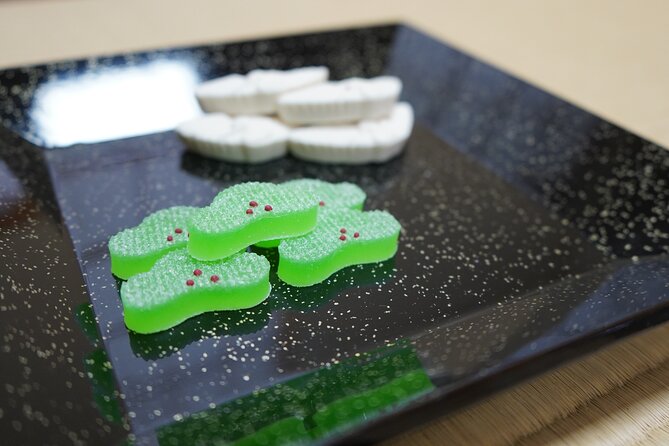
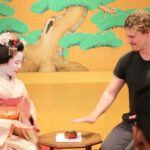
You can take as many pictures as you like, which is great in a process-focused experience. In many workshops, photography is restricted because it can interrupt the flow. Here, you’ll have permission to document the experience.
When you’re taking photos, my advice is to focus on moments that show process. For example:
- the moment you’re serving
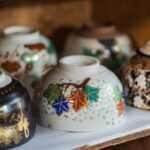
- the utensils you’re using
- how the tea presentation looks
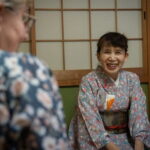
Also, notice the contrast with what you might expect. Sencha-do can feel quieter and more refined than the tea time you picture from pop culture. Still, the tone is welcoming. Reviews describe the experience as super welcoming and personal, and they highlight that kids enjoyed being able to perform alongside adults.
What sencha tastes like, and why you’ll remember it
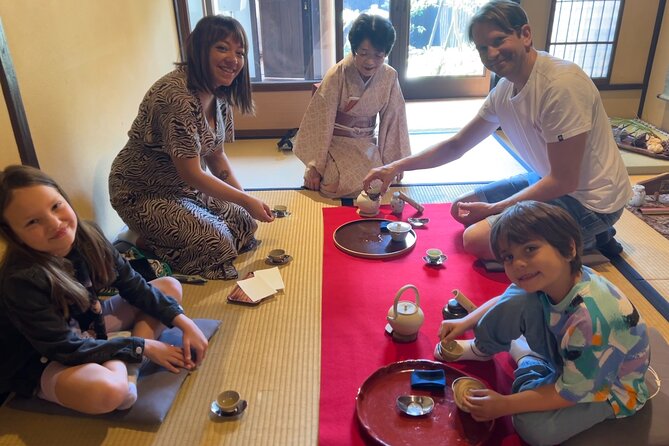
You’ll drink sencha tea leaves, which is different from matcha. One review points out that matcha is what many people know, while brewed sencha is less familiar. That’s exactly why this can be memorable. Your taste buds get a new reference point.
You might find the brewed tea can come across as sweet and flavorful, based on how it’s presented and prepared in the ceremony. The wagashi pairing can also make the tea seem even more expressive, because you’re balancing sweetness and bitterness rather than drinking tea alone.
If you like learning through taste, you’ll get a lot out of the “make it yourself” part. When you participate in the brewing, you’re more likely to notice how small changes in action affect the cup.
Who should book this Sencha-do workshop in Kyoto
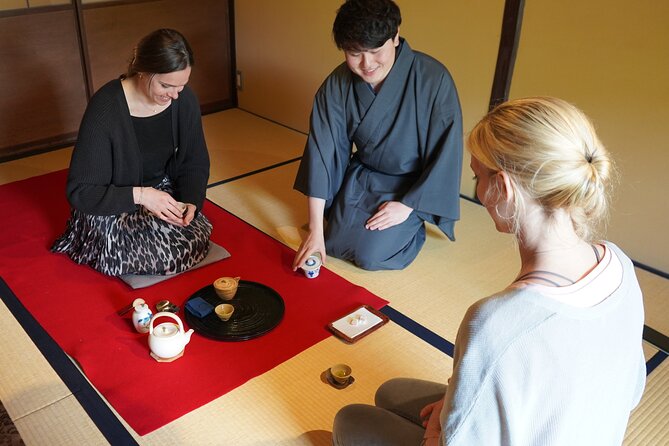
This fits well if you want Kyoto culture that’s interactive and not just sightseeing.
You’ll probably love it if:
- you want hands-on experience in a cultural practice
- you’re traveling with a partner, family, or solo and want a small-group setting
- you’re curious about tea beyond matcha
- you want a short, focused activity that fits neatly into an afternoon
It can also be a great choice if you’re not into long museum-style history lectures. You still get context, but the learning is tied directly to the steps you perform.
Practical tips that will make your visit smoother
A few things I’d do before you go:
- Save the exact meeting address for 東阿部流(雅翠庵) so you can navigate confidently.
- Dress for a quiet, hands-on session. You’ll be sitting and using utensils, so comfort beats fashion.
- Be ready to participate. This is not just watch-and-leave.
- Come with questions. Teachers handle questions well, and the experience includes explanation, not silence.
- Bring your camera habits. Since you’re allowed to photograph, decide ahead of time what you want to capture so you don’t get distracted mid-step.
Also remember: the experience requires good weather. If weather cancels it, you’ll be offered another date or a full refund.
Should you book this Sencha-do Japanese Tea Ceremony Workshop?
Yes, if you want a genuine hands-on sencha lesson with small-group attention. The biggest strength is the combination of touching the utensils, learning from a Higashi Abe school master, and finishing by tasting what you made with wagashi. At this price, the value comes from coaching time and a complete tea-to-sweet experience in one sitting.
Skip it only if you prefer purely observational cultural experiences, or if you hate finding hard-to-pinpoint places on short notice. If you do book, do yourself the favor of arriving early and using the full address in your map.
In Kyoto, where you’ll see plenty of tea-related performances, this one gives you the skill and the cup. And that’s the part you take home.
FAQ
How long is the Sencha-do tea ceremony workshop?
It runs for about 1 hour 30 minutes.
What is the price per person?
The price is $107.45 per person.
How many people are in the group?
The maximum group size is 4 travelers.
Is this a hands-on workshop or only a demonstration?
It’s hands-on. You can touch the utensils and learn how to prepare and serve sencha, with guidance from the instructor.
What’s included in the experience?
Green tea (sencha) and Japanese sweets (wagashi) are included.
Can I take pictures during the workshop?
Yes. You’re welcome to take as many pictures as you like.
Where is the meeting point?
The meeting point is 東阿部流(雅翠庵)Japan, 〒602-8393 Kyoto, Kamigyo Ward, Toriimaechō, 668番12.
Is transportation included?
Private transportation is not included. The meeting point is near public transportation.
What if I need to cancel?
You can cancel for a full refund if you cancel up to 24 hours in advance of the experience start time. If it’s canceled due to poor weather, you’ll be offered a different date or a full refund.