REVIEW · KYOTO
Tea Ceremony Experience in Traditional Kyoto Townhouse
Book on Viator →Operated by Ami Kyoto · Bookable on Viator
You can learn matcha in a real Kyoto townhouse. This hands-on session is equal parts tea skills and a peek into a working machiya setting.
I like that the whole thing stays practical, with clear guidance as you make tea yourself. I also like the small-group feel, which makes the demonstrations feel personal rather than rushed. The only thing to consider is that it’s brief—about 1 hour—so you’ll want to pay attention early.
You’ll get to brew from start to finish, then taste your matcha with Japanese sweets from a well-known Kyoto confectionary. A possible drawback for some people: there’s no hotel pickup, so you’ll need to reach the meeting point on your own.
In This Review
- Key things to know before you go
- Kyoto Machiya Doors: What You’re Stepping Into
- Matcha Workshop Basics: From Powder to Perfect Sip
- A Tea Ceremony, Not Just a Demo: How the Lesson Fits Together
- The Tasting Part: Matcha, Kyoto Sweets, and What to Notice
- Price and Value of a Small-Group Kyoto Tea Moment
- Practical Notes for Finding Ami Kyoto in Shimogyo Ward
- Who Should Book This Kyoto Tea Ceremony Class
- Should You Book This Tea Ceremony in Kyoto?
- FAQ
- How long is the tea ceremony experience?
- How much does the experience cost?
- What is included in the price?
- Is there a hotel pickup or drop-off?
- Where does the experience meet?
- How many people are in the group?
- Do I need to print anything?
- When will I get confirmation after booking?
- FAQ
- Can I cancel for a full refund?
- Is the experience suitable for most travelers?
Key things to know before you go
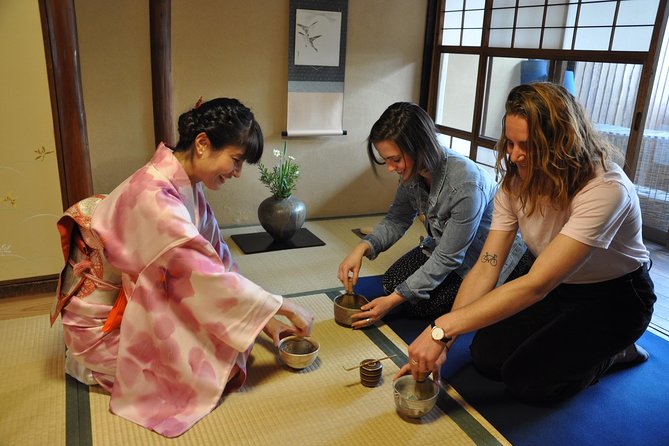
- Machiya townhouse setting: a traditional Kyoto wooden home, about 80 years old
- Hands-on matcha brewing: you’re not just watching, you’re making tea
- Personalized demonstrations: small group size helps you keep up
- Organic farm matcha focus: you learn what quality means for flavor
- Kyoto sweets included: you taste matcha alongside classic treats
- Small group, max 6: less waiting, more practice
Kyoto Machiya Doors: What You’re Stepping Into
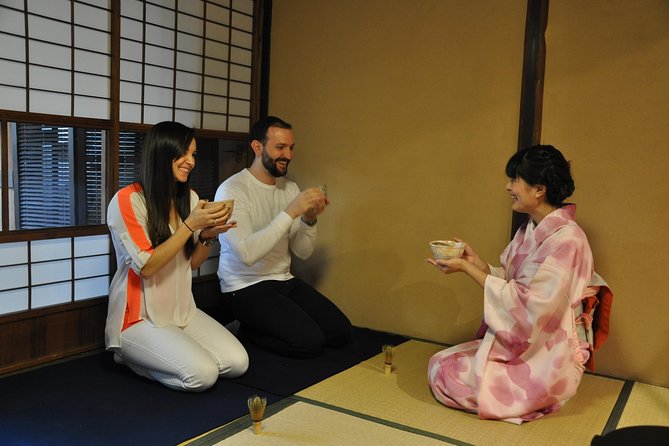
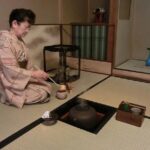
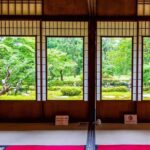
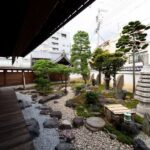
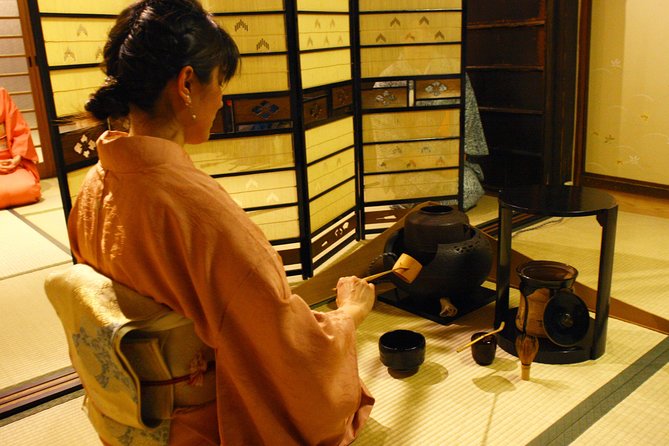
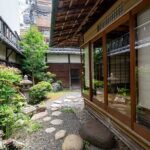
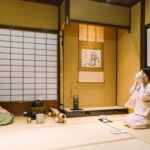
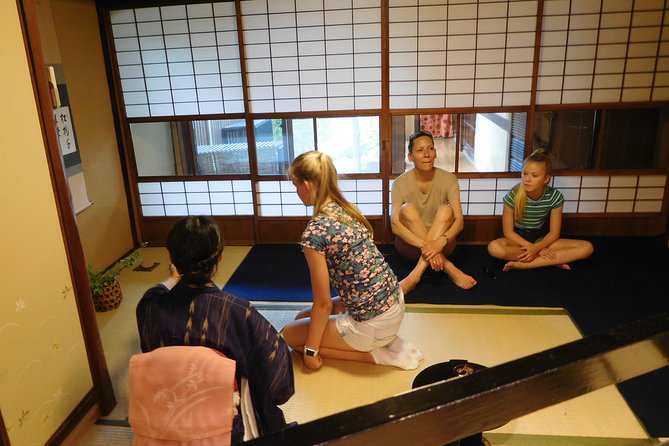
Kyoto tea ceremonies aren’t meant for speed. This experience gives you the setting that makes the ritual click: you’ll be in a traditional machiya, the old-style wooden townhouse that once lined many Kyoto streets. The place you’ll use is about 80 years old, and that age matters. Wood, layout, and quiet corners make everything feel grounded, not like a show staged for crowds.
Even before you touch matcha, you’re getting a lesson in atmosphere. The tea ceremony isn’t just about taste. It’s also about how people slow down, focus, and treat guests with care. In a machiya, that idea lands faster. The space supports it.
This is also one of the few chances you’ll get to step inside one of the remaining machiya townhouses and move through it as part of your experience. If you’re the type who likes Kyoto beyond temples and photos, this setting is the right kind of detail.
You can also read our reviews of more tours and experiences in Kyoto.
Matcha Workshop Basics: From Powder to Perfect Sip
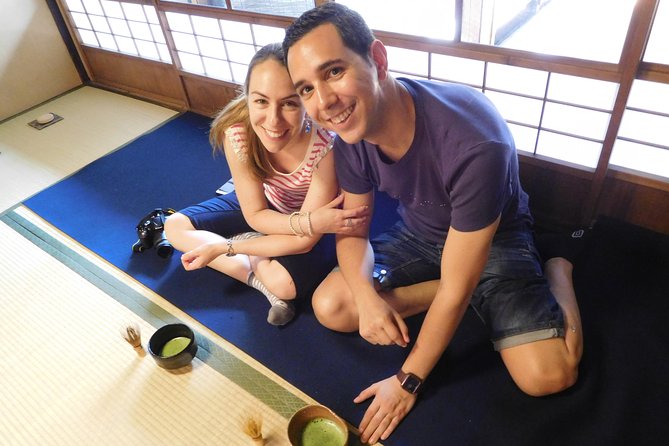
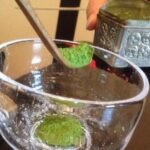
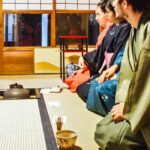
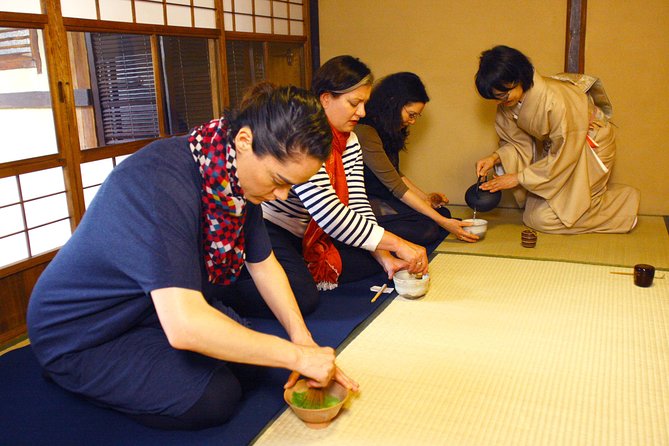
The heart of the session is the matcha workshop. You’ll learn the process of making tea in a traditional way, with guidance that keeps things simple and usable. The goal isn’t to make you a tea expert by the end of an hour. It’s to give you a real starting point—so when you buy matcha later, you can actually use it.
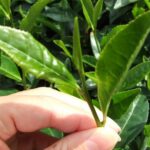
A key detail here is the matcha quality angle. You’ll learn how to brew top-quality matcha sourced from an organic farm. That matters because matcha isn’t one-size-fits-all. Flavor changes with how it’s grown and how it’s prepared. When the instructor talks about quality, you’ll hear it through the cup you make, not through vague theory.
In the workshop portion, you should expect to:
- Learn how matcha is prepared for a proper tea texture
- Get coaching as you brew
- Understand what you’re aiming for in the cup
Then you get to taste what you make, with your bowl of matcha included. The included bowl of matcha is important. Some classes teach you the motions but don’t fully connect them to your own taste. This one does.
A Tea Ceremony, Not Just a Demo: How the Lesson Fits Together
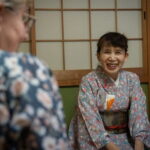
Many tea experiences feel like a performance you watch. This one is structured more like you’re learning a craft. You’ll see demonstrations, but the experience is designed to be hands-on, with personalized attention for brewing.
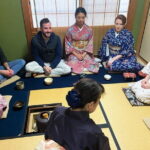
That personal touch is exactly why the small group size matters. With a maximum of 6 travelers, you’re less likely to feel like you’re waiting your turn while someone else handles all the action. It also helps you ask practical questions without the whole group going quiet.
You’ll also get context behind the ritual itself. The session shares background on the history of tea as a sacred practice, once favored by monks and samurais. That story isn’t just trivia. It helps you understand why the ceremony emphasizes manners, attention, and careful movement. When you know the ritual’s roots, it’s easier to treat the cup with respect instead of treating it like a souvenir photo moment.
If you love culture that’s lived—not just displayed—this is a strong fit. The class communicates that the ceremony has a purpose: it trains focus.
The Tasting Part: Matcha, Kyoto Sweets, and What to Notice
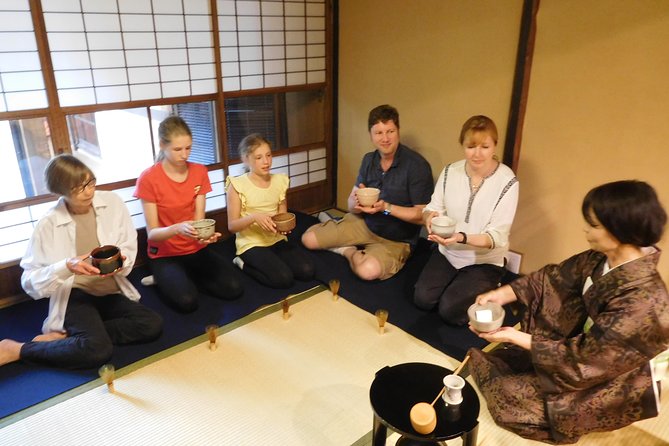
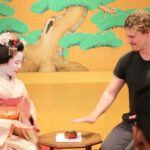
You don’t just end with tea—you end with pairing. Your matcha is served with Japanese sweets from a famous Kyoto confectionary. This is a classic way to experience matcha: the sweetness and texture of the sweets help you notice the matcha’s character without needing to figure everything out alone.
As you drink, here are the things worth paying attention to:
- How the matcha tastes fresh versus how it changes as it sits
- Whether the flavor feels smooth or sharp
- The balance between bitterness and sweetness
- How the sweetness of the accompanying wagashi (Japanese sweets) shifts what you taste in the matcha
Because you brew the matcha yourself, the tasting feels more meaningful. You can connect the instruction to the outcome. If you overdo the mixing or don’t get the texture right, you’ll notice it. That’s not a problem; it’s part of learning.
This is also where the townhouse experience helps. Tea tastes different when you’re not distracted. In a calm interior space, you’re more likely to slow down enough to actually taste.
Price and Value of a Small-Group Kyoto Tea Moment
At $27.59 per person for about one hour, this sits in the category of experiences that feel affordable compared with tours that spend the whole day moving you around. You’re paying for time, instruction, and a setting that isn’t a generic studio. You’re also getting a bowl of matcha and sweets, which adds real value.
The best way to think about price here is this: you’re not just buying a ticket. You’re buying a chance to practice and to understand what makes matcha good. That’s hard to replicate on your own. In Kyoto, matcha is everywhere, but learning how it’s meant to be brewed and served is less common.
Small group size also supports the value. If you were in a larger group, the instruction would likely feel more one-directional. Here, you can get closer to the craft.
One more practical note: it’s typically booked about 19 days in advance on average. That suggests demand is steady. If you have matcha on your Kyoto checklist, booking ahead is smart.

Practical Notes for Finding Ami Kyoto in Shimogyo Ward
Your meeting point is at 605 Nishidachō, Shimogyo Ward, Kyoto. The tour ends back at the same meeting point, which makes your day easier to plan.
This experience is near public transportation, which is what you want for a short, focused activity. There’s no hotel pickup and drop-off, so factor in transit time yourself. The experience uses a mobile ticket, so you’ll want your phone charged and ready.
Group size is capped at 6, so if you want a calm start, arrive a little early. It’s not about nerves; it just helps you settle in and begin on time with the right mindset.
Who Should Book This Kyoto Tea Ceremony Class
I’d point this one at travelers who like structured cultural experiences—but also want to do something with their hands. If you’re into food experiences that teach technique, you’ll probably enjoy this more than a purely observational ceremony.
It also suits:
- Couples and small groups who want a calmer Kyoto moment
- People who want a matcha workshop with real guidance
- Anyone curious about machiya life and not just temple visits
If you’re a hardcore tea nerd who expects advanced training in every detail, you might find the hour short. But if you want a strong foundation plus a genuine taste experience in a traditional townhouse, this is a good match.
Should You Book This Tea Ceremony in Kyoto?
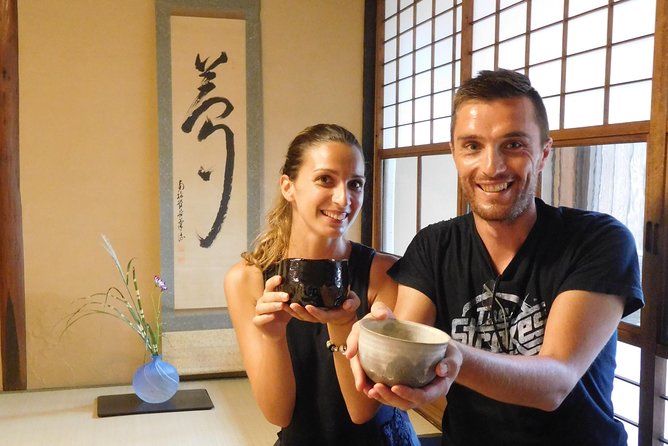
Yes, if you want a high-quality, hands-on matcha experience in a real Kyoto machiya setting. The strongest reasons to book are the focus on making tea yourself, the clear instruction style, and the small group size that keeps the demonstrations personal. Add in matcha from an organic farm and Kyoto sweets included, and the hour feels like it delivers more than just a quick show.
I’d skip it only if you’re looking for a longer time commitment, or if you absolutely need hotel pickup. Otherwise, this is a practical way to get both culture and a skill you can use after the trip.
FAQ
How long is the tea ceremony experience?
It’s approximately 1 hour.
How much does the experience cost?
The price is $27.59 per person.
What is included in the price?
You’ll receive a bowl of matcha green tea and Japanese sweets.
Is there a hotel pickup or drop-off?
No. Hotel pickup and drop-off are not included.
Where does the experience meet?
The meeting point is 605 Nishidachō, Shimogyo Ward, Kyoto, 600-8397, Japan.
How many people are in the group?
The experience has a maximum of 6 travelers.
Do I need to print anything?
No. You’ll use a mobile ticket.
When will I get confirmation after booking?
Confirmation is received within 48 hours of booking, subject to availability.
FAQ
Can I cancel for a full refund?
Yes, you can cancel up to 24 hours in advance for a full refund.
Is the experience suitable for most travelers?
The experience states that most travelers can participate.