REVIEW · DARJEELING
Tea Pluckers’ Day
Book on Viator →Operated by Darjeeling Walks · Bookable on Viator
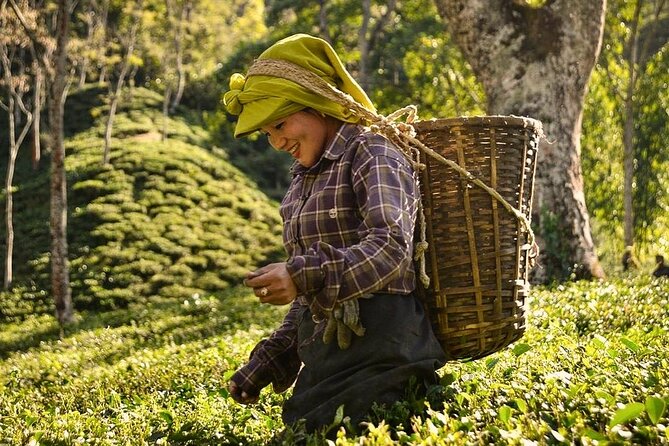
Darjeeling tea plucking feels close-up and real. This private day turns an 8:30am pickup into an up-close look at how Darjeeling tea is grown, processed, and tasted, with breaks built in. I especially like how you move like a tea plucker, not like a distant spectator.
Two things I really value: the mix of tea garden walking plus a factory visit (so you see the full chain), and the pace is gentle enough to enjoy without rushing. One thing to plan around: the experience runs when conditions are right, and some days the rhythm of tea picking can shift, especially around rest days.
In This Review
- Key highlights before you go
- A Tea Pluckers’ Day in Darjeeling: what you’re actually doing
- From your pickup to the tea hills: timing and how the day unfolds
- Tea garden stops you’ll remember: Ging to Tumsong and beyond
- Ging Tea Estate (Lebong hills, est. 1864)
- Rangaroong Tea Garden
- Pubong (Poobong) Tea Garden and the Poobong Tea Room add-on
- Soom Tea Garden (Soom = Lepcha triangle)
- Mim Tea Estate (Andrew & Yule Company Ltd.)
- Chamong Tea Estate
- Tumsong Tea Retreat
- Ringtong Tea Garden
- Phubsering (Phoosbering) Tea Garden
- Tukvar Tea Garden (hike down toward the river)
- Makai Bari Tea Garden (old organic estate)
- Tea factory visits and tasting: the part that makes the day stick
- Breakfast to lunch and the tea breaks in between
- Forest hike and estate walks: comfort, pace, and why it’s worth it
- Price and value: is $85.11 a good deal?
- Small notes that can change your day
- Who this Darjeeling tea day suits best
- Should you book Tea Pluckers’ Day with Darjeeling Walks?
- FAQ
- What time does the tour start?
- How long is the Tea Pluckers’ Day tour?
- Is pickup included?
- What’s included for food and drinks?
- Is the tea tasting included?
- What happens if weather is poor?
Key highlights before you go
- A full tea day flow from morning breakfast through tea tasting and lunch
- Heritage estates and working gardens from Ging (est. 1864) to organic-focused plots like Chamong
- Factory stops you can make sense of with tasting built in
- Forest hike and estate walks for a break from straight-line garden touring
- Friendly, flexible guiding (I’ve seen guides like Sunny and Amit keep the day moving smoothly)
- Real value for $85.11 with private transport, fees, lunch, and tea included
A Tea Pluckers’ Day in Darjeeling: what you’re actually doing

This isn’t a quick photo-op in a single tea garden. It’s structured like a working day in the hills: you start in the morning, get food and tea, tour estates on foot, and end with tasting so you can connect what you saw with what you drink.
I like that the day is designed around hands-on understanding. You’re not only looking at tea bushes; you’re getting context on planting and plucking, then seeing what happens after the leaves are picked. The goal is simple: when you taste later, it should click.
The tour also has a human side. Guides tend to keep things conversational and practical—especially around how tea culture fits into daily life. You’ll hear explanations that make the routine of an estate feel normal, not like a museum.
You can also read our reviews of more tours and experiences in Darjeeling.
From your pickup to the tea hills: timing and how the day unfolds
The day begins at 8:30am with a pickup offered from your hotel area. From there, you head away from town toward tea gardens in the surrounding hills, including the Lebong hills where several historic estates sit.
You’re looking at roughly 5 to 6 hours total. That’s long enough to feel like a real day out, but short enough that you don’t lose the thread when you’re hungry. The itinerary is built to keep moving—garden walking, then factory time, then food and tasting—so you’re not stuck in one spot waiting for the schedule to catch up.
One practical point: since you’ll be walking on estate paths, wear comfortable shoes. If your legs need help, the tour includes walking sticks if required. (That can make a big difference on steep sections and uneven ground.)
Tea garden stops you’ll remember: Ging to Tumsong and beyond
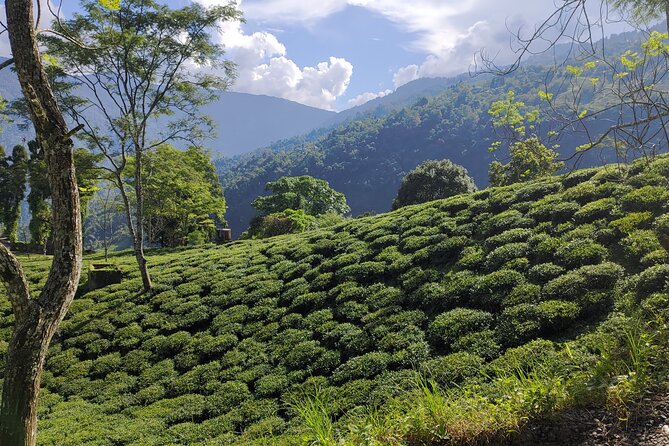
A big part of the appeal is that the day can include different estates based on real-time availability. That means you might see a mix of heritage estates, organic-focused gardens, and quieter properties that don’t get the most tourist traffic.
Here are some of the estate stops you may visit, and what makes each one interesting:
Ging Tea Estate (Lebong hills, est. 1864)
Ging is one of the more heritage-heavy names, founded in 1864, in the Lebong hills. When a garden has that kind of timeline behind it, the tour format helps you understand why traditions and techniques stick around—especially in how fields are laid out and how harvesting is approached.
This is a strong stop if you like the feel of older systems and want to compare them to newer operations you’ll see later in the day.
Rangaroong Tea Garden
Rangaroong is described as less explored, tucked between the Senchal West Forest Range and Darjeeling town. That matters because it often feels quieter. You get more breathing room while you walk and look closely at the plants.
If you enjoy slow looking—leaf patterns, picking rows, and how the garden connects to the nearby forest edge—this is the kind of stop that tends to land well.
Pubong (Poobong) Tea Garden and the Poobong Tea Room add-on
Poobong is spread across the green horizon below the Sukhia Pokhri range. There’s also a Poobong Tea Room add-on attraction, which is handy if you want a calmer moment to reset during the day.
This works well when you want your walking to alternate with a place to sit and take in what you’ve learned.
Soom Tea Garden (Soom = Lepcha triangle)
Soom is known for serene natural beauty, and the name has meaning: Soom is a Lepcha word for triangle. You’ll also hear about the habitat around the garden, with cherry blossoms, tall pine, and rhododendron trees mentioned as part of the setting.
This is the stop that feels most about place—when you want tea to connect to the hills and seasons rather than only to process.
Mim Tea Estate (Andrew & Yule Company Ltd.)
Mim Tea Estate is linked to the centuries-old Scottish-established farm of Andrew & Yule Company Ltd. If you like when tea history and business history show up in the physical world, this one gives you that thread.
It’s also a great contrast point: you can compare the heritage estate feel here with the more modern organic reputation you’ll hear about elsewhere.
Chamong Tea Estate
Chamong is highlighted as producing unique qualities of organic teas and being one of the more widespread gardens from Darjeeling. That matters because it sets you up for better tasting questions later—especially when you’re trying to understand why leaves from different gardens taste different.
Tumsong Tea Retreat
Tumsong is described as a beauty-and-heritage style tea experience. Even without heavy technical detail, a stop like this tends to feel like a thoughtful pause—good if you want your day to feel less like a checklist and more like a lived-in place.
Ringtong Tea Garden
Ringtong is known for quality plucking and an exemplary reputation on quality exports of Darjeeling teas. That makes it a smart stop if you’re the type who cares about the difference between leaf quality and just the finished drink.
When plucking quality is emphasized, you can expect the walking and explanation to focus on the picking routine.
Phubsering (Phoosbering) Tea Garden
Phoosbering is listed as one of the oldest tea estates of the Darjeeling hills and known for distinctive organic tea quality. If you like comparing older estates to newer operations, this is another “timeline” stop that helps you build a mental map.
Tukvar Tea Garden (hike down toward the river)
Tukvar includes a possible hike down to the river following the tea experience. That’s a different kind of energy than a flat garden walk—it turns the day toward moving through the terrain, not just touring it.
Makai Bari Tea Garden (old organic estate)
Makaibari is described as one of Darjeeling’s oldest organic tea estates, with a combination of nature, history, and heritage. This is a good fit if you want both meaning and scenery, and you prefer organic-focused estates where process is part of the story.
Tea factory visits and tasting: the part that makes the day stick
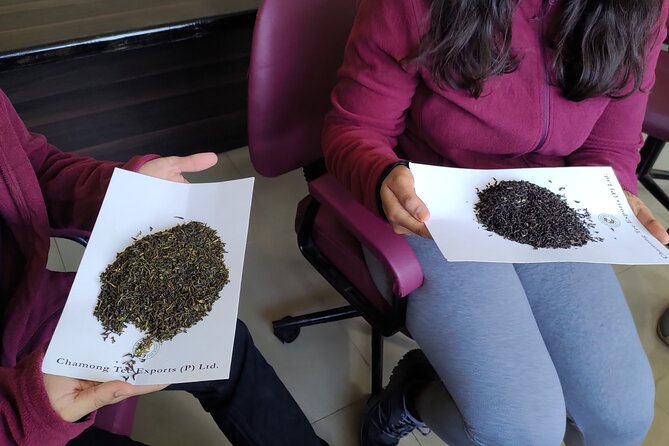
A lot of tours show you tea bushes. Fewer help you connect the dots to the cup. On this day, you get tea factory visits and an “elaborate tea tasting,” which is the key to making the day memorable after you get back to your hotel.
At the factory stops, the tone is usually practical: you’ll see how picked leaves move through processing steps, and you’ll get enough context to understand what changes in the leaf over time. Then tasting ties it together so you’re not just collecting new information—you’re using it.
I also like that the tea tasting isn’t presented as random sipping. It’s built into the structure of the day, so your senses are primed by what you saw outside.
Breakfast to lunch and the tea breaks in between
You’ll be served a packed breakfast with fresh fruits and organic Darjeeling tea. That’s useful because the day starts early and you don’t want to arrive at the garden hungry and distracted.
Lunch comes later and includes unlimited teas, bottled water, and lunch itself. The unlimited teas detail matters more than it sounds: it gives you room to try different brews without having to plan every order.
One of the most enjoyable patterns I look for on these tea days is a relaxed meal after walking. In practice, that’s where you slow down enough to notice what the guide has been pointing out all morning—then tasting makes even more sense afterward.
Forest hike and estate walks: comfort, pace, and why it’s worth it
Alongside garden visits, the day includes a forest hike and walking through the estate. This is more than a scenic extra. Those segments help you understand tea as part of the hills’ wider system—where shade, airflow, and terrain all influence how estates work.
Pace is typically gentle. One of the best signs you’re in a good operation is when the guide can keep the day smooth even when conditions change. I’ve seen guides like Sunny handle shifting conditions well, keeping explanations clear and time comfortable.
Still, plan for some uneven ground. If you’re sensitive on hillsides, bring proper footwear and use the included walking sticks if needed.
Price and value: is $85.11 a good deal?
At $85.11 per person, this tour can feel like a bargain if you compare what you get to piecemeal tea trips. The day includes private transportation, all fees and taxes, tea garden and estate visits, lunch, unlimited teas, bottled water, and an elaborate tea tasting. You’re also getting walking support if you need it.
The most important value piece is that you’re not just paying for entry tickets. You’re paying for an organized path through tea gardens plus processing context at factory stops. That makes your tasting more meaningful, not just pleasant.
You also get a mobile ticket and group discounts. It’s not a huge detail, but it supports the practical side: fewer hassles when you’re on the move.
Small notes that can change your day
A few real-world things can affect the experience, and you’ll be happier if you plan around them:
- Weather matters. The tour notes it requires good weather. If conditions are poor, you’ll be offered a different date or a full refund.
- Rest days can affect picking rhythms. There’s an operational note about not scheduling on a Sunday day of rest for tea pickers. If you’re booking for a weekend, it’s worth keeping your expectations flexible about how much plucking you may see in action.
- You’ll walk. Even with gentle pacing, estate paths add up. Bring shoes you trust.
If you’re the type who wants a perfectly predictable schedule, tea country can be a little more fluid than city touring. But that flexibility is often what keeps the day real.
Who this Darjeeling tea day suits best
This is ideal if you want more than scenery. It suits you if you:
- care about how Darjeeling tea is made and why it tastes the way it does
- like guided walking with stops that explain process, not just background
- want a day that feels structured but not frantic
- prefer a private tour where your group moves together (only your group participates)
It’s also a good choice for couples or small groups who want a quieter feel with transportation handled for you.
If you only want a short taste of tea culture with minimal walking, you might find the 5–6 hour format a bit much. But if you like hands-on understanding, it’s a solid match.
Should you book Tea Pluckers’ Day with Darjeeling Walks?
I’d book it if your goal is to understand Darjeeling tea end-to-end—bush to plucking to factory to cup—without turning it into a stressful scavenger hunt.
Choose it especially if you want:
- private transport and included tea-focused meals
- estate variety across multiple gardens and at least one factory stop
- tasting that’s tied to what you see
I’d think twice if you’re traveling with mobility limitations, hate walking on uneven ground, or need a guaranteed schedule that never shifts with picking rhythms. Otherwise, this is the kind of day that leaves you with more than photos—it leaves you with taste memory.
FAQ
What time does the tour start?
The experience starts at 8:30am.
How long is the Tea Pluckers’ Day tour?
Plan for about 5 to 6 hours.
Is pickup included?
Yes, pickup is offered, and the tour includes private transportation.
What’s included for food and drinks?
You get a packed breakfast with fresh fruits and organic Darjeeling tea, plus lunch with unlimited teas and bottled water.
Is the tea tasting included?
Yes. The tour includes an elaborate tea tasting, along with tea garden and tea estate visits.
What happens if weather is poor?
The experience requires good weather. If it’s canceled due to poor weather, you’ll be offered a different date or a full refund.