REVIEW · OSAKA
Osaka: Tea Ceremony, Calligraphy, and Kimono Experience
Book on GetYourGuide →Operated by Japan Culture Experience -Sazanka Osaka- · Bookable on GetYourGuide
A kimono makes Osaka feel personal fast. This 3-hour experience pairs tea ceremony, calligraphy, and dressing up in a peaceful studio near downtown.
What I love most is the full sequence: you start with kimono dressing and simple hairstyling, then you write your own kanji/calligraphy, and you finish with a hosted tea ceremony where you actually get hands-on with matcha. I also like that the guides (often people like Meiji, Mika, and Nokko-san) focus on patience and clear explanations, even if it’s your first time with a brush.
One thing to consider: you won’t be wandering around Osaka. You’re in one setting for the whole 3 hours, so if you want big sightseeing, this is better as a culture block, not your main day.
In This Review
- Key things you’ll notice (before you book)
- Kimono Dressing in Downtown Osaka: more than a costume change
- Tea Ceremony in Osaka: matcha technique and a quiet reset
- Japanese Calligraphy Class: kanji with patience (and a keep sake)
- What the small-group setup really changes for you
- Included vs not included: what you’re really paying for
- Included
- Not included
- Where to meet the studio (and how not to waste time)
- Who should do this Osaka class (and who might skip it)
- Price and timing: is $96 worth 3 hours?
- Should you book the Osaka Tea Ceremony, Calligraphy, and Kimono experience?
- FAQ
- How long is the Osaka Tea Ceremony, Calligraphy, and Kimono experience?
- How much does it cost?
- What languages are available for the live guide?
- What’s included in the price?
- What should I plan to pay for separately?
- Is it a private experience?
- Is there an age limit?
- What about cancellation and pay later?
Key things you’ll notice (before you book)
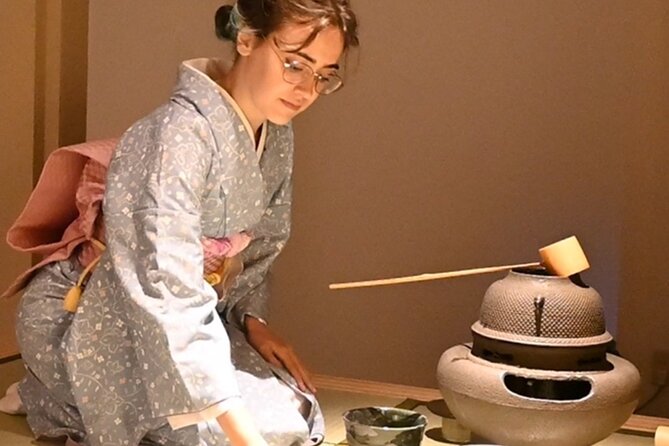
- Kimono dressing first, with staff assistance and simple hairstyling included
- Matcha tea ceremony that’s taught and interactive, not just watched
- Japanese calligraphy with guidance, so first-timers can produce something you’ll keep
- Small group size (limited to 8), which helps you get attention during instruction
- Peaceful studio setting in downtown Osaka, including a typical Japanese room feel (some spaces include a small garden view)
Kimono Dressing in Downtown Osaka: more than a costume change
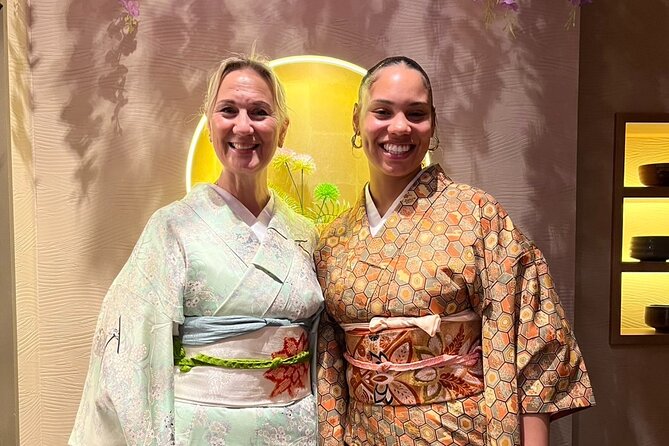
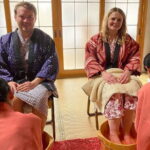
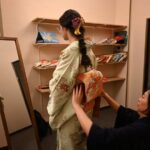
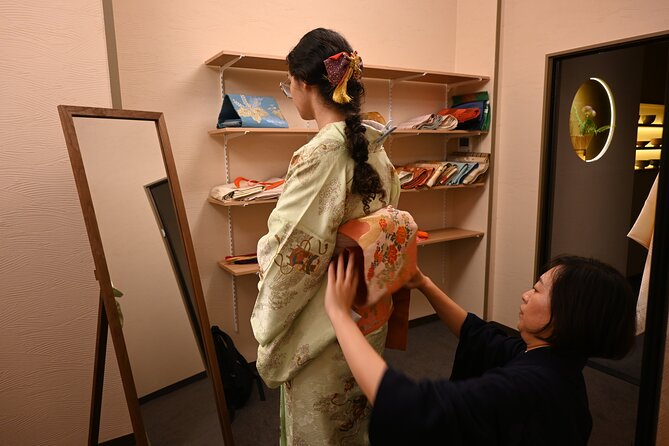
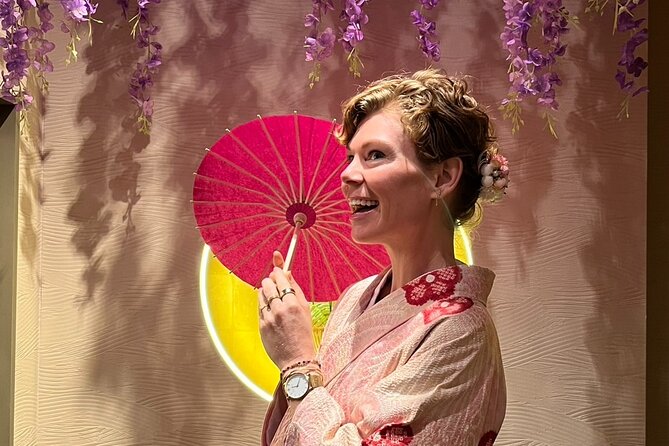
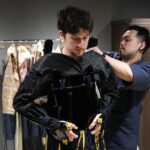
The best start here is that you get treated like you’re stepping into a real Japanese routine, not just putting on a souvenir outfit. You choose from a range of kimonos, and the staff helps you get dressed correctly. That includes the layered look, plus a simple hairstyle to match.
You’ll also notice how much the details matter. Multiple people mention that the guides pay attention to fit and comfort, including helping with sizing and choosing components that work with your body type. That’s huge for confidence, especially if you’re nervous about being in a robe.
The setting helps, too. Reviews describe the studio as modern, clean, and with enough space that you don’t feel packed in. The vibe is calmer than the usual street scene in central Osaka, which makes the rest of the class feel less rushed.
Practical tip: this place can be easy to miss because the entrance isn’t always obvious. Use the landmark guidance: look for a Lawson, find the building with the MixyHearts beauty salon on the first floor, then go up to the second floor.
You can also read our reviews of more tours and experiences in Osaka.
Tea Ceremony in Osaka: matcha technique and a quiet reset
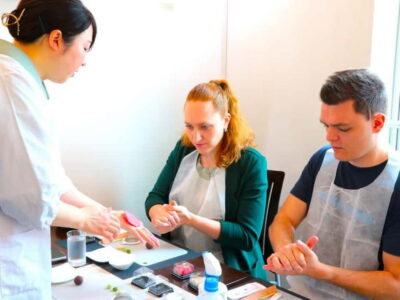
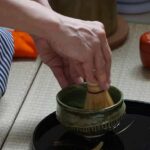
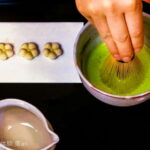
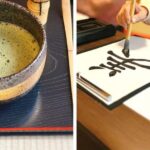
After kimono and calligraphy setup, the tea ceremony is where the experience slows down. You learn the history and the ritual side, but the tone stays practical and friendly. Then you get to do it, not just observe.
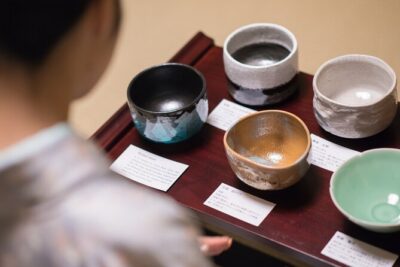
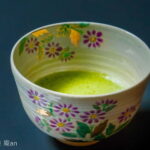
A lot of the praise points to the same moment: the chance to make or prepare your own matcha using the correct technique. That hands-on part turns tea from a “nice show” into a skill you can actually remember and talk about later.
You’ll also get small sweets with the ceremony. It’s a gentle pace thing, but it matters. Tea is meant to be a pause, and having something sweet alongside the lesson keeps the mood relaxed rather than formal.
One more detail worth knowing: the tea ceremony room is described as traditional, with a small external garden mentioned by some. Even if you don’t spend the whole time staring outside, it adds atmosphere and makes the whole session feel more grounded.
Japanese Calligraphy Class: kanji with patience (and a keep sake)
Calligraphy is often the highlight for first-timers, and not because you’re expected to be artistic. It’s because you’re taught step-by-step in a way that makes the brush feel less scary.
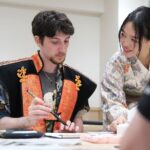
You create your own calligraphy piece with guidance from an instructor. People consistently mention being encouraged during the writing process, even when their strokes weren’t perfect. That support is the difference between a class you tolerate and a class you actually enjoy.
A very useful detail: you may practice writing kanji as part of the lesson. That turns it from simple decorative lettering into something more “Japan-world.” Plus, because you leave with your own written work, you get a real take-home memory, not just a group photo.
Also look for the “bonus” effect. One reviewer notes a free gift is included in the calligraphy session, handmade by you. Even if you’re not chasing extras, that kind of take-home item is why this combo tour makes sense as a value buy.
Practical tip: wear clothing you can move in. Your kimono might feel stiff at first, but you’ll be fine as long as you’re comfortable sitting and writing for the session.
What the small-group setup really changes for you
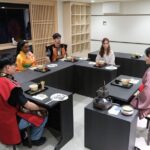
This is limited to 8 participants, and you’ll feel the difference compared to bigger, more conveyor-belt style cultural tours. Guides have time for questions, and instruction can stay practical instead of rushed.
That said, don’t assume you’ll always be in one single room together for every minute. One group of 7 mentioned they had to split during the calligraphy and tea ceremony because rooms hold about 5 people. If that happens, it isn’t a problem—it’s usually just about keeping the class comfortable and everyone able to see what’s going on.
The other big win is language support. You can have a live guide in English, Japanese, or Chinese, depending on your booking. That helps the explanations land, especially for tea rituals and calligraphy basics where names and steps matter.
Finally, you’ll see a common theme in the guide praise: people describe the hosts as patient, warm, and careful with the process—kimono fitting, brush technique, and tea steps. If you worry you’ll feel awkward, you’ll likely relax once you’re guided through the first part.
Included vs not included: what you’re really paying for
Let’s make this simple: the price is $96 per person, for a total 3-hour experience with a real cultural “package.”


Included
You get:
- Kimono costume
- Simple hairstyling
- Calligraphy (instruction + your created piece/keepsake)
- Japanese tea ceremony
- Sweets
This matters because you’re not paying three separate vendors. You’re paying for a guided flow: dressing, learning, then doing the ceremony. When you add up those elements, the cost starts to look more like a bundled cultural workshop than a short performance.
Not included
You’ll handle:
- Transportation
- Additional food or beverages beyond what’s included
- Personal expenses (like souvenirs)
- Extra hairstyling or makeup services
- Pickup and drop-off
Practical tip for your planning: budget for snacks outside the class only if your schedule demands it. Since sweets are included with tea, you may not need a full meal right before, but that depends on your day and your appetite.
Where to meet the studio (and how not to waste time)
Meeting point details are clear, but I’ll translate them into a street-smart approach.
From Tanimachi 9-chome Station (Osaka Metro):
- Use Exit 11
- Walk about 3 minutes straight
- Find a Lawson landmark
- Continue to the building with MixyHearts beauty salon on the first floor
- Enter and take the stairs to the second floor
From Osaka Uehommachi Station (Kintetsu Line):
- Use the East Exit
- Walk left about 7 minutes
- Find the building with MixyHearts beauty salon on the first floor
- Go up to the second floor once inside
One more tip: one person mentioned the entry door wasn’t labeled clearly. So don’t treat it like a “guess and check” situation. Use the Lawson + MixyHearts cues, then climb to the second floor.
Who should do this Osaka class (and who might skip it)
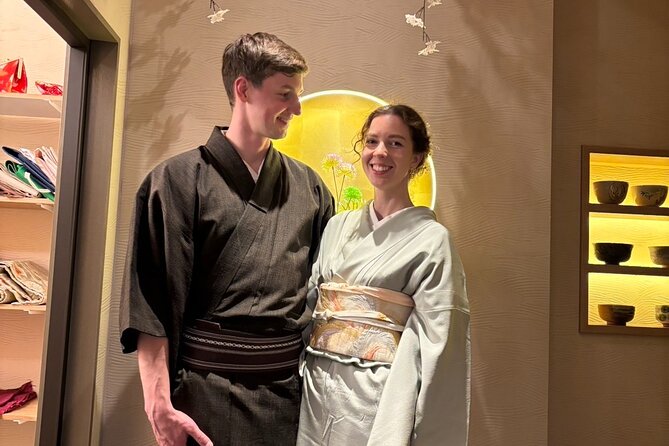
This experience fits best if you want hands-on culture in a small setting. It’s great for:
- Couples who want something memorable and photogenic, without being a gimmick
- Families looking for a guided activity that feels special
- Small groups who want attention from the guide during dressing, writing, and tea
It’s especially good for beginners. Reviews keep repeating that the guidance feels patient and supportive during calligraphy, and that the tea ceremony explanations are clear enough for first-timers.
It may not fit as well if you’re chasing nonstop sightseeing. You’ll spend your time at the studio. You can still build the rest of your day around it, but this is the “main event” for the 3 hours, not a quick add-on.
Age note: it’s not suitable for children under 2 years, and babies under 1 year.
Price and timing: is $96 worth 3 hours?
Here’s the honest way to judge value: you’re paying for a coordinated cultural workflow.
For $96, you’re getting:
1) Kimono dressing plus simple hairstyling
2) A calligraphy class where you create your own writing
3) A tea ceremony with explanation, technique practice, and sweets
That bundle is the point. If you only wanted a tea ceremony, you could find simpler options. If you only wanted a kimono photo, you’d probably pay less for just dressing. But the combo is what makes the price feel fair: it’s multiple skills and experiences in one guided session.
Timing also helps. Three hours is long enough to feel like you learned something and not just “got shown around,” but not so long that it wrecks your whole day in Osaka.
Should you book the Osaka Tea Ceremony, Calligraphy, and Kimono experience?
If you want a calm, guided, memorable cultural workshop, I’d book it. The strongest reasons are consistent: the guides like Meiji, Mika, and Nokko-san are praised for patience and clear teaching, and the experience includes hands-on parts in both calligraphy and matcha tea—not just watching from the sidelines.
One last practical checklist before you go:
- Wear comfortable clothes you can layer under a kimono
- Plan to spend the whole 3 hours focused on the studio experience
- Bring yourself with a beginner mindset for calligraphy
If you’re hoping for deep sightseeing or long free time to wander, skip it. If you want a structured cultural day that ends with something you made yourself, this is a strong pick.
FAQ
How long is the Osaka Tea Ceremony, Calligraphy, and Kimono experience?
It lasts 3 hours.
How much does it cost?
The price is $96 per person.
What languages are available for the live guide?
The experience offers live guidance in English, Japanese, and Chinese.
What’s included in the price?
It includes kimono costume, simple hairstyling, calligraphy, Japanese tea ceremony, and sweets.
What should I plan to pay for separately?
Transportation, additional food or beverages, personal expenses (like souvenirs), and extra hairstyling or makeup are not included.
Is it a private experience?
It’s a small group experience, limited to 8 participants, with a focus on receiving attention during each part.
Is there an age limit?
It is not suitable for children under 2 years, and babies under 1 year.
What about cancellation and pay later?
You can cancel up to 24 hours in advance for a full refund, and there’s an option to reserve now & pay later so you don’t pay immediately.
If you want, tell me your travel dates and whether you’re going solo or as a couple/family, and I’ll suggest the best time of day and what to pair it with in Osaka afterward.