REVIEW · OSAKA
Tea Ceremony Experience in Osaka Doutonbori
Book on Viator →Operated by Theosaka · Bookable on Viator
Tea ceremony time in Dotonbori feels like a switch flips. You’ll learn the culture and etiquette of matcha, watch the ritual being done, then make and drink your own cup with traditional sweets, all in about 45 minutes.
What I like most is how hands-on it feels without being stiff. The format keeps things family-friendly (including caffeine-free choices for children), and the class is small enough that you’re not just standing around watching.
One thing to keep in mind: getting to the exact meeting point can be confusing on Google Maps if you type the address slightly wrong. Also, kids under age 5 can’t join the regular plan, so plan ahead if you’re traveling with a very young child.
In This Review
- Key Points I Think You’ll Care About
- A Tea Ceremony Pocket of Calm in Dotonbori
- Finding Tea Ceremony Osaka The Osaka (Correct Address Tips)
- What Your 45-Minute Class Really Covers (Etiquette, History, Tools)
- Watching the Ceremony Like an Insider
- Making Matcha Yourself: Your Step-by-Step Moment
- Sweets Included: What You’ll Eat and Why It Fits
- Family-Friendly Matcha: Caffeine-Free Options for Kids
- English Instruction and Hosts Who Make It Stick
- Price and Value: Why $20.69 Makes Sense Here
- Who This Experience Fits Best
- Quick Practical Tips Before You Go
- Should You Book Tea Ceremony Osaka The Osaka in Dotonbori?
- FAQ
- How long does the tea ceremony experience last?
- What do I do during the class?
- Where do I meet for the tour?
- Is there a way to find the location in Google Maps?
- Is this class family-friendly?
- Do children get caffeine-free tea?
- Can children under 5 join the regular plan?
- What’s the group size?
- What’s the cancellation option?
Key Points I Think You’ll Care About
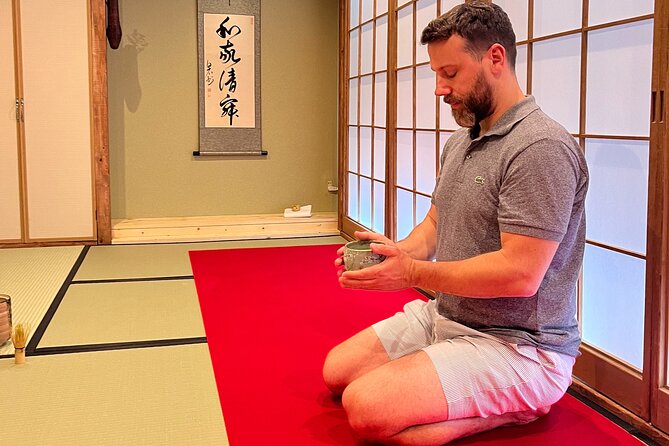
- Small group up to 15 means you get real attention while learning tools, etiquette, and pouring
- You make and drink your own matcha, not just watch someone else do it
- Family-friendly options, including caffeine-free matcha milk for children
- Central Dotonbori location, but you get calm, focused tea time inside
- English instruction and a guided step-by-step flow make it beginner-friendly
- Mobile ticket makes arrival simpler once you find the right building
A Tea Ceremony Pocket of Calm in Dotonbori
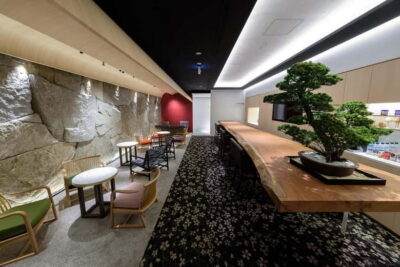
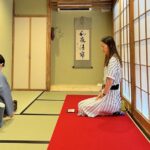
Osaka’s Dotonbori area is loud, bright, and moving fast. This experience gives you the opposite vibe: a quiet, orderly moment where matcha becomes the center of the day.
Tea ceremonies in Japan are often described as art, but what matters for you is how they train your attention. You slow down, you learn why each gesture exists, and you taste something you can actually reproduce later.
This is also a smart add-on if you’re short on time. You’re not committing to a long multi-hour program. The session is listed at 45 minutes, and you can plan the rest of your evening around it.
You can also read our reviews of more tours and experiences in Osaka.
Finding Tea Ceremony Osaka The Osaka (Correct Address Tips)
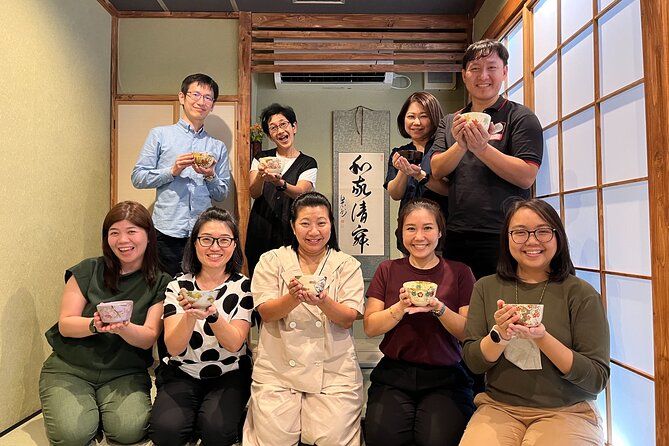
The class meets at Tea Ceremony Osaka The Osaka (茶道体験The Osaka) in Dotonbori, inside a building on the second floor. The address is listed as: 1-chōme Higashi-5-26, 道頓堀ビル 2F, Osaka 542-0077.
Here’s the practical warning that can save you time: the common mistake is entering it as 1-5-26 without the “Higashi (東)” part. When you use Google Maps, search for tea ceremony osaka the osaka, then confirm you’re landing on the correct street entry.
If you’re arriving from Dotonbori, this location is convenient because you’re near public transport. Still, give yourself a little buffer to make it smooth, especially if you’re meeting the exact start time.
What Your 45-Minute Class Really Covers (Etiquette, History, Tools)
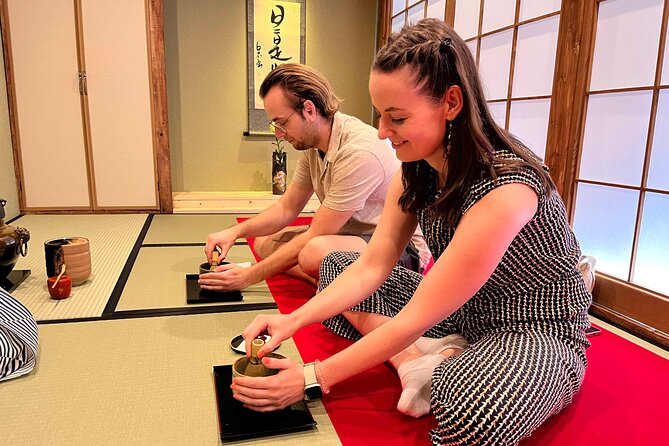
The structure is simple, and that’s a good thing. You’ll get a guided introduction to Japanese tea traditions, including cultural background and the etiquette behind the ceremony.
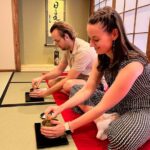
Then you’ll watch the tea being prepared and served. That viewing step matters because matcha isn’t just a drink. It’s a sequence: how the whisk is handled, how the tea is made, how you receive the cup, and how you take a sip respectfully.
After the demonstration, you’ll move into the practical part. The flow keeps you engaged, and it also answers the big beginner question: what do I do with my hands, where do I look, and when is it my turn?
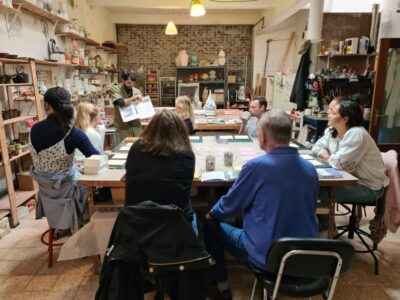
Group size is capped at 15 travelers, which helps the instruction stay personal. In a room like this, a smaller group makes it easier for the teacher to correct your technique and keep the ceremony moving at a calm pace.
Watching the Ceremony Like an Insider
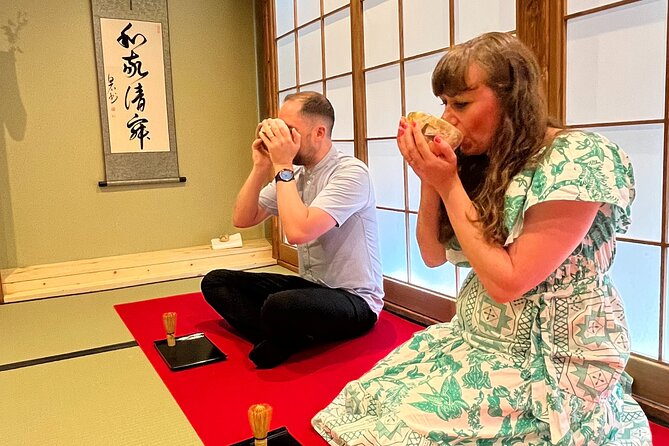
Before you make your own tea, you learn by watching. The teacher explains what’s happening and why, so the ceremony doesn’t feel like random choreography.
One of the standout parts from people’s experiences is that the host approach keeps things relaxed while still being respectful. You might notice small playful moments too, like light sound effects or friendly humor during instruction. That doesn’t “break” the tradition. It actually helps you feel comfortable enough to follow along.
Another thing to notice is how the teacher connects tea to etiquette, not just procedure. You’re not only learning how to whisk matcha, you’re learning how the ceremony sets a tone of attention and equality among participants.
That contrast is part of the magic: the city noise is right outside, but inside you’re practicing a ritual that asks you to slow down on purpose.
Making Matcha Yourself: Your Step-by-Step Moment
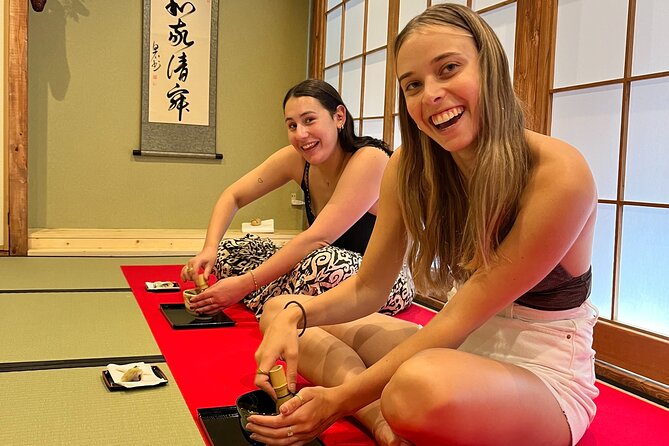
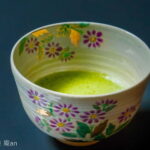
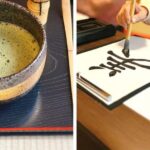
This is the core value of the experience. You’ll learn how to make matcha and then you’ll drink what you made.
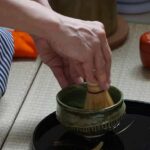
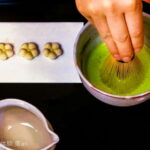
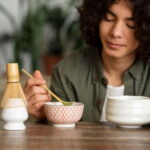
Expect guidance on the key tool work: the whisk technique and how you mix matcha properly. You’ll also learn how to follow the serving rhythm, so your tea time feels like part of the ceremony rather than a cooking demo.
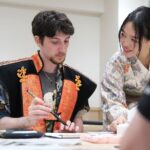
The class is designed for beginners. People often like that it’s interactive, meaning you’re not stuck waiting. You’ll get a chance to do each step, ask questions, and adjust your technique while you’re still in the teaching flow.
Some experiences also include time for you to serve or practice polite movements (the tea etiquette piece). That’s helpful if you want a deeper cultural understanding rather than just a tasty beverage.
And yes, you’ll taste the result. That final sip is where the lesson clicks. Matcha isn’t like coffee or hot chocolate. When the texture and preparation are right, it feels smoother and more balanced than the powder alone ever suggests.


Sweets Included: What You’ll Eat and Why It Fits
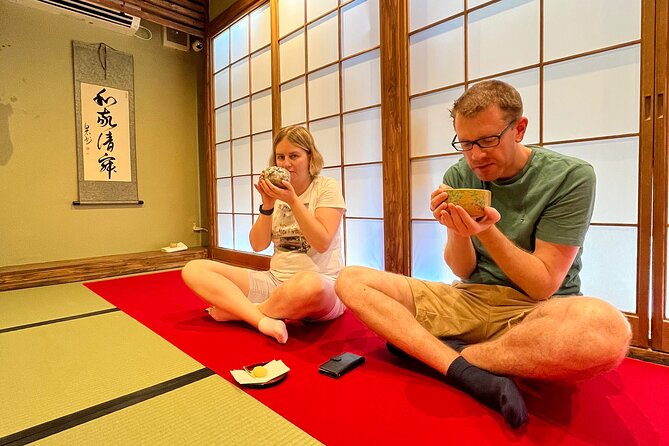
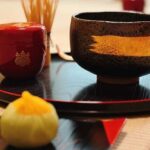
Along with matcha, you’ll enjoy traditional Japanese sweets. The class format includes you tasting matcha and treats, and the sweets are part of how the ceremony becomes a full experience rather than just a drink-making workshop.
The sweets are served after the tea preparation and play a role in pacing. They give you a change in flavor and texture while you settle into the ceremony rhythm.
A practical note: if you have dietary limits, you should check with the provider before booking, since the data here only says sweets are included and doesn’t list ingredient details. Matcha and sweets together can be a lot of sweetness for some people, so it helps to go in with a realistic expectation.
Family-Friendly Matcha: Caffeine-Free Options for Kids
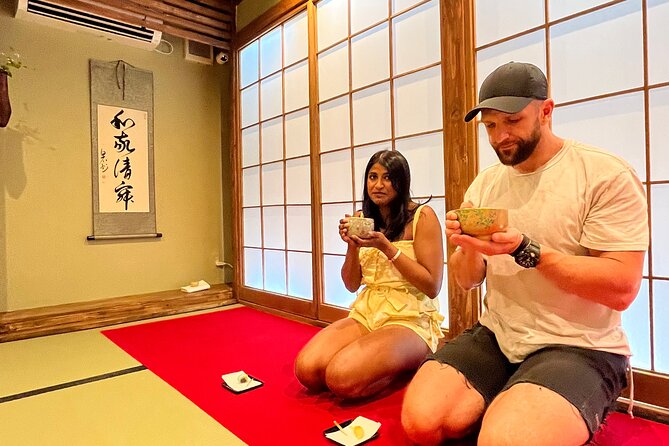
If you’re traveling with kids, this class has a clear advantage. It includes caffeine-free options for children, specifically caffeine-free matcha milk.
That matters because matcha typically contains caffeine, and it can be hard to find a tea experience that doesn’t force kids to sit out. Here, children can take part in the ceremony flow in a safer way.
There’s also an important age consideration. If you’re accompanied by a child under 5, you need to contact the provider in advance because they cannot join the regular plan. The info also indicates that children under 5 may not be allowed to enter even if they hold an adult ticket.
If you’re traveling with a child 5 or older, this is one of the friendlier tea options in central Osaka. The experience is designed to keep families included rather than splitting adults and children into separate tracks.
English Instruction and Hosts Who Make It Stick
A big part of why people rave about this class is the way it’s taught. The teacher explains the steps and cultural meaning clearly, and the small-group size helps you keep up.
Different hosts show up in people’s experiences, including names like Kazu and Mai. You may also encounter other assistants, depending on the day and group size.
From what’s shared about past sessions, hosts tend to:
- explain the tools and etiquette in plain language
- guide you through making your own matcha cup
- keep the room warm and calm, even in a busy neighborhood
If you’re worried about feeling awkward as a beginner, don’t. The structure is built for learning. You’re expected to ask questions and try the steps, not already know the ceremony.
Price and Value: Why $20.69 Makes Sense Here
At $20.69 per person, this isn’t a budget activity, but it also isn’t an all-day splurge. For that price, you typically get several “value units”:
- an instructor-led introduction to tea ceremony culture and etiquette
- a demonstration of traditional preparation and serving
- time to make matcha yourself
- matcha tea to drink plus traditional sweets
- a small group format capped at 15 people
In a central area like Dotonbori, that combo is the key to the value. You’re paying for an organized cultural lesson plus hands-on time, not just a tasting.
Also, because the class is short, you can fit it easily into a realistic Osaka day. That matters for value, too. Saving time often beats trying to stack three big paid activities back-to-back.
Who This Experience Fits Best
This class is a strong match if you:
- want something cultural you can actually do, not just watch
- like small-group activities where you can ask questions
- want a calm break from busy city walking
- are traveling as a family and need a caffeine-free option for kids
It’s also a good choice if you’re new to Japan and want one tradition you can understand quickly. The ceremony gives you a meaningful taste of Japanese culture without requiring advanced experience or special gear.
If you’re the type who needs a slow, mindful activity during your trip, this can be a great reset. If you want nonstop thrills, you might find it too quiet. But for most people looking for something memorable and grounded, it lands well.
Quick Practical Tips Before You Go
A few small things can make your experience smoother:
- Confirm the address includes Higashi (東) in Google Maps
- Plan to arrive a little early so you’re not rushing up to the second floor
- If you’re bringing a child under 5, contact the provider in advance
- Expect a calm, structured pace even though you’re in Dotonbori outside
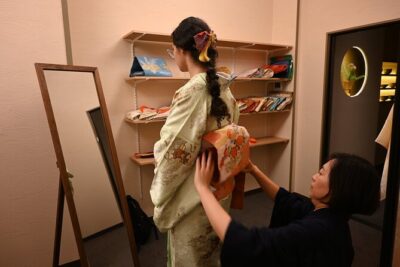
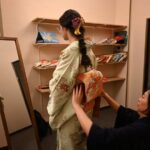
- Wear comfortable clothes you can sit and move in (you typically do not need to change into traditional attire)
Should You Book Tea Ceremony Osaka The Osaka in Dotonbori?
I’d book it if you want a real cultural experience with a practical payoff: you learn, you make matcha, and you taste something you can replicate later.
This is especially worth it when you appreciate calm, etiquette, and hands-on learning. The small-group cap, the chance to make your own matcha, and the inclusion of caffeine-free options for kids are a rare combination in a central Osaka location.
Skip it only if you’re tight on time, hate quiet activities, or you have a very young child under 5 who needs special confirmation for entry. In that case, message first so you don’t lose time.
If you’re in Osaka and you want a short, authentic ritual that feels worlds away from the street noise, this one is a strong yes.
FAQ
How long does the tea ceremony experience last?
It’s listed at about 45 minutes.
What do I do during the class?
You learn the culture and etiquette of the tea ceremony, watch a traditional preparation, and then make and drink your own matcha. Japanese sweets are also included.
Where do I meet for the tour?
You meet at Tea Ceremony Osaka The Osaka (茶道体験The Osaka) at 1-chōme Higashi-5-26, 道頓堀ビル 2F in Dotonbori. The experience ends back at the meeting point.
Is there a way to find the location in Google Maps?
Yes. Use Google Maps to search for tea ceremony osaka the osaka. Be careful with the address wording, because the correct one includes Higashi (東).
Is this class family-friendly?
Yes. It’s described as family-friendly, with caffeine-free options for children.
Do children get caffeine-free tea?
For children’s matcha, the class offers caffeine-free matcha milk.
Can children under 5 join the regular plan?
No. If you have a child under 5, you need to contact the provider in advance because they cannot join the regular plan, and children under 5 may not be allowed to enter.
What’s the group size?
The maximum is 15 travelers.
What’s the cancellation option?
You can cancel for a full refund if you cancel at least 24 hours before the start time. Free cancellation is offered up to that window.