REVIEW · OSAKA
Premium Kimono Dressing, Tea Ceremony, Calligraphy, Samurai show
Book on Viator →Operated by 道-michi- · Bookable on Viator
Kimono, tea, and calligraphy in one Osaka stop. I like the kimono dressing setup because you get clear, step-by-step help to look and feel correct, not just dressed up for a photo. I also like the calligraphy lesson, especially because your finished work can be framed so it doesn’t turn into another folded souvenir you regret later.
The main thing to consider: kimono dressing is women only, and armor dressing isn’t included. If you want to try the real armor experience, plan on paying extra, and the tour also notes a souvenir cost of ¥10,000 per person.
In This Review
- Key highlights worth knowing
- Entering -michi-: why the setting matters in Osaka
- Kimono dressing for women: more than a photo costume
- Tea ceremony and matcha: calm ritual, clear instructions
- Calligraphy lesson (and framing): a keepsake that feels real
- Samurai show and traditional music: watching with context
- Courtyard and historical gallery time: photos without the scramble
- Price and value: what you’re really paying for
- Timing, comfort, and who should book this
- Should you book this Osaka kimono, tea, calligraphy, samurai show?
- FAQ
- What’s included in the Premium Kimono Dressing, Tea Ceremony, Calligraphy, Samurai show?
- Is kimono dressing available for men?
- Is armor dressing included?
- Do I need to pay for souvenirs?
- How long does the experience last?
- Where in Osaka does the tour take place?
- How do I get my ticket?
- Is the tour near public transportation?
- Who can participate?
- What is the cancellation policy?
- Is booking far in advance necessary?
Key highlights worth knowing
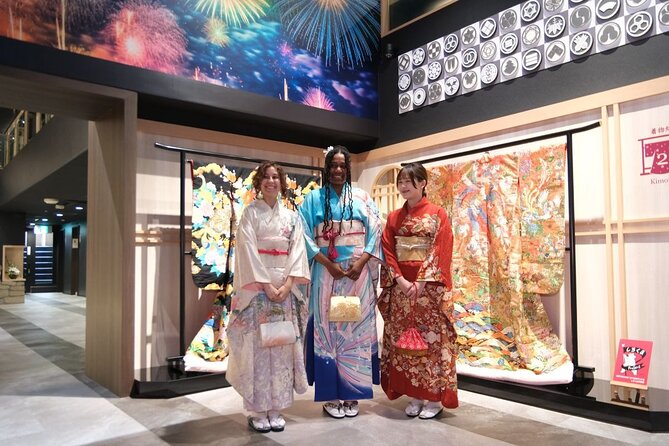
- Women-only kimono dressing with expert help so the fit and look actually make sense
- Tea ceremony plus making your own matcha, with guidance to keep it stress-free
- Calligraphy instruction that ends with framing for a real keepsake
- Traditional music performance as part of the cultural flow
- Samurai sword performance that turns watching history into something you can react to
- A calm courtyard and historical gallery that make photos easier than you’d expect
Entering -michi-: why the setting matters in Osaka
This experience is built around a special-feeling base in Osaka, at Shinsaibashi ARTY Inn, run by 道-michi-. What I like about that location choice is that you’re close to where most people already are, yet you still step into a calmer courtyard-and-gallery mood once you arrive.
You’ll spend about 3 hours total, and the pacing is designed so you’re not just sitting through a show. Instead, you cycle through hands-on arts (kimono, tea, calligraphy) and then a performance element (traditional music and a samurai sword show). That mix is a smart way to learn culture without feeling like a classroom.
Also, expect a mobile ticket and confirmation received at booking. The tour is described as near public transportation, which matters in Osaka because hopping between neighborhoods can eat up your day if you’re not careful.
You can also read our reviews of more tours and experiences in Osaka.

Kimono dressing for women: more than a photo costume
Kimono dressing here is women only, and that single detail changes how you should plan. If you’re a woman, this is one of the more straightforward ways to get a proper kimono experience without trying to figure out knots, angles, and timing by yourself.
What you’ll likely appreciate is that the staff handle the details for you. Based on the way the experience is described, it’s not a quick slip-on routine. You get explained steps, and the guidance is the difference between looking okay and looking right.
A practical tip: plan to arrive with enough time to slow down. Kimono dressing works best when you can move smoothly and listen for instructions. Once you’re in the outfit, you’ll want to take photos, but also remember you’re wearing real clothing with a real structure. Move gently, keep your posture aware, and you’ll get more out of the experience.
Finally, don’t assume you’ll automatically get armor dressing. The tour specifically lists armor dressing as not included, so treat kimono dressing as your core activity if you want predictable value.
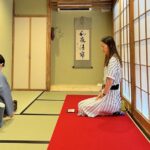
Tea ceremony and matcha: calm ritual, clear instructions
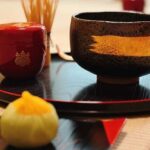
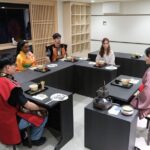
The tea ceremony is part of the package, and it’s positioned as one of the cultural anchors of the evening. What makes this format work for most first-timers is that tea isn’t shown as a mystery. You’re guided through the process, so you know what you’re doing and why the steps matter.
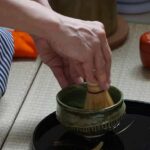
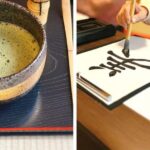
You can also expect to create your own matcha, based on the experience overview. That’s the kind of hands-on element that turns tea ceremony from something you watch into something you remember. Even if your technique is imperfect, the point is participation, not perfection.
What I like is the pacing between activities. After kimono dressing, your brain is already switching gears. Tea gives you a different kind of focus. It slows everything down, so when you later move into calligraphy and the samurai show, it feels like you’re moving through different rooms of culture rather than rushing from one thing to another.
Calligraphy lesson (and framing): a keepsake that feels real
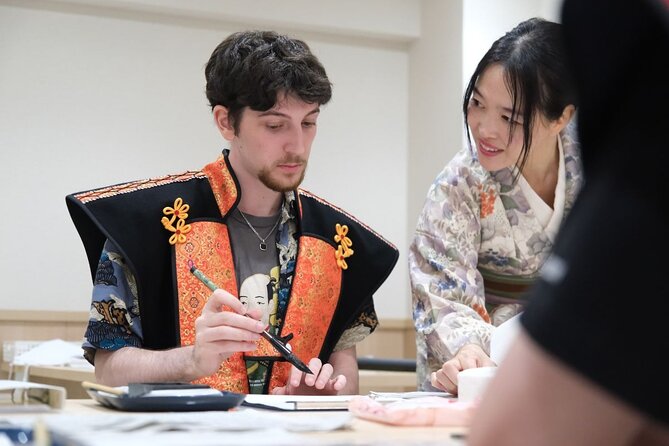
Calligraphy is where many people end up quietly surprised. It’s not just about learning to write; it’s about understanding the process enough to finish with something you can keep.
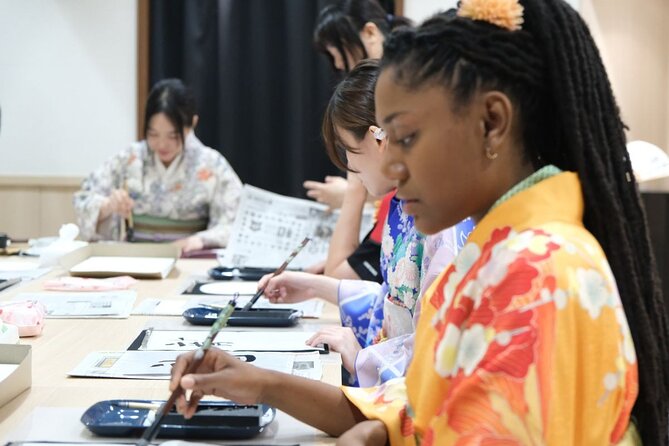
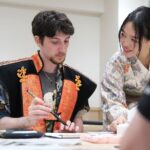
Here, the calligraphy lesson is included, and the experience is designed to help you produce a result that you’ll want to hang. One of the standout details in the provided feedback is that people were able to get their work framed, which turns your effort into an actual memory piece instead of a piece of paper that disappears in a drawer.
If you worry you’ll be bad at handwriting skills, don’t. This kind of guided instruction is meant for amateurs. Your goal is to follow the steps and finish with a piece you’re proud of. The staff explanations are described as attentive and meaning-focused, which is exactly what you want when you’re learning an art that has structure.
Practical note: wear clothes that are comfortable to sit in. Calligraphy can involve careful hand movement and leaning over. You’ll enjoy the lesson more if you’re not fidgeting with what you’re wearing.
Samurai show and traditional music: watching with context
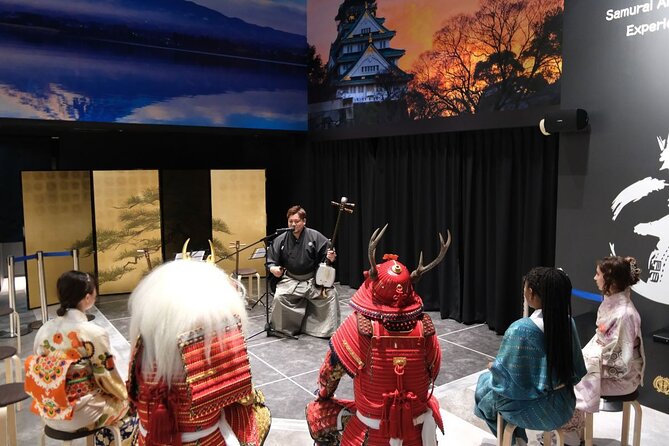
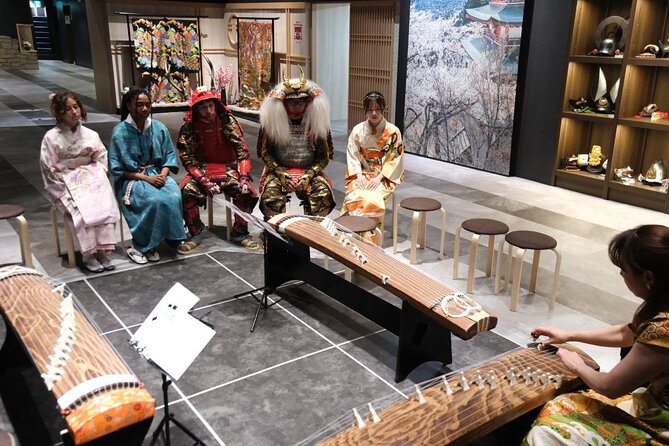
After the calmer arts, the experience shifts into performance mode with traditional Japanese music and a samurai sword performance. This is a smart pairing. Music sets the atmosphere, and then the sword segment gives you movement and drama that you can actually watch without needing background knowledge.
If you’re expecting a costume parade, this is a bit different. The tone is more about cultural presentation: the staff explain things, and the performance feels like it has context rather than being a random add-on.
You may also see an option connected to armor dressing. The tour information lists armor dressing as not included, but the experience overview references the world of the samurai, and the feedback you provided includes interest in trying on real armor. So here’s the straight advice: if trying on armor is a big priority, treat it as an add-on possibility and ask when you book what’s covered versus what costs extra.



Courtyard and historical gallery time: photos without the scramble
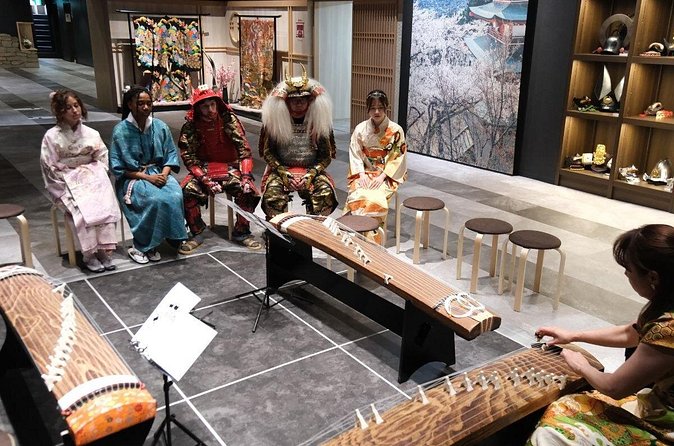
One of the less glamorous but very useful parts of this experience is the setting you get to use while you’re dressed up. You’ll explore a serene courtyard and a historical gallery, and that matters because kimono photos look better when there’s a real backdrop rather than a bare wall.
What I recommend: take your photos in a short, calm window before you get fully wrapped up in the next activity. Once you’re in calligraphy mode, you’ll want to stay focused. And once the performance starts, you’ll be glad you saved photos for a time when you can actually enjoy them.
Also, remember that you’re in a shared space with other visitors and staff. Move thoughtfully, keep your voice down when appropriate, and you’ll feel more welcome and less rushed.
Price and value: what you’re really paying for
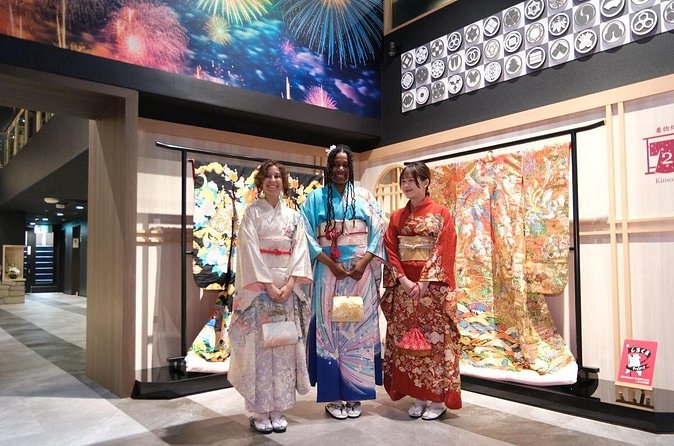
The price is $123.49 per person for about 3 hours, which is not cheap for Osaka—but the structure explains why. You’re not paying for one item. You’re paying for a coordinated cultural bundle: kimono dressing (women only), tea ceremony, calligraphy, plus traditional music and a samurai sword performance.
Value comes from two places:
First, the included hands-on parts. People often underestimate what staff time is worth when you factor in guided dressing and instruction for arts like tea ceremony and calligraphy. That guidance is the difference between a fun activity and a frustrating one.
Second, the experience design. You’re in one place for the full run, using the courtyard and gallery while the day stays coherent. That reduces the friction of hunting separate venues and building your own schedule.
About extras: armor dressing isn’t included, and there’s also a note about a souvenir costing ¥10,000 per person. If you’re trying to budget tightly, decide ahead of time whether souvenirs are important to you, and whether you want the optional armor component.
If you’re booking far ahead, note that this is commonly reserved about 42 days in advance on average. That’s a clue that popular times fill up, so don’t wait for a last-minute plan if you want a specific day.
Timing, comfort, and who should book this
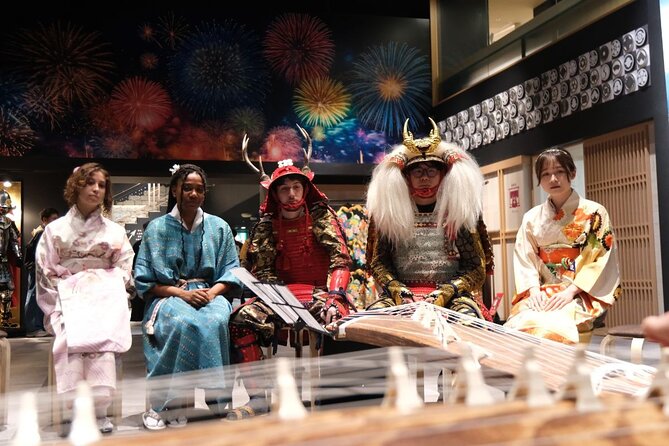
This is a 3-hour experience, and the “short but varied” format is its superpower. In practice, it works well if you want an authentic-feeling arts session but don’t want to sacrifice an entire half-day to logistics.
Who it suits best:
- First-time visitors who want multiple Japanese culture activities in one morning or afternoon block
- People who want hands-on learning (tea and calligraphy), not just watching
- Anyone who values staff explanations and a guided pace
Who should think twice:
- If you’re looking for a full samurai armor experience only, because armor dressing isn’t included
- If you’re not a woman, because kimono dressing is women only
Comfort tips that help you enjoy everything more: wear easy-to-adjust clothing before dressing, and be ready to slow down for kimono handling. You’ll get better photos and a smoother time if you don’t rush your movement.
Should you book this Osaka kimono, tea, calligraphy, samurai show?
I’d book it if you want a focused cultural session that’s more than a quick costume stop. The strongest reasons are the included kimono dressing for women, the tea ceremony with your own matcha, and the calligraphy lesson that can end with framing. Add in the traditional music and samurai sword performance, and you get a balanced mix of doing and watching.
Skip or reconsider if armor is your main goal, since armor dressing isn’t included and there’s an extra souvenir cost noted. Also, if you’re not eligible for the women-only kimono dressing, this won’t fit your needs as designed.
If you want an Osaka activity that’s easy to understand, guided, and actually memorable weeks later, this is a solid choice.
FAQ
What’s included in the Premium Kimono Dressing, Tea Ceremony, Calligraphy, Samurai show?
The included items are kimono dressing for women, tea ceremony, calligraphy, and a Japanese traditional music performance.
Is kimono dressing available for men?
No. The package specifies kimono dressing is women only.
Is armor dressing included?
No. Armor dressing is not included.
Do I need to pay for souvenirs?
A souvenir cost of ¥10,000 per person is listed as not included, so you should plan for that if you want souvenirs.
How long does the experience last?
It’s about 3 hours.
Where in Osaka does the tour take place?
The experience takes place at Shinsaibashi ARTY Inn.
How do I get my ticket?
You’ll receive a mobile ticket.
Is the tour near public transportation?
Yes, it’s described as being near public transportation.
Who can participate?
The info says that most travelers can participate.
What is the cancellation policy?
You can cancel for a full refund up to 24 hours in advance. If you cancel within 24 hours of the start time, there’s no refund.
Is booking far in advance necessary?
It’s commonly booked about 42 days in advance on average, so booking earlier helps if you have specific dates in mind.