REVIEW · ANTALYA
Antalya: Old Town Walking Tour with Turkish Tea and Baklava
Book on GetYourGuide →Operated by TOURMANIA · Bookable on GetYourGuide
Cobbles, tea, and ancient gates in two hours. This is a tight, guide-led stroll through Kaleici that links major sights like Hadrian’s Gate, the Clock Tower area, and Hıdırlık Tower with regular photo stops and quick context so the Old Town feels like one story, not a list.
I like that you also get a real pause with Turkish tea and baklava, so the walk doesn’t run on empty. The one watch-out is that you’ll be on cobblestones for a couple hours, and if you pick a hot midday slot (12:30 has been called out), you’ll want to plan for heat.
In This Review
- Key highlights worth your time
- Antalya Kaleici: why a 2-hour walking loop feels right
- Meeting at Atatürk Cd. No:38, in front of McDonald’s
- Hadrian’s Gate (Üç Kapılar): the Roman entrance that anchors your whole walk
- Clock Tower and the Antalya Castle edge: getting your bearings
- Yivli Minaret Mosque: Seljuk architecture you can actually spot
- Hıdırlık Tower: Roman-era stone with a view worth the climb
- Antalya Ethnographic Museum stop: context, not just sightseeing
- Old Harbor in Kaleici: where the sea meets the streets
- Tea and baklava: the included pause that actually feels worth it
- Guides make the difference: English storytelling that connects the dots
- Price and value: what $29 buys you in real time
- Timing tips: choose your start to avoid the worst heat
- Who should book this (and who should skip it)
- Should you book this Antalya Old Town walking tour?
- FAQ
- How long is the Antalya Old Town walking tour?
- How much does the tour cost?
- Where do I meet the guide?
- Is the guide available in English?
- What major sights are included on the walk?
- Is Turkish tea included?
- Is baklava included?
- Are entrance fees included?
- Are food and drinks included besides tea?
- Can I cancel and get a full refund?
Key highlights worth your time

- Hadrian’s Gate (Üç Kapılar): a Roman-era entrance that instantly sets the scene
- Tea-and-baklava break in Kaleici: a simple, crowd-pleasing reset
- Clock Tower + castle orientation: learn what you’re looking at as you walk
- Yivli Minaret Mosque: Seljuk-era details you’ll notice once someone points them out
- Hıdırlık Tower hill views: Roman roots with a big panorama payoff
- Entrance fees included + skip the ticket line: less friction on a short tour
Antalya Kaleici: why a 2-hour walking loop feels right
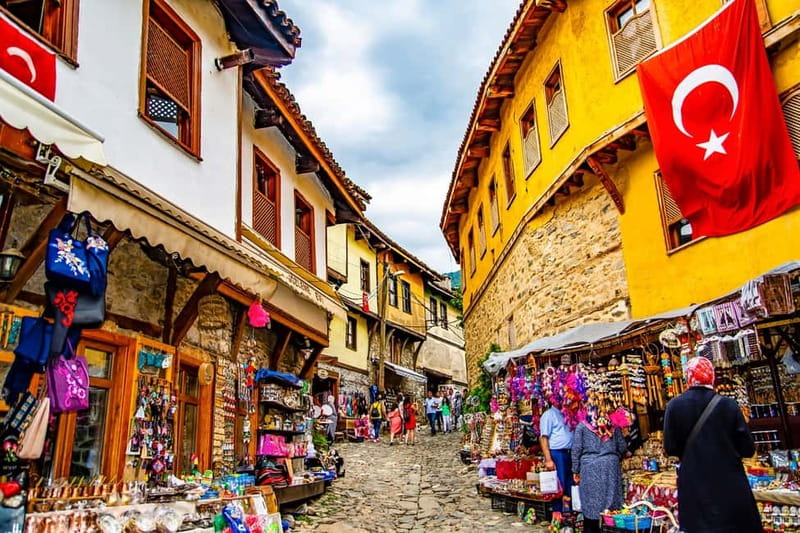
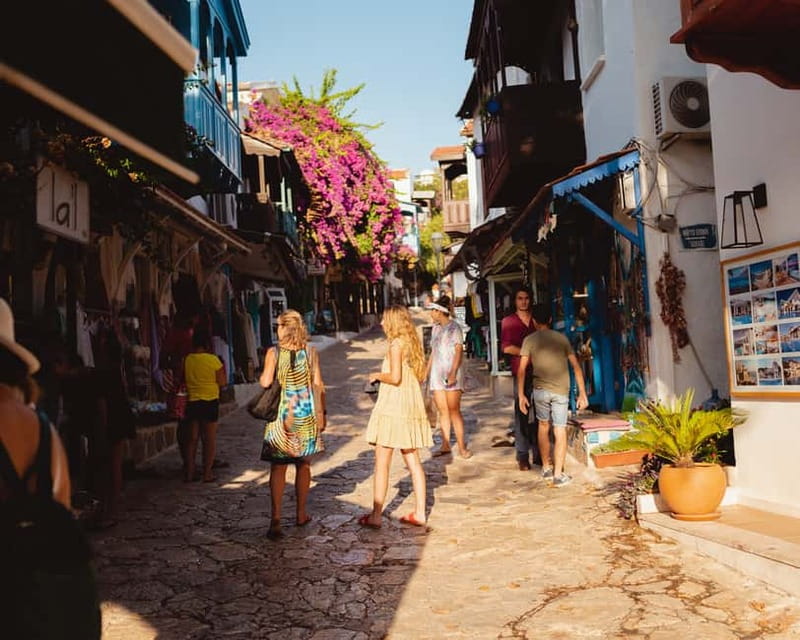
Antalya’s Old Town, Kaleici, is compact but not simple. Streets twist, angles change, and the landmarks don’t sit politely in a straight line. That’s why this format works: you cover enough ground to see the key “I’m in Antalya” moments, but you’re still moving at a human pace with breaks built in.
Most of the value is in what a good guide does with your time. You’re not just staring at stones and towers—you’re picking up names, dates, and what each place meant at the time. That turns a wander into orientation. And in a place like Antalya, orientation is half the fun.
You can also read our reviews of more tours and experiences in Antalya.

Meeting at Atatürk Cd. No:38, in front of McDonald’s
Plan to be on time. The meeting point is listed as Atatürk Cd. No:38, and you’ll meet your guide in front of McDonald’s. It’s an easy landmark to spot, which matters in Kaleici’s tight lanes where getting turned around can cost time.
A small practical tip: if you’re arriving by foot, give yourself buffer time so you can walk calmly to the start rather than speed-walking. One reason this tour earns praise is that it’s organized enough to flow well through narrow streets—showing up late can make you feel like you’re chasing.
Hadrian’s Gate (Üç Kapılar): the Roman entrance that anchors your whole walk

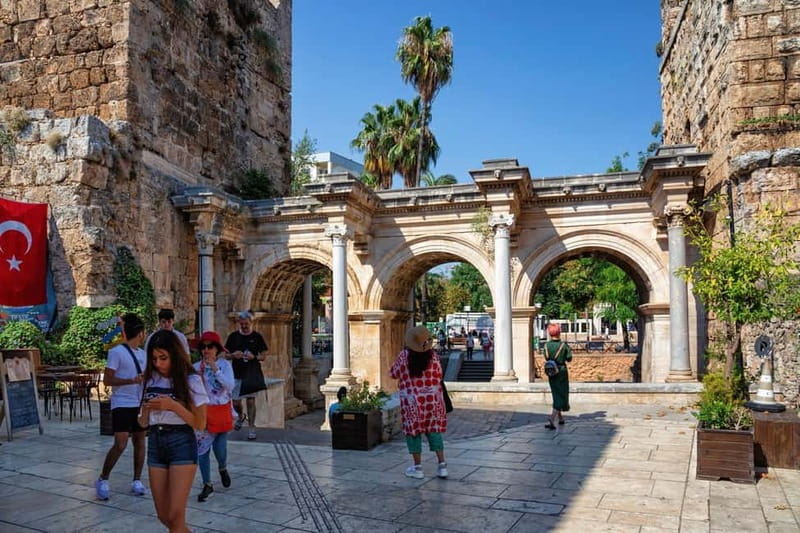
You’ll start seeing the Old Town through the lens of Roman Antalya fast, because Hadrian’s Gate is one of the first big stops. This monumental arch—also known as Üç Kapılar (Three Gates)—was built in 130 AD in honor of Emperor Hadrian’s visit. Even if you’ve seen Roman arches before, this one hits differently because it functions like a doorway into the story of the city itself.
What I like about this stop is the way it helps you connect everything you’ll see later. A gate isn’t just scenery. It’s a sign of where power flowed, where traffic moved, and how cities marked boundaries. Once you understand it as an entrance point rather than a photo backdrop, you start noticing patterns everywhere else.
Photo-wise: aim to capture both the arch and the street perspective beyond it. The gate gives you a natural frame, and it also helps you remember where you are in the walk.
Clock Tower and the Antalya Castle edge: getting your bearings
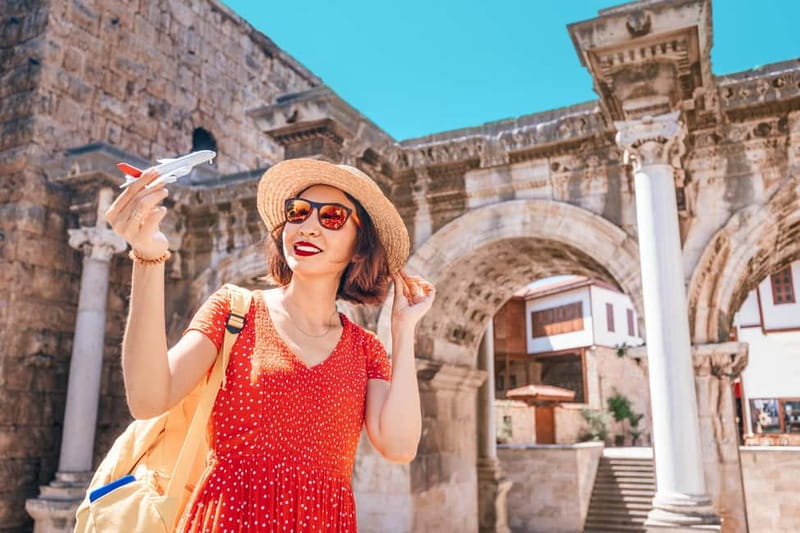
Next up is the Clock Tower, built in 1901. The key detail here is that it served as a main entrance to Antalya Castle, so it’s not just a pretty structure perched above rooftops. It’s a landmark that turns the surrounding buildings into a route map.
If you’ve ever visited a historic district and thought, I’m seeing great things but I don’t know how it all connects—this stop helps fix that. You’ll get the feeling that the Old Town has logic: edges, approaches, and viewpoints, not random scatter.
And because there are photo stops built into this part of the walk, you can pause for height and angles rather than rushing past because you’re unsure what matters.
Yivli Minaret Mosque: Seljuk architecture you can actually spot
The Yivli Minaret Mosque is one of Antalya’s best-known silhouettes. It’s a 14th-century mosque from the Seljuk period, and the minaret has eight fluted sections, which is the kind of detail your eyes won’t always catch on your own.
This is a great moment to slow down, because mosque exteriors are often easier to appreciate when you know what to look for. The minaret’s segmented design, the proportions, and how it sits in the Old Town skyline all make more sense when someone frames it for you.
Also, it’s still a place of worship, so keep your behavior respectful and your photos quick. You’ll get a better experience when you treat it like a living site, not a prop.
Hıdırlık Tower: Roman-era stone with a view worth the climb
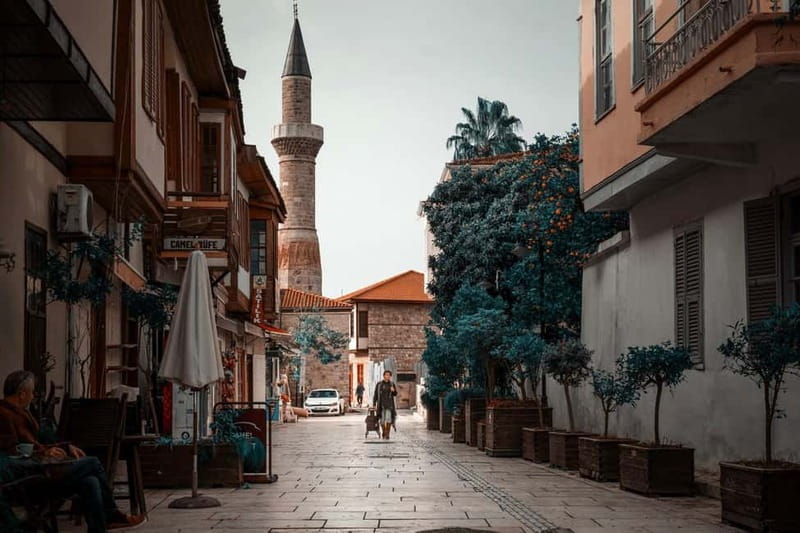
Hıdırlık Tower is Roman-era, dating back to the 2nd century AD. It sits on a hill overlooking Old Town and the Mediterranean Sea, and historically it even served as a lighthouse during the Middle Ages.
This stop is one of the reasons I like the tour length. Two hours is short, so you want high payoff per minute. The tower does that. You see old infrastructure, then you get the horizon. The view helps you understand why Antalya’s location mattered for trade and movement—sea access was the city’s engine.
Even if the lighting is harsh, take one wide shot. The hilltop perspective gives you a mental picture that makes the rest of the streets feel less confusing when you return later on your own.
Antalya Ethnographic Museum stop: context, not just sightseeing

Part of the route includes the Antalya Ethnographic Museum. If you’re the type who likes to understand how people lived—not only what rulers built—this kind of stop adds real weight.
It also balances the walking. After cobblestones and open-air views, a museum moment gives your feet and brain a break. Entrance fees are included, so you’re not stuck deciding on the spot whether it’s worth paying extra on your day.
One small thing to watch: some versions of the walking day can include a carpet shop visit. That doesn’t automatically mean pressure or a long detour, but it can add time and sales talk. If you’re not interested, go in with calm expectations and you’ll keep control of your schedule.
Old Harbor in Kaleici: where the sea meets the streets
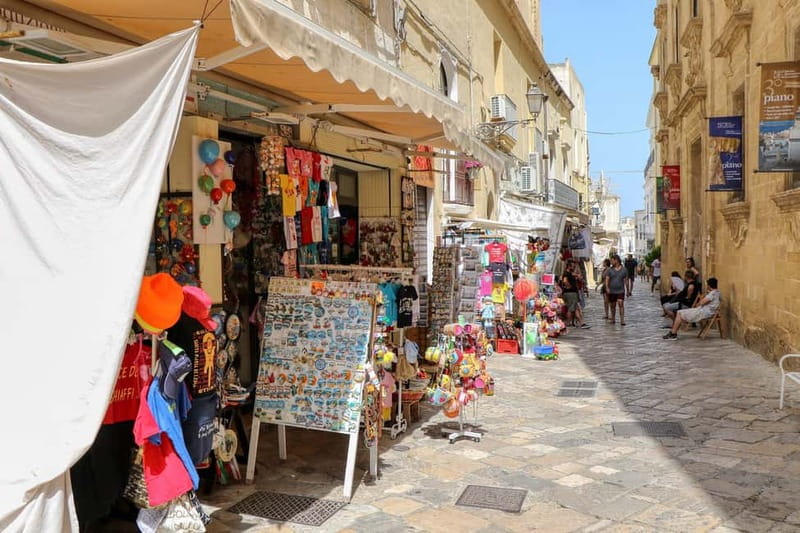
As you walk through Kaleici, you’ll also work in the Old Harbor area. It’s described as a must-see, and the vibe is different from the Roman and Seljuk landmarks. Here the story shifts toward trade, boats, and daily life at the water’s edge.
The harbor is especially good for lingering around sunset—the panorama is the kind of scene that makes you pause even if you’re in a hurry. Even without perfect weather, the docks and the mix of boat sizes give you that Mediterranean port feeling.
If you’re hungry, the harbor area also has restaurants serving seafood nearby. Your tour includes tea and baklava, so you’re not doing a full meal on the walk, but you’ll be set up to pick something after.
Tea and baklava: the included pause that actually feels worth it
The tour includes Turkish tea and baklava, and this isn’t the cheap, throwaway kind of snack stop you sometimes get on short tours. It’s placed as a break in the walk, which matters.
Here’s why I think this is good value: tea and dessert are part of how local hospitality shows up in daily life. You get a moment of calm, then you’re ready to keep exploring with better energy. It’s also a good time to ask your guide practical questions, like where to wander next in Kaleici or what to skip if you’re short on time.
If you get a guide who’s friendly and talkative—names like Ali, Ibrahim, Ozzie/Oğuzhan Söyleyici, Recep, Yiğit, Fuat, and Ozi have all come up—you’ll likely get more than just facts. You’ll get tips about how Antalya works beyond the headlines.
Guides make the difference: English storytelling that connects the dots
This is a live English guided tour, and the strongest praise centers on the guides’ ability to connect history to what you can see. Different names show up across different groups—Ali, Ibrahim, Recep, Oğuzhan Söyleyici, Yiğit, and others—but the consistent theme is clear communication and an easy pace for photos.
Small-group dynamics can also matter here. One participant specifically noted a small group size (4 people) as easier for navigating narrow lanes compared with a large tour crowd. Even when groups aren’t that tiny, the 2-hour structure keeps things manageable, so you’re not stuck waiting at every corner.
If you’re asking questions, don’t be shy. People reported getting answers on broader Turkish culture and local life, not only dates on plaques. That’s the kind of guide value you can’t replicate with a phone app.
Price and value: what $29 buys you in real time
At $29 per person for 2 hours, this is priced like a budget-friendly guided walk, but it’s not just walking. What you’re paying for is:
- a live guide in English
- entrance fees included
- Turkish tea and baklava included
- a skip-the-ticket-line benefit
If you tried to do this solo, you’d spend time (and sometimes money) on individual tickets, and you’d likely miss the “why it looks like that” explanations that make landmarks meaningful.
Is $29 still a lot if your expectation is only casual wandering? One comment called it pricey for a walking-only format. That’s a fair mindset. If you’re the type who wants stories, orientation, and context while you move, it’s easier to see the value. If you’d rather read a guidebook slowly, you might feel less satisfied.
Timing tips: choose your start to avoid the worst heat
There’s one practical tip worth listening to: someone strongly suggested avoiding the 12:30 slot because it can be very hot, and recommended either an earlier morning time or a later evening option.
That advice makes sense in Antalya. You’re walking in open air on cobblestones, and the best landmarks also involve stopping in exposed areas for photos. If your visit is during warmer months, plan your day so this tour lands when you can comfortably take breaks and drink water.
Also, weather can shift. A participant noted the tour still ran well even with rain. Pack for real-world conditions: a light layer, something you can grip on cobbles, and a phone ready for photos.
Who should book this (and who should skip it)
You’ll likely love this tour if you:
- want a fast orientation to Antalya’s Old Town
- like Roman and Seljuk landmarks with explanations
- prefer a guided pace that includes breaks and photo time
- enjoy local snacks and hospitality stops, not just monuments
You might skip it if:
- you dislike walking on cobblestones or want a mostly indoor day
- you’re looking for a long, slow deep-dive where you can linger for hours in each site
- you feel that paying for a guide is only worth it if the tour includes a full meal (food and extra drinks aren’t included beyond tea and baklava)
Should you book this Antalya Old Town walking tour?
If your goal is to get your bearings quickly, see the headline landmarks of Kaleici, and leave with a clearer sense of how Antalya’s Roman and Seljuk layers connect, I’d say book it. The included tea and baklava add a welcome reset, and entrance fees plus a guide make it feel more like a guided day-plan than a simple stroll.
My recommendation is especially strong if you’re visiting for a short time or you don’t want to spend your first day guessing what to prioritize. Just pick your timing wisely—if heat is an issue for you, avoid the hottest slot—and wear shoes you trust on cobblestones.
FAQ
How long is the Antalya Old Town walking tour?
The tour duration is 2 hours.
How much does the tour cost?
The price is $29 per person.
Where do I meet the guide?
Meet your guide in front of McDonald’s at Atatürk Cd. No:38.
Is the guide available in English?
Yes, the live tour guide speaks English.
What major sights are included on the walk?
You’ll see landmarks including Hadrian’s Gate, Clock Tower, Yivli Minaret Mosque, Hıdırlık Tower, and you’ll also visit the Old Harbor area and the Antalya Ethnographic Museum.
Is Turkish tea included?
Yes. Turkish tea is included.
Is baklava included?
Yes. Baklava is included.
Are entrance fees included?
Yes. Entrance fees are included.
Are food and drinks included besides tea?
No. Food and drinks are listed as not included, beyond the Turkish tea and baklava.
Can I cancel and get a full refund?
Yes. Free cancellation is available up to 24 hours in advance for a full refund.