REVIEW · OSAKA
Samurai Show, Tea Ceremony, Japanese Traditional Activities
Book on Viator →Operated by 道-michi- · Bookable on Viator
Osaka gets a little sword-happy. You’ll get tea ceremony etiquette and calligraphy guidance in a big facility, plus a theatrical samurai segment with join-in moments that is fun but also very performance-based. One drawback: the samurai portion can feel more like staged entertainment than a deep, hands-on weapons or armor lesson.
I like that this isn’t a passive show. Your ticket bundles multiple cultural stations—tea, writing, traditional music, and samurai performance—so you can fill a rainy afternoon without hunting around town. Just plan about 3+ hours in real life, since the experience can run longer than the stated 2 hours 30 minutes.
In This Review
- Key things to know before you go
- Samurai Show, Tea Ceremony, and Calligraphy in Osaka: the practical feel
- Location and timing: Shinsaibashi makes the day easy
- Samurai show: theatrical choreography and safe participation
- Tea ceremony: manners, rhythm, and the small steps that matter
- Calligraphy workshop: writing for beginners (and actually keeping something)
- Traditional music and instrument practice: live performance, then your turn
- Costume upgrades: samurai armor, kimono, and what’s actually included
- Who this is best for (and who should skip)
- Price and value: why $44.92 can feel like a lot more
- The staff and the atmosphere: what makes it feel welcoming
- Should you book this Osaka cultural afternoon?
- FAQ
- How long is the experience?
- Where do I meet for Samurai Show, Tea Ceremony, and Japanese Traditional Activities?
- Is this a guided activity or a self-guided experience?
- What’s included in the ticket price?
- Are samurai armor and kimono included?
- Do I need to print anything or can I use a mobile ticket?
- How many people are in each group?
- Is it suitable for most visitors?
- What happens if the weather is bad?
- What is the cancellation policy?
Key things to know before you go
- Hands-on tea and calligraphy rather than just watching
- Samurai performance with safe participation (no real swords)
- Traditional music you can try along with live performances
- Small group size (max 20) for a smoother flow through stations
- Start near Shinsaibashi and keep your trip simple with a mobile ticket
- A large indoor venue makes weather less of a deal-breaker
Samurai Show, Tea Ceremony, and Calligraphy in Osaka: the practical feel
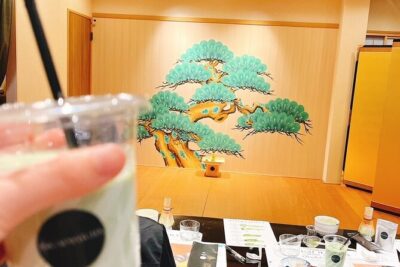
This is the kind of activity I recommend when you want a chunk of Japanese culture in one place—without the “museum lecture” vibe. The focus is on live performance and short workshops, and the rhythm is built so you move station to station: performance first, then hands-on activities, then music.
You’ll be in Osaka’s Shinsaibashi area. The official meeting point is Shinsaibashi ARTY Inn (2-chōme-17-3 Nishishinsaibashi, Chuo Ward, Osaka 542-0086). The experience ends back at the same place, which is great if you’re trying to keep the rest of your day flexible.
The program is listed at about 2 hours 30 minutes, and that’s a solid target. Still, I’d give yourself some cushion. In practice, some people end up closer to 3.5–4 hours, mostly because the activities take time and there’s a lot to do in sequence.
Group size is capped at 20, which matters. Small groups usually mean less waiting, more attention from the staff, and a calmer pace when you’re trying things like calligraphy and tea steps.
You can also read our reviews of more tours and experiences in Osaka.
Location and timing: Shinsaibashi makes the day easy
Meeting in the Shinsaibashi area is smart. It’s a central base in Osaka, and you’re near public transportation. That helps if you’re coming straight from Dotonbori or trying to stitch this into a bigger sightseeing day.
You’re also dealing with a theme-park-style schedule: show timing, then class timing, then music timing. Because of that, I’d avoid booking a tight next activity right after. Give yourself a buffer so you’re not sprinting in the middle of a cultural experience.
This ticket uses a mobile ticket, and you’ll get confirmation at booking. The venue is described as a big facility, so you’re not walking around in the elements for long stretches.
Samurai show: theatrical choreography and safe participation
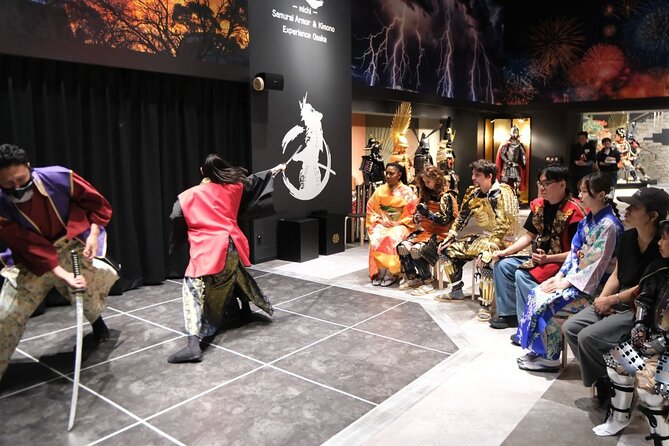
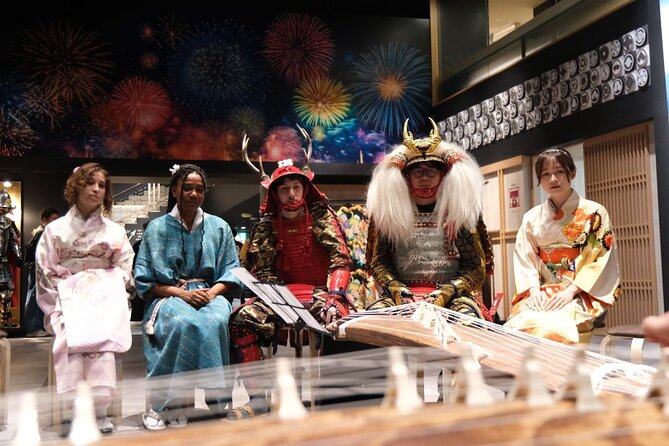
The samurai portion is a highlight for a lot of people for a simple reason: you’re not just watching. You get to practice moves and take part in the action in a way that feels like you’re in the scene, not sitting on the sidelines.
A key detail: it’s not real-sword territory. The safety tone is part of the fun. You’ll do sword-action choreography, then watch a dramatic performance that ties it together.
You’ll also see samurai culture presented through armor craftsmanship. The experience overview specifically ties the armor to Marutake Industries, known for detailed making. Even if your ticket doesn’t include a full try-on costume, the armor shows up as part of the atmosphere and the presentation.
How to set expectations: one downside that pops up is that the samurai section can feel staged, and some elements may be reproductions. If you’re craving a hands-on history workshop about armor construction, you might be slightly disappointed. If you want energy, storytelling, and a chance to join in with safe move practice, it works well.
Tea ceremony: manners, rhythm, and the small steps that matter
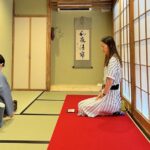
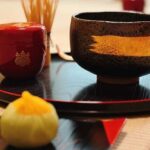
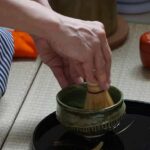
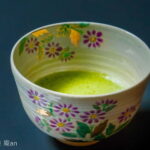
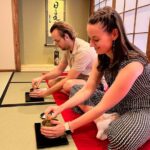
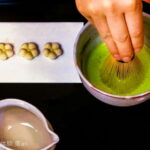
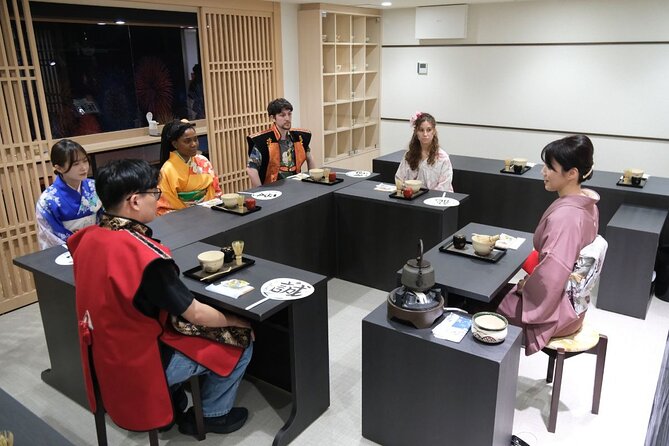
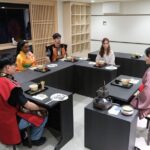
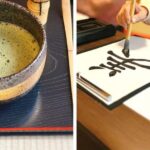
The tea ceremony station is one of the most “real” moments in the whole experience. The value here isn’t only the drink—it’s the structure. You’re learning how the ceremony works, not just copying random gestures.
You’ll do the tea steps with guidance, and the focus is on doing it correctly. Many people come away surprised that tea etiquette has a real rhythm—how you handle the cup, the timing, and the calm pace of the process.
This is also a good station for mixed groups. People who don’t speak Japanese still do fine because the staff support you through the steps, and you’re working at a table-level pace rather than trying to follow a fast lecture.
A practical tip: wear clothes that let you move comfortably while sitting and standing. You don’t need anything fancy, but you’ll enjoy the ceremony more if you’re not fiddling with sleeves or shoes every few seconds.
Calligraphy workshop: writing for beginners (and actually keeping something)
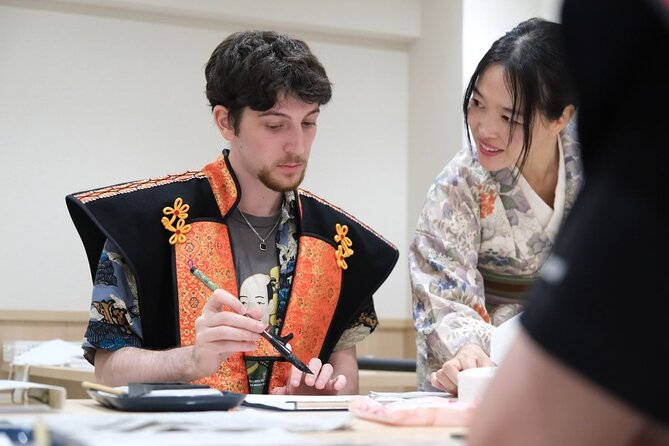
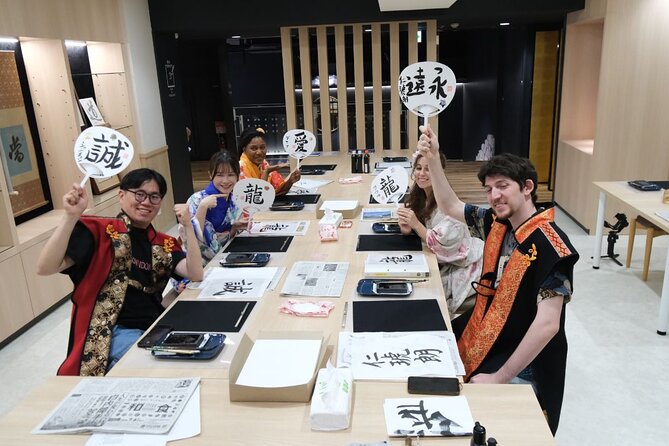
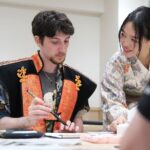
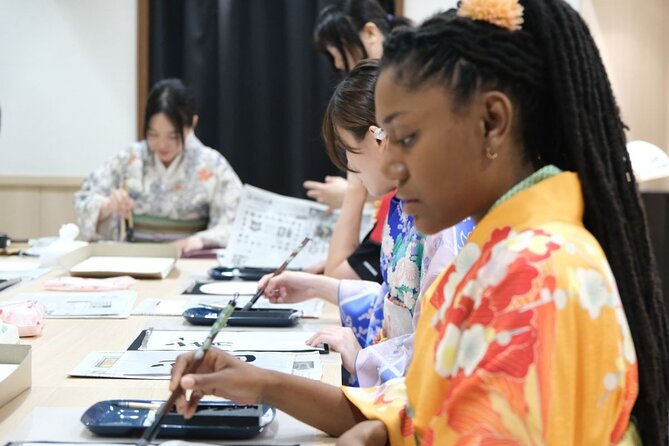
Calligraphy is often offered as a one-minute photo op elsewhere. Here, it’s treated more like a real workshop. You get an instruction-guided session where you can practice, and you come away with a personalized item—commonly described as a take-home fan with your writing.
That matters for value. You’re leaving with something you made, which makes the whole afternoon feel more grounded than just collecting pictures.
One helpful element is the way the activity is run. English support is present, and staff help you move through the stations without you feeling lost. People mention translators around the experience, which is exactly what you want when you’re doing fine-motor tasks like writing.
If you’re worried you’re “not artsy,” don’t. The goal is not to become a calligraphy master in 30 minutes. It’s to learn the basic flow and make something you can be proud of later.


Traditional music and instrument practice: live performance, then your turn
Then the program flips into music. Included in your ticket is traditional Japanese music with a performance component, plus interactive parts where you can try instruments.
I like this part because it’s varied. Guests reference trying instruments like harp, and there’s also mention of Japanese flute and other traditional instruments. The format isn’t just watching; you get a chance to practice, even if it’s only for a short burst.
If you’re the type who thinks, I’ll listen later, this is better than that. It turns music into a physical experience. You’ll feel how different instruments respond and how technique matters—even at beginner level.
It also helps that the staff are doing more than speaking. They’re showing, correcting, and getting everyone moving through the station. That’s why the whole experience stays fun rather than turning into a waiting game.
Costume upgrades: samurai armor, kimono, and what’s actually included
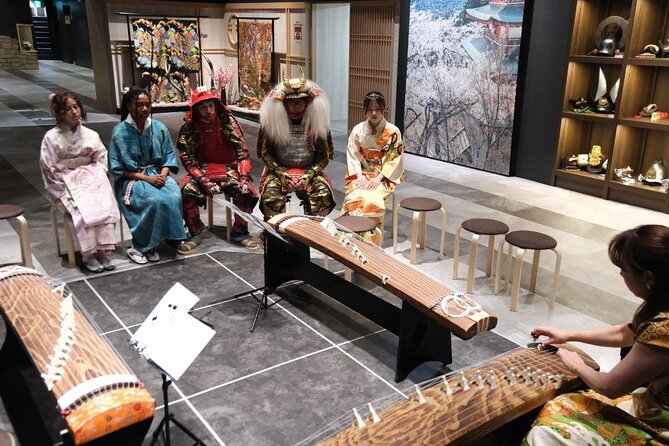
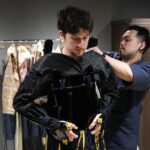
Your base ticket includes tea ceremony, calligraphy, traditional music, and samurai performance. Costume try-ons are not included: samurai armor, kimono, and ninjya are listed as not included.
That’s important for budgeting and expectations. You’ll still enjoy the samurai story and the armor look in the performances, but if you want full costume dress-up, you should expect an add-on cost.
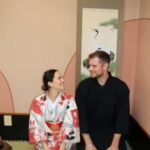
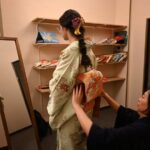
Some people upgrade to a kimono option and say it’s a big part of the experience—attendants help with dressing and moving around for photos. If you’re doing it, plan for a little extra time so the main stations don’t feel rushed.
Quick reality check: don’t treat costume upgrades as mandatory. The included activities are the core value.
Who this is best for (and who should skip)
This works best if you want a mix of culture you can do in one afternoon:
- If you like hands-on activities—tea steps, calligraphy writing, instrument trying—this is a strong match.
- If you’re visiting with kids or grandparents, this is easy to enjoy because the stations are short and the staff guide you.
- If you’re in Osaka on a rainy day, a big indoor facility is a big advantage.
It’s less ideal if you want a quiet, museum-style deep-dive into samurai armor history. The samurai portion can feel like entertainment first. You’ll still learn, but it’s not presented as a scholarly lecture.
Also, if you’re allergic to structured schedules, note that you’ll follow a sequence of shows and workshops. That’s part of the deal.
Price and value: why $44.92 can feel like a lot more
At $44.92 per person, you’re buying a full bundle of stations: tea ceremony, calligraphy workshop, traditional music, and samurai performance. That’s the value math.
In many cities, one of these items—especially anything hands-on—costs more than the whole ticket here. The fact that your afternoon includes multiple live performances plus interactive practice is what makes the price feel fair.
The small group cap (up to 20) also pushes value up. You’re not stuck in a huge crowd waiting for your turn to write a few characters or try a musical instrument.
The main “cost” to watch isn’t the ticket price—it’s the extra options. Since samurai armor and kimono are not included, your final total may grow if you want the costume experience.
The staff and the atmosphere: what makes it feel welcoming
People consistently highlight the staff approach: friendly, patient, and hands-on. Names that show up in the experience feedback include Yui and Miyu, which tells me you’re dealing with a team that sticks with guests through the activity flow.
That matters when you’re trying something culturally specific but don’t speak the language. You’ll likely get help with Japanese steps and photo moments, and you won’t feel like you’re failing silently.
Another plus: the venue is set up like a proper facility for multiple stations. That reduces the stress of moving around town between different micro-activities.
Should you book this Osaka cultural afternoon?
Book it if you want a structured mix of tea ceremony, calligraphy, and samurai performance in one stop, with chances to try things rather than only watch. It’s also a smart choice for people who have limited time and want to get value from one meeting point near Shinsaibashi.
Skip or reconsider if you’re hunting for a very serious samurai armor history experience, or if you’re not into theatrical performance segments. The samurai portion can lean more stage show than deep technical lesson.
If you’re the “I want to do three things and go home happy” traveler, this fits nicely. And if you’re planning your Osaka day around rainy weather, the big indoor setup is a real advantage.
FAQ
How long is the experience?
It’s listed at about 2 hours 30 minutes (approximately).
Where do I meet for Samurai Show, Tea Ceremony, and Japanese Traditional Activities?
The meeting point is Shinsaibashi ARTY Inn, 2-chōme-17-3 Nishishinsaibashi, Chuo Ward, Osaka 542-0086, Japan.
Is this a guided activity or a self-guided experience?
It’s presented as a guided, station-based experience with included activities like tea ceremony, calligraphy, traditional music, and a samurai performance.
What’s included in the ticket price?
Your ticket includes the tea ceremony experience, calligraphy experience, traditional Japanese music, and a samurai performance.
Are samurai armor and kimono included?
No. Samurai armor, kimono, and ninjya are listed as not included.
Do I need to print anything or can I use a mobile ticket?
A mobile ticket is used.
How many people are in each group?
There’s a maximum of 20 travelers.
Is it suitable for most visitors?
Most travelers can participate.
What happens if the weather is bad?
The experience requires good weather. If it’s canceled due to poor weather, you’ll be offered a different date or a full refund.
What is the cancellation policy?
You can cancel for free up to 24 hours in advance for a full refund. Changes made less than 24 hours before the start time aren’t accepted, and refunds don’t apply within 24 hours of the start.