REVIEW · OSAKA
Samurai dress-up and shows, plus Tea Ceremony & Calligraphy
Book on Viator →Operated by 道-michi- · Bookable on Viator
Samurai armor in Osaka beats any souvenir photo. I love how this one stop stacks samurai dress-up and sword performances with hands-on calligraphy and a tea ceremony, all without running across town. The big payoff is doing multiple cultural activities in one sitting, with real performances and instruction side by side.
The main catch is the optional kimono add-on: if you want that extra outfit look, it’s ¥19,800 per person. Also, you’ll want to be thoughtful about which activities to start first so the ~3 hours feel fun, not rushed.
In This Review
- Key Highlights You’ll Actually Care About
- Why This Osaka Culture Stop Works So Well
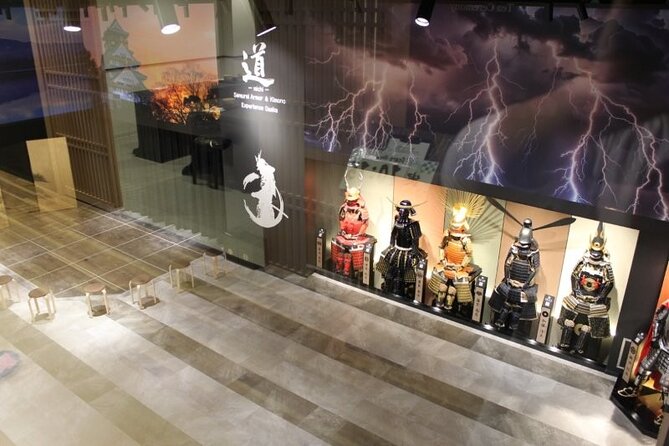
- Inside Shinsaibashi ARTY Inn: What You Can Expect
- Samurai Dress-Up Plus Sword Performances: The Big Visual Hit
- Live Traditional Music and the Interactive Feeling
- Tea Ceremony: A Calm Counterpoint to the Armor
- Japanese Calligraphy: Make Something You Can Keep
- Optional Kimono: The ¥19,800 Decision
- Duration and How to Use the 3 Hours Wisely
- Location: Near Dotonbori, Easy From Namba/Shinsaibashi
- Staff and Personal Touch: Where This Tour Gets Better
- Value Check: Price vs. What You Actually Get
- Who Should Book This (and Who Might Prefer Another Plan)
- Should You Book Samurai Dress-Up and Shows Plus Tea Ceremony and Calligraphy?
- FAQ
- Where does this experience take place in Osaka?
- How long is the experience?
- What’s included with the tour price?
- Is kimono included?
- Are the activities indoors?
- Do I need a paper ticket?
- Do I get any storage space for my bags?
- Do I receive confirmation after booking?
- Can I cancel for a full refund?
Key Highlights You’ll Actually Care About
- One ticket, many cultural stops: samurai armor shows, sword performances, live traditional music, tea ceremony, and calligraphy.
- All indoors: comfortable in any season, and you don’t have to time around weather.
- Practical instruction from staff: Roi and Maya are specifically praised for attention to detail and personalized support.
- Near Dotonbori: about a 5-minute walk from the area, and easy from Namba/Shinsaibashi.
- Comfort perks included: coffee or tea, hot/cold water and tea, WiFi, and a locker.
- Optional kimono costs extra: if you want it, budget ¥19,800 on top of the tour price.
Why This Osaka Culture Stop Works So Well
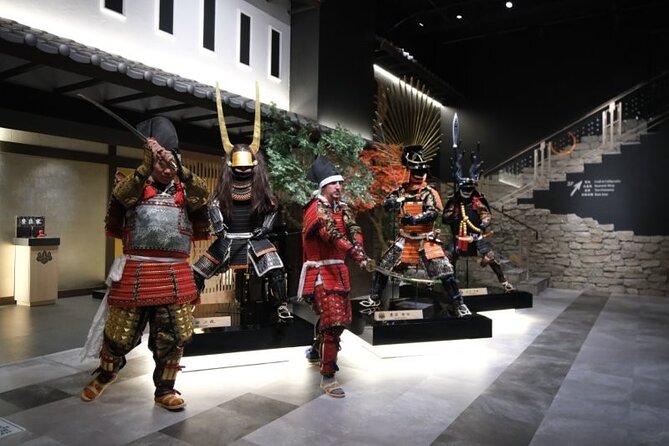
Osaka is great for food, neon, and quick adventures, but sometimes you want something that feels more like Japanese daily culture than a checklist. This experience is designed for that. You’ll spend your time in one place, moving through performances and hands-on arts like tea and calligraphy.
What I like best is the mix of show and skill. You’re not just watching samurai-themed entertainment—you’re also making something, and learning how the ceremony and writing are done. That balance is exactly what turns it from a gimmick into a satisfying cultural hour-and-a-half-plus.
The other practical win: it’s all indoors. That matters in Osaka because the weather can swing fast, and it’s nice not to plan around rain or extreme heat.
You can also read our reviews of more tours and experiences in Osaka.

Inside Shinsaibashi ARTY Inn: What You Can Expect
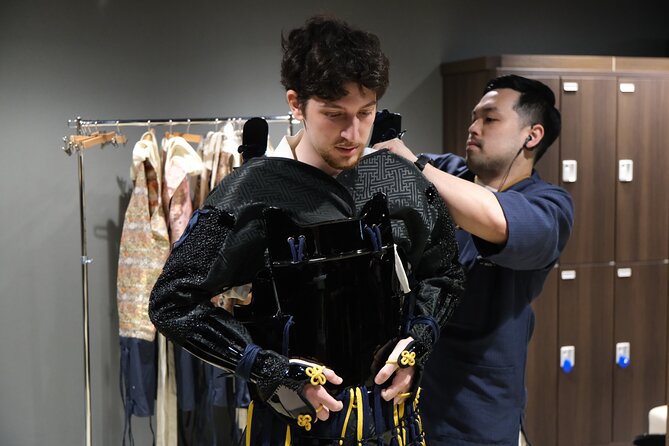
The experience centers around Shinsaibashi ARTY Inn, with everything happening on-site. You’ll be greeted by staff, get a clear rundown, and then choose the activities you want to start with first. That choice piece is more important than it sounds, because it helps you shape the flow—especially if you have a strong preference like tea first or sword show first.
You’ll also have a locker waiting for you, which is handy if you arrive with shopping bags. There’s WiFi available too, so you can share photos without hunting for a café. And yes, there’s coffee or tea plus hot/cold water and tea, so you won’t feel like you’re running on fumes.
The whole vibe is structured but friendly. Reviews highlight staff as welcoming, polite, and passionate, and you can feel that in how the activities are paced.
Samurai Dress-Up Plus Sword Performances: The Big Visual Hit
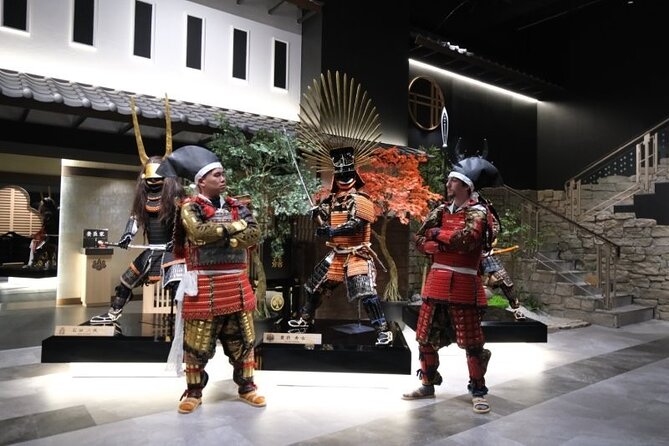
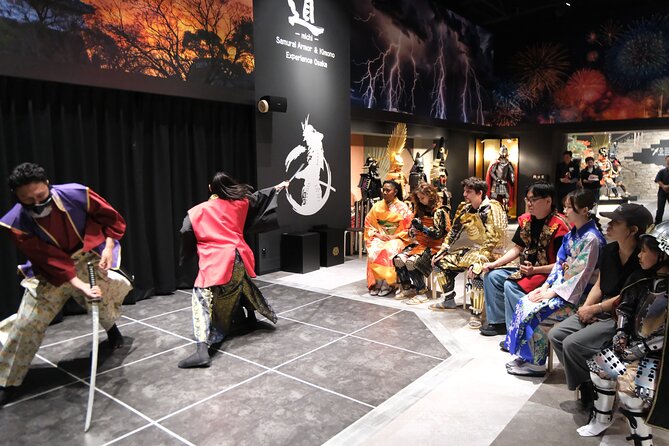
Let’s talk samurai. The centerpiece is putting on traditional samurai-style armor and stepping into a program that includes dynamic sword performances and traditional music. The point isn’t learning advanced combat—it’s experiencing the look, energy, and performance side of samurai culture in a way you can actually participate in.
You can expect a show that’s meant to be fun and easy to follow. The armor itself is widely praised for how impressive it looks, and for many people that first moment—standing there in full gear—is the memory they carry home.
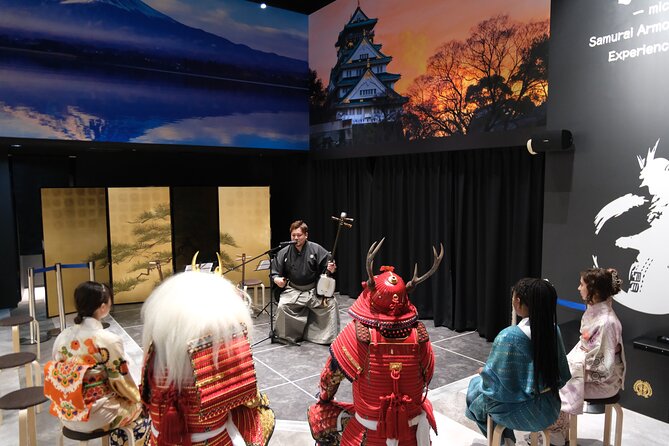
One detail I think you’ll appreciate: the experience pairs the action with live traditional music. That combination changes the mood. Instead of a loud stunt show, it feels more like a performance with rhythm and atmosphere, so the whole thing lands better.
Live Traditional Music and the Interactive Feeling
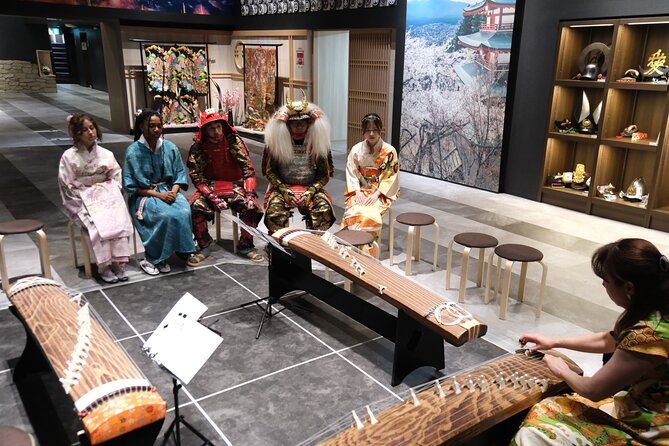
A lot of culture tours have performances where you watch quietly and leave. Here, the focus is more interactive. Even if you’re mostly observing at certain points, you’re still part of the experience because the program blends visuals, sound, and instruction.
Live traditional music is part of the arc. It gives context, too. Samurai culture in Japan isn’t only about armor and swords; it’s also about ceremony, discipline, and performance traditions. The music helps the whole theme feel coherent rather than random.
If you’re the type who worries you’ll be bored in a show-heavy tour, this is worth considering because the music and later lessons (tea and calligraphy) prevent the experience from becoming one long spectacle.
Tea Ceremony: A Calm Counterpoint to the Armor
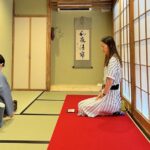
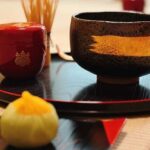
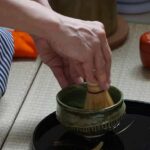
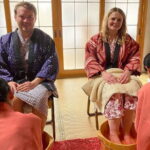
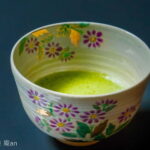
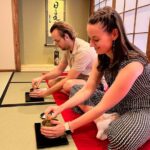
Then comes the quieter skill: a refined tea ceremony. This part matters because it slows the pace down. After sword energy and armor photos, tea gives you a more thoughtful, hands-on moment that feels grounded.
You can also take away something tangible: you’re not only tasting, you’re participating in the process. That’s the key difference between enjoying tea as a drink and understanding tea as a cultural practice.
The tea portion is described as lovely in feedback, and I’d take that as a sign that it doesn’t feel rushed. If you’re traveling with someone who likes calmer activities, this is often the section that wins them over.



Japanese Calligraphy: Make Something You Can Keep
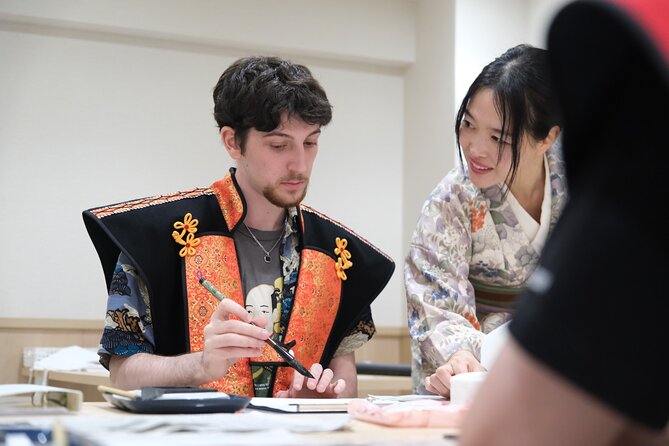
Calligraphy is the other big hands-on highlight. You’ll try Japanese calligraphy and create your own piece. That makes the whole outing more personal, because you’re leaving with a product of your time—not just photos.
The writing session is also praised as amazing, and it makes sense why. Calligraphy is one of those activities that looks simple from far away but takes focus up close. In a structured lesson, you can actually feel yourself improving during the activity.
If you care about cultural authenticity, calligraphy is a strong choice because it connects with everyday Japan—letters, signage, and long-standing traditions. Even if your first try is imperfect, you’ll understand the form and effort behind it.
Optional Kimono: The ¥19,800 Decision
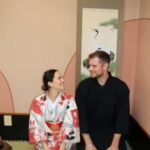
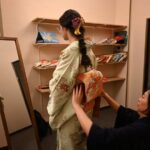
One thing to plan for: kimono is not included. If you want the kimono look, the cost is ¥19,800 per person.
Should you do it? If you’re the type who loves dressing up and wants maximum photo variety, the kimono may be worth it. But if you already know you’ll be getting samurai armor photos, you might prefer to skip the extra expense and put that money toward Osaka food or a separate cultural stop.
Either way, it’s good you’re informed upfront. Tours that bundle everything without clarity can surprise you later. Here, the kimono fee stands out clearly, so you can decide with your budget in mind.
Duration and How to Use the 3 Hours Wisely
The experience runs about 3 hours. That’s a sweet spot: long enough to do tea and calligraphy properly, but not so long that you feel tired before the main parts.
The best way to manage your time is to pick what you care about most and start there. Staff can help you decide the best order, and it’s a practical system because you’re not locked into a one-size-fits-all schedule the moment you arrive.
Also, since the entire thing is indoors, you don’t need to factor in weather breaks. Your schedule is mostly the real schedule. That makes it easier to pair with Osaka plans afterward—Dotonbori is close, so you can walk out and head for dinner without thinking too hard.
Location: Near Dotonbori, Easy From Namba/Shinsaibashi
This tour is positioned for convenience. It’s about a 5-minute walk from Dotonbori, which is perfect if you’re already planning your Osaka evenings around that area.
Public transportation access is also a plus. The experience states that you’re within about a 10-minute walk from stations in the Namba/Shinsaibashi area. That’s ideal for a city like Osaka, where trains are frequent but stations can be a maze.
If you’re coming from a cruise terminal, there’s also mention of using a short taxi ride to get there. That’s not a bad plan if you have luggage or just want the simplest route.
Staff and Personal Touch: Where This Tour Gets Better
This is where the reviews really shine, and it matches what you want from a cultural activity. The staff are repeatedly described as welcoming, friendly, and attentive, with a special mention of Roi and Maya for detailed guidance and accommodating individual requests.
That kind of support matters in a hands-on setting. Calligraphy and tea can intimidate people who think they need prior knowledge. When staff explain what to do and check that you’re comfortable, you end up participating instead of freezing.
It also helps that the atmosphere feels respectful. You’re dressing up, learning small cultural practices, and watching performances in one session, so you need a steady, calm presence to keep the experience enjoyable.
Value Check: Price vs. What You Actually Get
The price is $123.87 per person for about 3 hours. On paper, that might seem like “just a performance.” In practice, you’re getting multiple parts in one roof: samurai dress-up, sword performance, live traditional music, tea ceremony, and calligraphy.
That combination is the value story. You’re paying for instruction and participation, not only seating for a show. Plus, you’re not paying extra for basics like coffee/tea, water, WiFi, and locker use.
The only clear variable is the optional kimono cost. If you add that ¥19,800 on top, the total value depends on how much you want the extra outfit. If you skip it, the base price holds up well for a full cultural mix in one tidy block.
Also, the overall feedback score is strong: a 5/5 rating with 100% recommended reported. That’s not proof everything will be perfect for you, but it’s a useful sign that the experience consistently delivers on what people came for.
Who Should Book This (and Who Might Prefer Another Plan)
This works especially well if you want:
- a samurai experience that includes real cultural practices like tea and calligraphy
- an indoor activity for any season
- a hands-on option where you leave with something you made
It might be less ideal if you’re the type who only wants to wander and discover on your own, with zero structure. This is a program-style experience. You’ll follow along, participate when it’s your turn, and move through parts in sequence.
If you’re traveling with mixed interests—someone who loves performances and someone who prefers calmer arts—this tour is a strong peace treaty.
Should You Book Samurai Dress-Up and Shows Plus Tea Ceremony and Calligraphy?
I’d book it if you want Osaka culture without the hassle of coordinating separate lessons. This is a one-stop format with multiple meaningful activities, plus the practical comforts of indoors, included drinks, lockers, and staff who guide you through step by step.
If kimono photos are a big goal for you, factor in the ¥19,800 add-on ahead of time. If you’d rather keep your budget focused, you can skip kimono and still get plenty of memorable visuals from the samurai armor and the performances.
With a track record of strong ratings and repeated praise for the staff’s friendliness and personalization, it’s a solid choice for a first-timer in Osaka who wants something cultural and hands-on.
FAQ
Where does this experience take place in Osaka?
It takes place at Shinsaibashi ARTY Inn, and the venue is about a 5-minute walk from Dotonbori.
How long is the experience?
Plan for about 3 hours (approx.).
What’s included with the tour price?
Coffee and/or tea, hot/cold water and tea, WiFi, a locker, and public-transport access within about a 10-minute walk from stations in the Namba/Shinsaibashi area.
Is kimono included?
No. Kimono is listed as an additional option at ¥19,800 per person.
Are the activities indoors?
Yes. All activities take place indoors, so you can relax in any season.
Do I need a paper ticket?
No. It uses a mobile ticket.
Do I get any storage space for my bags?
Yes. A locker is included.
Do I receive confirmation after booking?
You’ll receive confirmation at the time of booking.
Can I cancel for a full refund?
You can cancel for free up to 24 hours in advance for a full refund. Canceling within 24 hours does not refund the amount paid.