REVIEW · LONDON
London: Traditional English Scone Making and Tea Workshop
Book on GetYourGuide →Operated by We Are London · Bookable on GetYourGuide
Scone-making in London feels different. This 60-minute Central London workshop has you mixing and baking traditional British scones, then enjoying them with English tea before you head out with a certificate.
I especially love two things. First, the step-by-step coaching from the instructor, with check-ins that help you hit the right texture and shape. Second, the pairing of tea with the scone-side culture, including the fun facts about how people order jam and clotted cream.
One consideration: this class isn’t suitable for gluten intolerance, lactose intolerance, or vegans, and it’s not set up for wheelchair users.
In This Review
- Key points to know before you go
- Where the workshop happens: De Hems Dutch Cafe Bar, 11 Macclesfield St
- The 60-minute scone flow: from mixing to warm scones
- English tea as part of the baking experience
- Learning the tradition: techniques, texture, and little quality checks
- What’s included: 4 scones, apron, supplies, tea, and a certificate
- Meeting up and timing: how to avoid the most common headaches
- Who this workshop is for (and who should skip it)
- How to combine it with a London day plan
- Should you book this scone workshop?
Key points to know before you go
- Central London, easy to tack onto a sightseeing day in the middle of the city
- A hands-on 60-minute lesson that teaches traditional scone techniques in clear steps
- Fresh scones right from the oven, plus extra to take home
- English tea included as you bake, not after you’re done
- History and food lore, including the jam versus clotted cream order debate
- You leave with a We Are London British Baking Certificate to prove you can do this again later
Where the workshop happens: De Hems Dutch Cafe Bar, 11 Macclesfield St
You’ll meet on the first floor of De Hems Dutch Cafe Bar at 11 Macclesfield St, London. It’s a practical location: you’re not disappearing into an outer neighborhood, and you can pair this with a lot of typical London routes.
When you arrive, look for the signs, or ask staff behind the bar where the workshop is. The venue lets you get settled early too—if you show up ahead of time, you can have drinks and snacks in the pub area with a special workshop discount, and you can bring those drinks into the workshop.
A detail I like: they ask you to arrive 10 minutes early. And if you’re more than 5 minutes late, you won’t be allowed to join. So build in a little buffer, especially if you’re navigating Central London on foot or by Tube.
You can also read our reviews of more tours and experiences in London.



The 60-minute scone flow: from mixing to warm scones
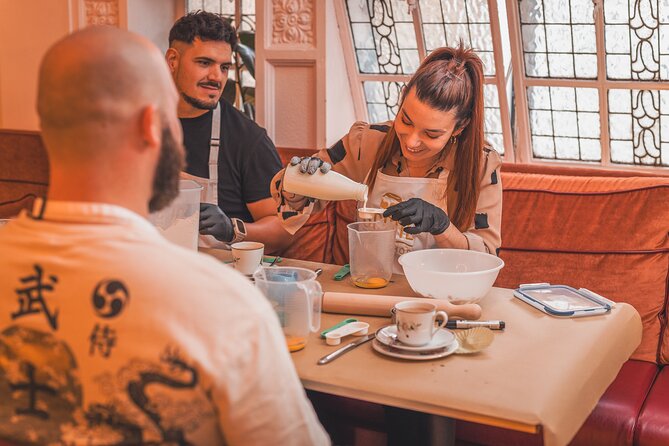
The session is straightforward and fast: you make your own scones, bake them, taste them warm, then wrap up with take-home leftovers and your certificate.
It starts with a welcome from your instructor and a quick introduction with your fellow participants. Then you follow the process step by step. You’re not guessing, and you’re not working alone—this is the kind of class where you get guidance while the dough is still in front of you.
Here’s what the workshop emphasizes as you work:
- Traditional technique for British-style scones
- Guidance aimed at the right texture and flavor
- Practical shaping so the scones bake evenly
One reason this works well is that scone-making is sensitive to how you handle the dough. Getting the right feel isn’t just about ingredients—it’s about timing and touch. Instructors here focus on getting you to the right result during the class so you leave with scones that taste like they should.
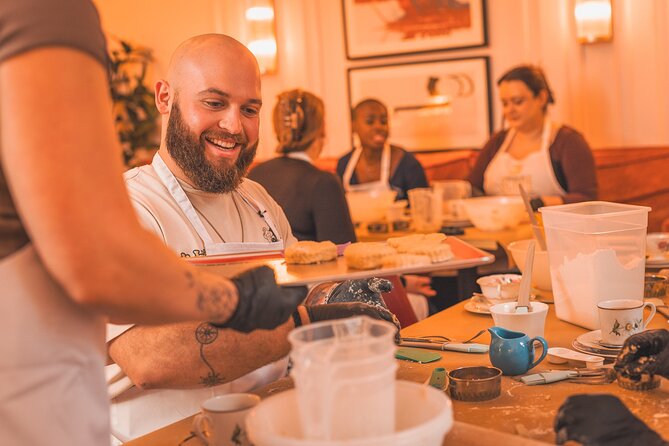
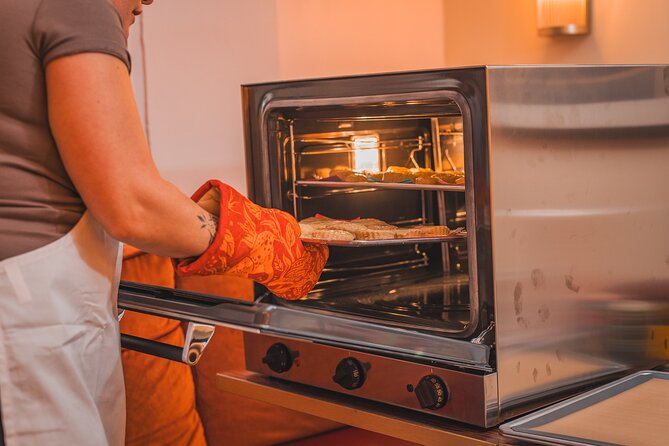
When the oven time comes, you get to enjoy the best part: eating your own scones while they’re still warm and fresh. Several people love that immediate payoff—your work turns into a real snack, right there, not a vague “maybe it’ll work at home” promise.
English tea as part of the baking experience
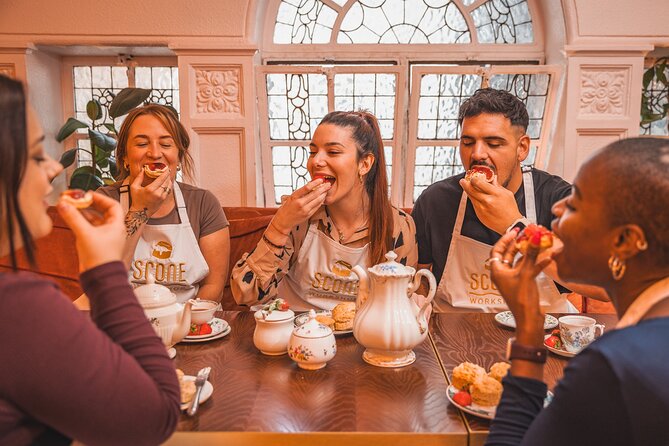
This isn’t just a tea sitting-in-a-corner activity. You get tea included, and you’re meant to sip it while you bake and taste along the way.
That matters for two reasons. First, it makes the hour feel like proper British tea time rather than a rushed cooking lesson. Second, the tea setup gives the instructor space to layer in the story behind the food—so you understand what you’re making, not just how to follow instructions.
The workshop also covers tea and scone culture. In particular, you’ll hear about the much-discussed ordering debate: whether jam or clotted cream goes first on a scone. People call this out because it’s exactly the kind of question that turns baking into a conversation about British tradition.
If you like your activities with both food and context, this is a big plus. If you mainly want a silent, technical baking class, you might find the storytelling a bit more social than you expected—but it’s generally part of the charm.
Learning the tradition: techniques, texture, and little quality checks
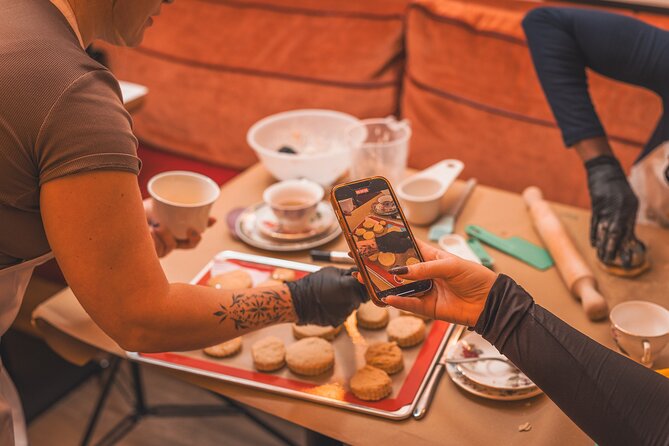
The workshop frames scone-making as a classic British skill, and it doesn’t treat it like a shortcut. You follow traditional techniques with expert bakers guiding the steps.
What stands out from the experience style is that the instructor checks progress. That’s a quiet but important advantage. In cooking classes where nobody checks on you, you can end up with dough that’s slightly off and not realize it until it’s too late. Here, instructors are described as attentive—watching your work so the batch stays on track.
You’ll also get tips aimed at the outcome people want from scones: soft interiors and a crumbly, satisfying bite. One of the most repeated themes is that the class is easy and quick, but still teaches enough so your scones don’t come out as “kinda okay.” The goal is that you can taste the difference in the texture right away.
And yes, there’s usually time to talk about the ingredients and the why behind them. People mention learning about the tradition of tea and why these scones connect to British culture and even the Royal family in the way the story gets told.
What’s included: 4 scones, apron, supplies, tea, and a certificate
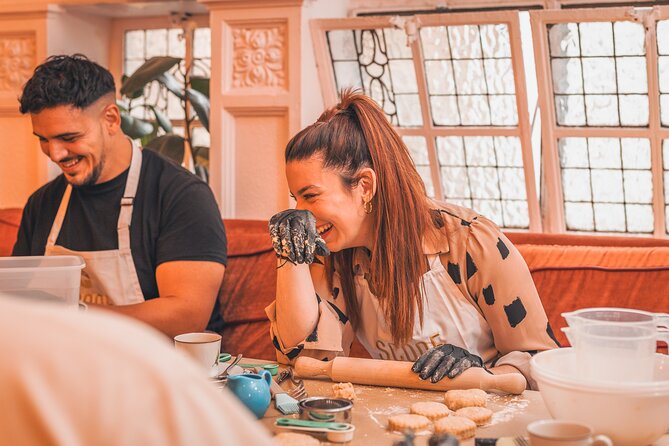
The package is nicely concrete. You get:
- An instructor
- Apron and supplies
- Tea
- 4 delicious self-made scones
- A scone-making certificate
One scone is eaten during the workshop, and the other three are for you to take home. That “take-home proof” is a big value boost. It turns your class into an instant snack for later—or a friendly food gift that doesn’t require extra effort.
The certificate is also more than a gimmick. It’s described as the “We Are London” British Baking Certificate, and people like having something tangible to share (or keep) after the experience. It’s a nice touch for families too, especially if you want a memory that isn’t just photos.
There’s no pressure to buy extras here. Extra food or drinks aren’t included, and alcoholic drinks can be purchased in the bar upon arrival. If you want non-alcoholic options, tea is already part of the session.




Meeting up and timing: how to avoid the most common headaches
This workshop is centrally located and easy to fit into a day, but it’s still a real timed class. The biggest practical tip is simple: arrive early and be ready to start when they do.
- Arrive 10 minutes before your starting time.
- Plan around the rule: if you show up more than 5 minutes late, you won’t be allowed to join.
- If you arrive early, enjoy drinks and snacks in the pub area with the workshop discount, then head up for the class.
Also keep your expectations realistic about the room setup. It’s not suitable for wheelchair users, and it can’t accommodate non-participating guests on the workshop floor. If you’re bringing children, they must be accompanied by an adult with a paid ticket.
In other words: this is designed for people participating in the baking, not for a casual drop-in observation.
Who this workshop is for (and who should skip it)
This is a great pick if you want:
- A hands-on food activity in Central London
- A quick class that doesn’t eat half your day
- A social experience where you can meet other people while you bake
- A tangible result (warm scones now, leftovers later)
It also tends to work well for families. People describe it as fun for all age groups, including kids who enjoy getting involved. If you’re traveling solo, cooking classes are often one of the easier ways to talk to people in a relaxed setting, and this one fits that pattern.
But there are clear limits based on the data:
- Not suitable for vegans
- Not suitable for gluten intolerance
- Not suitable for lactose intolerance
- Not suitable for wheelchair users
If any of those apply, it’s better to choose another activity so you’re not stuck adjusting your plans last minute.
How to combine it with a London day plan

Because the meeting point is in Central London and the experience is only one hour, you can slot it into lots of trip rhythms.
Here are easy ways to think about it:
- If you’re doing a morning of sightseeing, this can be a warm, seated break that turns into lunch-adjacent snacking.
- If you’re touring in the afternoon, this works like a reset button: bake, eat, and then go back out with energy.
- If you like doing one “small, skill-based” activity rather than a big museum, this fits that style well.
The class also makes a good rainy-day plan. You’re not standing outside in the weather, and you’re going home with food.
Should you book this scone workshop?
If you like baking, tea, and British food culture, I’d book it. The main reason is value: for about $45.80 per person, you get instruction, tea, aprons/supplies, a certificate, and three extra scones to take home. That’s a lot of payoff for a one-hour commitment.
Book it especially if you want a class with coaching, not just a demo. People highlight that the instructors are engaging and helpful, and you can end up with scones that come out well enough that you’d try again at home.
Skip it if you need vegan options, or if gluten or lactose intolerance is a factor, or if you require wheelchair accessibility. In those cases, the workshop format and ingredients make it a mismatch.
Bottom line: this is one of those London activities where you leave with something real—warm scones now, leftovers later, and a certificate you can actually show.