REVIEW · KYOTO
Kyoto: Mindful Tea Ceremony in 100-Year-Old Teahouse
Book on GetYourGuide →Operated by Oboro · Bookable on GetYourGuide
Candlelight makes tea feel like a reset button. In Kyoto, Oboro turns a short matcha session into a slow, sensory pause inside a 100-year-old teahouse—soft light, gentle pacing, and a garden view through the window that makes the whole room feel quieter than the street outside. I love that the host guides you step by step, but the tone stays relaxed, so newcomers don’t feel bullied by tradition.
The main thing to consider is timing and quiet rules. This experience asks for calm silence, shoes come off, and if you’re more than 10 minutes late, you won’t be able to enter—so plan like you’re catching a train, not a casual café meetup.
In This Review
- Key highlights at a glance
- Entering Oboro: a Kyoto tea room that feels pre-set for calm
- The 45-minute flow: what happens from first sip to final takeaway
- Candlelight, garden views, and the senses you actually notice
- The matcha lesson: mindful preparation without strict intimidation
- Practical etiquette you should know before you arrive
- Who should book this Kyoto tea ceremony, and who might not
- Price and value: is $45 worth it?
- Should you book Oboro: Mindful Tea Ceremony?
- FAQ
- How long is the Oboro mindful tea ceremony?
- Is instruction available in English?
- Do I need to bring anything besides my ticket?
- Is flash photography allowed?
- Is the experience suitable for wheelchair users or people with back problems?
- Where is the meeting point?
Key highlights at a glance
- Candlelit room: light is low on purpose, so your focus naturally softens
- 100-year-old teahouse: old wood, simple spaces, and a “less is more” feeling
- Mindful, unhurried flow: no frantic rushing—each step gets its own moment
- English instruction for beginners: you’ll understand what you’re doing as you do it
- Candle to take home: a small souvenir that matches the calm you leave with
Entering Oboro: a Kyoto tea room that feels pre-set for calm

Kyoto can be loud in the day. Even when you choose quieter streets, you still carry the city in your body—tired feet, phone brightness, constant motion. That’s why I like this kind of experience: it doesn’t try to add more sights. It quietly removes the noise.
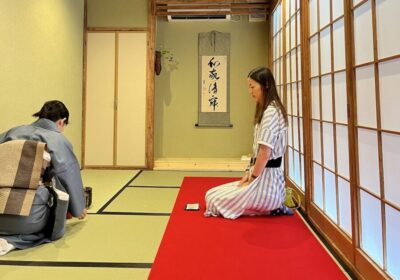
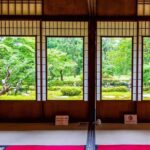
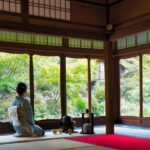
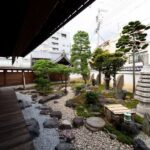
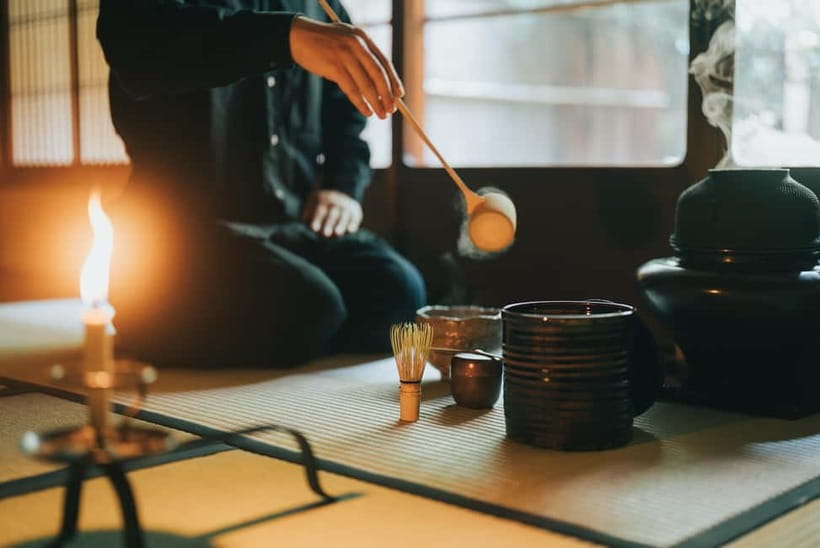
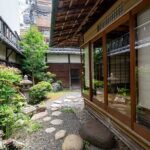
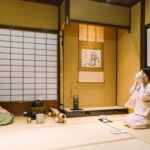
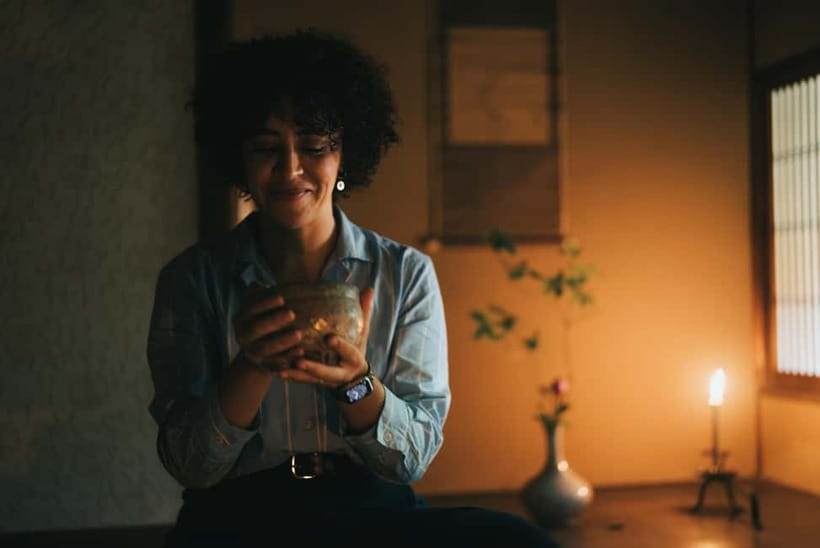
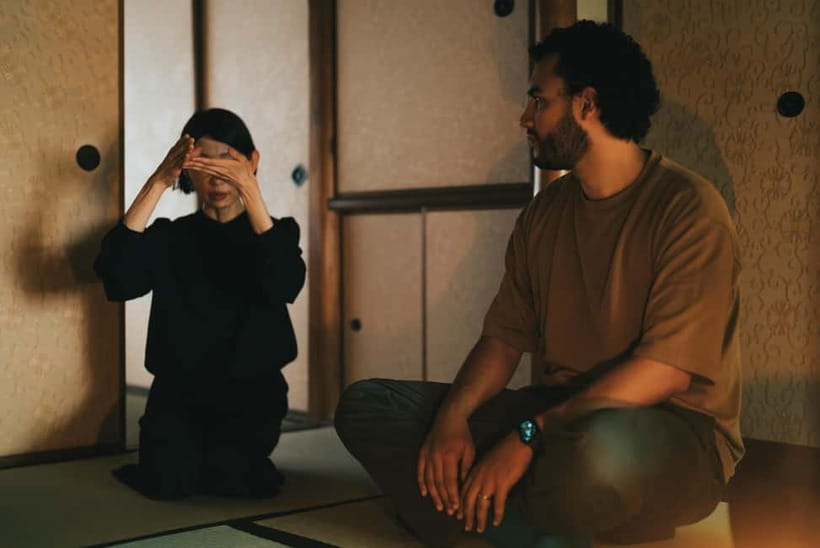
At Oboro, you step into a softly lit room where overhead lighting is replaced by candlelight. That one change does a lot. Your eyes adjust, your shoulders drop, and you start noticing small sounds again: the soft simmer of water, the faint aroma of matcha as it’s whisked, the gentle movement of utensils. There’s also a garden view through the window, mentioned by recent visitors, which helps the room feel grounded and not overly staged. The space is intentionally minimal, so you’re not distracted by extra décor.
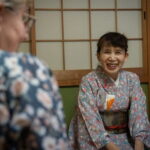
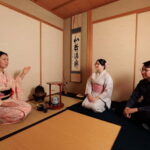
You’ll be greeted by the host, and you can store belongings if needed. Then they’ll outline the flow—welcome tea first, then the main preparation in the tearoom. I appreciate that brief orientation. It means you’re not guessing what to do with your hands or where to look, and you can actually enjoy the ritual instead of managing confusion.
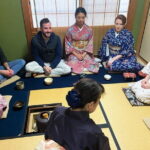
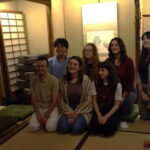
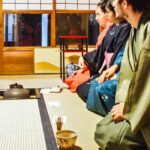
One more smart touch: the mood is meant to be shared. You’ll sit with other people in a small group setting, but the expectation is calm. Think meditation energy, not chatter.
You can also read our reviews of more tours and experiences in Kyoto.
The 45-minute flow: what happens from first sip to final takeaway
This is a compact 45-minute experience, which is exactly right for a “Kyoto break” if you’re doing temple hopping or sightseeing all day. It’s long enough to learn, taste, and slow down. It’s short enough that you won’t feel trapped.
Here’s how it typically unfolds:
1) Welcome tea and sweets
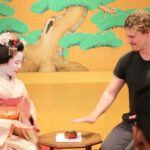
You start with a welcome tea paired with seasonal sweets. This matters more than it sounds. The warmth of the drink and the sweetness give you a gentle entry point into the ceremony, like easing into cool water rather than jumping in. It also helps you notice taste changes you might otherwise miss when you’re rushing.
2) Moving into the main tearoom
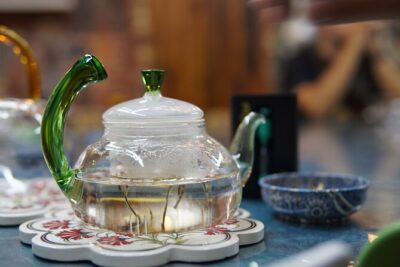
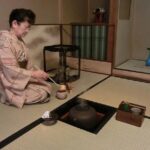
Next you’ll settle in the main tearoom, designed to minimize distractions. In practice, that means fewer visual interruptions and a heavier focus on sensory details. You’ll pick up on quiet cues: the sound of water, the smell of matcha, and the rhythm of the host’s movements.
3) Preparation explained through doing
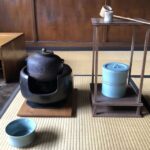
The host prepares each bowl by purifying utensils, whisking the matcha, and presenting it with a graceful bow. You don’t need prior knowledge. The point is that you understand the purpose behind each step, not just copy the choreography.
4) The sip: slow, deliberate, and warm
You’ll lift the bowl gently and savor the tea’s nuanced taste. Matcha often surprises people who expect it to taste harsh or chalky. When it’s made properly—whisked well, served at the right time—it can be smooth, balanced, and comforting. One review specifically pointed out an especially smooth cold green matcha served as a welcome drink, and that gives you a clue: the tea quality and preparation pace are part of the value here.
5) Conversation space (without turning it into a loud Q&A)
Throughout the session, you’re encouraged to observe quietly, ask questions, or share thoughts. The key is that it stays respectful of the calm. You get guidance, not a lecture.
6) Take-home candle
You finish with a small handmade candle. That’s a thoughtful touch. It turns the experience into something you can repeat at home by lighting it, sitting still for a minute, and remembering how it felt to slow down.
Candlelight, garden views, and the senses you actually notice
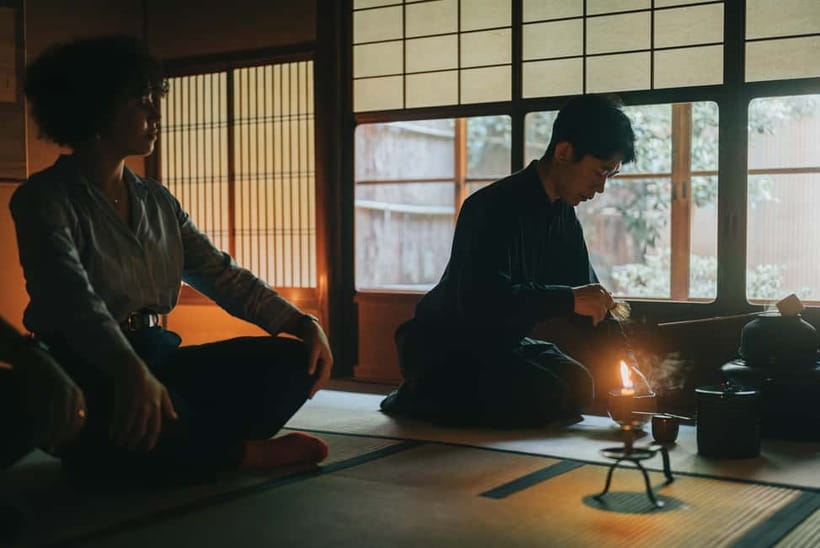
This is a sensory experience, but not in the gimmicky way. The candles don’t just look pretty. They change what you pay attention to.
Low light is easier on your brain. It reduces the urge to scan the room every few seconds. That’s when you start noticing the small stuff that makes tea ceremony feel different from just making a drink. You hear the water. You catch the scent of matcha before it even touches your tongue. You watch the way the host handles utensils with calm precision—no hurried, performative energy.
The garden view through the window is also a quiet advantage. It gives the room depth. It makes the teahouse feel like part of a bigger world, not a standalone stage. And because the space is designed with minimal décor, your eyes land where they should: on the bowl, the whisking action, and the next step of the ceremony.
I also like that the pacing is mindful. You’re not rushed, and you’re not pushed to move fast for photos. That pacing is where the stress drops out. Even if you spend your Kyoto days bouncing from landmark to landmark, this session offers a different rhythm—one that teaches your body how to settle.
In short, you’re not just drinking tea. You’re practicing attention for 45 minutes.
The matcha lesson: mindful preparation without strict intimidation
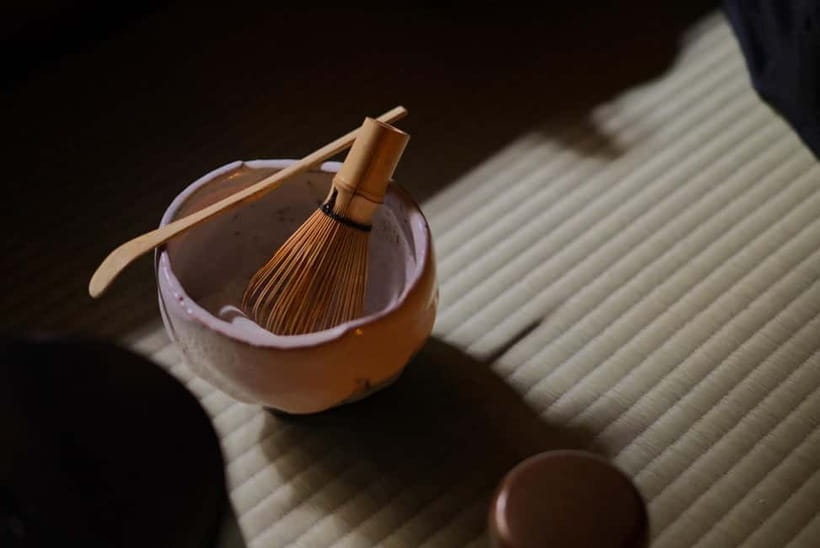
A lot of people hesitate about tea ceremony because they picture rules so strict they’ll mess up. Oboro doesn’t feel like that. Yes, there’s structure. But the tone is eased toward newcomers.
The host will purify utensils. You’ll watch the matcha being whisked properly. And you’ll learn how to present and receive the bowl with care. The bow and the gentle hand movements are part of the meaning, but the guidance makes it accessible. You don’t need to be graceful by nature—just present.
What I think makes this especially good value is that you get instruction in English and you can ask questions if something doesn’t make sense. Some ceremonies can feel like you’re observing a private performance. Here, the host explains enough that the ceremony becomes understandable. That turns matcha from a taste into a story you can repeat later.
Also, the experience leans into “do it slowly” rather than “do it perfectly.” That fits how most people actually live. You’ll leave knowing that the ritual is about attention and gratitude, not just etiquette.
One detail that shows up in the reviews is how smooth the tea can be when the matcha is prepared well, and how calming the entire session feels when silence is respected. That lines up with what you’ll experience here: when the ceremony is handled with care, the tea tastes better—and you also feel better.
Practical etiquette you should know before you arrive
Tea ceremony etiquette can sound mysterious until you hit the room and realize you need a few basics. Here’s what matters at Oboro, based on the rules you’re given before you start.
Socks matter
You’ll need to wear socks because you must remove shoes. That’s not just tradition—it’s how people keep the interior clean and comfortable. Bring socks you don’t mind feeling a little warm inside. If you forget, you’ll feel rushed and annoyed, and you’ll start the ceremony with the wrong energy.
Arrive early
Arrive 10 minutes early. This keeps the flow gentle and prevents latecomers from disrupting the calm. And yes, you’ll be turned away if you’re more than 10 minutes late, so don’t gamble.
Keep it quiet
The environment is meant to be quiet. There’s no room for casual loud conversation or phone noise. If you’re the type who can’t stop talking in line for coffee, you’ll need a mental switch here.
Photography rules
Photography is allowed without flash. So you can take photos, just not ones that blast the room with bright light and break the calm.
What to wear
Wear comfortable clothes. You’ll be sitting, and comfort helps you focus on the tea instead of wiggling.
Summer water note
In summer, the ceremony uses chilled water and ice. If you’re sensitive to cold drinks, that’s good to know in advance.

Who should book this Kyoto tea ceremony, and who might not
This experience fits best when you want a break from constant touring. It’s ideal if you’re:
- looking for a quieter Kyoto moment beyond temples and crowds
- curious about matcha and want real explanation, not just a tasting
- someone who appreciates slow pacing and sensory details
- traveling with limited time and want a meaningful 45-minute activity
It may be a poor match if you:
- need wheelchair access (it’s not suitable for wheelchair users)
- have back problems (you’ll be sitting, and it’s not listed as accommodating)
- have children under 6 (not suitable)
In other words, it’s built for calm, comfortable sitting and respectful quiet. If that’s your style, you’ll likely love it.
Price and value: is $45 worth it?
At $45 per person for 45 minutes, this is not the cheapest activity in Kyoto. But tea ceremony is one of those things where the value isn’t in the duration. It’s in the attention.
You’re paying for:
- expert instruction in English
- all necessary tea ceremony equipment
- seasonal sweets to match the tea
- a candlelight matcha experience designed for calm
- a small handmade candle you take home
The small group size—limited to 8 participants—also matters. Smaller groups mean the host can keep explanations clear and still maintain the quiet atmosphere. If you’ve ever been in a crowded experience where you can barely hear, you know that ruins the point.
I see this as a “quality-of-time” purchase. If you’re choosing between another quick photo stop and a calm reset, this one gives you something you can carry back: the sense of slowing down and the knowledge of how matcha is prepared and served.
Should you book Oboro: Mindful Tea Ceremony?
Book it if you want a Kyoto experience that feels personal, calm, and grounded. The candlelit setting, the focus on sensory detail, and the gentle way the host guides you make it a great fit for first-timers. You’ll also leave with a souvenir candle, which is a nice reminder that you weren’t just consuming a ticket—you practiced attention.
Skip it if you’re short on patience for quiet rules, hate being in a small group with silence expectations, or you can’t do the sitting-and-shoes-off setup. Also, plan your timing carefully. Arrive early, or you risk losing your spot.
If you’re building a Kyoto day, this makes a smart mid-day or late-afternoon choice—the moment when your brain usually starts looking for something to reset.
FAQ
How long is the Oboro mindful tea ceremony?
The ceremony lasts about 45 minutes.
Is instruction available in English?
Yes. The instructor provides instruction in English.
Do I need to bring anything besides my ticket?
You should bring comfortable clothes and socks. Shoes must be removed, so socks are important.
Is flash photography allowed?
No. Photography is allowed, but flash photography is not allowed.
Is the experience suitable for wheelchair users or people with back problems?
No. It’s not suitable for wheelchair users, and it’s also not suitable for people with back problems.
Where is the meeting point?
If you have trouble finding the address, search for Oboro: Mindful Tea Ceremony on Google Maps.