REVIEW · KYOTO
Kyoto: Private Tea Ceremony at local home with tea master
Book on GetYourGuide →Operated by Kangetsu Kyoto · Bookable on GetYourGuide
Kyoto tea is quiet power. This private ceremony in a local home near Nijo Castle turns the ritual into something you can understand and repeat at home. I especially love the hands-on part with matcha and the calm, respectful pacing the tea master teaches. I also like that you get language support in English or Japanese, plus real culture explanations instead of just watching. One possible drawback: the session is only 1 hour, so if you have a lot of questions, you’ll want to ask early.
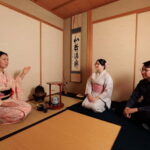
In the tea room, you’ll follow small, meaningful steps—folding cloth, pouring carefully, and learning utensil purpose as you go. I like that the sweets are served as part of the experience, not an afterthought, and you get high-quality matcha sourced from Uji, Kyoto. Just note the house rules are strict: no perfume, no jewelry, and you must wear socks indoors (no bare feet).
Quick Hits: what makes this Kyoto tea ceremony special
- Certified tea master in a local home setting near central sights like Nijo Castle and Kyoto Imperial Palace
- Uji matcha served as part of the ceremony, plus hands-on matcha preparation
- Lessons that cover history, utensils, and etiquette, geared for beginners
- Two types of seasonal Japanese sweets, ordered with the ceremony flow
- Clear house rules: no perfume, long clothing, socks required, and shoes off
- Dietary and identity accommodations, including Halal, vegan, various allergies, and LGBTQ needs
In This Review
- Kyoto home tea near Nijo Castle: why the location matters
- Meet the tea master at Sakura Japanese Culture Experience (and what to expect)
- The 1-hour flow: history, utensils, etiquette, then making matcha
- 1) An introduction before the tea room
- 2) Entering the tea room with the right mindset
- 3) Utensils: what each tool is for
- 4) Etiquette you can actually remember
- 5) Demonstration plus hands-on matcha whisking
- 6) Q&A and reflection
- 7) Two cups of matcha and the sweet pairing
- Uji matcha and seasonal sweets: what to notice while you sip
- The rules are strict: how to dress so you don’t slow things down
- Dietary needs and identity accommodations (Halal, vegan, allergies, LGBTQ)
- Language support and a private-group pace
- Price and value: what $101 buys you in Kyoto
- Getting there smoothly: walking options and a simple taxi plan
- Who should book this Kyoto tea ceremony?
- Should you book? a quick decision guide
- FAQ
- How long is the Kyoto private tea ceremony?
- Where do we meet for the tea ceremony?
- Is this a private group or shared experience?
- What language is the instructor available in?
- Do you serve matcha and sweets?
- Can I record video or audio during the ceremony?
- What should I wear?
- Are bare feet allowed indoors?
- Is the experience suitable for children?
- Can you accommodate allergies or dietary preferences?
Kyoto home tea near Nijo Castle: why the location matters
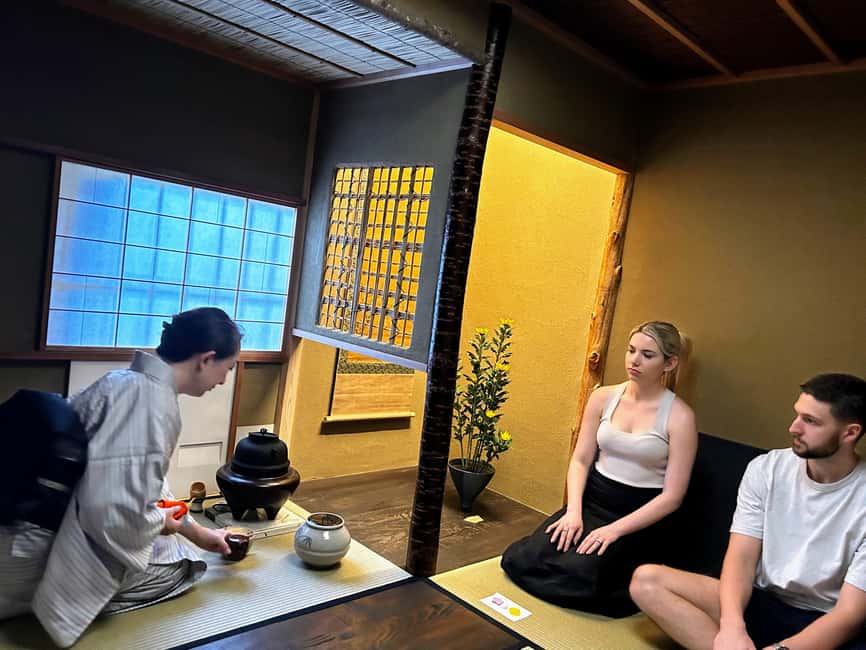
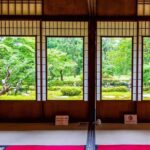
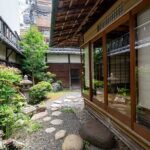
Kyoto can feel like a lot of temples in a row. This experience gives you a pause that’s more than a break. You’re not doing tea in a loud classroom or a tourist showroom—you’re in a local home tea room. And because it’s close to Nijo Castle and the Kyoto Imperial Palace, you can pair it with sightseeing without turning the day into a transport puzzle.
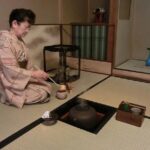
The setting also changes how the ceremony lands. Tea ceremony isn’t just taste. It’s attention. In a home environment, the atmosphere naturally supports the pace the tea master teaches—quiet, deliberate, and respectful.
Meet the tea master at Sakura Japanese Culture Experience (and what to expect)
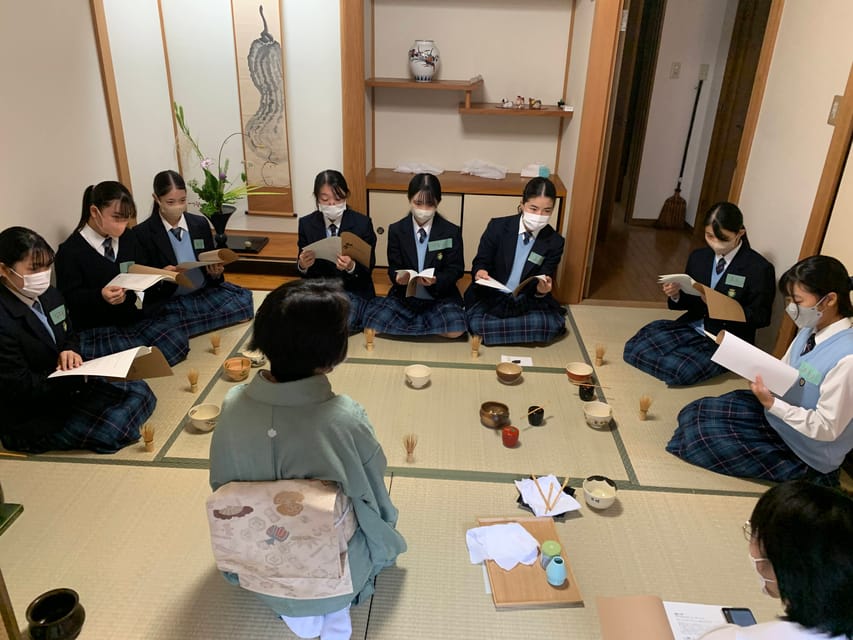
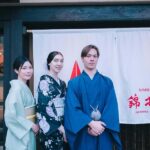
You meet at さくら 日本文化体験 (Sakura Japanese Culture Experience). The spot is about a 3-minute walk from Nijojomae Station (Kyoto subway line), and roughly 10 minutes by taxi from JR Kyoto Station. From Hankyu line Shijo Station, it’s around 15 minutes on foot. That’s practical if your day is already centered in central Kyoto.
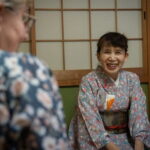
The ceremony is led by a certified tea master who is born and living in Kyoto. That matters because the explanations aren’t just textbook history. You’ll get the why behind the gestures—how each step connects to respect and tranquility.
The host speaks English and Japanese, and the group is private, so you’re not stuck with a one-size-fits-all lecture. It also means you can settle into the rules faster, since the tea master can guide your group directly.
You can also read our reviews of more tours and experiences in Kyoto.
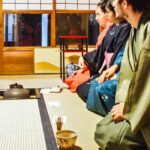
The 1-hour flow: history, utensils, etiquette, then making matcha
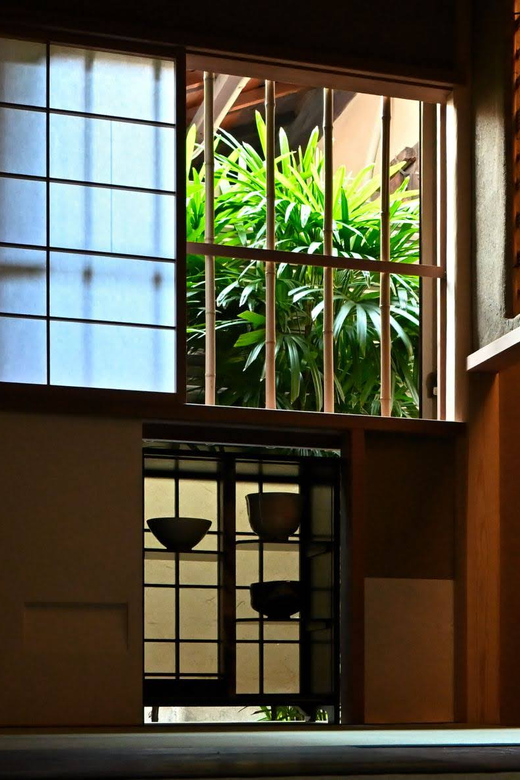
This is a short experience by design: 1 hour, private group, structured so you learn without losing the calm. Here’s how it typically unfolds.
1) An introduction before the tea room
Before you start the main ritual, you’ll receive an explanation of the Japanese tea ceremony. This is where the tea master frames what you’re about to see—its cultural background and the core concepts that still guide the practice today.
For me, this step is the difference between tea as performance and tea as understanding. Once you know what the ceremony is trying to communicate, the movements feel less like choreography and more like meaning.
2) Entering the tea room with the right mindset
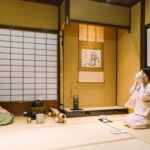
When you step into the tea room, you’ll see how attention to detail is treated as part of etiquette. Even small things—how you handle your presence and what you wear—tie into the idea of respect for the space, the host, and the moment.
You’ll also learn why certain actions matter, not just how to do them. That helps you avoid the common mistake of treating tea ceremony like a photo-op checklist.
3) Utensils: what each tool is for
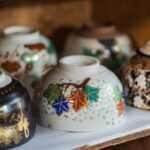
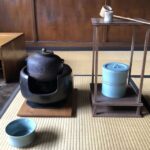
One of the most useful parts is the utensil lesson. You’ll hear about and practice the significance of tools including:
- the tea bowl (chawan)
- the tea whisk (chasen)
- the tea scoop (chashaku)
You’ll also get practical tips about caring for utensils, which is handy if you ever try matcha tools yourself later.
If you’ve ever bought matcha gear and wondered what you’re supposed to do with it, this portion is where the pieces start to click.
4) Etiquette you can actually remember
You’ll get instruction on how to handle the tea bowl and how to properly enjoy the tea. The emphasis is on the mindset behind the gestures, not just hand position.
Think of it like language. The ceremony has a vocabulary. Once you learn a few key phrases—how to receive the bowl, how to show appreciation with your actions—you can participate without feeling lost.
5) Demonstration plus hands-on matcha whisking
You’ll watch a demonstration of the graceful movements and seasonal hospitality that shape the ceremony. Then you shift into the hands-on part: making matcha yourself.
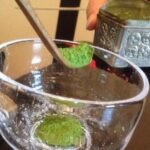
That hands-on moment is one of the best reasons to book this instead of a simple tasting. You learn what good matcha looks and feels like as you whisk, and you experience how technique connects to the ritual.
6) Q&A and reflection
The tea master builds in time for questions and reflection. This is where you can ask about tools, etiquette, or how the ceremony developed and continues in Kyoto today.
Tip: since the whole session is only 1 hour, don’t wait until the last minute. Ask your bigger questions earlier so you actually get answers.
7) Two cups of matcha and the sweet pairing
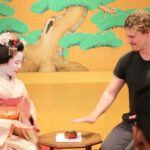
After you learn and participate, you’ll be served two cups of matcha. Along the way, you’ll also enjoy two types of Japanese sweets, described as traditional and seasonal, and served in an order-based style that’s meant to balance the flavors of the tea.
Uji matcha and seasonal sweets: what to notice while you sip
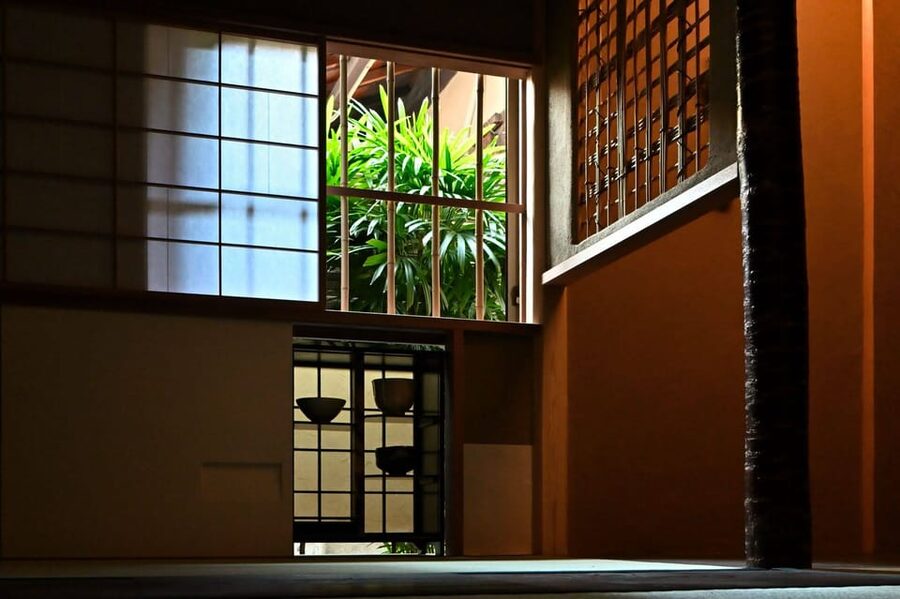
The matcha here is sourced from Uji, Kyoto, which is exactly the kind of detail that helps quality. Uji matcha is known for its reputation, and this ceremony uses it as the center of the experience—not as a throw-in.
When the tea arrives, pay attention to three things:
- aroma right as the bowl reaches you
- the texture and consistency after whisking
- how the sweets change the tea you’re tasting
The sweets come as two varieties, and they’re designed to complement the tea. If you’re new to this, it’s a nice way to understand the idea that tea ceremony isn’t just about one flavor. It’s a sequence.
The rules are strict: how to dress so you don’t slow things down
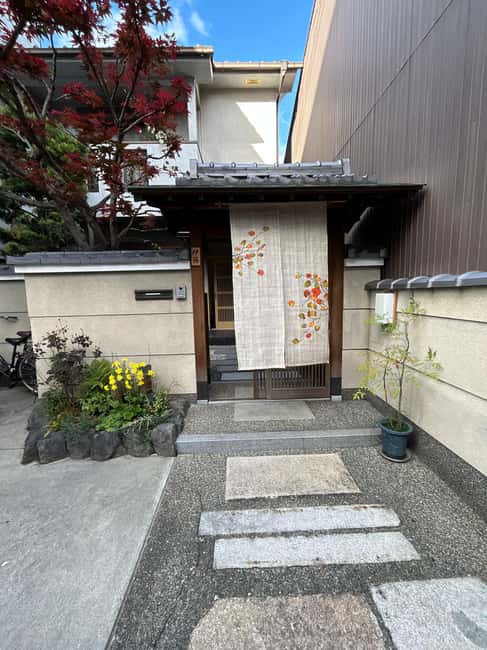
Tea rooms have rules for a reason. They protect the space, keep everything respectful, and reduce distractions. This one is clear and firm.
You should bring:
- comfortable clothes
- long pants
- socks
And you should know what’s not allowed:
- shorts
- short skirts
- hats
- jewelry
- smoking or vaping
- strong fragrances (you’re asked to come without perfume)
- alcohol and drugs
- shoes indoors
- video recording or audio recording
- bare feet
A practical note: it says socks are required indoors, and if you don’t have socks, you can buy them on site. So you can recover if you forget.
Also: the ceremony is not suitable for children under 13. If you’re traveling with a family, that age cutoff matters.
Dietary needs and identity accommodations (Halal, vegan, allergies, LGBTQ)
One thing I really appreciate is the stated ability to accommodate LGBTQ, Halal, vegan, and various allergies. That’s not always easy with food-centered experiences, and it’s a big quality-of-life point.
To make this work smoothly, you’ll want to communicate your needs ahead of time (especially allergy details). The more specific you are, the easier it is for the host to guide the sweets and tea service in a way that fits your situation.
Language support and a private-group pace
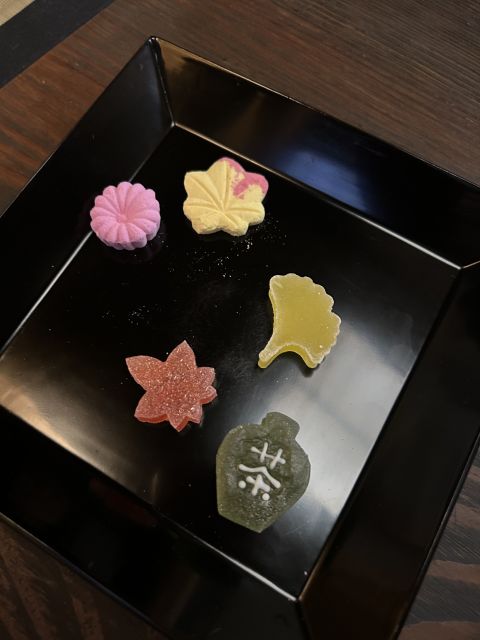
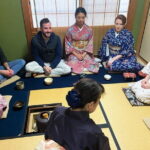
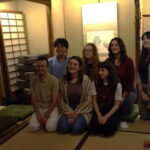
The session is private, led in English and Japanese. If you’re shy, this is a good setup. You’re not trying to decode a room full of strangers while a tea master talks past you.
Also, because it’s private, you’re more likely to get direct explanations. The ceremony includes teaching on history, utensils, etiquette, demonstration, then hands-on matcha—so having a format where you can ask questions helps you connect the dots.
One scheduling consideration: because the event is short and time is organized around the tea room flow, the end can feel a bit tight. If you want deeper answers, ask early during the Q&A window.
Price and value: what $101 buys you in Kyoto
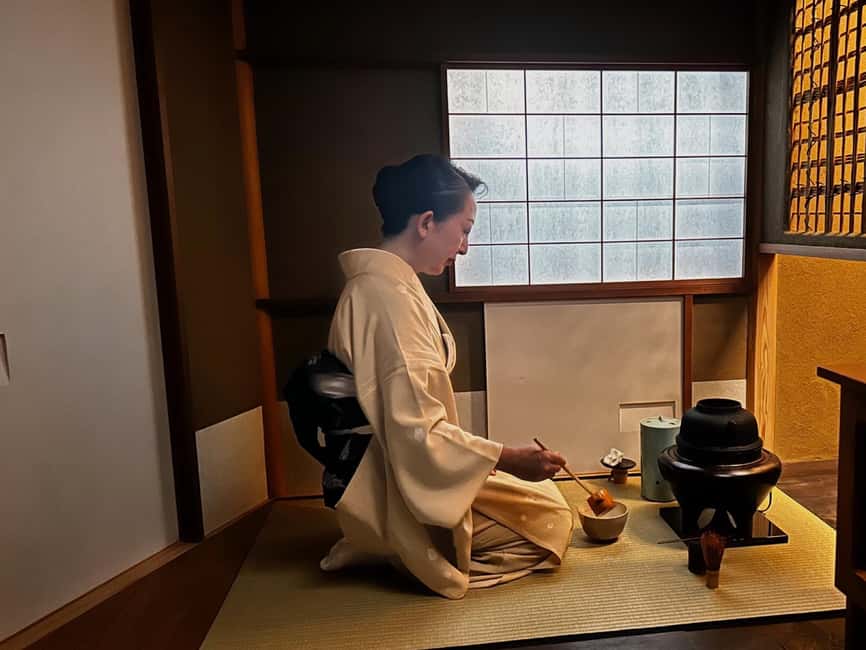
At $101 per person for 1 hour, this isn’t the cheapest activity on the Kyoto list. But the value comes from the structure.
Here’s where your money goes:
- a certified tea master explanation in a local home setting
- hands-on matcha preparation
- two cups of matcha
- two types of seasonal Japanese sweets
- a teaching format that covers more than etiquette—history, utensils, tool care, and how the ceremony works
In other words, you’re not just paying for tea. You’re paying for a guided lesson you can reuse: how to handle the bowl, how utensils function, and how to understand what each gesture means.
If your ideal Kyoto day includes learning and calm cultural practice, this price makes more sense than it might at first glance.
Getting there smoothly: walking options and a simple taxi plan
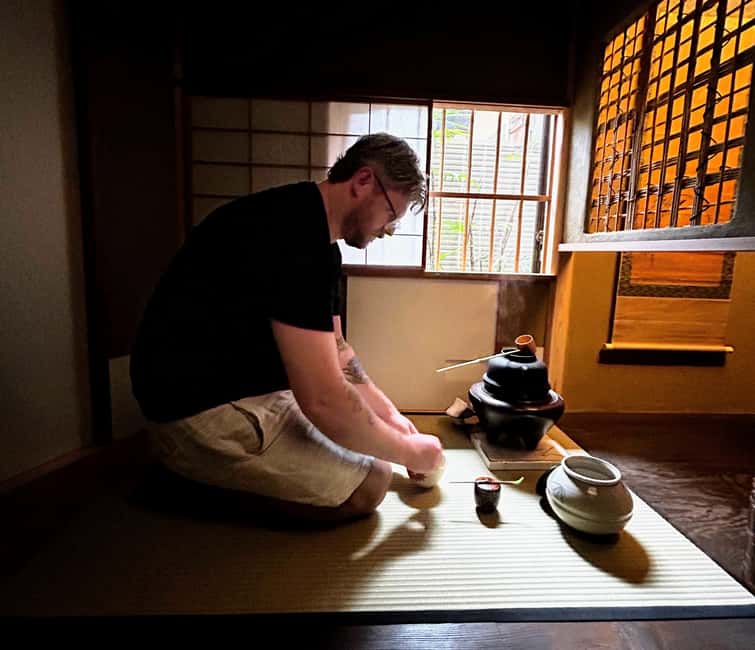
You’ve got a few easy routes depending on where you’re staying.
- From Nijojomae Station on the Kyoto subway line: about 3 minutes on foot
- From Kyoto city bus Nijojomae Station: about 3 minutes on foot
- From Hankyu Shijo Station: about 15 minutes on foot
- From JR Kyoto Station: about 10 minutes by taxi
Since you’ll be removing shoes and wearing socks indoors, arriving relaxed helps. I’d treat it like an appointment. Get there a few minutes early so you’re not rushing your outfit check.
Who should book this Kyoto tea ceremony?
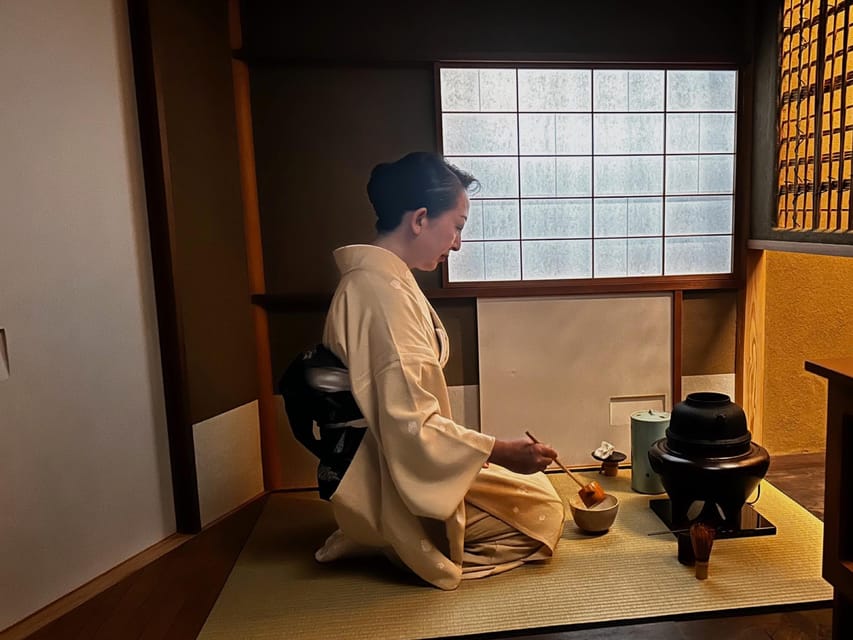
This private matcha ceremony is a great fit if you:
- want a deeper look at Japanese culture than a quick tasting
- enjoy structured learning with hands-on practice
- like calm, respectful experiences more than high-volume tours
- want English support and a private-group pace
- need Halal, vegan, allergy, or LGBTQ accommodations
It may feel less ideal if you:
- want a long, multi-hour experience (this is only 1 hour)
- struggle with rules about clothing, jewelry, perfume, and recording restrictions
- are traveling with kids under 13
Should you book? a quick decision guide
Book it if you want a short, focused lesson that turns tea ceremony from a vague idea into something you can repeat and explain. I think the hands-on matcha plus the utensil and etiquette teaching are the big wins.
Skip it or choose something else if you hate dress rules or you’re the kind of person who wants a free-form hangout. Here, the ceremony depends on order and respect.
If you do book, come prepared: long trousers, socks, no perfume, and no jewelry. Then you’ll get the most out of the calm hour in the Kyoto home tea room led by the Kangetsu Kyoto team.
FAQ
How long is the Kyoto private tea ceremony?
The experience runs for 1 hour.
Where do we meet for the tea ceremony?
You meet at さくら 日本文化体験 (Sakura Japanese Culture Experience). It’s about 3 minutes from Nijo Castle and 3 minutes from Nijojomae Station on foot.
Is this a private group or shared experience?
It’s a private group.
What language is the instructor available in?
The instructor is available in English and Japanese.
Do you serve matcha and sweets?
Yes. You’ll receive 2 cups of matcha and 2 types of Japanese traditional sweets.
Can I record video or audio during the ceremony?
No. Video recording and audio recording are not allowed.
What should I wear?
Wear comfortable clothes with long pants. Shorts, short skirts, hats, and sleeveless shirts are not allowed. You also need socks.
Are bare feet allowed indoors?
No. Bare feet are not allowed, and shoes are also not allowed indoors.
Is the experience suitable for children?
It is not suitable for children under 13.
Can you accommodate allergies or dietary preferences?
Yes. They can accommodate Halal, vegan, various allergies, and LGBTQ needs. Be sure to share your requirements in advance.