REVIEW · KYOTO
Kyoto Matcha Green Tea Tour
Book on GetYourGuide →Operated by Arigato Travel KK · Bookable on GetYourGuide
Matcha in Uji hits different. This 3-hour small-group walk in Kyoto’s tea town Uji pairs matcha making with World Heritage temple sights, so you get more than a cup of tea. You also hear the stories behind the place—plus how the taste got its reputation.
I love the mix of history and real food you can eat on the move. I also like that you don’t just taste matcha—you get a hands-on class plus sweet stops, including wagashi and matcha ice cream.
One consideration: the meeting point is at the entrance of Keihan Uji Station (not JR), and the guide can wait only five minutes. Show up early, or you may miss departure.
In This Review
- Key highlights that make this Uji matcha tour worth your time
- Uji’s matcha magic in three hours (and why the pace works)
- Where you meet at Keihan Uji Station (and the five-minute rule)
- World Heritage tea-town sights: temples, shrines, and the Uji backstory
- From river calm to tea-shop details: what the walking route adds
- Food stops you can actually use: soba lunch and more tea-flavored bites
- Matcha making class: grinding leaves, whisking, and learning what matters
- Wagashi and matcha ice cream: how the sweet finish makes the whole tour click
- Small group (max 8): why that size keeps everything pleasant
- Price and value: what $173 covers, and what that means for your day
- Who should book this Uji matcha tour (and who should skip it)
- Should you book the Kyoto Matcha Green Tea Tour in Uji?
- FAQ
- Where is the meeting point?
- How long is the tour?
- Is the tour in English?
- How big is the group?
- Is hotel pickup included?
- What’s included in the tour price?
- What isn’t included?
- What are the age limits or child rules?
- Can I cancel for a full refund?
- Is there a way to book without paying right away?
Key highlights that make this Uji matcha tour worth your time
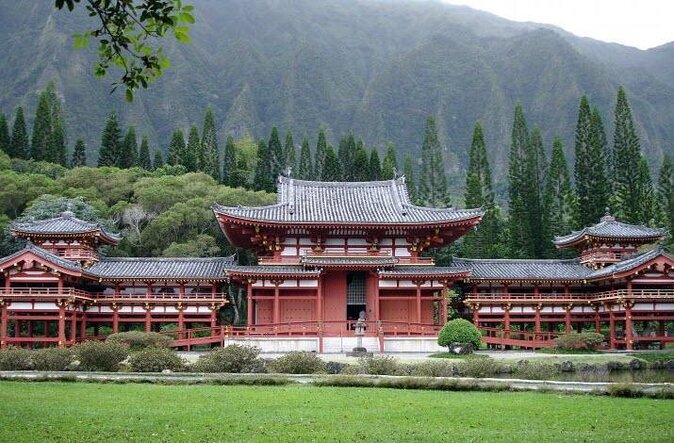
- Byodoin Temple is part of the World Heritage experience, with Uji’s tea-town story attached
- You grind, make, and taste matcha, not just sample it
- Wagashi sweets and matcha ice cream show up, so the tour covers more than one style of tea
- Food stops are built into the pacing, including a soba lunch option and river-area breaks
- The small-group size (up to 8) makes it easier to ask questions and move at a human pace
- Guides like Karim, Jamelah, Miki, Thomas, Sanae, and Raquel are specifically praised for clarity, care, and flexibility
Uji’s matcha magic in three hours (and why the pace works)
Uji is one of those places where the tea story feels practical, not staged. In about three hours, you get a guided sweep through the town’s key areas, then the experience turns hands-on when it’s time to make and taste matcha. The time window matters: you get meaningful stops without feeling like your day in Kyoto is a full-day washout.
This isn’t a “sit and listen” format. You’re walking, you’re eating, and you’re using your senses—smell, sight, taste. That’s the real value: matcha becomes a skill and a flavor you can actually remember, not just a souvenir cup.
You can also read our reviews of more tours and experiences in Kyoto.
Where you meet at Keihan Uji Station (and the five-minute rule)
Meet at the entrance of Keihan Uji station (宇治駅)—not JR Uji station. Your guide will be holding a sign, ready to start. This detail is small, but it can make or break your day.
You can only be late by five minutes after the starting time. After that, the tour departs. Also, once the tour begins, the supplier notes they can’t give directions or be reached by phone, partly to keep the flow smooth and to respect relationships with the restaurants you’ll visit. In plain terms: arrive early, get your bearings fast, and don’t rely on last-minute calls.
World Heritage tea-town sights: temples, shrines, and the Uji backstory
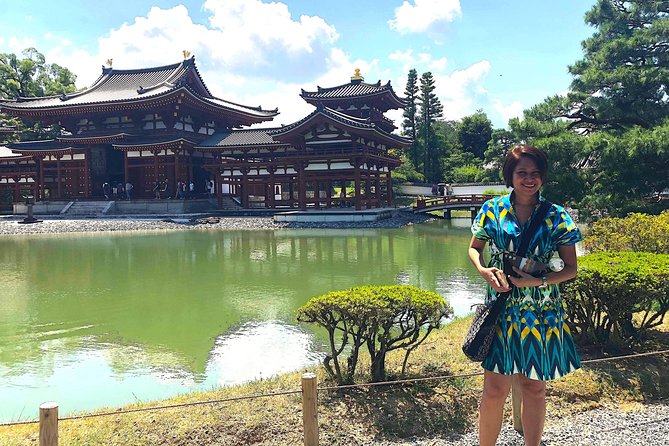
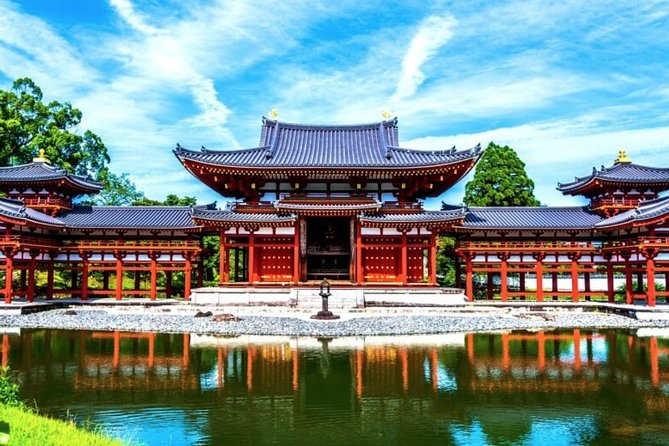
Uji’s reputation isn’t random. The tour includes Uji’s World Heritage sites, and in practice that often means a visit to Byodoin Temple, which is frequently singled out as beautiful. You’ll also see sacred spaces tied to local practices—temples and shrines that help explain how tea culture became part of daily life, not just ceremony.
A good guided walk helps you notice what you’d otherwise rush past. Instead of simply seeing buildings, you’ll hear how Uji became a revered retreat associated with Kyoto’s noble families, and how that legacy shows up in what people do and eat today. You’ll also get context for shrine etiquette—like what to do and what the actions mean—so you can participate respectfully.
If you’re into collecting goshuin (stamp/book seals), you may get a quick pause for that kind of stop. A few past guests mention the tour can build in time for it, and the guide may help translate when you’re asking where to go.
From river calm to tea-shop details: what the walking route adds
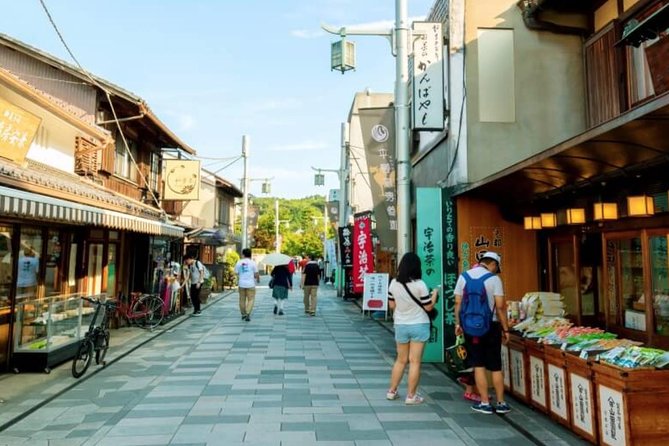
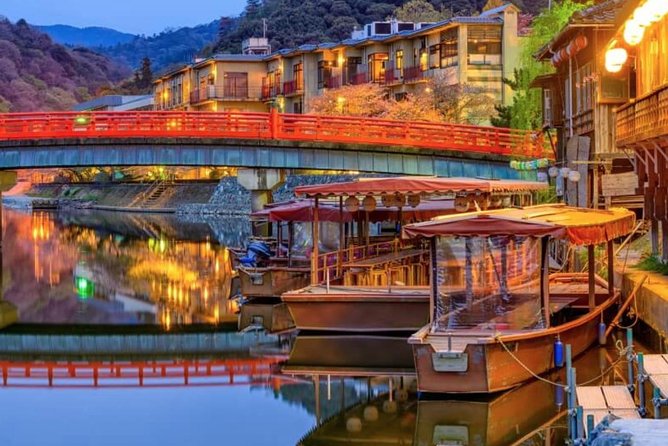
The tour description leans into the senses for a reason. Uji’s vibe is quieter than central Kyoto, and the walking portion is designed to keep you connected to place. You’ll stroll through beautiful streets, hear about the characters who shaped Uji, and take in the soothing feel of the Uji River area during the food breaks.
This portion matters because matcha culture isn’t only about whisking technique. It’s also about the environment and the rhythm of town life. When your guide points out small cues—how tea is sold, how sweets are paired, how shops present matcha—you start to understand why Uji tastes the way it does.
Food stops you can actually use: soba lunch and more tea-flavored bites
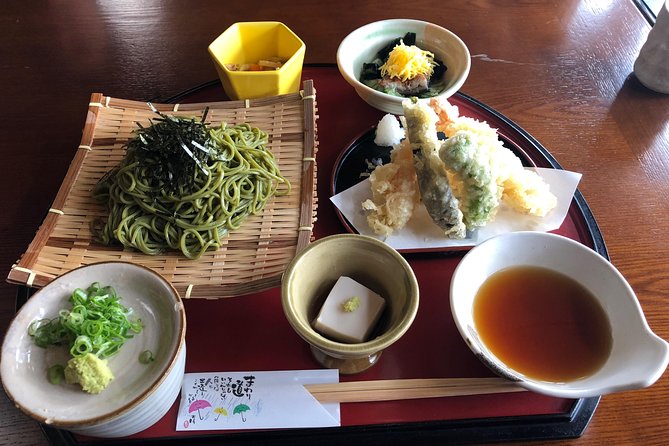
This tour is set up as a full taste experience, not a quick snack. Included are a variety of dishes at multiple food stops, plus matcha tastings and sweets. One common highlight is a soba lunch stop, sometimes described as being near the river, which pairs nicely with the tea focus.
What I like about these meals is that they help you compare flavors in context. Matcha isn’t always the star by itself; it shows up as a flavor partner—earthy, slightly bitter, and creamy when whisked properly. When you eat along the way, matcha making later feels less like an activity and more like a continuation.
Also included are local treats and end-of-tour sweets. Past tours mention wagashi as part of the matcha sweets experience, and matcha ice cream as a memorable finish. If you’re traveling with a sweet tooth (or you just want the contrast), this tour delivers.
Matcha making class: grinding leaves, whisking, and learning what matters
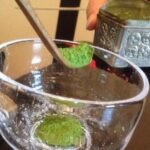
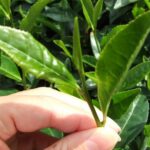
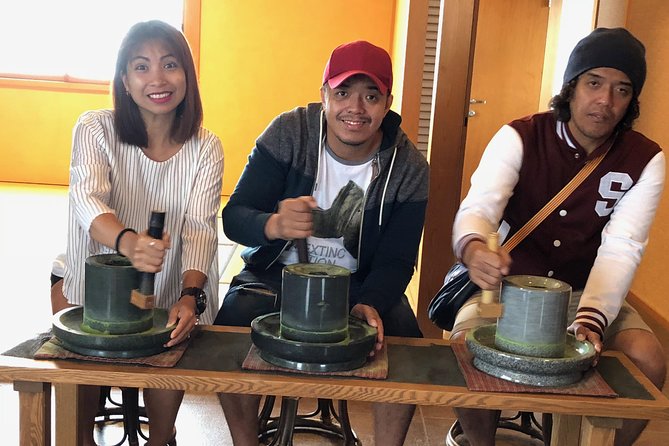
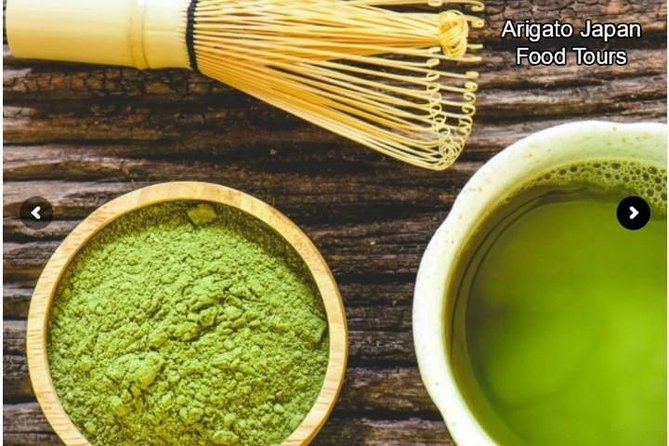
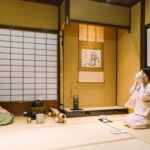
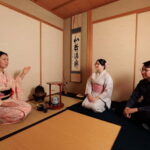
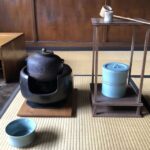
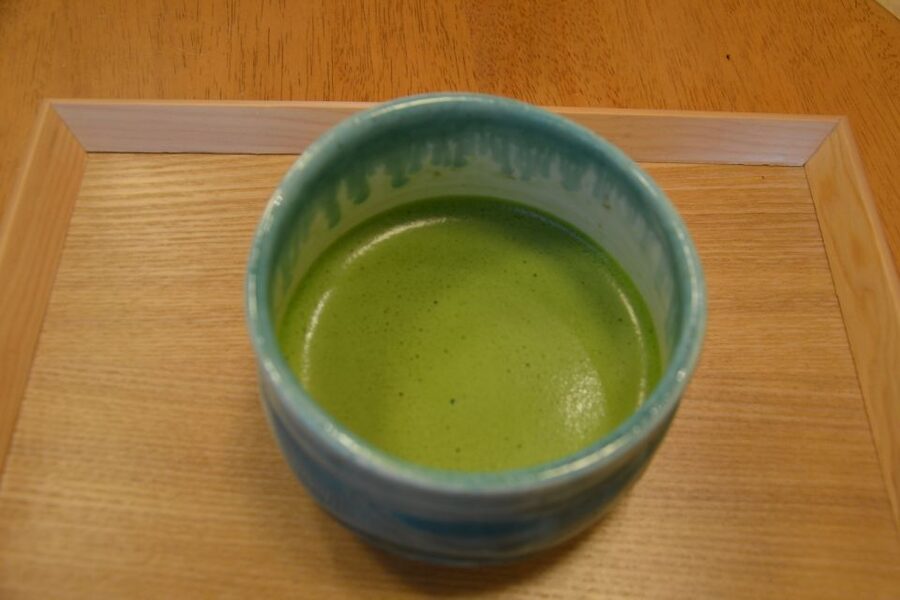
This is the heart of the experience. The tour includes matcha tasting plus matcha making, and you’ll get hands-on time that teaches you what you’re really tasting. That usually starts with seeing and understanding how tea leaves become matcha powder, then moving into the whisking process so you can recognize texture, foam, and flavor changes.
The best part is the tasting afterward. Not everyone realizes matcha can vary in how it feels in the mouth—smooth, velvety, and layered. When you make it yourself, you’re more likely to remember the difference between sweet treatments and more traditional matcha intensity.
Guides are a big reason this part lands well. Names that show up strongly in real-world feedback include Karim, Thomas, Sanae, and others. People specifically praise guides for answering questions and keeping the pace relaxed. One past guide (Miki) is mentioned as being flexible with interests and even switching between languages—English, Spanish, and some Tagalog. That matters because good explanation makes the lesson stick.
Wagashi and matcha ice cream: how the sweet finish makes the whole tour click
Wagashi is included, and it’s not an afterthought. You’re tasting sweets designed to pair with tea culture, with flavors and textures that complement matcha rather than fight it. The tour also includes matcha ice cream, which sounds simple until you realize it’s a perfect contrast: cold, creamy, and still carrying that green tea character.
This sweet section is where the tour feels fun and personal. If you only drank matcha, you’d still learn something, but you might not fully understand the culinary role it plays. With wagashi and ice cream included, matcha becomes part of a wider food language.
You’ll also have some shopping time at the end. That’s practical: you can pick up tea or sweets with a baseline of knowledge, so you’re not just buying by packaging.
Small group (max 8): why that size keeps everything pleasant
A tour capped at 8 people is a sweet spot. It supports a calmer pace, quicker questions, and less crowding at stops where people want photos. Several guests describe the experience as relaxed, and that matches what you want for an activity like matcha making, where timing and attention matter.
This size also helps the guide manage small differences—like whether you want to spend a bit more time asking about shrine etiquette, or you’d rather focus on the tea details. It can also help with translation support, especially if your guide has multi-language ability like Miki did for one group.
Price and value: what $173 covers, and what that means for your day
At $173 per person for a 3-hour experience, you should ask a simple question: are you paying for tea, or are you paying for an entire guided food-and-culture experience?
You’re getting more than tastings. Included are multiple food stops with a variety of dishes, matcha tasting, matcha making, wagashi sweets, matcha ice cream, and shopping time. Plus you’re paying for a live English guide and guided access to Uji’s key historic sites.
If you’d otherwise spend a day piecing together temple visits, tea-shop meals, and a workshop, this price starts to look like convenience with value. You also get the structure: you don’t have to figure out where to go for matcha making, what to order, or how to interpret what you see.
Is it worth it for everyone? Not if you want total freedom to wander on your own. But if you want a focused, guided, food-based Uji overview with hands-on matcha, it’s priced like an experience—not just a tea flight.
Who should book this Uji matcha tour (and who should skip it)
This tour fits best if you want:
- hands-on matcha making, not only tasting
- a compact introduction to Uji’s World Heritage sites
- a guided food walk with multiple stops
- an English-speaking guide who can handle questions smoothly
It may not be ideal if:
- you hate structured schedules and prefer to wander without prompts
- your plans require late arrivals (the five-minute waiting window is strict)
- you’re traveling with unaccompanied minors—this tour doesn’t allow unaccompanied minors, and children must be accompanied by an adult
If you’re the kind of traveler who likes learning through doing—grinding tea leaves, whisking matcha, comparing flavors—this tour is built for you.
Should you book the Kyoto Matcha Green Tea Tour in Uji?
I’d book it if you’re aiming for a high-quality matcha experience in a short window, and you’re happy to meet at a specific spot (Keihan Uji station entrance) on time. The mix of World Heritage sights, guided context, and included food stops is the winning combination.
Skip it if you already feel confident navigating Uji on your own and you mainly want free time. This tour is structured for learning and eating together, and that structure is also what makes it good value.
If you’re deciding between “tea tasting only” and “tea tasting plus making plus sweets,” choose the tour that includes matcha making, wagashi, and matcha ice cream. That’s where the memory usually lives.
FAQ
Where is the meeting point?
Meet at the entrance of Keihan Uji station 宇治駅 (not JR Uji station), at Otsukata Uji, Kyoto 611-0021.
How long is the tour?
The tour lasts 3 hours.
Is the tour in English?
Yes, it’s a live tour with an English-speaking guide.
How big is the group?
This is a small group limited to 8 participants.
Is hotel pickup included?
No, hotel pickup is not included.
What’s included in the tour price?
Included are variety of dishes at multiple food stops, matcha tasting, matcha making, wagashi sweets, matcha ice cream, and shopping time.
What isn’t included?
Transportation costs and gratuity are not included, and additional drinks or food are not included but may be purchased at the guest’s expense.
What are the age limits or child rules?
Unaccompanied minors are not allowed. Children must be accompanied by an adult. The minimum drinking age is 21.
Can I cancel for a full refund?
Yes. You can cancel up to 24 hours in advance for a full refund.
Is there a way to book without paying right away?
Yes. You can reserve now and pay later.