REVIEW · KANAZAWA
Kenrokuen Tea Ceremony Experience in Kanazawa
Book on Viator →Operated by Kenrokutei · Bookable on Viator
A quiet garden tea ceremony sounds simple, but it’s surprisingly detailed. In Kenrokuen, you learn the flow of a Japanese tea ceremony with hands-on time—plus matcha and wagashi—right in the heart of Kanazawa.
What I love most is how you get to make the matcha yourself (not just watch), and how the sweets and tea work together as part of the lesson. The main consideration: you’ll still need to pay Kenrokuen admission separately, and being late can cost you your reservation.
In This Review
- Quick highlights
- Why Kenrokuen Makes This Tea Ceremony Feel Like More Than a Show
- Arriving at Kenrokutei: A Historic Place for a Quiet Lesson
- The 50-Minute Ceremony Flow: Watch, Practice, Sip
- Sitting Comfortably: The Standing-Style Option Is a Real Help
- Matcha and Wagashi: How the Tastes Teach the Tradition
- Price and Value: $39.40 Plus Garden Admission
- Logistics That Actually Matter: Timing, Tickets, and Getting There
- Who Should Book This Tea Ceremony in Kanazawa
- Should You Book This Kenrokuen Tea Ceremony Experience?
- FAQ
- How long is the Kenrokuen tea ceremony experience?
- Where do I meet for the tea ceremony?
- Is Kenrokuen Garden admission included in the price?
- What does the $39.40 price include?
- Can I choose a standing-style tea ceremony?
- What age is required to join?
- How many people are in a group?
- Is translation available?
- What if I’m late?
Quick highlights

- Kenrokuen setting inside the garden area at Kenrokutei
- Hands-on matcha making with utensil guidance from the tea master
- Wagashi sweets from a well-known confectioner as part of the experience
- Standing-style option if floor seating is hard
- Small group size with a calm, quiet pace (maximum 4 people)
- Photo moment to capture the ceremony after it’s done
Why Kenrokuen Makes This Tea Ceremony Feel Like More Than a Show
If you’ve only ever had matcha as a drink, this is where it clicks. The ceremony isn’t about fancy props—it’s about timing, movement, and attention. And doing it in Kenrokuen changes the mood fast. Even if you spend the morning walking the garden, the tea ritual still feels like its own little world.
Two things make this experience particularly satisfying. First, you don’t just sample matcha; you learn how to handle the utensils and participate. That turns a common food experience into a skill you can actually picture yourself repeating later. Second, the wagashi sweets aren’t treated like an afterthought. They’re part of the tasting rhythm, and it helps you see how tea culture connects flavor, season, and presentation.
One practical drawback to plan around: Kenrokuen admission is required separately. The tea ceremony ticket covers the ceremony portion and snacks, but you’ll pay the garden entrance on top. If you were already thinking of visiting Kenrokuen anyway, this is less painful. If not, it’s worth factoring into your total budget.
You can also read our reviews of more tours and experiences in Kanazawa.
Arriving at Kenrokutei: A Historic Place for a Quiet Lesson
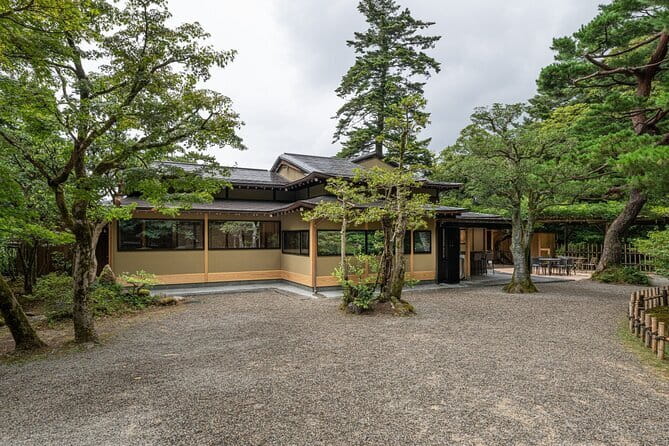
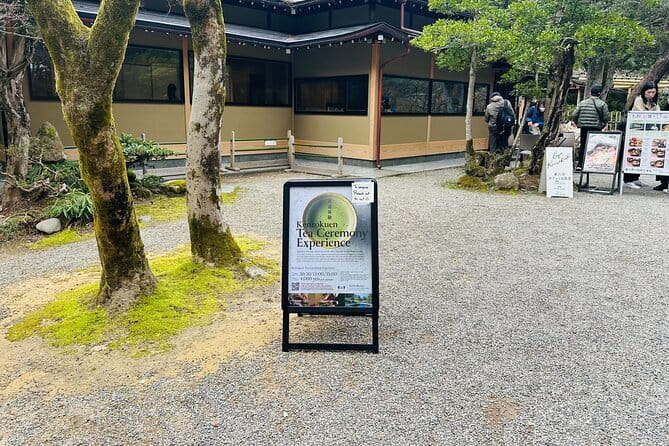
Your meeting point is Kenrokutei, located at 1-20 Kenrokumachi, Kanazawa. This matters because Kenrokutei isn’t just a random room near a garden entrance. It’s described as a historic spot where important visitors were entertained by lords in the past. That heritage gives the tea ceremony an instant sense of place.
The experience is designed to stay calm. The event is held with other groups, and they specifically aim to keep it quiet and enjoyable. That’s why punctuality is stressed. If you arrive more than 10 minutes late, the reservation can be canceled. So I’d treat this like a timed appointment, not a casual drop-in.
If you need translation support, the setup is also worth noting. Translation services are available only via a private reservation to avoid disturbing others. So if you rely on language help, plan ahead and request it early rather than assuming it will be handled automatically.
The 50-Minute Ceremony Flow: Watch, Practice, Sip
The ceremony runs about 50 minutes, and that length is perfect for first-timers. Long enough to learn the rhythm. Short enough that you won’t feel stuck when your legs or attention start to fade.
Here’s the basic flow you should expect:
- A demonstration from the tea master
You’ll see how the tea is made first, with the logic behind the steps. This helps you stop guessing at what you’re supposed to do later.
- Utensil instruction while you follow along
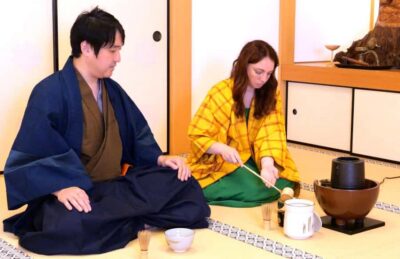
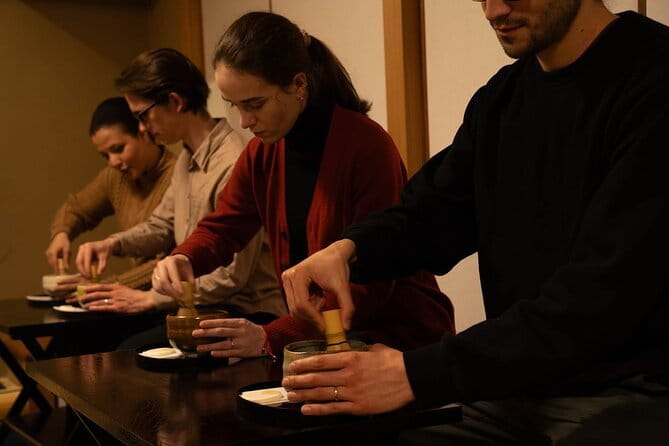
You get guidance on how to use the traditional tea-making tools. One review mentioned practicing different movement and even trying to create a foamy matcha texture yourself, which is a big part of why the experience feels interactive.
- Your turn: making your own tea
After the walkthrough, you participate. You don’t just stir for a few seconds—you do enough of the process to feel what each step is trying to accomplish.
- Drink and notice the details
Then comes the best part: sipping the matcha you made, not someone else’s. When you taste your own tea, it’s easier to understand why the ceremony is slow, careful, and structured.
There’s also a photo moment after the ceremony so you can capture the experience without trying to hold a camera mid-ritual.
Sitting Comfortably: The Standing-Style Option Is a Real Help
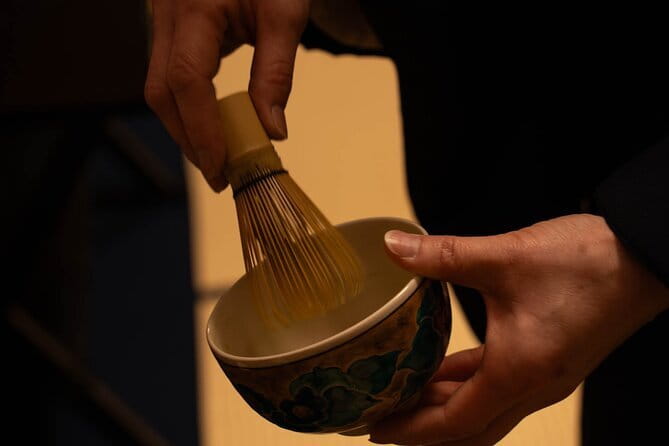
One detail I really appreciate is that you can choose a standing-style tea ceremony if you have trouble sitting on the floor. For a lot of people, that’s the difference between enjoying the lesson and spending the whole time fighting discomfort.
Even with standing style, it’s still a formal activity. You’ll want to wear something you can move in and keep your balance. If you plan to do the floor option instead, just know the focus is on quiet movements, not flexibility exercises.
Also, the minimum age is 7 years old, which keeps the tone calmer for everyone and helps explain why the room stays quiet.
Matcha and Wagashi: How the Tastes Teach the Tradition
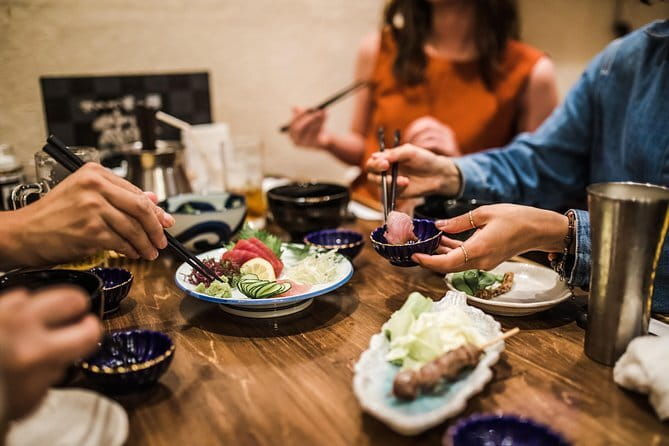
Matcha is the star, but the ceremony makes it more interesting than a simple drink tutorial.
You’ll drink matcha that you’ve made during the session, so you’re not only tasting the flavor—you’re tasting your technique. That’s a subtle but important way to learn. If you’ve ever wondered why matcha can taste different from place to place, this is the kind of experience that gives you reasons you can remember.
Then there’s wagashi. You’ll eat traditional wagashi sweets made by a distinguished confectioner. From the feedback, people consistently call the sweets delicious, and that makes sense: wagashi is often designed to balance tea bitterness and to add seasonal or cultural flavor cues.
In practical terms, think of the sweet as part of the lesson pacing:
- you get a sensory break,
- you taste the tea with a calmer palate,
- and you get to compare textures and sweetness against the matcha.
Price and Value: $39.40 Plus Garden Admission
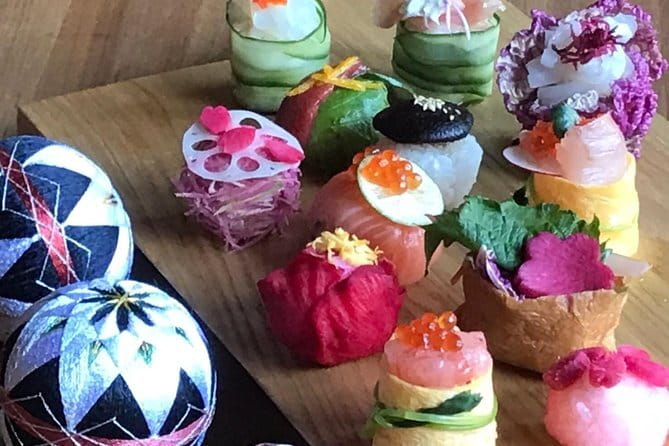
At $39.40 per person, this isn’t the cheapest activity in Kanazawa. But it’s not overpriced either—if you value a real cultural practice and hands-on learning.
What your ticket includes:
- snacks (your tea-culture tasting experience)
- participation in the tea ceremony experience itself
What it does not include:
- Kenrokuen entrance fee (320 yen)
So you’re paying for the instruction, the guided experience, and the food element, while the garden visit remains a separate cost. The value gets better if you were already planning to enter Kenrokuen for a few hours. If you were only doing the tea ceremony and nothing else, then the extra admission fee can feel like an added layer.
The group size also affects value. With a maximum of 4 travelers, you’re less likely to get lost in the back row. You can actually follow along and participate without feeling rushed.
Logistics That Actually Matter: Timing, Tickets, and Getting There
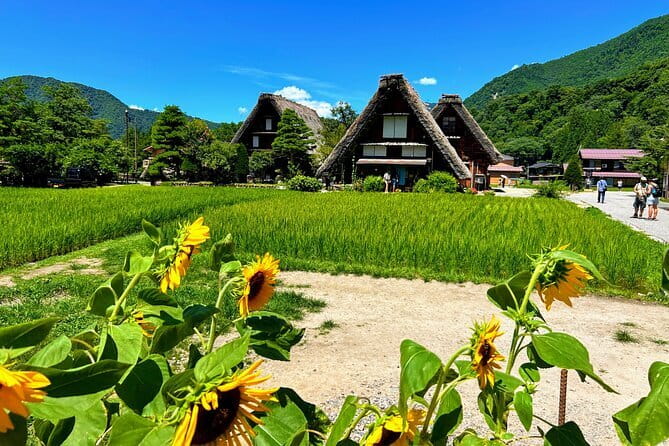
This is where I’d keep it simple.
- Go early rather than late. The ceremony is punctual. Arriving more than 10 minutes late can lead to cancellation.
- Plan for Kenrokuen admission. Because it’s separate, you’ll want to avoid the frustrating moment of getting ready for tea only to realize you still need to pay the garden entrance.
- You’ll receive a mobile ticket, and you’re in good shape if your phone battery is reliable.
- The location is near public transportation, so you shouldn’t need complicated transfers to reach Kenrokutei.
The experience ends back at the meeting point, so you’re not stuck hunting for your next move while carrying matcha memories.
Who Should Book This Tea Ceremony in Kanazawa
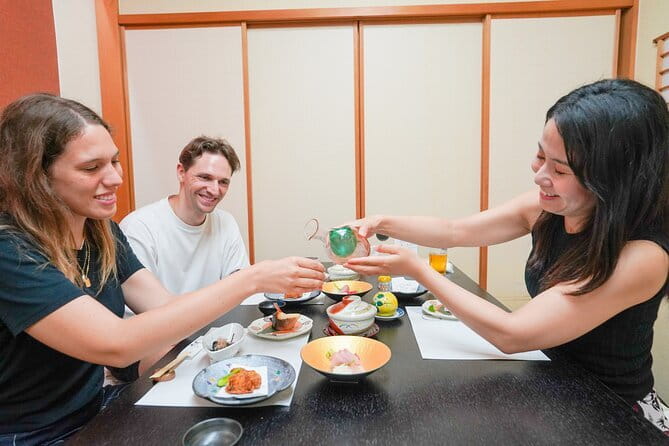
I’d book this if you want your Kanazawa trip to include something more thoughtful than a typical photo stop. This is especially good for:
- First-timers who want the full tea ceremony flow, not just a matcha tasting
- People who learn best by doing: you’ll make and drink your own tea
- Anyone who cares about Japanese etiquette and movement, even if you don’t call it that
- Families with children age 7+ who can handle a quiet, structured activity
- Anyone who needs the standing-style option for comfort
On the flip side, it may not be your best use of time if you want a super casual, quick experience with no instructions. This tea ceremony is calm and guided, so you’ll get the most from it when you’re ready to pay attention.
Should You Book This Kenrokuen Tea Ceremony Experience?
Yes, if you want a real cultural activity in Kanazawa with hands-on learning. The biggest reasons are practical: you participate in making matcha, the guidance is clear enough to follow, and the wagashi plus matcha tasting is treated as part of the lesson—not a random snack stop.
Book it particularly if you’re already planning to enter Kenrokuen anyway. Then the extra admission is just part of the full day. If you’re only doing one short thing in Kanazawa, you’ll want to think about total value since garden admission is separate and punctuality is strict.
If you want quiet, careful instruction and a matcha experience you can actually remember beyond the taste, this one deserves a spot.
FAQ
How long is the Kenrokuen tea ceremony experience?
It runs about 50 minutes (approx.).
Where do I meet for the tea ceremony?
You start at 1-20 Kenrokumachi, Kanazawa, Ishikawa 920-0936, Japan at Kenrokutei, inside Kenrokuen Garden. The activity ends back at the meeting point.
Is Kenrokuen Garden admission included in the price?
No. The tour ticket does not include Kenrokuen admission. Kenrokuen entry is 320 yen separately.
What does the $39.40 price include?
The experience includes snacks.
Can I choose a standing-style tea ceremony?
Yes. You can choose a standing-style ceremony if you have difficulty sitting on the floor.
What age is required to join?
Participants must be 7 years or older.
How many people are in a group?
There is a maximum of 4 travelers per group.
Is translation available?
Translation services require a PRIVATE reservation to avoid disturbing others.
What if I’m late?
Please be punctual. If you arrive more than 10 minutes late, your reservation can be canceled.