REVIEW · MUNNAR
Munnar Tea Trail Tour , Tea factory visit & Tea Tasting
Book on Viator →Operated by munnar valley trekking & tours · Bookable on Viator
Tea starts with a walk. I like the tea plantation trail with tea pluckers and real day-to-day routines, and I like the Lockhart factory built in 1936. One heads-up: English skill can vary, so it’s smart to double-check what you’ll get before you start.
For $14, you’re getting a tight mix of outdoors time and hands-on tea making. You’ll also get those Munnar views, including sights toward Chokramudi Peak and the Idli hills. The main drawback is that the walking is part of the deal, so pack for a proper 2–3 hour stroll pace.
In This Review
- Key reasons this tour is worth your time
- Tea Trail Walking at Lockhart: what the plantation part really feels like
- Lockhart Tea Tourism: stepping into a 1936 orthodox tea factory
- Tea tasting and blending: how to make the tasting part actually useful
- Meeting point and flow: what your 3 hours look like on the ground
- Price and value: why $14 can feel like a deal
- Who this tour is best for (and who should pick something else)
- Weather matters more than you think
- Should you book the Munnar Tea Trail Tour?
- FAQ
- How long is the Munnar Tea Trail tour?
- What does the tour include?
- How long is the tea plantation walk?
- Is the factory visit part of the 3 hours?
- Where is the meeting point?
- How many people are in a group?
- What about weather?
- When does the tour end?
Key reasons this tour is worth your time

- Lockhart tea estate walking (2–3 hours): a real tea-plantation stroll, not just a photo stop.
- Tea factory built in 1936: you’ll see orthodox tea production using traditional machinery.
- Tea pluckers and local routines: you spend time around the people who keep the estate running.
- Tea tasting + blending basics: structured training is offered, including blending and tasting elements.
- Small group size (max 10): easier conversation and less crowd pressure while you walk and taste.
Tea Trail Walking at Lockhart: what the plantation part really feels like
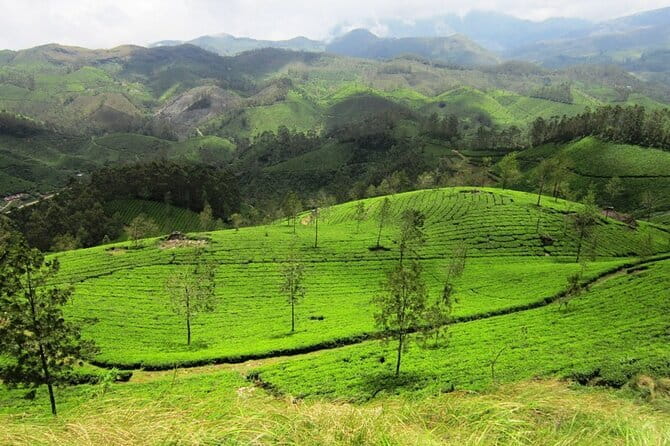
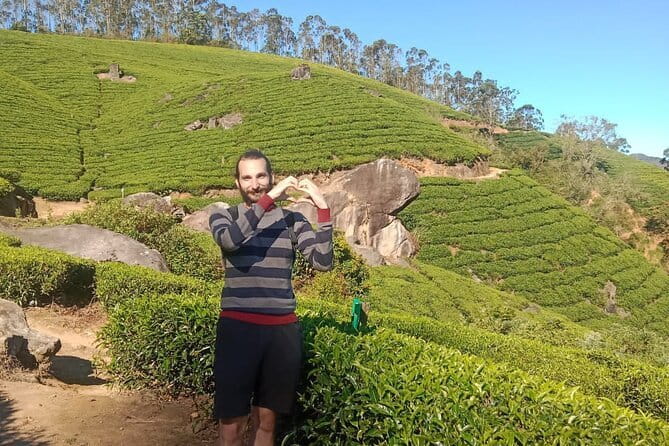
This is the part that makes the tour more than a quick tea stop. You’re led through the Lockhart tea estate on a walking segment that runs about 2 to 3 hours. That’s long enough to notice how the tea changes across the hillside and how the work fits into the day.
Expect a steady, manageable walk rather than a strenuous hike. Still, treat it like you’re walking hills in warm, damp weather. Your legs will get their say. Bring water and wear shoes you’re happy to get a little muddy. If you’re the type who loves to pay attention to plants instead of just scenery, you’ll have a good time here.
The tour also points you toward the human side of the plantation. You spend time with tea pluckers and learn about local culture and lifestyle. That matters, because tea in Munnar isn’t a museum theme—it’s labor, timing, and repetition. Even if you only catch a few explanations along the way, you’ll leave with a better sense of what plucking and processing really depend on.
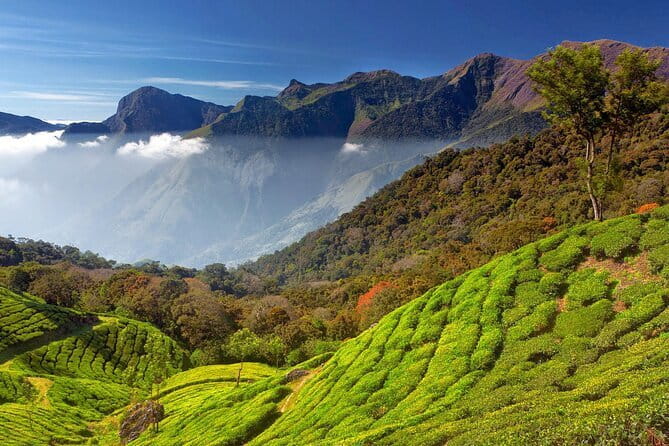
And yes, there are viewpoints. The walk includes views toward Chokramudi Peak and the Idli hills. In Munnar, those aren’t just postcard angles—they help you understand why tea grows where it does: rolling elevations, misty mornings, and slopes that look made for careful farming.
You can also read our reviews of more tours and experiences in Munnar.


Lockhart Tea Tourism: stepping into a 1936 orthodox tea factory
After the walk, the tour shifts gears from outside to inside. You get a tea factory visit for about 1 hour, with a briefing that covers the tea-making process, its history, and health benefits of tea.
This factory is known for orthodox tea production using traditional methods. The standout detail for me is that the facility was built in 1936 and still uses ancient machinery. You’re not just being told how tea gets made—you’re shown equipment and process stages in an older-style setup.
You might see an older worker demonstrating or explaining parts of the operation. The practical value here is that orthodox processing involves careful steps and timing. If you’ve only ever had tea bags, seeing the mechanical flow and how it ties to flavor makes the tasting section later much more meaningful.
The briefing usually covers what happens after the leaves are processed. While the exact steps are not listed in the tour notes, the core idea is consistent: tea doesn’t turn into tea by magic. It’s a sequence of handling that affects aroma and strength. When you connect that to what you’ll sip later, the tour clicks.
Tea tasting and blending: how to make the tasting part actually useful

The tour includes a tea-tasting section, which is where you can turn curiosity into real understanding. Tea is described here as the most widely drunk beverage in the world, and the tour treats it as something you can learn—like wine, but easier to start.
You’re offered tea tasting with blending elements. The tour describes a training program designed around tea blending and tea tasting, framed in 9 levels to build knowledge gradually. You may not start at level nine in a short tour, but the key point is that the tasting isn’t random. There’s a structured approach.
Here’s how you can get more from it:
- Taste slowly, not in a hurry to finish.
- Smell first, then sip. Aroma drives a lot of the difference.
- If you’re given more than one tea sample, take notes in your head: which one feels lighter, which one feels stronger, which one tastes more floral or more brisk.
Also, don’t skip the factory context. After seeing orthodox processing, your taste receptors will connect the dots better. The tour is basically built to help you go from leaf and labor → process → flavor.
Meeting point and flow: what your 3 hours look like on the ground
The tour runs for about 3 hours total, and it ends back at the starting point. Your meeting point is Rijo Villa (Nature Glade Cottage) near the KSRTC bus stand on Amman temple street, behind Sree paravathi, in Moolakadai, Munnar, Kerala 685612, India.
It’s a loop-style plan: start at the villa area, go through plantation, factory, then tasting, and return. That’s convenient when you’re trying to fit things into a tight Munnar schedule.
The small group limit—maximum of 10 travelers—helps the pace. Fewer people means you’re more likely to get explanations instead of just being swept along. It also matters for the walking part, since the group needs to move as one without losing anyone in the plantation.
You get a mobile ticket, and confirmation is received at booking time. If you’re arriving from another town, double-check your timing so you’re not sprinting up to the meeting point. In Munnar, weather shifts fast, and the day’s conditions can affect how comfortable the walking feels.
Price and value: why $14 can feel like a deal
At $14, this tour is positioned as a low-cost way to get three things in one: walking in a tea estate, a guided look at an orthodox factory, and tea tasting with blending-style instruction.
That combination is the value. If you tried to do it solo, you’d likely spend more on transport, and you’d miss the explanation layer—how to connect what you see to what you taste. The tour’s best bargain is the factory angle: a 1936 site with orthodox machinery plus a briefing. That’s not just a showroom visit.
The tasting portion also helps justify the price. If you leave with a clearer sense of how tea changes across processing and styles, you’ve gotten more than a sip. You’ve gained a small skill set for future tea purchases and tastings.
The trade-off is that the experience quality depends on the guide/language and how the day is run. The tour notes and ratings suggest most people feel well cared for, but there’s enough warning signal about English and guidance quality that you should approach with eyes open.




Who this tour is best for (and who should pick something else)

This is a great fit if you:
- Like tea and want real context, not just a cup.
- Enjoy gentle-to-moderate walking and plant-focused sightseeing.
- Want a human view of plantation life, including time around tea pluckers.
- Enjoy small-group tours where you can ask questions.
You might want to choose a different option if:
- You hate walking in hills. The plantation segment is a core part of the experience.
- You need very fluent English from start to finish. The tour does involve explanations, and the language quality can affect your enjoyment.
- You’re easily frustrated by the day feeling rushed or disconnected. If anything starts feeling off, speak up early in the process.
Weather matters more than you think
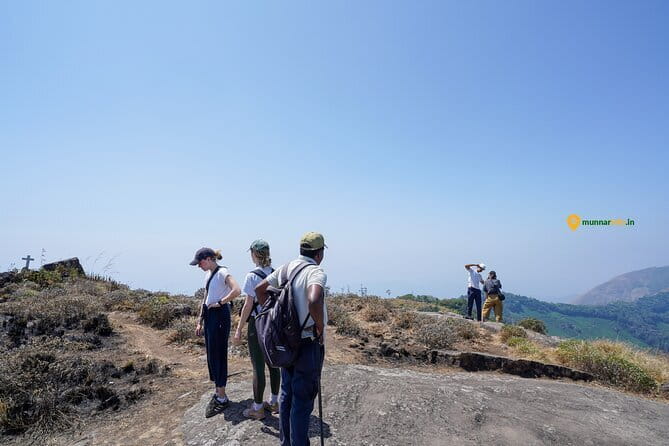
This experience requires good weather. That matters for two reasons: tea-plantation walking and visibility for views toward peaks. If weather is poor, the tour may be canceled and you’ll be offered a different date or a full refund.
So when you’re deciding when to book, aim for a day you expect decent conditions. If Munnar is doing its classic misty routine, you can still enjoy tea, but the feel of the trail and factory-to-view connections may change.
Should you book the Munnar Tea Trail Tour?
I’d book it if you want an honest tea day: tea estate walking, a factory visit with orthodox processing and older machinery, and tea tasting where you actually learn something about blending and flavor. The $14 price makes it especially tempting if you’re trying to cover a lot of Munnar culture without spending a full day.
I’d be cautious if your top priority is perfect English or if walking time would be a problem. If you go, do one simple thing: confirm that the guide you expect to get is truly the guide you’ll meet for the plantation walk, and ask how the explanations will be handled during the walk and tasting.
FAQ
How long is the Munnar Tea Trail tour?
The experience runs for about 3 hours.
What does the tour include?
It includes a tea plantation walking segment, a tea factory visit with a briefing, and a tea tasting section that includes tea blending and tea tasting training elements.
How long is the tea plantation walk?
The walking portion is described as up to about 2 to 3 hours through the tea plantation.
Is the factory visit part of the 3 hours?
Yes. The tea factory visit is listed as about 1 hour within the overall tour timing.
Where is the meeting point?
Meeting point is Rijo Villa (Nature Glade Cottage) near the KSRTC bus stand on Amman temple street, behind Sree paravathi, Moolakadai, Munnar, Kerala 685612, India.
How many people are in a group?
The tour has a maximum group size of 10 travelers.
What about weather?
This experience requires good weather. If it’s canceled due to poor weather, you’ll be offered a different date or a full refund.
When does the tour end?
It ends back at the meeting point.