REVIEW · TAIPEI
Street Food Cooking Class in Taipei : Gua Bao/Lu Rou Fan/Boba Tea
Book on Viator →Operated by CookInn Taiwan · Bookable on Viator
Taipei tastes better when you make it. I like the xiao chi focus and the small-group setup that keeps the instruction close. One thing to consider: the bubble tea pearl step can feel tricky if you’ve never handled tapioca before.
You’ll spend about two hours cooking classics in the CookInn Taiwan Zhongshan classroom, starting at 2:30 pm and wrapping back where you meet. Expect to steam and assemble gua bao, learn the tips behind classic braised pork belly for lu rou fan, and make chewy tapioca pearls for bubble milk tea—then eat what you made.
In This Review
- Key highlights before you go
- Why this Taipei cooking class beats a quick food stop
- The 2-hour flow: gua bao buns, lu rou fan braise, and boba pearls
- Gua bao: the steamed bun step you’ll actually remember
- Lu rou fan: learning the braise that makes the rice taste like more
- Bubble tea from scratch: pearls, then the shake
- CookInn Taiwan in Zhongshan: small room, big attention
- Price and value: what $79 buys you in a short 2-hour window
- Practical tips to get the best results
- Who should book (and who might not love it)
- Should you book this Taipei street food cooking class?
- FAQ
- What dishes will I learn to make?
- How long is the class?
- What’s the group size?
- Where do we meet?
- What time does the class start?
- Will I get to eat what I cook?
- Do I need a paper ticket?
- Will the class teach bubble tea pearls from scratch?
- Is this class okay for kids?
- What if I need to cancel?
Key highlights before you go
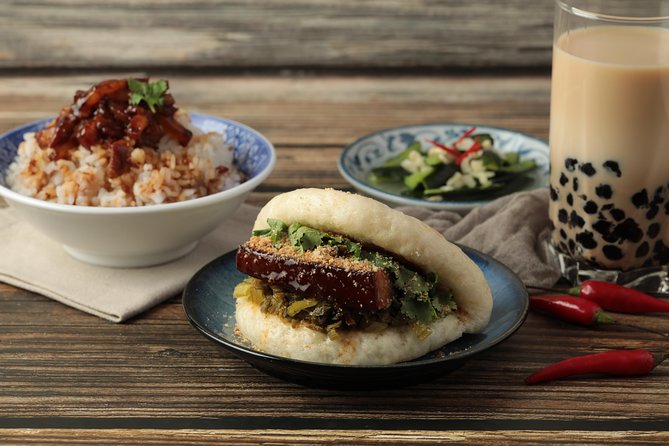
- Hands-on xiao chi cooking: gua bao, lu rou fan, and bubble milk tea are taught as a practical skill set
- Max 8 people: you’re not stuck watching from the sidelines
- Gua bao technique: you learn the steamed bun approach plus how to braise the pork belly topping
- Bubble tea pearls from scratch: you make tapioca pearls yourself, not just assemble a drink
- You eat at the end: class ends with a homemade meal you built with your own hands
- Take-home recipe book: a neat souvenir that helps you repeat the dishes later
Why this Taipei cooking class beats a quick food stop
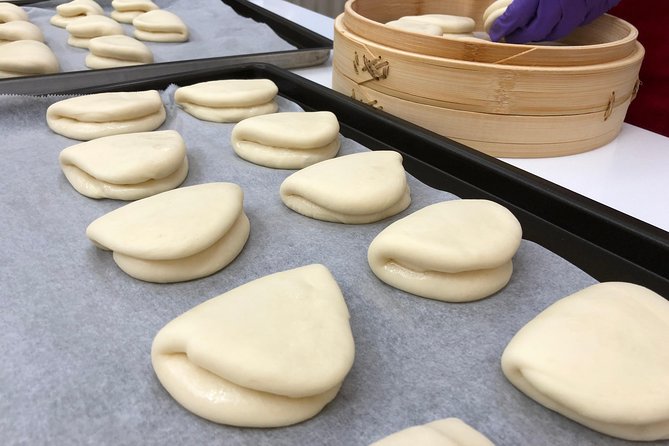
Taipei street food is famous for a reason. But when you only taste, you miss the logic behind the flavors: why something gets braised a certain way, how a bun stays soft, and what makes bubble tea pearls chewy instead of gummy or hard.
This class is built around that kind of practical learning. You’re not just sampling Taipei snacks. You’re learning how the pieces come together. That matters if you plan to bring the skills home or if you want to understand what you’re eating later in the city.
The small-group size also changes the vibe. With up to 8 people, it’s easier to ask questions while you’re working—steaming buns, handling a braise, and shaping tapioca pearls. You’re less likely to feel like you’re rushing through steps you don’t fully understand.
You can also read our reviews of more tours and experiences in Taipei.
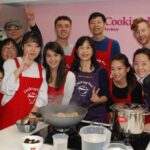
The 2-hour flow: gua bao buns, lu rou fan braise, and boba pearls
The schedule is compact, and that’s part of the appeal. You’re in the kitchen for about 2 hours total, then you sit down and enjoy your meal. Here’s the rhythm you can expect.
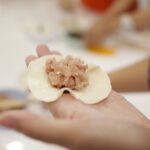
First, you tackle gua bao components. You’ll learn how to make the steam buns for gua bao and get comfortable with the idea of building a sandwich-style street food: soft bun, hot savory topping, and balancing extras.
Next comes the pork belly braise that shows up again in a different form on the plate. For lu rou fan, the key is the classic method behind braised pork belly—technique over shortcuts—so the flavor clings to the rice instead of just sitting on top.
Finally, you shift gears to bubble tea. You make the chewy tapioca pearls from scratch, then you shake a cup of bubble milk tea yourself. You’ll finish with the best part: you eat what you made, while it’s still at that just-right temperature and texture.
That “cook → taste what you made” loop is why the class feels more memorable than a typical tasting tour.
Gua bao: the steamed bun step you’ll actually remember
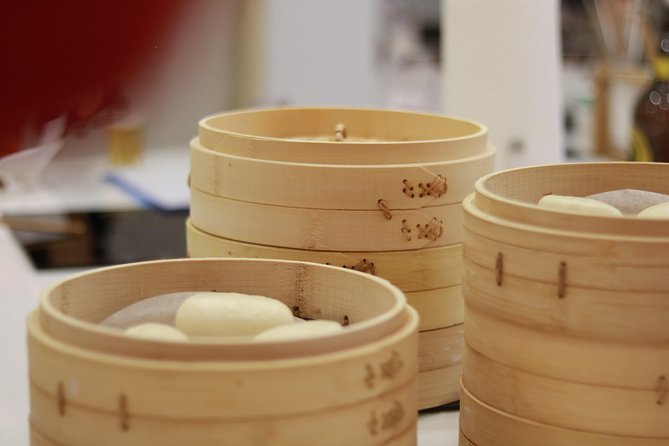
Gua bao is often described as a Taiwanese hamburger, but the real magic is in the details: the bun’s texture, the warmth of the pork belly, and the assembly that keeps everything from turning soggy.
In this class, gua bao isn’t a mystery item you just order. You learn how the steamed bun is made, which is huge. A steamed bun has a mind of its own. Too much time, wrong heat, or rushing the timing can lead to buns that don’t hold up well when filled.
On the savory side, you get braising tips for the pork belly that becomes the topping. One reason people love gua bao is that braised pork isn’t just salty—it’s layered with a slow-cooked depth. When you learn the process, you start spotting why certain street versions taste so consistent and comforting.
If you’re hoping for one dish that turns you into the person who can impress family at home, this is the one. At least, that’s exactly how several participants describe it—gua bao tends to be the clear favorite when it comes out right.
Lu rou fan: learning the braise that makes the rice taste like more
Lu rou fan is comfort food with a sidewalk vibe: braised pork belly over rice. It sounds simple, until you realize the pork has to be done with the kind of patience that braising gives you.
In class, you focus on the tips for braising classic pork belly. The big value here is learning what to pay attention to while it cooks: the method and timing mindset that turns pork belly into a topping that tastes finished, not just cooked.
One practical payoff: when you assemble lu rou fan, you’re not only placing pork on rice. You’re building a bowl that should taste cohesive. That’s the goal—flavor that works with the rice, not flavor that overwhelms it.
And because lu rou fan shares the pork belly braise with gua bao, you get a nice “two-use” learning moment. The same ingredient becomes two street-food icons. That repetition helps the method stick.
Bubble tea from scratch: pearls, then the shake
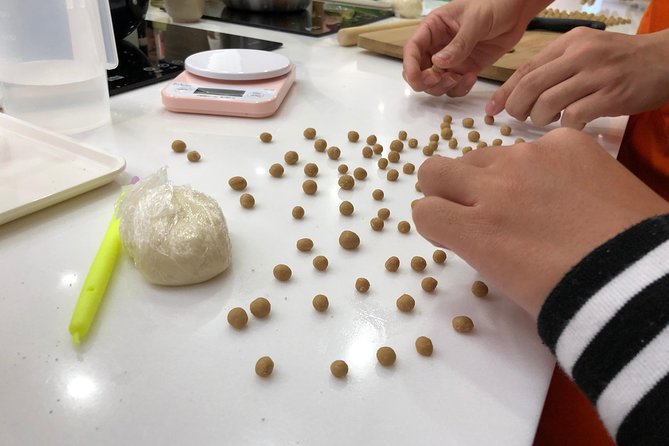
Bubble tea is easy to order and harder to get right at home. The hard part isn’t the drink mixing—it’s the tapioca pearls.
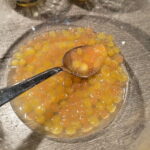
In this class, you make the tapioca pearls from scratch. You also shake bubble milk tea yourself. That’s the full skill chain, which is why people find it fun even when it’s a little challenging.
One useful thing to know ahead of time: the pearl-making step can be surprisingly difficult the first time. Even experienced cooks can feel the learning curve here. That’s not a dealbreaker—it just means you should show up ready to focus and follow instructions closely.
If bubble tea is your one “I order this everywhere” Taiwanese obsession, this class is a solid way to break the habit and understand what’s behind the chew.

CookInn Taiwan in Zhongshan: small room, big attention
This class runs from CookInn Taiwan (Zhongshan 中山教室) in the Datong District, starting at 2:30 pm. It uses a mobile ticket, and it ends back at the meeting point, so you don’t need to plan for a separate drop-off.
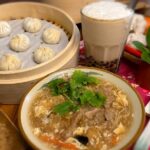
The classroom setup matters. With a maximum group size of 8, you get better one-on-one help than you’d get on a large group tour. That support is especially useful when you’re doing hands-on steps like steaming buns and shaping pearls.
The teaching style also comes through in the real-world experiences people shared. Some participants specifically pointed out that the instructor was patient and helpful, including with kids aged 8, 10, and 11. So if you’re traveling with children, you can feel more comfortable that the class isn’t just a “grown-up only” kitchen sprint.
Also, you receive a recipe book. That’s more than a souvenir. It helps you recreate the dishes later without guessing your own notes.
Price and value: what $79 buys you in a short 2-hour window
At $79 per person for about 2 hours, this isn’t a cheap “snack and watch” experience. But it is also not priced like a full-day culinary immersion.
So where does the value come from?
You’re paying for three things that often cost extra elsewhere:
- Instruction while you cook, in a small group (max 8)
- A real meal you make, not just tasting bites
- Repeatable take-home materials, like the recipe book
The biggest value lever is that you finish class with the same dishes that make Taipei’s street food so memorable. Gua bao and lu rou fan are built around technique, and bubble tea depends on a texture that’s hard to fake. Learning those skills in a single compact session is efficient.
If you’re the type who likes to understand food beyond the flavor—how the steps affect the final result—this class tends to feel worth it. If you only want to eat, you might find you prefer a lighter tasting tour. But if you want to come away with kitchen confidence, the math works better.
Practical tips to get the best results
Come hungry. The class ends with you eating what you cooked, and you’ll likely want to enjoy it while everything is still fresh and properly hot.
Go in with a mindset of learning, not perfection. Street food is built for speed and consistency, but your first try at steamed buns and tapioca pearls will take focus. If the pearls don’t go perfectly on the first attempt, you still leave with the method—and that’s what helps later at home.
Finally, use the recipe book right away when the memories are still clear. The class gives you the structure and steps, but you’ll get more value if you review it soon after.
Who should book (and who might not love it)
This class is a strong fit if:
- you love Taiwan’s street-food staples and want to understand them beyond ordering
- you enjoy hands-on cooking, especially bread/steam work and braising
- you want bubble tea pearls skills, not just a quick drink
- you travel with family and want an activity that can be patient and approachable
You might be less thrilled if:
- you’re not comfortable with hands-on work and just want to watch
- you prefer super long sessions where you can refine every step slowly
- you’re extremely sensitive to any learning curve around texture-based foods like tapioca pearls
Should you book this Taipei street food cooking class?
I think it’s a smart booking for most people who care about Taiwanese food and want something more than eating your way through Taipei. You get a clear street-food theme (xiao chi), real cooking skills (gua bao buns, braised pork belly, tapioca pearls), and a meal that ends the experience on a satisfying note.
If you’re willing to work for those results for the full two hours, you’ll come away with practical knowledge and a takeaway souvenir in the recipe book—plus the confidence to recreate at least your favorite part at home.
If your priority is simple tasting with zero kitchen time, then you might choose differently. But if you want the why behind the flavor, this class is one of the more direct routes.
FAQ
What dishes will I learn to make?
You’ll learn to make gua bao, lu rou fan (braised pork belly over rice), and bubble milk tea, including making the tapioca pearls from scratch.
How long is the class?
The cooking class runs for about 2 hours.
What’s the group size?
The class has a maximum of 8 travelers, which helps keep the instruction individualized.
Where do we meet?
You meet at CookInn Taiwan (Zhongshan 中山教室), 103, Chengde Rd, Section 1, Datong District, Taipei City, 66號2樓.
What time does the class start?
The start time listed is 2:30 pm.
Will I get to eat what I cook?
Yes. The activity ends with you sitting down to enjoy a homemade meal.
Do I need a paper ticket?
No. You’ll have a mobile ticket.
Will the class teach bubble tea pearls from scratch?
Yes. The class includes making the chewy tapioca pearl from scratch and shaking a cup of bubble milk tea.
Is this class okay for kids?
One experience shared noted the instructor was patient with kids aged 8, 10, and 11, and they were involved throughout.
What if I need to cancel?
You can cancel for a full refund up to 24 hours before the experience’s start time. If you cancel less than 24 hours before, the amount paid is not refunded.