REVIEW · TAIPEI
Pinglin Tea Culture & Maokong Day Tour from Taipei
Book on Viator →Operated by Edison Travel Service · Bookable on Viator
Tea hills and lake views, all in one day. This tour strings together Maokong Gondola mornings with tea tastings across the hills, led by guides like Tony or Chiara. You’ll see how Taipei’s suburbs turn into tea country fast, then finish with a viewpoint that feels far from the city.
I love the hands-on tea lesson: you taste Taiwanese teas and learn how to brew them the traditional way. I also like that the Pinglin Tea Museum explains tea processing in a way that feels practical, not just decorative. One thing to plan for: you’re on winding mountain roads and you’ll do some walking, so keep shoes comfy and your stomach ready.
In This Review
- Key highlights worth your attention
- A smart day trip when you want tea, views, and a real change of scenery
- Maokong starts early: gondola rides and the Tea Fragrance Loop
- Tieguanyin and Baozhong time at the Tea Promotion Center
- Refuel in Maokong: snacks, cash, and a break before Shiding
- Thousand Island Lake in Shiding: big views after the drive
- Bagua Tea Garden: Feitsui Reservoir area viewpoints
- Pinglin Tea Museum: tea processing in traditional Hokkien siheyuan architecture
- Pinglin Old Street and tea tasting: how the cup gets made
- Elephant Mountain Trail: the short, challenging finish above Taipei
- Price and value: what $85 really covers on a long day
- Practical tips so your day feels smooth (not like a forced march)
- Should you book this Taipei tea culture day trip?
- FAQ
- How long is the Pinglin Tea Culture & Maokong Day Tour?
- What’s included in the tour price?
- Are meals included?
- Do I need cash during the tour?
- How much walking is involved?
- What is the maximum group size?
Key highlights worth your attention
- Maokong Gondola gives long aerial views over southern Taipei
- Tea tasting with a tea sommelier focuses on proper brewing, not pressure to buy
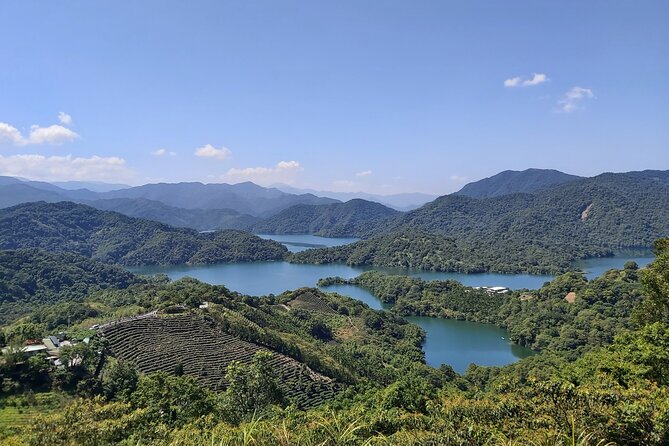
- Thousand Island Lake (Shihding Ciandao Lake) brings big, scenic payoffs after lunch
- Pinglin Tea Museum shows tea processing in traditional siheyuan architecture
- Shekeng Old Street stinky tofu keeps the day fun and food-forward
- Elephant Mountain Trail ends with a panoramic payoff above Taipei
A smart day trip when you want tea, views, and a real change of scenery
This is a one-day loop that turns Taipei into something else. You start in Maokong’s tea mountain zone, then shift to Shiding’s big lake views, and finish back toward the city with one last hill-top perspective.
The value here is the mix. You get tea culture plus real scenery—then you’re not stuck with only temples or only city stops. If you’ve already done the core Taipei sights and you want something more rural, this hits the sweet spot.
Your day runs about 9 hours, and it’s kept small—up to 20 people—so the guide can actually manage pacing at trails and tea stops. That matters on a route like this, where timing and walking add up.
You can also read our reviews of more tours and experiences in Taipei.


Maokong starts early: gondola rides and the Tea Fragrance Loop
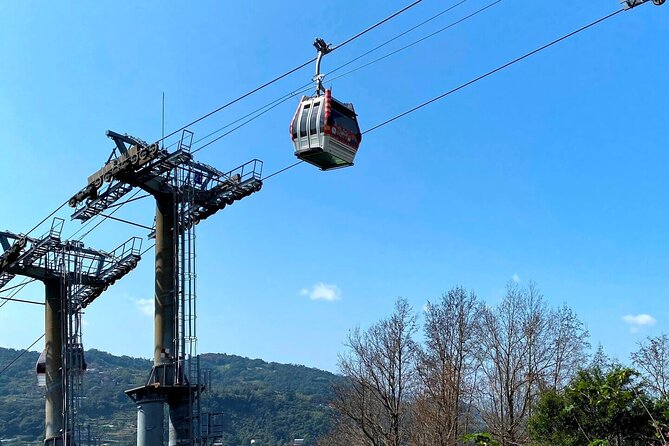
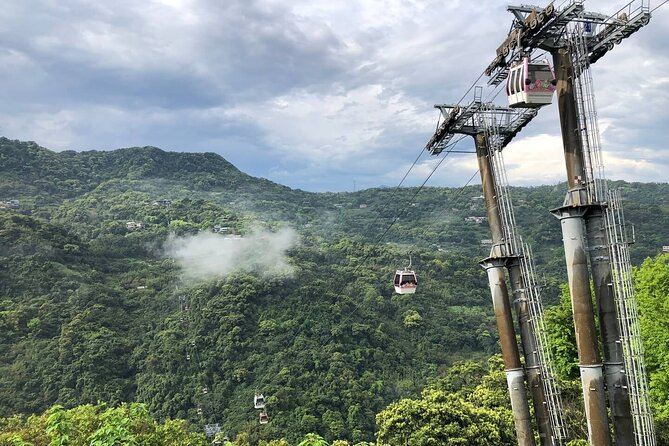
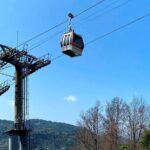
Maokong is where the day kicks into gear. First you’ll head up into southern Taipei’s tea hills, then you’ll ride the Maokong Gondola. The ride is designed for leisurely travel and it’s known for being one of the longer routes, so you get a proper sense of elevation—not just a quick cable-car moment.
After the gondola, you’ll move into the Maokong Jhangshu Trail, also called the Tea Fragrance Loop Trail. It’s described as four short, paved paths, so you’re not signing up for a long grind. On the way you’ll pass natural sights like potholes, waterfalls, and forests (and yes, those are exactly the sort of details your camera will want).
What I like about this segment: it feels low-stress. Even if you’re not a hiker, you still get a trail walk plus big panoramic time from above. The only real caution is motion sickness. Mountain roads are windy, and at least one guide tip you’ll likely want to take seriously is to bring motion sickness meds if you’re sensitive.
Tieguanyin and Baozhong time at the Tea Promotion Center
Between the mountain walking and the broader Pinglin tea stops, you’ll visit the Taipei Tea Promotion Center for Tieguanyin and Baozhong. This is a park-style stop that focuses on quality and authenticity for those teas.
The best part of a stop like this is how it sets you up for the tasting later. Instead of jumping straight to sampling, you get a clearer frame for what you’re trying and why it matters. You’re not just collecting sips; you’re learning what to look for in the tea experience.
This stop also tends to be a good reset. It’s shorter, mostly easy to manage, and it keeps the day from turning into pure walking and driving without a breather.
Refuel in Maokong: snacks, cash, and a break before Shiding
You’ll have time in MaoKong after the tea-fragrance walk. The schedule gives you about 1 hour here, and it’s primarily a free window to grab something to eat and take photos.
This is where practical planning pays off. Meals aren’t included, and bottled water is not included either. Several people in the ride’s feedback remind families to bring snacks, which is a smart move—especially if you’re traveling with kids and you don’t want to hunt for food while everyone gets hungry.
One more reality check: you should plan on cash. The tour info is explicit that many places don’t take credit cards, and small-scale shops can be the worst offenders. Convenience stores and most eateries in Taiwan often won’t make your life easier if you arrive card-only.
If you’re prone to motion sickness, this is also the moment to think about timing and hydration. Windy roads plus an empty stomach is a bad combo, even if you’re feeling fine at departure.
Thousand Island Lake in Shiding: big views after the drive
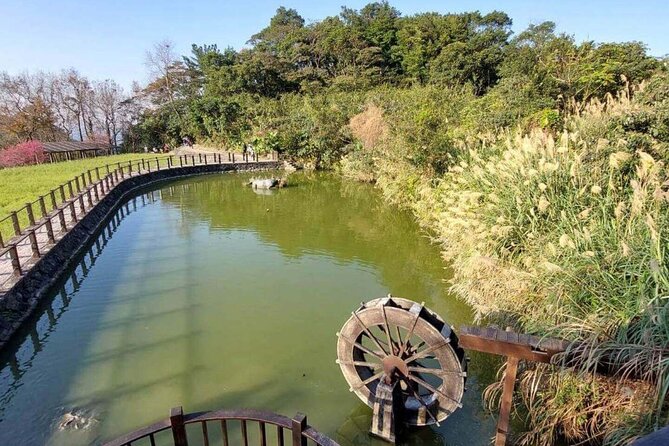
After lunch, you’ll head toward Shihding Ciandao Lake, also known as Thousand Island Lake. The day’s structure puts this as one of the scenery anchors, and the timing helps: you get the lake after you’ve already done morning tea time.
The lake stop is about 1 hour 50 minutes, and the surrounding area is described as rural and tied to tea cultivation and scenic landscapes. This is one of those stops where the photos can look dramatic, but the real win is how the view changes as you move.
Why this matters for you: it breaks up the day so you’re not only thinking about tea processing and shop visits. Your brain gets a wide-open moment, and then you’ll still have time later for culture and food.

Bagua Tea Garden: Feitsui Reservoir area viewpoints
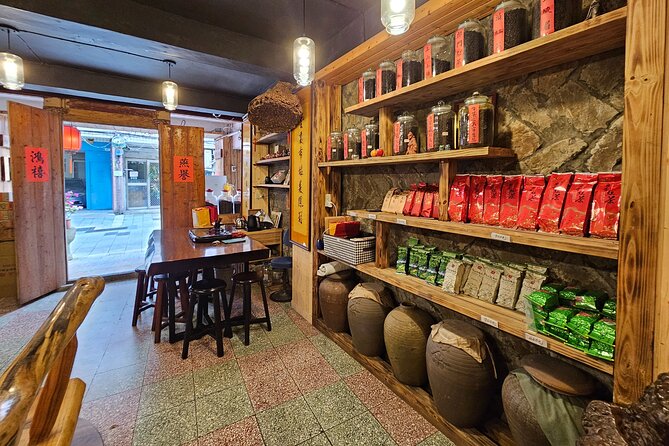
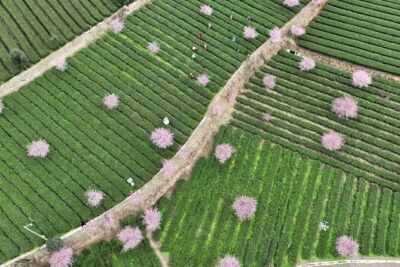
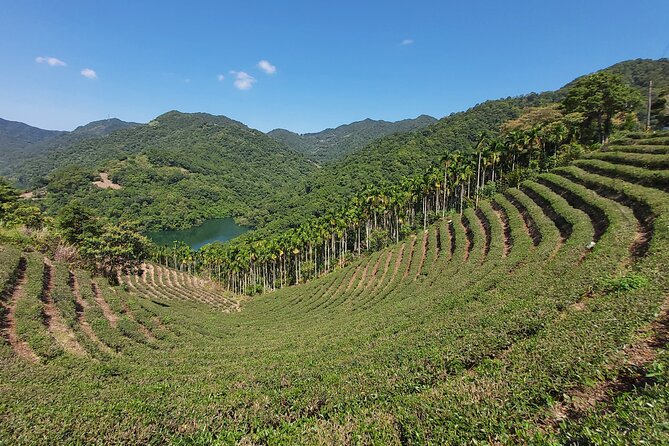
Next up is Bagua Tea Garden. It’s timed at about 40 minutes, and it’s connected to the Feitsui Reservoir area, where the climate and terrain make tea cultivation favorable.
You’re not just looking at tea fields from a distance. The garden stop is described as offering the view of the surrounding tea cultivation area from a hilltop perspective. Even in a short visit, that gives you context for why tea matters here: it’s not just a product, it’s the shape of the hills.
If you care about photos, this is a good stop to take seriously. Don’t rush through it, because tea areas look best when you can find a calm spot and let the wind and light do the work.
Pinglin Tea Museum: tea processing in traditional Hokkien siheyuan architecture
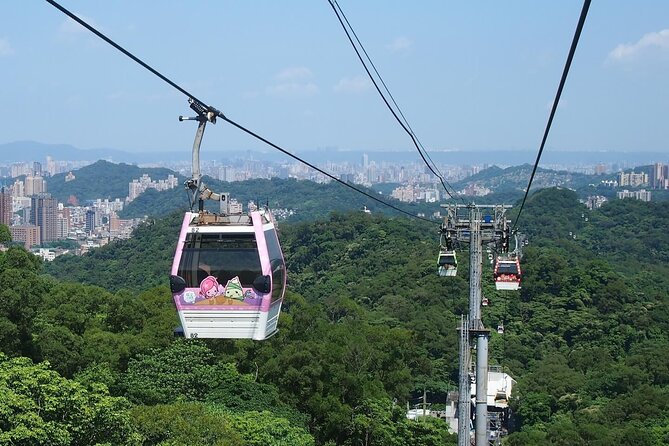
Now you slow down and learn. The Pinglin Tea Museum of New Taipei City is included with an entrance ticket, and it’s positioned as a place to understand the “tea tree to the cup” process.
What makes this museum stop special is the setting. It’s described as Hokkien-style siheyuan architecture, so you’re touring in a traditional courtyard-style layout. That changes the whole feel. Tea culture in Taiwan isn’t only about what’s in your cup; it’s also about the homes and workspaces tied to growing and processing.
In feedback from the day’s experiences, the museum is noted for showing the evolution of tea processing and how tea (and even desserts) were presented across different dynasties. You’ll likely come away feeling you understand the logic behind tea preparation better, because it’s organized as a story, not just a pile of displays.
If you only have one museum day on your Taiwan trip, this is a strong pick because it connects directly to what you’ll taste at Pinglin Old Street later.
Pinglin Old Street and tea tasting: how the cup gets made
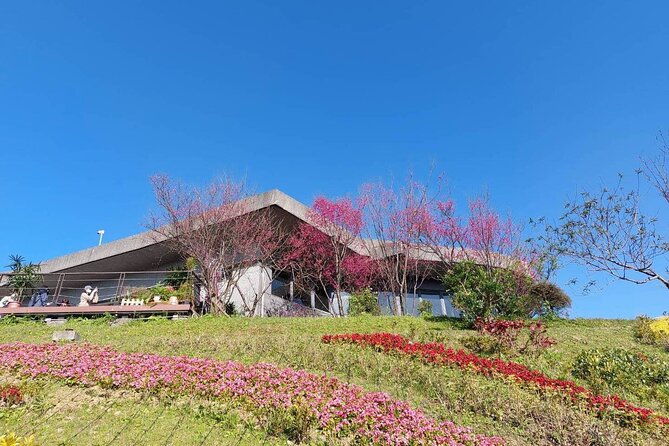
From the tea museum, you head into Pinglin Old Street, where the tone becomes more hands-on and social. The schedule gives you about 1 hour 10 minutes for this old-street time, with tea tasting as a key part of it.
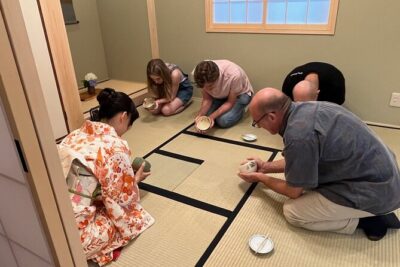
The highlight here is a tea shop experience with a tea sommelier. The focus is on proper brewing techniques, which means you’re not just sipping whatever arrives. You get instruction—then you can compare what changes when you change the brew.
This is also where people often decide whether they want to buy tea. The tour’s info advises carrying cash since shops may be small and card payments may not be an option. One practical move: if you’re serious about buying, bring the cash you’ll actually use for tea and souvenirs.
And yes, the day is set up to include stinky tofu time on the tofu street area in Shekeng District. So you get both the comfort-food side (when you find your tofu courage) and the careful-tea side. That’s a fun pairing, and it keeps the day from becoming too “serious culture” all at once.
Elephant Mountain Trail: the short, challenging finish above Taipei
The day closes with the Elephant Mountain Trail hike for views above Taipei. Even though it’s short compared with big multi-day trails, it’s described as challenging enough to feel earned, and the reward is a panoramic view over the city.
This finish is smart for a day trip. By the time you reach the hike, your legs have already warmed up from earlier walking, and your brain is ready for a big payoff. It’s also a good way to end because the view feels like you returned to Taipei—but with a totally different angle than the normal skyline photos.
Practical tip: the tour already suggests comfortable shoes, and this last segment is where that advice becomes real. Wear footwear you don’t mind if the ground is uneven, and give yourself a slower pace so you can enjoy the view without sprinting.
If the earlier winding roads made you queasy, pace your breathing during the climb. It can help more than you’d expect.
Price and value: what $85 really covers on a long day
At $85 per person, this tour is priced like a logistics-and-instruction package. And that’s exactly what you’re paying for.
Here’s what’s included that matters most:
- A professional licensed tour guide
- An air-conditioned vehicle (big deal on long drives)
- Local tea tasting
- Maokong Gondola ride
- Entry ticket to the Pinglin Tea Museum
- Local general liabilities insurance
- Hotel pickup and drop-off if you choose the private option
What’s not included:
- Meals
- Bottled water
- Gratuities are not required, though tipping is always appreciated
So the value isn’t that everything is cheap. It’s that someone handles the route, timing, and tea experiences, including the gondola and the museum ticket—both of which would be annoying to coordinate on your own when you’re also trying to eat, walk trails, and not waste time.
Group size also affects value. Up to 20 travelers is enough energy for a group day, but small enough that tea explanations and trail pacing don’t collapse into chaos.
Practical tips so your day feels smooth (not like a forced march)
A few things can make this day trip much nicer.
Wear comfortable shoes. The day involves a small amount of walking, plus trail sections and a viewpoint hike finish. The tour is also not recommended for travelers with physical disabilities, so choose carefully based on your own mobility.
Bring cash. The tour information is blunt about it: you should carry enough cash for meals, beverages, souvenirs, and tips. Convenience stores and most eateries may not accept credit cards.
Pack a light snack. One family-focused tip that fits this route: if you’re traveling with kids (or just your own snack-dependent stomach), bring something small to hold you over between meal windows.
If you get carsick, don’t be tough about it. A guide tip is to bring motion sickness meds because the mountain roads are windy. Do that, and you’ll enjoy the views more.
And remember the day is long—about 9 hours. It’s normal to feel a little tired at the end, especially after Elephant Mountain. That’s not a failure; it’s the point of doing a hike day.
Should you book this Taipei tea culture day trip?
Book it if you want a day that’s genuinely different from central Taipei. I think it’s a great fit when you care about tea culture and you like scenery that looks more like countryside than city.
You’ll probably enjoy it if:
- You’re already done with the classic Taipei downtown highlights and want hills plus tea
- You like guided tastings where you learn something practical (brewing techniques)
- You want a short trail and a viewpoint payoff, not a full-day wilderness trek
I’d hesitate if:
- You need minimal walking or you know winding roads don’t agree with you
- You’re card-only for spending and don’t want to carry cash
- You’re hoping meals are included (they’re not)
If you match the sweet spot, this tour is a strong use of a single day: gondola views, tea tastings, Thousand Island Lake, and a final panoramic hike—all in one loop without you having to plan every leg yourself.
FAQ
How long is the Pinglin Tea Culture & Maokong Day Tour?
The tour lasts about 9 hours.
What’s included in the tour price?
It includes a professional licensed tour guide, an air-conditioned vehicle, local tea tasting, the Maokong Gondola ride, admission to the Pinglin Tea Museum of New Taipei City, and local general liabilities insurance.
Are meals included?
No. Meals are not included, so you’ll need to plan on buying food during free time stops.
Do I need cash during the tour?
Yes. You should carry enough cash for meals, beverages, souvenirs, and tips, since convenience stores and most eateries don’t accept credit cards as payment.
How much walking is involved?
A small amount of walking is involved, and comfortable shoes are recommended. The tour is not recommended for travelers with physical disabilities.
What is the maximum group size?
The tour has a maximum of 20 travelers.