REVIEW · TOKYO
Day Trip to Kamakura & Enoshima: Shrines, Seaside, Temples & Tea
Book on Viator →Operated by Snow Monkey Resorts Tours (Machinovate Japan Ltd.) · Bookable on Viator
Kamakura meets the sea in one easy day. This trip strings together the area’s big hitters with less stress on route-finding, helped by an English-speaking guide and an included Enoshima Kamakura Free Pass. I like that the day is built around clear anchors like the Great Buddha of Kamakura and Enoshima’s Sea Candle, with experts such as Jeff, Jade, Naoto, and Beth helping keep the story moving and the pace sensible.
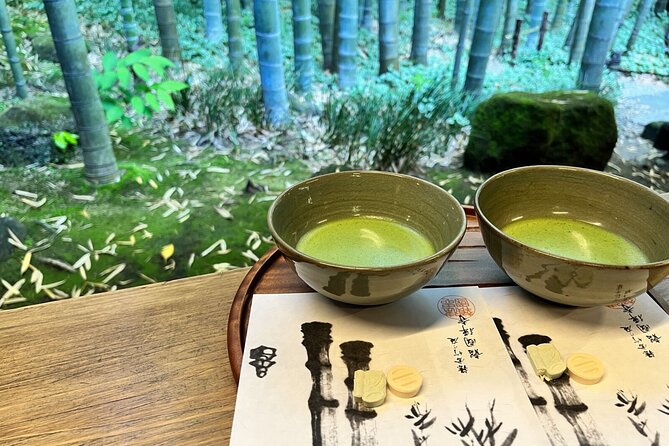
My favorite parts are the hands-on, pause-and-smell-the-matcha moments. You get a guided visit to a temple complex with bamboo scenery, then a tea-house stop for matcha and a Japanese sweet, plus a koi-feeding moment that turns sightseeing into something a bit more personal. And once you’re on Enoshima Island, the Sea Candle observatory experience makes the seaside feel like a real destination, not just a quick photo stop.
The main thing to plan for is that it’s an 11-hour day with plenty of walking, including stairs/escalators near the island. Also, only a few food moments are included; additional food and drink aren’t part of the price, so you’ll want to budget for lunch and snacks.
In This Review
- Key things you’ll like about this Kamakura & Enoshima day trip
- Why Kamakura & Enoshima work so well as a day trip
- Getting started in Shinjuku: train timing and the Free Pass advantage
- Bamboo temple morning: tea-house calm before the big landmarks
- Kotoku-in and the Great Buddha: the must-see, done with planned time
- Enoshima Island and the Sea Candle Observatory: seaside views with an organized route
- The middle of the day: how the guided route prevents the usual Kamakura chaos
- Price and value: what you get for $167.36
- Comfort, pacing, and what to pack for an 11-hour day
- Who should book this tour, and who might want a different plan
- Should you book this Kamakura & Enoshima day trip?
- FAQ
- FAQ
- What is the duration of the Kamakura & Enoshima day trip?
- Where do I meet the guide?
- What time does the tour start?
- Is the transportation pass included?
- What major attractions are included with admission?
- Do I get tea or food during the tour?
- How big is the group?
- Is this tour suitable for people who prefer public transit?
Key things you’ll like about this Kamakura & Enoshima day trip
- Included transport pass so you can skip map math and focus on the sights
- Great Buddha access, with time planned to see the landmark up close (and inside)
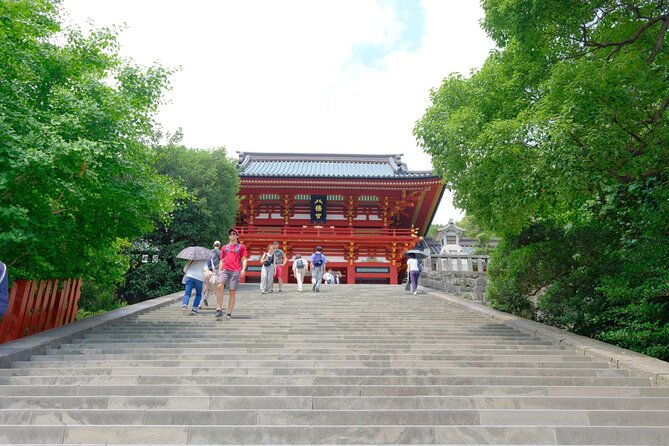
- Bamboo temple + tea-house break, including matcha and a Japanese sweet
- Enoshima Sea Candle observatory, reached via escalators on the island
- Small maximum group size of 20, which helps keep the day smooth and guided
Why Kamakura & Enoshima work so well as a day trip
If you only have one day outside central Tokyo, this is one of the cleanest combinations. Kamakura gives you temples, coast-adjacent streets, and the kind of historic atmosphere you can actually walk through. Then Enoshima adds the ocean air and lookout points—so the day isn’t just indoors and stone steps.
I like how the route mixes sacred sites with nature and a couple of genuine “stop and enjoy” breaks. You’re not constantly racing from one line-up to another. Instead, the structure lets you absorb what you’re seeing—like the contrast between a quiet bamboo setting and a more open, sea-facing island viewpoint.
There’s also something practical here: instead of trying to stitch together trains, stations, and transfers on your own, the day is organized with transport handled up front. That matters because Kamakura and Enoshima are easy to reach, but getting around efficiently can still feel like a mini project.
You can also read our reviews of more tours and experiences in Tokyo.
Getting started in Shinjuku: train timing and the Free Pass advantage
The day begins at 8:00 am at the Green Window outside Shinjuku Station’s South Exit. From there, you board the 08:27 train to Fujisawa, arriving around 09:28. That timing is useful: you get out early enough to enjoy the morning energy in Kamakura, while still keeping it realistic for an 11-hour schedule.
The big convenience is the included Enoshima Kamakura Free Pass, which covers the transport used during the tour. For you, that means fewer decisions once you’re out of Tokyo’s heart and into a more local rhythm. You’ll still be walking between stops, but the transit friction is reduced.
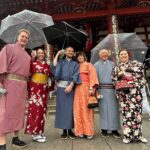
Another detail I appreciate: a local English-speaking guide is with you for the day. That’s not just about translation. It’s about knowing which streets to take, what to look for as you walk in, and how long to spend so you don’t feel rushed in the places that deserve attention.
Bamboo temple morning: tea-house calm before the big landmarks
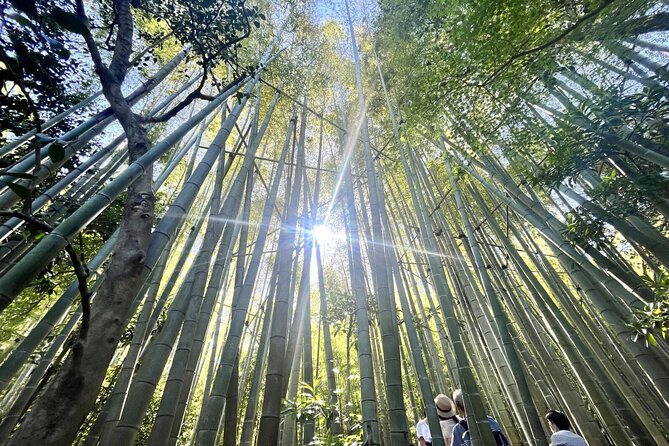
The first big chunk of the day focuses on Kamakura and a temple complex surrounded by bamboo. After arriving in the area, you head on foot for about 30 minutes to your first destination, where you’ll have a guided walk through the temple grounds.
This is the kind of stop that does more than check a box. Bamboo in daylight changes how a place feels—it gives you shade, sound-softening quiet, and an easy mental reset after Tokyo’s pace. The guide commentary helps you connect what you’re looking at to the broader cultural setting, without turning it into a lecture.
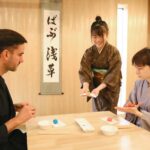
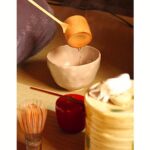
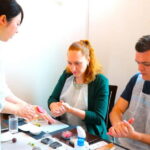
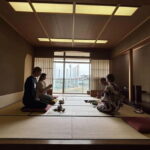
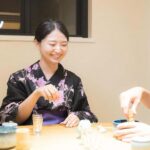
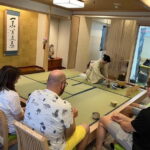
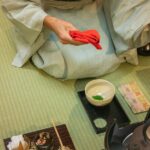
Then comes the part that makes it memorable: a temple tea house experience with matcha and a Japanese sweet. It’s a short break, but it’s also a chance to slow down. For many people, it’s the first moment where the trip starts to feel like a real day, not a list of stops.
You’ll also have time for a koi-feeding fee experience, which adds a small, lively element to the calm setting. It’s simple, but it turns your “temple visit” into a multi-sensory moment—sound, movement, and a quick interaction that breaks up the walk.
Kotoku-in and the Great Buddha: the must-see, done with planned time
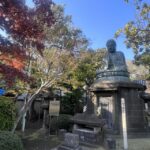
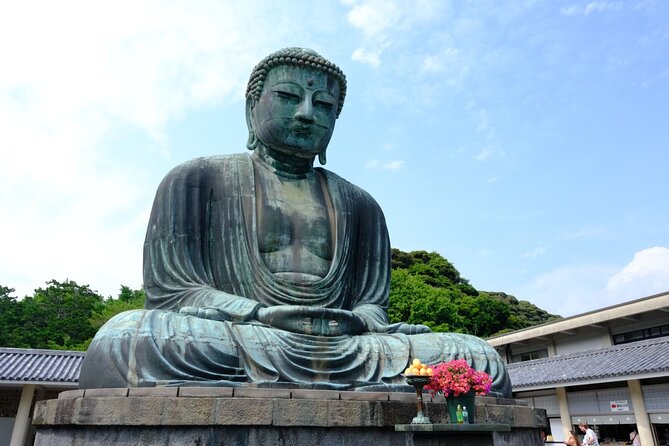
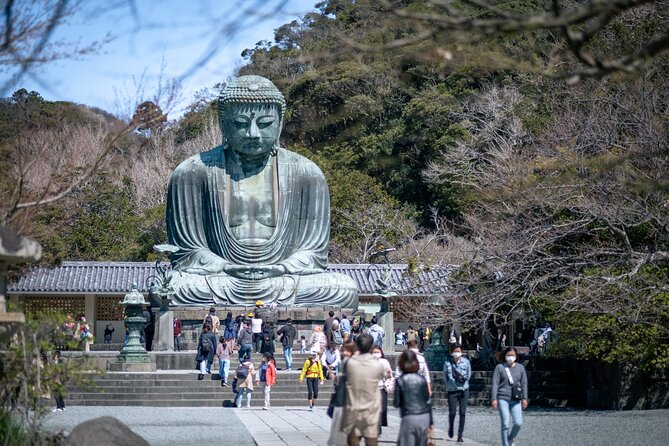
Next up is Kotoku-in, the famous temple associated with the Great Buddha of Kamakura. You’ll connect via Hase Station, then walk about 7 minutes to the site.
This stop is one of the headline reasons people do this day trip. The tour includes admission and entrance so you can experience the Great Buddha in a more complete way than just viewing from outside. You’ll have around 30 minutes on site for this landmark, which is enough time to look, pause, and not feel like you’re being pushed through.
Why I think this timing works: the Great Buddha is visually powerful, but it also rewards a slow look. Details matter—scale, texture, the way the site holds space, and how it fits into the temple grounds. With a planned stop, you can do the photos, but also give yourself a moment of quiet without feeling guilty about falling behind.
A small practical note for you: this is one of those places where comfy shoes pay off. Even when a walk is short, temple grounds can involve uneven surfaces and crowd flow. Plan to move steadily and keep a relaxed pace.
Enoshima Island and the Sea Candle Observatory: seaside views with an organized route
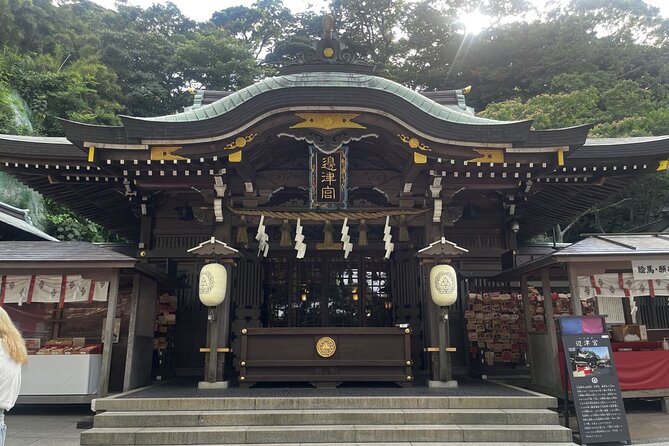
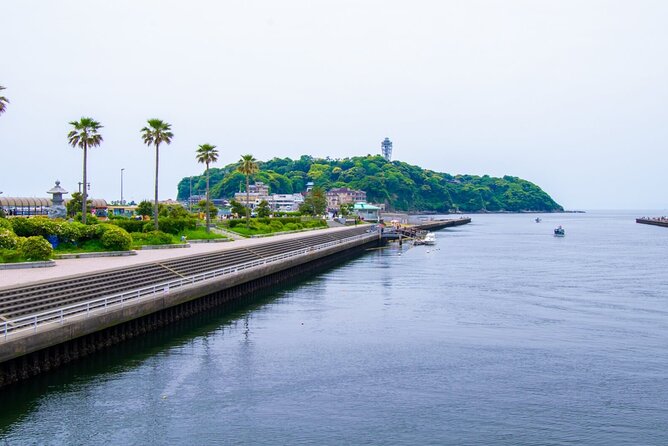
Enoshima is where the day shifts from temple lanes to ocean scenery. You’ll head to Enoshima Station, then take a scenic walk toward the island along the sea. That walking segment is part of the charm—salt air, changing views, and the sense that you’re transitioning into a different environment.
Once you reach the island, the tour handles a key logistics piece: escalators take you upward to the top area. From there, you’ll go to the Sea Candle Observatory with admission included.
This is the moment where the day feels like more than a sightseeing checklist. Up top, the view and the coast-facing perspective change how you understand the region. You get a sense of why Enoshima has long drawn people for its outlooks and atmosphere.
The stop length here is about 1 hour 10 minutes, which I think is a good balance. It gives time to reach the observatory, enjoy the views, and then come back down without dragging the end of the day too long.
The middle of the day: how the guided route prevents the usual Kamakura chaos
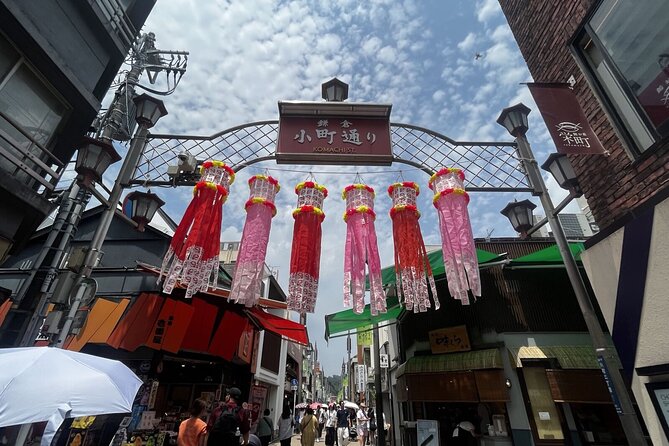
Kamakura and Enoshima can be deceptively simple on a map—but in real life, it’s easy to waste time with detours or trying to guess which streets lead where. This tour’s value is the way it keeps you moving along a planned sequence of shrines, temples, and nature spots, while your guide provides context as you go.
You’ll spend a larger block of time in the Kamakura area before Kotoku-in, and the day’s overall pacing is built around walking time plus guided stops. That makes the itinerary feel more intentional than a self-guided scramble.
Also, the tour is set for a maximum of 20 people, which is large enough to be lively but small enough that guidance can stay practical. You’re less likely to lose the group in crowded areas, and your guide can adjust pacing when the route bottlenecks.
Price and value: what you get for $167.36
At $167.36 per person, this isn’t the cheapest way to do Kamakura and Enoshima. But it is priced like a convenience and context package—and the included items are the difference.
Here’s what’s covered in the tour cost:
- The Enoshima Kamakura Free Pass for transport used during the day
- Admission for the bamboo temple experience, plus tea and sweet
- Koi feeding fee
- Great Buddha of Kamakura admission and entrance to go inside
- Enoshima Island escalators and observatory admission
- A local English-speaking guide
What isn’t included is equally important:
- Trains and transport before and after the tour (you handle your own to/from Shinjuku on travel days)
- Additional food and drink
So for your value math, ask yourself this: if you self-plan, you’ll still spend money on transport and admissions, and you’ll add time and effort. This tour packages those essentials into one plan with guide navigation. If you want a smoother day and less mental load, the price starts to make sense fast.
Also, the tour lasts about 11 hours. That’s long enough to matter whether you’re comfortable with transit and walking. If you don’t want to spend half the day figuring out logistics, this kind of guided format usually pays off.
Comfort, pacing, and what to pack for an 11-hour day
The tour is “most travelers can participate,” but it is still a walking-heavy day. You should expect:
- Long-ish stretches on foot between stations and temple approaches
- Time spent outdoors for seaside viewing on Enoshima
- Escalators during the island climb, plus stairs/escalator-style movement in temple areas
So you’ll want comfy, supportive shoes. Even if some walks are relatively short, the total amount of moving adds up over 11 hours.
For your bag, think practical:
- Water and a small snack plan for gaps (since extra food/drink aren’t included)
- A light layer in case the sea breeze feels cooler than you expect
- A phone charged for photos, plus maybe offline maps as a backup even with the pass
If you’re traveling with kids, this itinerary can still work because the guided pacing helps. But I’d still bring a flexible mindset: a long day means you’ll do best if you keep breaks in mind as part of the plan.
Who should book this tour, and who might want a different plan
This is a strong fit if you:
- Want a one-day highlight run from Tokyo without route stress
- Like the idea of visiting the Great Buddha with planned time and included entry
- Enjoy cultural stops with small extras like tea and a koi-feeding moment
- Prefer a guide who gives context while you walk, rather than just handing you a map
You might consider a different plan if you:
- Hate long days on your feet
- Want full freedom to linger or skip sections with no structure
- Have very specific dietary needs and don’t want to handle food planning beyond the included matcha/sweet
Should you book this Kamakura & Enoshima day trip?
If your goal is to see the big-name sights—Great Buddha of Kamakura plus Enoshima’s Sea Candle Observatory—without turning your day into a transportation puzzle, I’d book this. The included transport pass and admissions remove most of the hassle, and the tea-house and koi-feeding moments add variety beyond temples-as-stops.
If you’re the type who likes to wander slowly on your own, you can still use this as a model and self-plan later. But if you want the day handled for you, with a guide keeping the pacing and narration on track, this is a smart way to spend 11 hours outside Tokyo.
FAQ
FAQ
What is the duration of the Kamakura & Enoshima day trip?
The tour runs for about 11 hours.
Where do I meet the guide?
You meet at the Green Window (Shinjuku Station South Exit), 3-chōme-38-1 Shinjuku, Shinjuku City, Tokyo 160-0022, Japan.
What time does the tour start?
The start time is 8:00 am.
Is the transportation pass included?
Yes. The Enoshima Kamakura Free Pass is included and covers transport for the tour.
What major attractions are included with admission?
Admission is included for the Great Buddha of Kamakura (including entrance to go inside) and for Enoshima Island escalators and the Sea Candle observatory.
Do I get tea or food during the tour?
You get a matcha and Japanese sweet experience at a temple tea house. Additional food and drink are not included.
How big is the group?
The tour has a maximum of 20 travelers.
Is this tour suitable for people who prefer public transit?
It’s near public transportation, and most people can participate, though the day includes walking and some escalator use near Enoshima.