REVIEW · TOKYO
Tea ceremony experience in Japanese-style room 60min
Book on GetYourGuide →Operated by 株式会社和樂苑 · Bookable on GetYourGuide
Matcha tastes different when you make it. This small-group tea ceremony at Wasako (inside Charyo-Ichimatsu) is one of the calmer ways to experience Japanese culture, with you watching the ritual and then learning the steps yourself. I especially like the hands-on matcha part and the photo-friendly setting, where the staff help you capture the moment without rushing you.
My other big plus is the personal attention: you can choose your sweets and even your matcha bowl, and the host explains what you’re using. The one consideration is that the experience length can vary (the schedule lists a range), so if you’re on a super-tight itinerary, build in some buffer.
In This Review
- Key highlights at a glance
- Entering Wasako inside Charyo-Ichimatsu: what the room experience feels like
- Don’t overpack your nerves about etiquette
- Start times and the 45-minute to multi-hour reality check
- Practical tip for your day
- Choosing sweets and a matcha bowl: why it’s more than a menu moment
- The sweet pairing sets the tone
- Watching the demonstration, then learning to make matcha yourself
- The hands-on brewing changes everything
- What you’ll discuss in the room: tools, scrolls, and tea-ceremony meaning
- English support helps if you’re skipping the textbook
- Kimonos and photos: the easy way to make this stop feel special
- A note on finding the place
- Photo-worthy details in a cultural-property building
- Best way to enjoy it
- Value check: is $45 worth it for a small-group matcha session?
- Where the value can feel uneven
- Who should book this Wasako tea ceremony (and who should skip it)
- Skip it if…
- Final call: should you book Wasako’s tea ceremony?
- FAQ
- Where is the meeting point?
- What start times are available?
- How long does the tea ceremony last?
- How many people are in a group?
- What languages are offered?
- What’s included in the experience?
- Do I need to bring anything?
- Are shoes allowed indoors?
- What if I don’t have socks for tatami?
- What is the cancellation policy?
- Is it suitable for young children or wheelchair users?
Key highlights at a glance
- Small group (max 7): more time for questions and individual guidance while you make matcha
- Choose sweets and matcha bowls: each bowl has a different design and gets explained
- Watch the demonstration first: then you learn the rhythm and meaning behind each step
- English and Japanese support: instruction is available in both languages
- Photo-friendly traditional space: including help taking pictures during the ceremony
Entering Wasako inside Charyo-Ichimatsu: what the room experience feels like
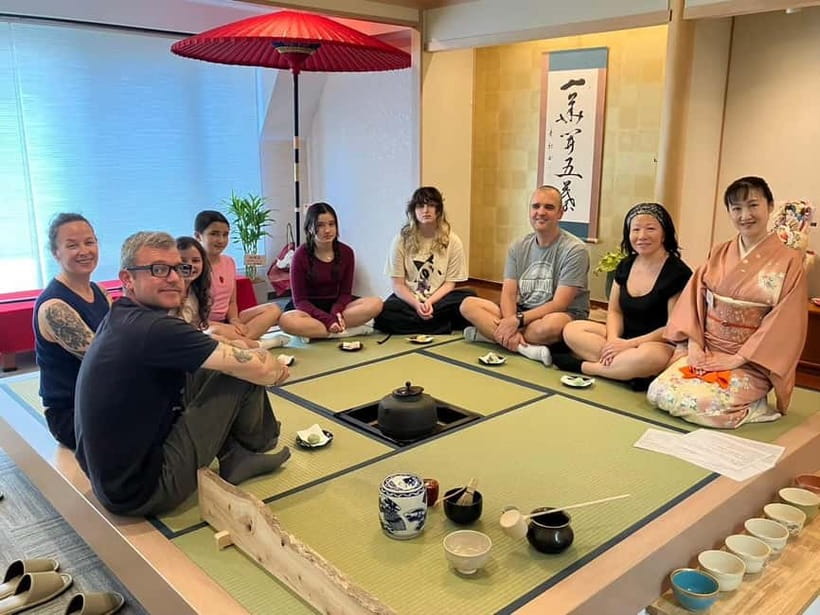
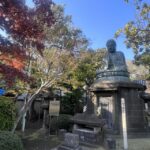
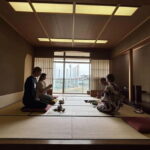
You’ll meet near Tokyo Metro Tawaramachi Station (Exit 3) or Toei Asakusa Station (Exit A4), then walk a few minutes to Wasako, located inside the Charyo-Ichimatsu restaurant. The building itself is a registered tangible cultural property, so the whole setting feels “kept on purpose,” not staged for tourists.
Once you arrive, the first thing to plan for is footwear. Shoes aren’t allowed indoors, and if you want to step onto the tatami, you’ll need socks. No worries if you forget, because socks can be sold on-site for 500 yen.
You can also read our reviews of more tours and experiences in Tokyo.

Don’t overpack your nerves about etiquette
Tea ceremonies can sound strict from the outside. In practice, the vibe here is gentle: you’ll be guided through what to do and where to look, and the host will explain the tools and decor as they come up. If you’re new to this, that structure helps a lot.
And yes, this place is built for photos. There are lots of photo-worthy spots, and the room design gives you natural backdrops without you hunting for them.
Start times and the 45-minute to multi-hour reality check
The ceremony has four start times: 10:00, 11:30, 13:30, and 15:00. You can pick from what’s available when you reserve, and the overall time you’re there can range from about 45 minutes to several hours, depending on the slot and flow.
What I like about that flexible scheduling is that it can fit different trip tempos. What you should watch is timing if you’ve got a fixed next reservation. Even though the experience is often described as a 60-minute tea ceremony, the stated duration range means your exact pacing may vary.
Practical tip for your day
I’d treat this as a “main stop,” not a quick add-on. Give yourself a little breathing room before and after, especially if you’re also planning to shop, grab snacks, or check out nearby Asakusa sights.
Choosing sweets and a matcha bowl: why it’s more than a menu moment
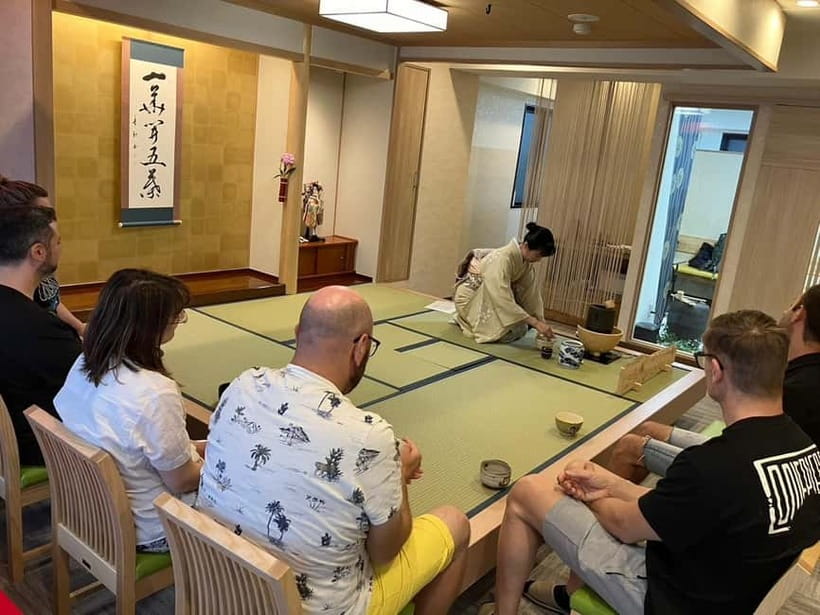
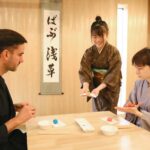
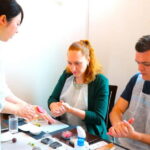
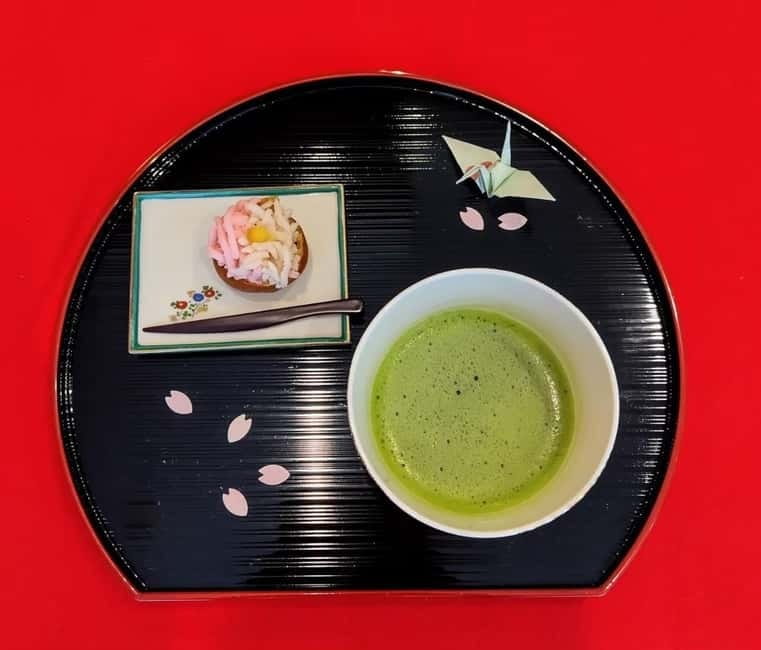
At the start, you enter the Japanese-style room and you’ll get to choose what you’ll experience. You pick your tea sweets and also your matcha bowl, and the host will explain the bowl’s design individually.
This part matters because it changes how you pay attention. When you know your bowl has a specific look and character, you tend to notice details: how it’s held, how it’s set down, and how it fits the flow of the ceremony. It turns “drinking matcha” into a small story you’re actively participating in.

The sweet pairing sets the tone
You’ll also have a chance to enjoy the sweets while you watch the demonstration. That makes the whole session feel more like a complete experience instead of a lecture followed by a sip. It’s a nice way to ease into the ritual, especially if matcha isn’t your daily go-to.
Watching the demonstration, then learning to make matcha yourself
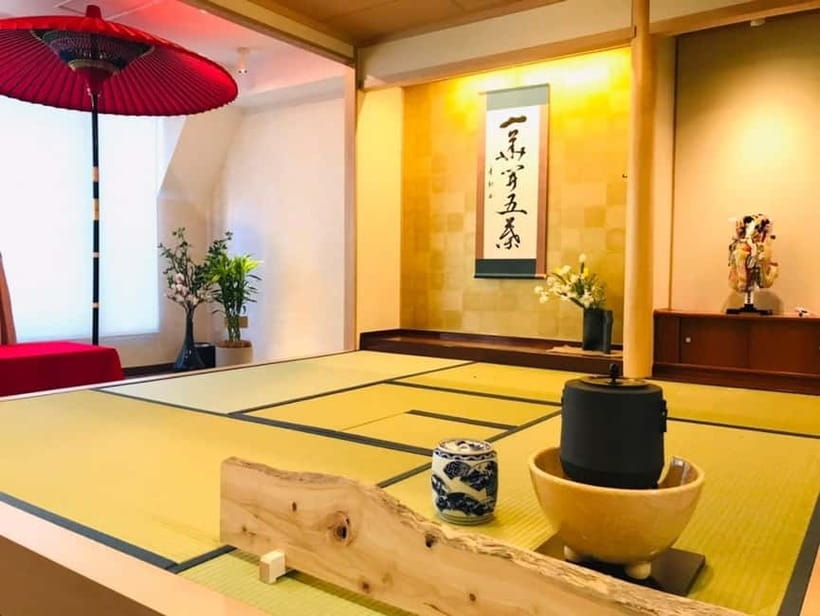
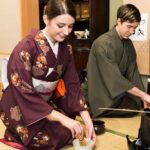
Your ceremony starts with watching the host’s demonstration. While you observe, you’ll be able to enjoy your sweets and drink matcha, and the host will provide explanations as needed.
You’ll hear context about the hanging scrolls and furnishings, along with the history of the tea ceremony. Then comes the part most people remember: you learn the steps for preparing matcha and get the opportunity to brew it yourself.
The hands-on brewing changes everything
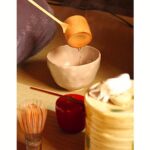
Watching a tea ceremony is relaxing, but making matcha teaches you why the ceremony is precise. You learn how the steps connect—how you treat the tools, how you handle the bowl, and how the preparation fits the pace of the room.
If you care about getting the method right, this is the value in the experience. It’s not just tasting; it’s learning the basic choreography and doing it with guidance.
What you’ll discuss in the room: tools, scrolls, and tea-ceremony meaning
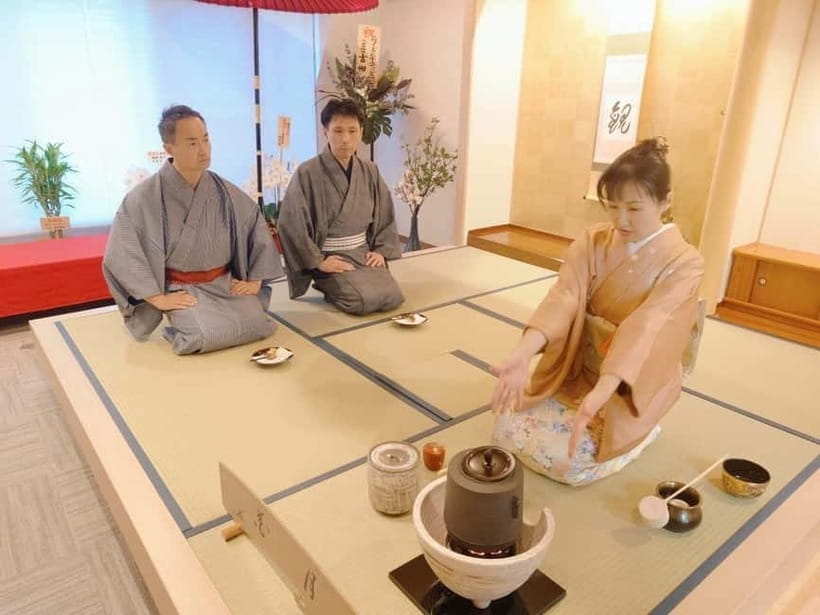
As the ceremony moves along, explanations are provided about what you’re seeing. That includes hanging scrolls and the room’s furnishings, plus background on the tea ceremony itself.
You’ll also learn about the utensils used during the ritual. This is the difference between a pretty show and a cultural moment you can actually repeat in your head later.
English support helps if you’re skipping the textbook
The instruction is available in English and Japanese, and the host is there to answer questions. If you’re the type who asks why something is done a certain way, you’ll likely appreciate this format because there’s room for clarification.
Kimonos and photos: the easy way to make this stop feel special
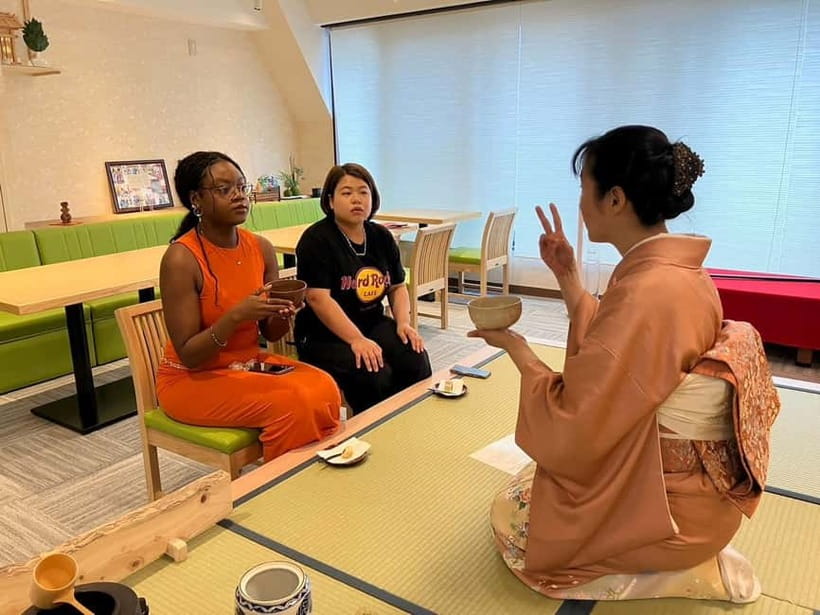
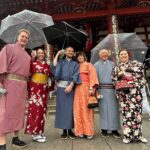
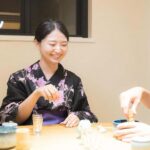
Some bookings add a kimono rental option, and the staff can help dress you. People describe this as a fun way to step into the setting, especially for the photos that follow.
Speaking of photos: you should expect plenty of picture moments. The included experience includes taking photos, and the staff help you capture the ceremony as it unfolds. Even if you’re not a “photographer,” it’s a big convenience to have someone help with timing and angles in a room where you’re not supposed to be running around.
A note on finding the place
Directions can vary depending on what entrance you use, so I recommend doing a quick check when you arrive in the area. One helpful approach is to look for green signage related to the tea ceremony experience and confirm you’re heading to the right door on the floor level.
Photo-worthy details in a cultural-property building
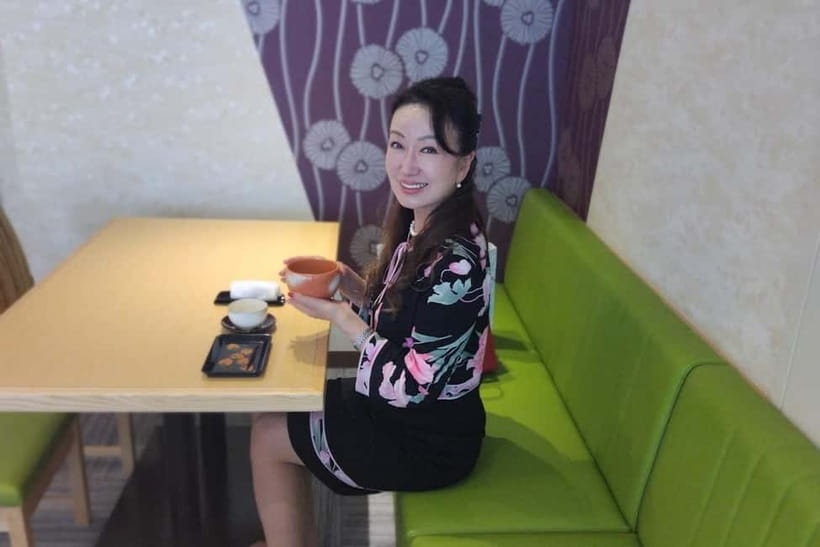
Because the building is a registered tangible cultural property, you’re stepping into a space that has been preserved with care. That shows in the layout, textures, and overall feel of the room.
This also means you’ll get plenty of natural photo opportunities. You can capture the room, the utensils, and the moment your matcha is ready, and the staff support you through the ceremony rather than treating it like a “quick snapshot only” activity.
Best way to enjoy it
Go slow. The point isn’t to rush for the perfect shot; it’s to let the room guide your pace. If you take your time, your photos come out better too because you’re not distracted by catching up.
Value check: is $45 worth it for a small-group matcha session?
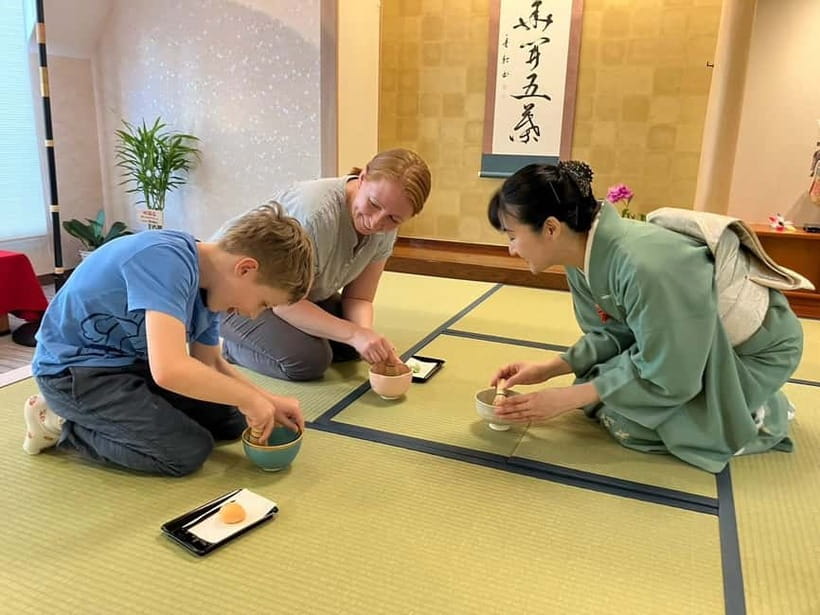
At $45 per person, this isn’t a budget activity, but it also isn’t just a tasting. You get tea sweets, matcha green tea, watching a demonstration, and the core value: you make your own matcha with instruction in a small group limited to 7 participants.
That small-group size is important for value. With fewer people, you’re more likely to get answers to questions and more personal coaching for the hands-on part.
Where the value can feel uneven
One possible drawback is that the ceremony may feel shorter than you expect for your time slot. The stated duration range (45 minutes to several hours) means you could experience a faster session depending on conditions.
If you’re the type who wants a long, slow deep instructional class, you might find yourself wanting a bit more time. If your goal is a calm cultural introduction plus real practice, it’s a strong fit.
Who should book this Wasako tea ceremony (and who should skip it)
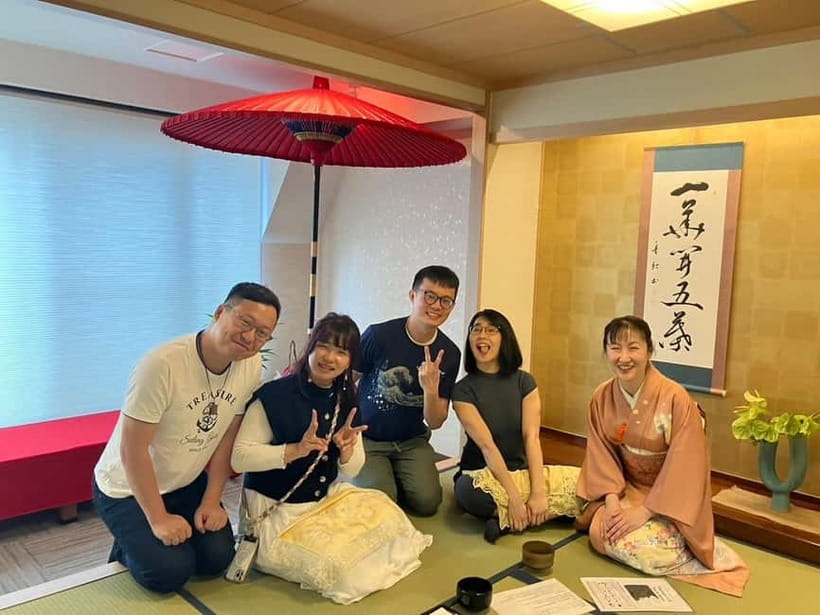
This is a great match if you want a peaceful break in your Tokyo day and you’re curious about how Japanese tea culture works beyond the basics. The hands-on matcha making, the bowl/sweets choosing, and the explanations about utensils and room elements make it satisfying even if you’re starting from zero.
It’s also a strong choice for groups who want a shared experience with lots of photo moments, since the staff help you capture it properly.
Skip it if…
If you’re traveling with children under 6, it isn’t suitable. Wheelchair users are also not suitable, and because shoes aren’t allowed indoors and tatami use depends on having socks, physical comfort matters here too.
Final call: should you book Wasako’s tea ceremony?
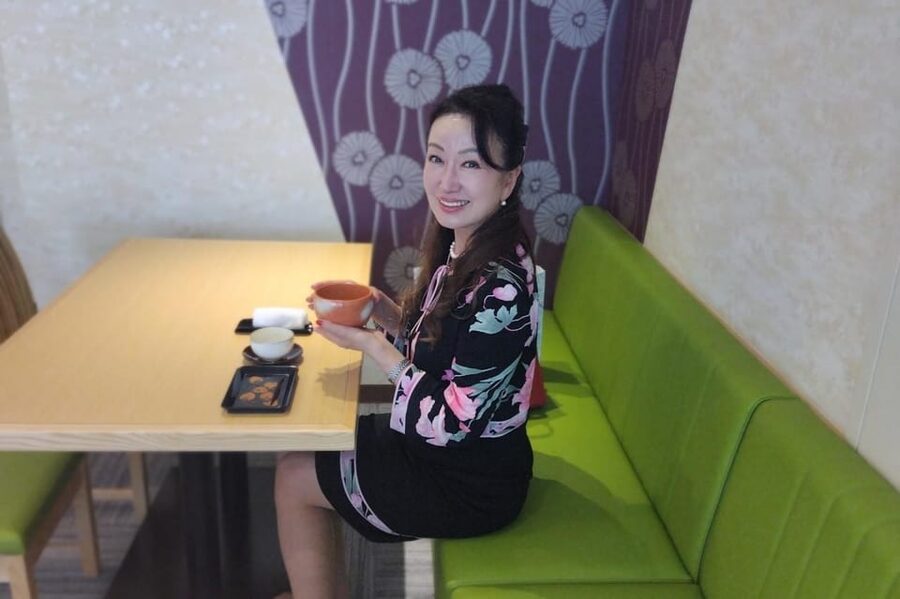
I’d book it if you want a respectful, small-group tea ceremony where you don’t just watch—you make matcha and learn the steps. It’s also a good pick if you care about atmosphere and photos, since the traditional room and preserved building give you a lot to work with, and the staff help along the way.
I’d think twice only if your schedule is extremely tight or you’re expecting a long, multi-part lesson that runs at the top end of the duration range. Otherwise, this is one of those Tokyo experiences that makes you feel like you left with skills, not just memories.
FAQ
Where is the meeting point?
You’ll meet about a 5-minute walk from Tawaramachi Station (Exit 3) on the Tokyo Metro Ginza Line, or about a 10-minute walk from Asakusa Station (Exit A4) on the Toei Asakusa Line.
What start times are available?
There are four start times: 10:00, 11:30, 13:30, and 15:00.
How long does the tea ceremony last?
The listed duration is 45 minutes to 4 hours, depending on availability for your time slot.
How many people are in a group?
It’s a small group limited to 7 participants.
What languages are offered?
Instruction is available in English and Japanese.
What’s included in the experience?
Tea sweets, matcha green tea, watching the demonstration, making your own matcha, and help with photos.
Do I need to bring anything?
Yes. Bring socks, especially if you want to get onto the tatami.
Are shoes allowed indoors?
No. Shoes are not allowed indoors.
What if I don’t have socks for tatami?
If you don’t have socks, socks can be sold for 500 yen.
What is the cancellation policy?
Free cancellation is available up to 24 hours in advance for a full refund. A 50% cancellation fee applies if you cancel the day before, and 100% applies if you cancel the day of the event.
Is it suitable for young children or wheelchair users?
Children under 6 years are not suitable, and the experience is not suitable for wheelchair users.