REVIEW · TOKYO
Private 2 Hours Matcha Masterclass with Tea and Guide
Book on Viator →Operated by IKIGAI MATCHA tour · Bookable on Viator
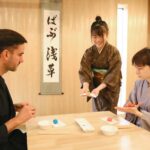
Tokyo matcha is a simple drink, until it isn’t. This private 2-hour matcha masterclass in Nihonbashi Hamachō goes past café sips with a guide who slows everything down so you can taste with your senses, not your phone. I love the step-by-step sensory training (smell, look closely, touch, then sip), and I also like the human touch of a certified English guide who can explain what you’re tasting and how to repeat it at home.
One thing to consider: at $100 per person, you’re paying for the one-on-one attention and add-ons (matcha tastings, a Japanese dance performance, and a take-home latte). If you’re mainly after a quick photo moment, this may feel like more lesson than you need.
In This Review
- Key highlights you’ll actually use
- Matcha, Not Just a Drink: What This Private Class Really Teaches
- Where You Meet in Nihonbashi Hamachō and How the 3:00 pm Timing Fits
- The Sensory Routine: Smell, Touch, Look, Sip, Repeat
- Learning Matcha Varieties: How to Tell What You’re Actually Drinking
- The Japanese Dance Performance: Culture Break Without Feeling Random
- The Take-Home Matcha Latte: What You Gain After the Bowl Is Gone
- Price and Value: Is $100 Per Person Worth It in Tokyo?
- Who This Matcha Masterclass Fits Best (and Who Should Think Twice)
- Should You Book This Matcha Masterclass?
- FAQ
- What is the duration of the Matcha Masterclass?
- What time does the class start?
- Where does the class meet in Tokyo?
- Is this tour private?
- Does the class include an English guide?
- What’s included in the experience?
- Is transportation included?
- Is there a matcha latte included for everyone?
- What is the cancellation policy?
Key highlights you’ll actually use
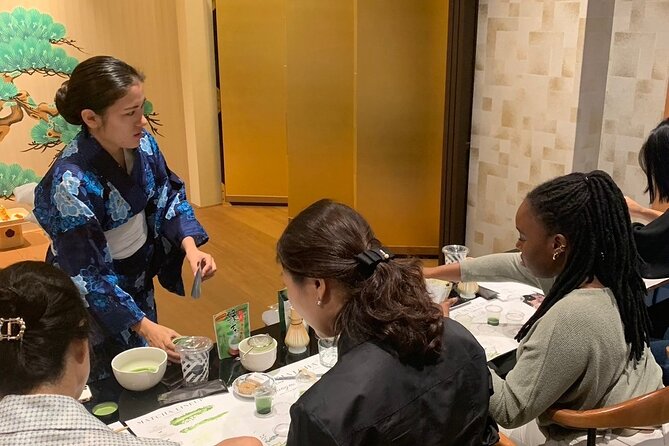
- Private, guided matcha learning for your group, with undivided attention from your English-speaking instructor
- Sensory matcha routine built around smell, sight, touch, and slow sipping, not just tasting
- Matcha variety training so you can recognize differences and choose better matcha later
- Japanese dance performance during the session to keep it lively and more than a lecture
- Matcha latte to take home so your class doesn’t end when it’s over
Matcha, Not Just a Drink: What This Private Class Really Teaches
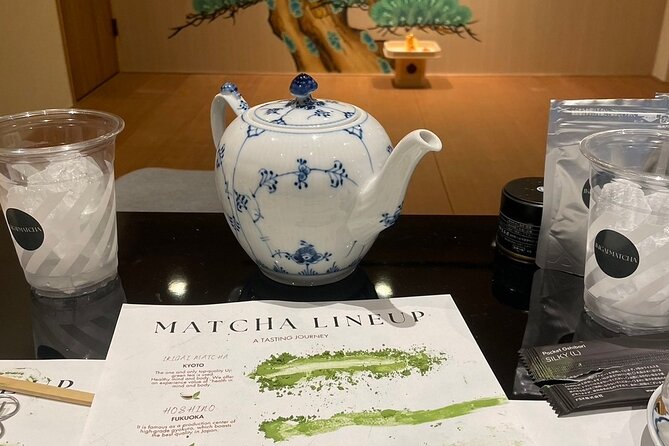
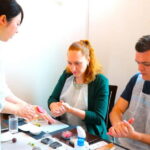
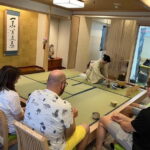
This is a matcha experience built like a small training session. You’re not simply handed a bowl and told it tastes good. Instead, you’re guided through how to notice quality, and then how to translate those clues into better drinking and better making at home.
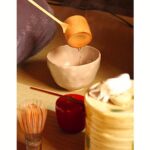
The big win is the structure. You’ll learn how to sip matcha like a local by slowing down your actions: first you smell, then you look closely at what’s in front of you, then you touch and compare, and only after that do you savor. This matters because matcha quality is not just about flavor. It’s texture, aroma, color, and balance—things you can miss when you’re moving fast or distracted.
If you’re the type who likes details, you’ll get plenty. The guide helps you distinguish between different types of matcha, and you’ll come away with a practical mental checklist you can use again later—whether you’re buying matcha in a shop or ordering it at a café.
The experience also feels like a “you’re in control” setup. Because it’s private, the pace can match your group. That’s a real advantage if you’re traveling with someone who learns best by asking questions, taking notes, or tasting slowly.
You can also read our reviews of more tours and experiences in Tokyo.

Where You Meet in Nihonbashi Hamachō and How the 3:00 pm Timing Fits
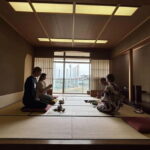
The meeting point is in central Tokyo: Japan, 103-0007, Chuo City, Nihonbashihamachō, 3-chōme 26-11 高橋邸. It starts at 3:00 pm and ends back at the meeting point.
Why that address and time matter: 3:00 pm is a sweet spot in Tokyo for tea learning. You’re not rushing from lunch, and you’re not trying to cram culture into a late-night plan. By late afternoon, many people are ready for something quieter and more focused than temple crowds.
It’s also convenient that the meeting area is near public transportation. Since private transportation isn’t included, you’ll want to use trains or local transit and arrive a little early. Bring a bit of patience with the neighborhood streets—Tokyo addresses can look confusing until you’re standing at the right spot.
You’ll get a mobile ticket, and confirmation is received at booking. That combination usually makes day-of logistics smoother.
The Sensory Routine: Smell, Touch, Look, Sip, Repeat
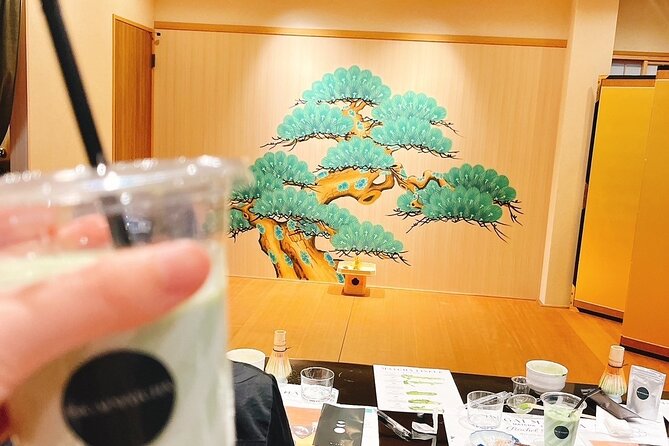
This class is basically a guided “how to pay attention” lesson, and it works. Here’s what you can expect in the session flow:
1) Listen and learn about matcha
Your guide explains what makes matcha different from other green teas, and how to approach it with the right expectations. This is where you start understanding the why behind the taste.
2) Smell the aroma before you sip
Your nose is doing more than “background.” You’ll learn to identify aroma changes that come from different matcha types and preparation style. Even if you don’t have a fancy palette, you can still learn to notice.
3) Look closely at differences
You’ll compare what you’re seeing. Matcha color and surface texture can tell you a lot, especially when you’re comparing varieties side by side.
4) Touch it for yourself
This is one of those details that sounds silly until you experience it. Touch helps you connect texture to flavor, so your next sip makes more sense. It also turns the class from passive listening into active learning.
5) Savor slowly
Finally, the sipping. You’ll be encouraged to taste at a pace that lets you pick up bitterness, sweetness, and the balance between them. Slow sipping sounds simple, but most people don’t do it in real life—this class trains that habit.
What I like about this approach is that it avoids the common mistake: tasting matcha like a soda. When you sip intentionally, matcha becomes clearer. You stop guessing and start recognizing.
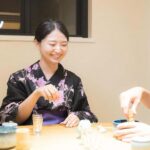
Also, your guide is certified and speaks English, which helps if you want to understand not just the steps, but the reasoning behind them. In one experience, the owner-teacher Rachel was praised for kindness and strong English, including working well with a daughter—exactly the kind of calm, clear communication you want in a sensory-focused class.
Learning Matcha Varieties: How to Tell What You’re Actually Drinking
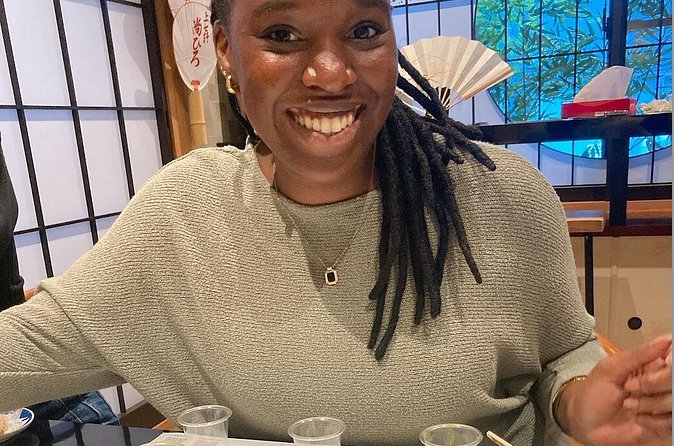
Matcha can be confusing because it’s sold under one umbrella word. In reality, matcha quality and style can vary a lot. This is why the guided comparison matters.
In this masterclass, you’ll practice distinguishing matcha types through guided tastings. The guide helps you notice differences in:
- Aroma (what hits first when you bring it close)
- Color and visual texture (what you see before you taste)
- Mouthfeel (how it feels and clings)
- Taste balance (how sweetness and bitterness show up)
Then you’ll connect those observations to what you can do at home. That’s the practical piece. You’re not just collecting impressions for the day. You’re building a way to choose matcha later.
If you’ve ever bought matcha and wondered why it tasted different than expected, this is the antidote. Even if you’re not a tea nerd, you’ll learn how to evaluate matcha with more confidence.
Another small but useful detail: matcha green tea is available for drinking, and the experience description also mentions coffee and/or tea options. That means you’re not forced into one-drink-only mode. You can keep your taste buds in the right frame for comparisons.
The Japanese Dance Performance: Culture Break Without Feeling Random
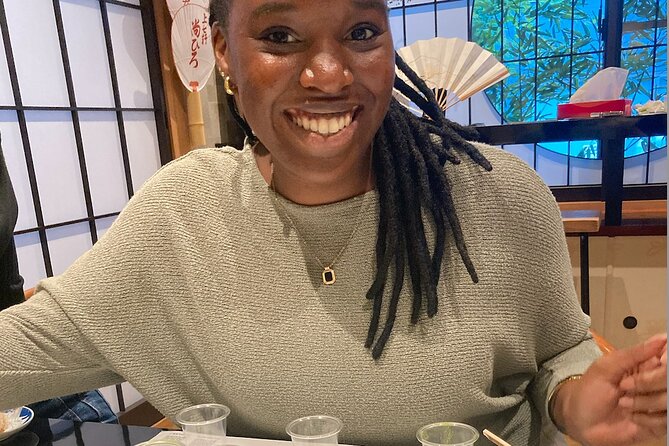
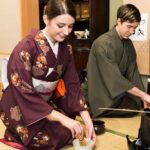
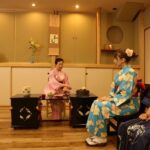
This masterclass includes a Japanese dance performance as part of the experience. That might sound like an unusual pairing at first, but it actually fits the pacing.
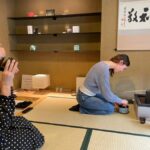
Tea practice rewards slow attention. A dance performance adds contrast: it’s a structured, live art moment that gives your brain a reset between tastings. You’ll be using all five senses during the overall session, and the performance supports that theme.
So instead of feeling like you’re sitting through a lecture, you get a rhythm: learn, taste, pay attention, then a live cultural interlude, then back to the tea. For many people, that’s what turns the session from “fine” into memorable.
It also makes the class easier to enjoy if you’re bringing someone who doesn’t want only food-and-lecture. The entertainment value isn’t separate from the tea experience; it complements the atmosphere.
The Take-Home Matcha Latte: What You Gain After the Bowl Is Gone
One of the best reasons to choose this class over a standard café tasting is what you get to carry home. All participants receive a matcha latte to take home.
That matters for two reasons:
First, it extends the “learning moment.” After you’ve tasted and compared matcha, the next day you’re likely to notice flavors differently than if you’d gone straight home.
Second, it gives you a low-stress way to repeat the experience. You don’t have to immediately buy everything and start from scratch. You can enjoy the latte and then decide how you want to approach making matcha at home.
If you’re traveling and want souvenirs that aren’t just packaging, this type of edible take-home item is usually a win. (Just remember to plan your storage and temperature control for the walk back.)
Price and Value: Is $100 Per Person Worth It in Tokyo?
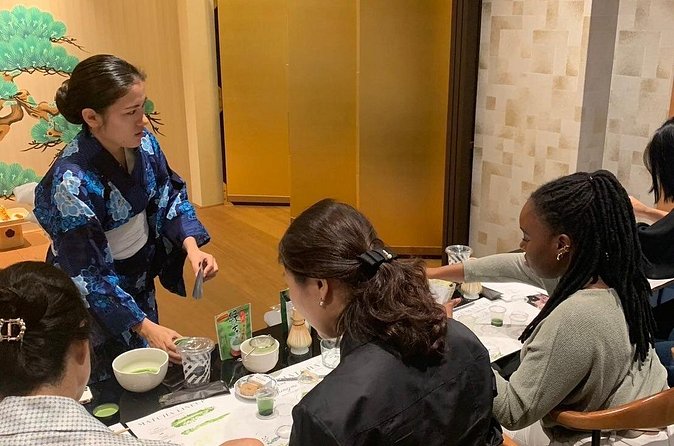
Let’s talk about the real math. $100 per person for about 2 hours is not the cheapest way to meet matcha. But it’s also not trying to compete with mass-market group tastings.
Here’s what you’re paying for:
- A private setup where only your group participates
- A certified English guide who’s there for Q&A and pacing
- Structured matcha tastings using sensory training (smell, look, touch, sip)
- A Japanese dance performance included in the session
- A matcha latte take-home for every participant
If you compare this to a basic café experience, the difference is depth. In a café, you often get one drink and general advice. Here, you learn how to identify differences, and you practice slow tasting with guidance.
For two people, it can still feel like a premium. But if your group values hands-on instruction, or you want something more meaningful than sampling, this tends to be good value. Especially in Tokyo, where experiences can get expensive fast, you’re paying for a package that includes both food learning and live cultural entertainment.
Who This Matcha Masterclass Fits Best (and Who Should Think Twice)
This masterclass is best for people who like guided learning and sensory experiences. You’ll probably love it if you:
- Want to understand matcha varieties, not just drink matcha
- Prefer a smaller, quieter experience over crowded tours
- Enjoy food culture when it comes with method and explanation
- Are traveling with kids or family and want a calmer, structured activity (the Rachel example shows the style can work well for families)
It might be less ideal if you:
- Just want a quick matcha stop for photos and caffeine
- Don’t care about differences and only want a sweet latte
- Are on a very tight budget
Also, because private transportation isn’t included, plan to get yourself there by public transit. The meeting point is near transit, so it’s usually manageable, but it’s still on you.
Should You Book This Matcha Masterclass?
I’d book it if you’re the kind of traveler who likes taking home skills, not just memories. This class is built around how to taste, and that’s exactly the kind of learning you can use long after you leave Tokyo.
Book it particularly if you want:
- A guided, English-friendly experience with undivided attention
- Sensory training that turns matcha into something you can recognize and choose
- A small cultural extra (Japanese dance) that keeps the session from feeling like a lecture
- A matcha latte to take home
If your only goal is a casual drink, there are cheaper options. But if you want a thoughtful, guided Tokyo tea experience for your group, this hits the sweet spot of value and authenticity.
FAQ
What is the duration of the Matcha Masterclass?
The experience runs for about 2 hours.
What time does the class start?
It starts at 3:00 pm.
Where does the class meet in Tokyo?
The meeting point is in Chuo City, Nihonbashihamachō (3-chōme 26-11 高橋邸), 103-0007 Tokyo. The activity ends back at the same meeting point.
Is this tour private?
Yes. It’s a private tour/activity, and only your group participates.
Does the class include an English guide?
Yes. You’ll have a certified English guide.
What’s included in the experience?
Included are matcha tastings, drinking matcha green tea (coffee/tea is available as stated), and a Japanese dance performance. You also receive a matcha latte to take home.
Is transportation included?
No. Private transportation is not included.
Is there a matcha latte included for everyone?
Yes. All participants receive a matcha latte to take home.
What is the cancellation policy?
There’s free cancellation. You can cancel up to 24 hours in advance for a full refund.
![[NEW]JPN CULTURE - Buy@Toyosu Market SUSHI Making +TEA +Maid Cafe - Tea Ceremony Sweets + Matcha: A Dessert Class With Discipline](https://tours.thetealover.com/wp-content/uploads/new-jpn-culture-buy-toyosu-market-sushi-making-tea-maid-cafe-400x266.jpg)