REVIEW · TOKYO
Asakusa: Kimono Tea Ceremony with Matcha and Sweet
Book on GetYourGuide →Operated by GLOBA Inc. · Bookable on GetYourGuide
Tokyo’s quietest flex is a perfect kimono. This Asakusa matcha tea ceremony pairs hands-on etiquette with real ritual, plus you’ll get English guidance throughout. My only note: it’s a calm, rules-based experience where shoes aren’t allowed, and seating is on tatami unless you request bamboo chairs.
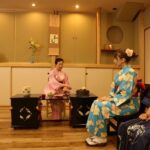
I like how the format is both structured and personal: you’ll pick a seasonal kimono, get dressed professionally, and then learn the tea principles tied to Zen—wa, kei, sei, jaku—before you make your own bowl of matcha. The matcha and wagashi part is the payoff, but the real value is how much you understand while you’re doing it, not just watching.
In This Review
- Key highlights worth your time
- Asakusa kimono tea ceremony with matcha and wagashi: what 90 minutes really gives you
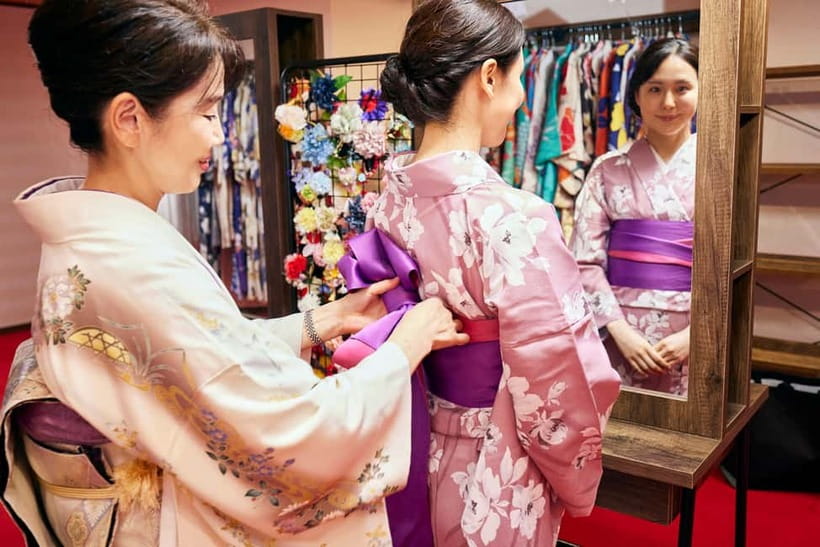
- Dressing in a seasonal kimono: the part that feels like a mini makeover
- Tea room etiquette: wa, kei, sei, jaku in plain language
- The matcha ritual: watching, then doing the real thing
- Wagashi sweets: seasonal, paired, and sometimes surprisingly diet-friendly
- Seating on tatami mats, plus a practical chair option
- Shoes, timing, and small rules that keep the experience calm
- Group size, vibe, and why the English guidance matters
- Photography in kimono: where the pictures come from and how to make them work
- Who this is best for in Tokyo (and who should skip it)
- Price and value: is $66 worth it?
- Should you book this Asakusa kimono tea ceremony?
- FAQ
- What’s the duration of the Asakusa kimono tea ceremony?
- Is English guidance available?
- Can children join?
- Do I have to sit on tatami mats?
- Are shoes allowed during the experience?
- What’s included in the price?
Key highlights worth your time
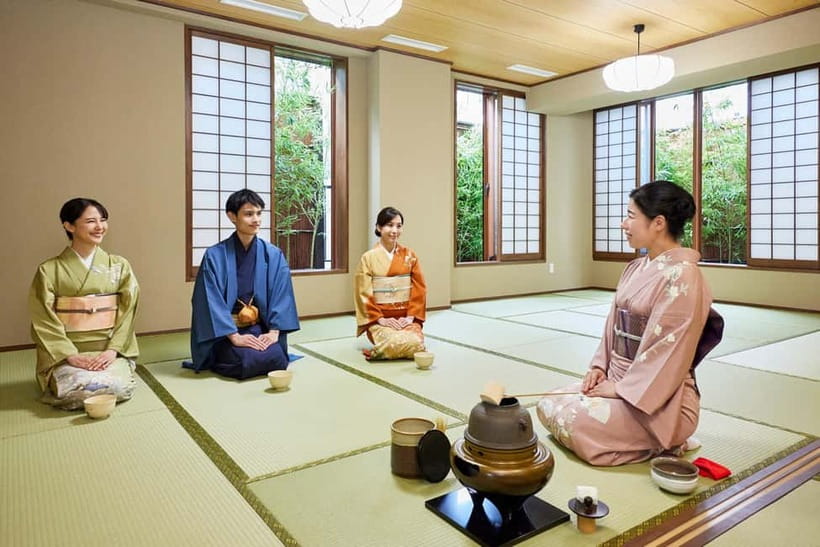
- Seasonal kimono selection with help choosing the look, plus obi and hair styling support (long hair only)
- Tea master teaching the meaning of wa (harmony), kei (respect), sei (purity), jaku (tranquility)
- Hands-on matcha whisking guided step by step with classic tools and careful technique
- Seasonal wagashi sweets paired with your finished matcha, including options that can be vegan friendly
- Small session feel with about 12–14 participants, and a quiet, calm atmosphere
- Photo-friendly setup including inside photo spots and a small garden area for pictures
Asakusa kimono tea ceremony with matcha and wagashi: what 90 minutes really gives you
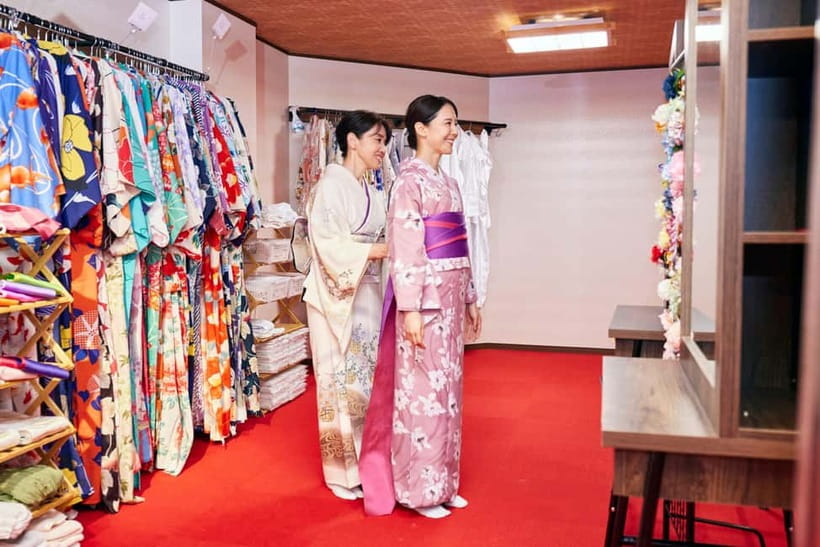
This is one of those experiences where the time limit is actually helpful. Ninety minutes is long enough to pick a kimono, get dressed properly, learn the tea etiquette, and whisk your own matcha, without turning it into a rushed factory line.
You’re not just buying a souvenir photo. You’re learning the logic behind the ritual: why the host handles each utensil with care, why the posture and pacing matter, and why the tea room stays calm. That’s what makes it feel like more than a performance.
You can also read our reviews of more tours and experiences in Tokyo.
Dressing in a seasonal kimono: the part that feels like a mini makeover
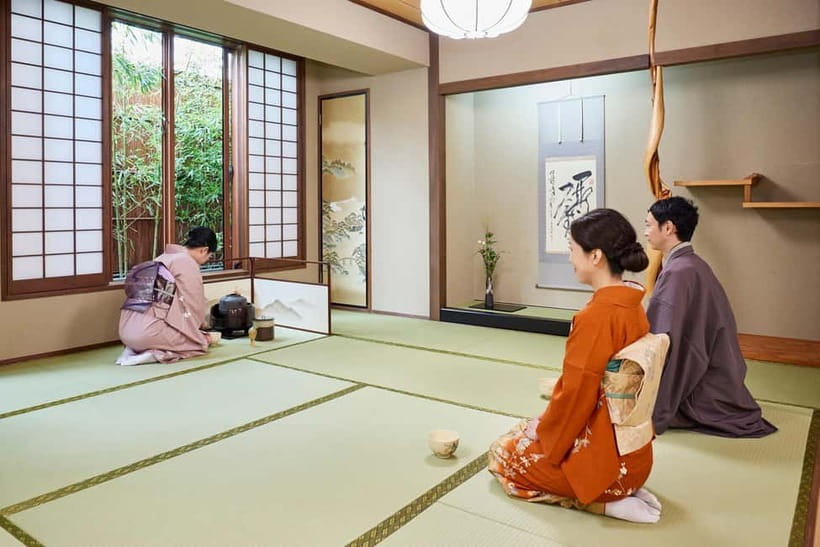
You start with your kimono selection. The wardrobe is built around seasonal colors and patterns, and staff assist so you look comfortable as well as polished.
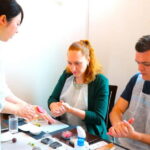
What I like about this setup is that dressing isn’t an afterthought. The experience includes professional dressing, and for women it includes hair styling (but only for long hair). One person even noted how fast the stylist was while still getting a clean, natural result, so plan to show up with hair ready to be adjusted rather than needing last-minute fixes.
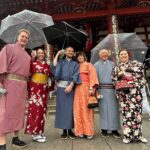
Also, the kimono rental can be more useful than you’d expect. Multiple participants reported being able to keep the kimono for a while afterward, and some went out for photos or a short stroll. That’s a practical perk: you’re not trapped inside for the whole time, as long as you follow the no-shoes rule.
Tea room etiquette: wa, kei, sei, jaku in plain language
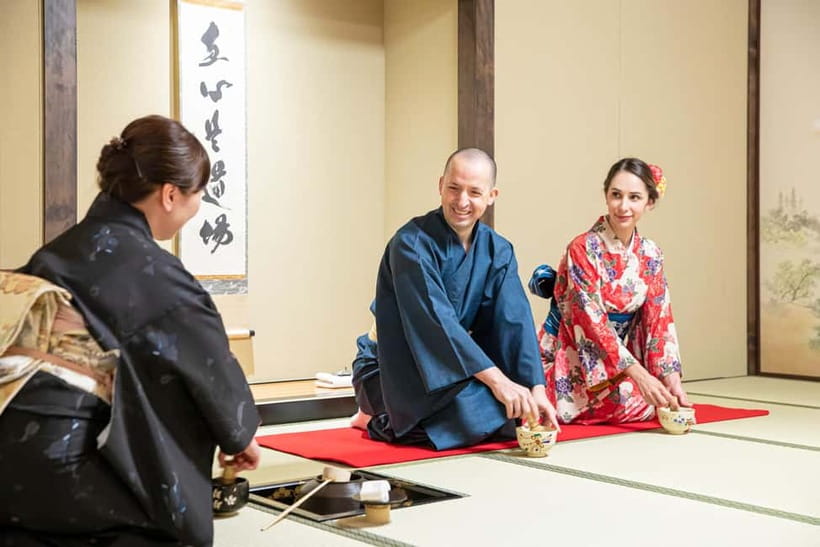
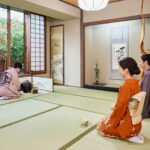
Once you’re seated, the tone changes. This is a quiet, calm experience, and that matters because Japanese tea etiquette is about more than words. You’ll learn the principles that guide the ritual:
- Wa (harmony): how everything fits together calmly
- Kei (respect): posture, timing, and considerate movement
- Sei (purity): care in handling tools and preparing the tea
- Jaku (tranquility): the feeling the room is meant to create
You’ll also watch the host perform the steps closely. The best part is that the guidance is in English, so you’re not stuck guessing what each action is for. People noted that hosts could switch between Japanese and English depending on the group, and that helped even when someone didn’t fully catch every detail.
The matcha ritual: watching, then doing the real thing
This experience doesn’t stop at tasting. It includes matcha green tea preparation, and you’ll actually try it yourself.
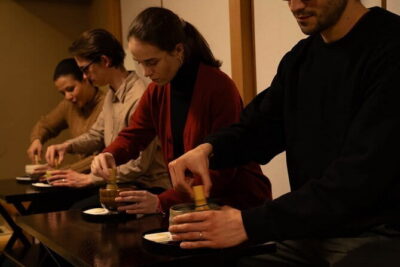
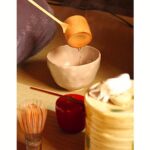
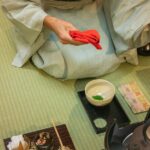
Here’s what you can expect during the matcha part: the tea master demonstrates the precise handling of utensils, including tools that are treated as meaningful objects, not just equipment. Then you’ll whisk your own bowl of matcha under guidance. If you’ve only ever had matcha as a drink, this is a different world: the ritual is built around movement and attention, not speed.
And because the staff explain what you’re doing, you’re more likely to remember it. Think of it as learning how to cook one small dish properly, instead of watching someone else plate it once.
Wagashi sweets: seasonal, paired, and sometimes surprisingly diet-friendly
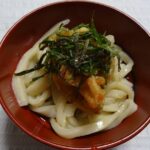
After your matcha, you’ll enjoy seasonal Japanese sweets (wagashi). The important word here is seasonal. Wagashi are meant to reflect the current flavors and colors of the time of year, so you’re tasting something that fits the moment rather than a standard menu item.
One of the nicest surprises: at least one participant specifically called out that the wagashi were vegan friendly. You shouldn’t assume every session will match that, though. If you have dietary needs, it’s worth telling the staff ahead of time so you don’t get stuck with a surprise ingredient.
Seating on tatami mats, plus a practical chair option
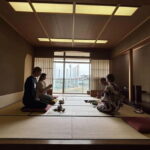
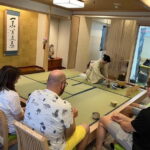
Most tea rooms use tatami mats, and you’ll be seated there. If you’re comfortable with kneeling or sitting low, you’ll be fine for the full 90 minutes. If not, request the bamboo chairs in advance, since chairs are available upon advance request.
This is more than comfort. Being seated well changes how relaxed the ceremony feels. Tea etiquette asks you to stay present, and a sore body tends to ruin the mood fast. Plan for it and you’ll enjoy the ritual more.
Shoes, timing, and small rules that keep the experience calm
A basic but crucial rule: shoes aren’t allowed. That means you’ll need to be ready to change your footwear habits quickly. It’s also a reminder that this is a calm cultural setting, not a casual attraction where you can wander with your normal street shoes.
The ceremony runs about 90 minutes, and sessions have starting times. That time box is good for planning: you can fit this into a day in Asakusa without it eating your whole itinerary.
Group size, vibe, and why the English guidance matters
You’ll be with a group of about 12–14 participants. That’s large enough that you get the energy of other people, but small enough that instruction doesn’t feel like you’re in a lecture hall.
The English support is a big deal. The tea ceremony includes lots of small steps and proper handling, and without translation it can feel like you’re just observing. With English guidance, you can actually follow the meaning behind actions—why the host does what they do, and what you’re expected to do when it’s your turn at the matcha.
People also noted that the staff were friendly, patient, and respectful. One host named Mia stood out for detailed explanations and a respectful approach, and Wakana was praised for being knowledgeable and setting a comfortable tone. Another named guide, Yoko, was described as entertaining and informative, with Kyoko also called out for friendliness and clear teaching. You may get a different host, but the staffing style seems consistent: calm pace, clear instruction, and time for photos.
Photography in kimono: where the pictures come from and how to make them work
This is a photo-friendly experience, and staff help with that. Many people highlighted the staged spots for kimono pictures both inside and outside, including a small garden setup.
Plan your timing with cold weather in mind if you’re visiting in winter. At least one participant skipped outdoor walking because it was cold. If you want outdoor photos, you may have a chance, but you’ll be happiest if you layer up and don’t treat the kimono as your only warm clothing.
Also keep in mind: the staff are used to helping both couples and solo travelers. One solo traveler specifically appreciated extra photo attention. If you’re going solo, it’s fine to ask for help getting a few angles that don’t look awkward.
Who this is best for in Tokyo (and who should skip it)
This works especially well if you want a cultural experience that’s hands-on. You get more than observation: kimono dressing, etiquette explanations, matcha whisking, and wagashi pairing are all part of the same flow.
It’s also a strong pick if you want a memorable night activity in Asakusa that’s not just shopping. Tea ceremony rooms feel worlds away from the street noise, even when you’re still in Tokyo.
Skip it if any of these apply:
- You need a kid-friendly option. Children under 7 aren’t permitted.
- You have short hair and want styling included. Hair styling is listed for women with long hair only.
- You can’t handle tatami seating. Bamboo chairs are available if you request them ahead.
Price and value: is $66 worth it?
At $66 per person for 90 minutes, the value depends on what you care about.
If you only want a quick taste and a few photos, you might feel this is pricey. But if you want the full package—kimono rental, professional dressing, hair styling (if eligible), bilingual English guidance, a guided tea ceremony, and making your own matcha—the price is easier to justify.
Think of it like paying for four things at once:
1) being dressed in a full kimono setup,
2) learning proper etiquette rather than just watching,
3) doing the matcha yourself,
4) finishing with wagashi that match the season.
That’s why people repeatedly call it a highlight: it’s not just a ticket, it’s a complete experience with multiple payoffs.
Should you book this Asakusa kimono tea ceremony?
Book it if you want a calm, cultural Tokyo activity that includes real participation. You’ll be happiest if you’re excited to wear a seasonal kimono, sit through a quiet ceremony, and whisk matcha with guidance in English.
Think twice if you’re tightly schedule-stressed or you’re uncomfortable with tatami seating. If you fall into that group, request the bamboo chair option and plan your day so you’re not rushing from place to place.
If you want my simple checklist:
- You’re okay with no shoes
- You can sit on the floor or you’ll request a chair
- You want both photos and instruction
If yes, this is a strong use of your time in Tokyo.
FAQ
What’s the duration of the Asakusa kimono tea ceremony?
The experience lasts about 90 minutes.
Is English guidance available?
Yes. The instructor provides full English guidance throughout the ceremony.
Can children join?
No. Children under 7 years old are not permitted.
Do I have to sit on tatami mats?
Seating is on tatami mats, but bamboo chairs are available if you request them in advance.
Are shoes allowed during the experience?
No. Shoes are not allowed.
What’s included in the price?
The price includes the traditional tea ceremony, kimono rental and professional dressing, matcha preparation (including making your own), seasonal wagashi, hair styling for women with long hair only, and full English guidance.