REVIEW · TOKYO
Tokyo: Practicing Zen with a Japanese Tea Ceremony
Book on GetYourGuide →Operated by True Japan Tour · Bookable on GetYourGuide
Tea, silence, and a Zen lesson in Tokyo. In 75 minutes at Kikai Shinko Kaikan, right across from Tokyo Tower, you take part in a traditional Japanese tea ceremony while your English-speaking instructor connects the steps to Zen Buddhism, plus Japanese art and architecture.
I love that you don’t just watch. You taste traditional Japanese sweets paired with matcha, then you get to do a second ceremony yourself with expert guidance. I also like the small-group feel, limited to 10 people, which makes it easier to see what’s happening and ask questions. One thing to consider: the venue may not be fully soundproof, so quiet can be challenged if another activity is going on nearby.
If sitting on the floor sounds like a problem, good news: there are seats available, and the space is wheelchair accessible. Just come prepared for one strict expectation: no making noise.
In This Review
- Key highlights to notice before you go
- Where You Practice Zen: Kikai Shinko Kaikan and the Tokyo Tower landmark
- What the 75 Minutes Actually Feels Like: First Ceremony, Matcha Tasting, Second Ceremony by You
- Zen Buddhism Through Art and Architecture, Not Just a Concept
- The Parts You Will Do: Utensils, Movements, and Quiet Concentration
- Sitting on the floor is optional
- Small Group Teaching: Why a Limit of 10 People Matters
- Price and Value: Is $63 Worth It for a Tokyo Zen Tea Ceremony?
- Who Should Book This, and Who Might Skip It
- A Practical Note: Sound and the Zen Mood
- Should You Book This Tokyo Zen Tea Ceremony?
- FAQ
- FAQ
- Where do I meet the instructor?
- How long is the experience?
- How much does it cost?
- What language is the instruction?
- Is the venue wheelchair accessible?
- Do I have to sit on the floor?
- What’s included in the price?
- Is transportation included?
- Are children allowed?
- Is there a cancellation policy or reserve & pay later option?
Key highlights to notice before you go
- Two ceremonies, one lesson: you watch the first tea ceremony, then do a second one yourself.
- Matcha and sweets with intent: you’ll taste green tea and traditional Japanese confection designed for the pairing.
- Zen taught through actions: you’ll learn how gestures, utensils, and timing reflect Zen Buddhism.
- Japanese art and architecture connections: expect explanations that tie the practice to visual and spatial ideas.
- A comfort-first setting: you can use provided seating instead of sitting on the floor.
- Quiet rules matter here: you’ll be asked not to make noise to keep the atmosphere respectful.
Where You Practice Zen: Kikai Shinko Kaikan and the Tokyo Tower landmark
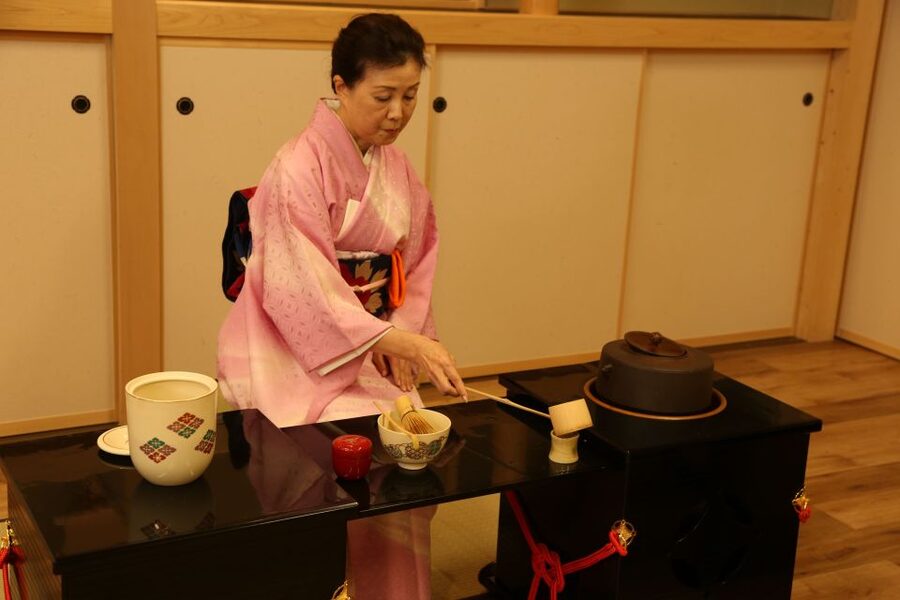
Your main address is Kikai Shinko Kaikan, and it’s easy to anchor yourself because the building is right opposite Tokyo Tower. Plan on meeting your instructor at the main entrance on the 1st floor.
If you have trouble spotting your instructor, there’s a clear backup plan: head to True Japan Tour, Room B109 on the B1 floor. That matters in Tokyo, where buildings can look similar fast and you’ll want a simple way to recover without stress.
This location also makes the timing practical. You’re in central Tokyo, so you can pair the ceremony with other nearby sightseeing and keep the rest of your day flexible.
You can also read our reviews of more tours and experiences in Tokyo.
What the 75 Minutes Actually Feels Like: First Ceremony, Matcha Tasting, Second Ceremony by You
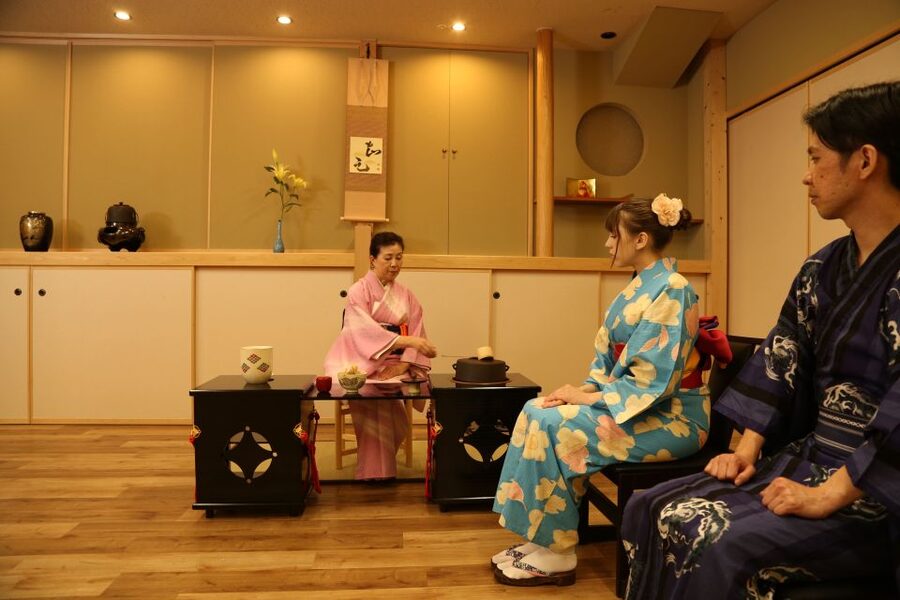
This is a tight, focused experience: 75 minutes total. It’s not a long lecture and it’s not only a performance you observe. The structure is built so you understand the ceremony, taste it, and then practice it.
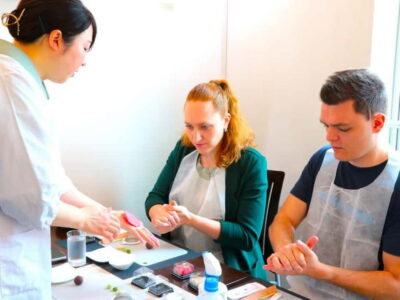
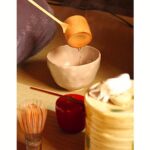
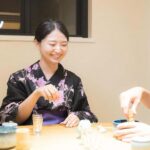
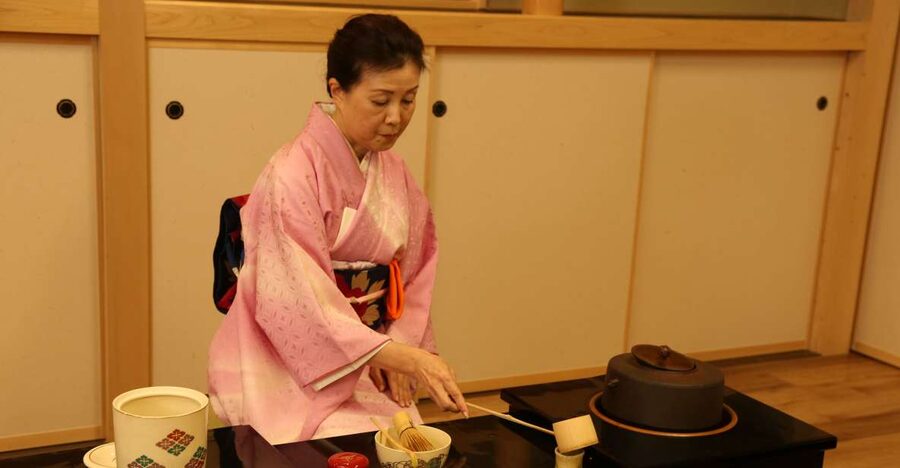
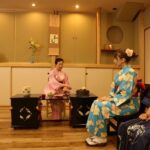
First, you’ll watch your instructor perform the tea ceremony steps. During that portion, you’ll see how matcha green tea is prepared and you’ll notice the deliberate movements that go with it. You’ll also get a rundown of the tools used in the ceremony—what they are and what role they play—so you’re not just copying hand motions without context.
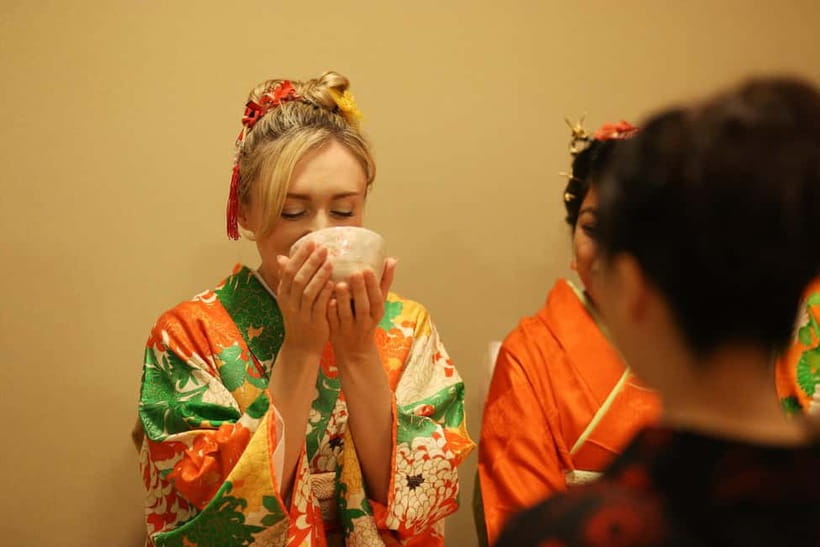
Then comes the part that makes it stick: you’ll taste the tea and the traditional sweets that come with it. The sweets are specifically paired with the green tea, so your sensory experience is part of the lesson, not an afterthought.
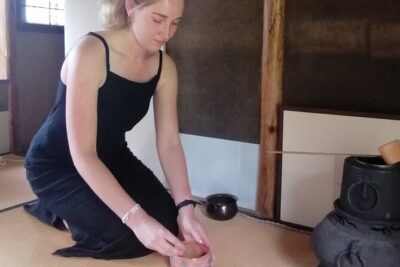
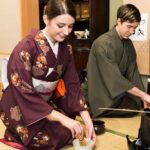
Finally, you’ll perform a second tea ceremony yourself, with guidance. That’s the value piece. Many cultural activities stay at the watching stage. Here, the goal is that you leave with a workable sense of how the ceremony is carried out.
Zen Buddhism Through Art and Architecture, Not Just a Concept
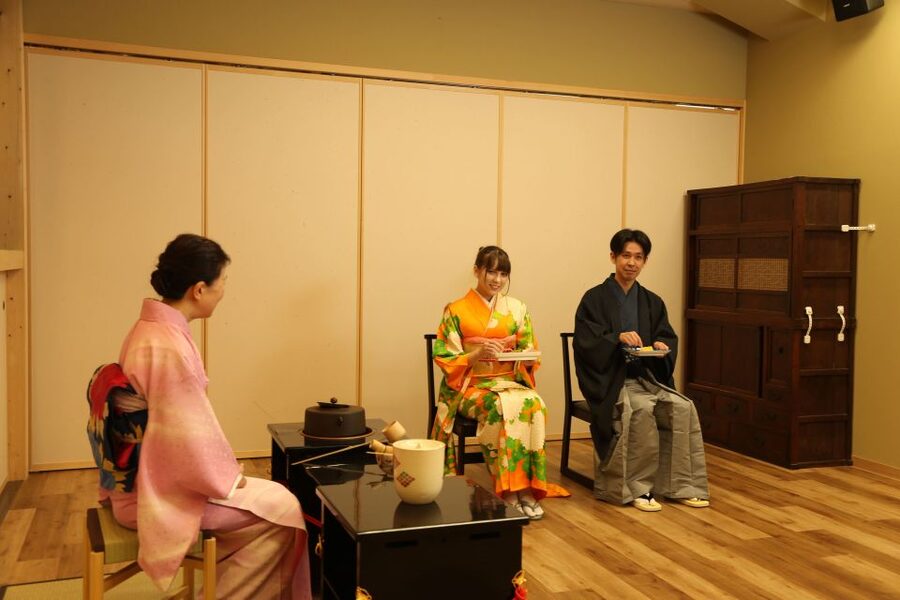
What makes this experience feel different from a basic cooking class or a generic tea tasting is the way Zen is taught. The focus is on the spirit of Zen expressed through Japanese art and architecture, then tied back to the actual tea ceremony movements and utensils.
You’ll learn about the practice of Zen Buddhism and the role it plays in this form of tea. Instead of treating Zen like a slogan, the instructor links it to what you do with your hands, how you manage attention, and how the ceremony creates space for peace of mind.
This is also where your expectations should be realistic. You’re not going to walk out with a full theology degree. But you should come away understanding why the ceremony is practiced the way it is, and why it has meaning in certain parts of Japanese society.
The Parts You Will Do: Utensils, Movements, and Quiet Concentration
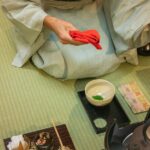
Even if you’re new to Japanese tea culture, you won’t be left guessing. The instructor explains different aspects of the ceremony, including the specific utensils used. You’ll also learn the movements that accompany making matcha and serving tea.
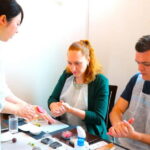
The practical advantage of doing this in a guided setting is control. Your instructor can correct hand positions and timing, and you can ask questions as you go. That turns a cultural performance into a skill you can actually understand.
One detail I’d plan around: the rule against making noise. The experience is designed to be calm, and the class environment is supposed to support that. If you’re someone who needs a very quiet atmosphere to feel relaxed, aim to arrive with that mindset—because even small sounds can be noticeable in shared indoor spaces.
Sitting on the floor is optional
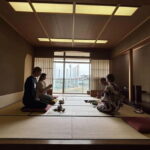
Tea ceremonies are often imagined as floor-only events. Here, you have a choice: seats are available if you prefer not to sit on the floor. And the venue is wheelchair accessible, so the instructor will be working within a setup that supports different body comfort levels.
That doesn’t change the ceremony itself as much as it changes your ability to participate without discomfort taking over your attention. And since the whole point is peace of mind, reducing physical strain is a smart way to help yourself get the most out of it.
Small Group Teaching: Why a Limit of 10 People Matters
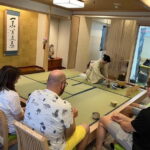
This is a small group format, limited to 10 participants. That number matters because you’re learning a step-by-step practice, and you need to be able to see and hear clearly.
In a larger group, a tea ceremony can become a blur: too many angles, too much distance from the instructor, and not enough time to ask questions. In a 10-person class, you’re more likely to get personalized guidance, and the pacing stays teachable.
The instruction is in English, which is also a big deal. Tea ceremonies include etiquette and fine physical details. Having those explained in a language you understand reduces the risk of missing the why behind the how.
Price and Value: Is $63 Worth It for a Tokyo Zen Tea Ceremony?
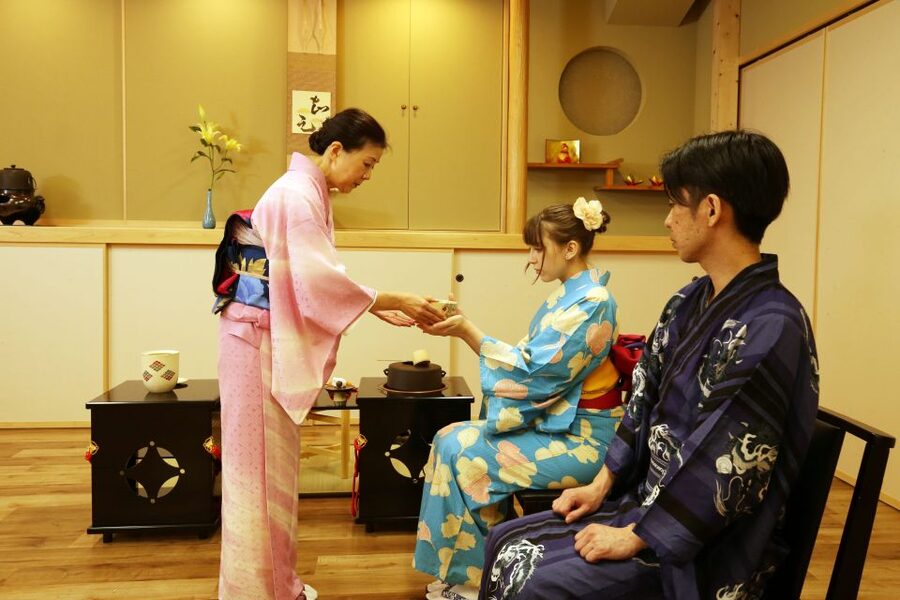
At $63 per person for 75 minutes, you’re paying for more than a cup of tea. The package includes:
- the tea ceremony,
- traditional sweets,
- matcha green tea,
- and a second tea ceremony where you do it yourself.
That second ceremony is what changes the value equation. You’re not only tasting and watching; you’re practicing. So you leave with a real memory plus a sense of what to replicate later, instead of just a photo and a pleasant taste.
Also, you’re getting context: Zen Buddhism, the spirit of Zen through Japanese art and architecture, and how the ceremony connects to parts of Japanese society. That educational angle is part of the price, and it’s tied directly to what you perform.
Transportation is not included, so you’ll want to factor in your own ride or walking time. But once you’re at the building, everything related to the tea instruction is covered.
Who Should Book This, and Who Might Skip It
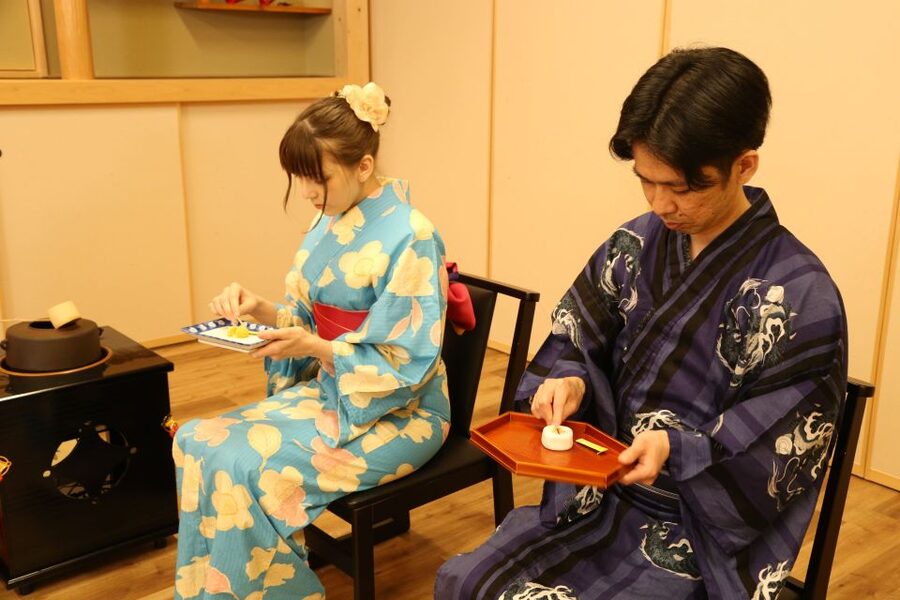
This is a great fit if you want:
- a calm, reflective activity during your Tokyo time,
- hands-on instruction (not only tasting),
- an English-speaking guide,
- and a chance to practice the ceremony yourself.
It’s also a good choice if you’re curious about Zen Buddhism but don’t want a dry explanation. The learning is tied to what you do with utensils and movements, so you can connect ideas to actions quickly.
It’s not suitable for children under 4, and the no-noise rule means you’ll have the best experience if your group can stay quiet and respectful during the ceremony.
If you’re the type who wants a fast, high-energy activity, this won’t feel like that. This is slow and intentional by design.
A Practical Note: Sound and the Zen Mood
One drawback you may want to plan for: the experience may happen in a space where other activities can make noise. That can break the calm the ceremony is trying to create.
If you’re sensitive to sound, I’d take this seriously. Try to arrive ready to focus even if there’s minor background noise. If silence is your top priority, consider scheduling this at a time when you expect fewer distractions, and give yourself a little mental buffer.
Should You Book This Tokyo Zen Tea Ceremony?
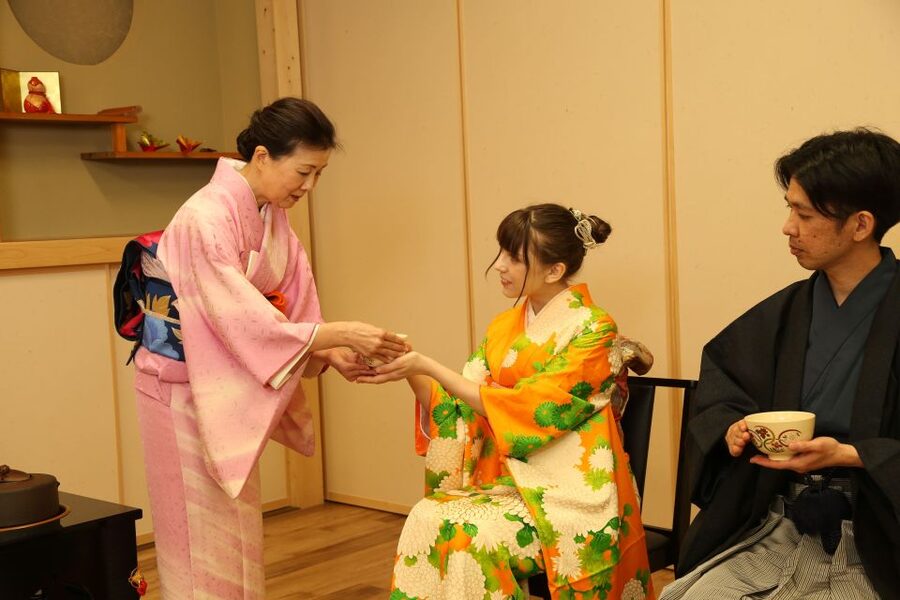
I’d book it if you want a meaningful cultural experience that gives you something tangible at the end: you’ll taste matcha and sweets, learn how utensils and gestures fit together, and then do a second ceremony yourself with guidance.
I’d think twice if you need perfect quiet to feel calm, or if you’re looking for a long event with lots of sightseeing. This is a focused practice session, and the best results come when you lean into the rules and the slower pace.
FAQ
FAQ
Where do I meet the instructor?
Meet your instructor at the main entrance of the Kikai Shinko Kaikan building on the 1st floor. If you can’t find them, go to True Japan Tour, Room B109, on the B1 floor.
How long is the experience?
The experience lasts 75 minutes.
How much does it cost?
The price is $63 per person.
What language is the instruction?
The instructor speaks English.
Is the venue wheelchair accessible?
Yes, it’s wheelchair accessible.
Do I have to sit on the floor?
No. Seats are available for guests who prefer not to sit on the floor.
What’s included in the price?
Included: the tea ceremony, traditional sweets, matcha green tea, and a second tea ceremony performed by yourself.
Is transportation included?
No. Transportation is not included.
Are children allowed?
This experience is not suitable for children under 4 years old.
Is there a cancellation policy or reserve & pay later option?
There is free cancellation up to 24 hours in advance for a full refund. You can also reserve now and pay later (book your spot and pay nothing today).