REVIEW · TOKYO
Tokyo: Private Japanese Traditional Tea Ceremony
Book on GetYourGuide →Operated by Pineapple Co., Ltd. · Bookable on GetYourGuide
Quiet moments happen fast at a tea ceremony.
At Mita Koboji Temple you get a traditional Japanese tea ceremony in a 24-mat tatami room, guided by a kimono-clad teishu. I love the calm, step-by-step pace—making tea yourself with clear instruction—and I also love the cultural layer that comes with the lecture and utensils. The one thing to think about: this is strictly about matcha and wagashi for 60 minutes, so if you want a longer meal experience (or a more dramatic costume moment), it may not match your expectations.
If you’re visiting Tokyo and you want something authentic that’s not just a photo stop, this is a great fit. It’s also designed for visitors: guided activity is available in English and Japanese, and you start and end back at the meeting point at the temple.
In This Review
- Key Highlights You’ll Care About
- A 1,200-Year Setting for Matcha in Mita Koboji Temple
- What Happens During the 60-Minute Tea Ceremony
- Tatami Etiquette, Utensils, and the Why Behind the Ritual
- Wagashi and Matcha Pairing: What You Actually Eat
- Optional Kimono Styling and Oshima Tsumugi Haori
- Price, Timing, and Who This Experience Fits Best
- Practical Tips to Get the Most from Your Ceremony
- Should You Book This Tokyo Tea Ceremony?
- FAQ
- How long is the Japanese traditional tea ceremony?
- Is food included besides matcha and sweets?
- What language is the guidance offered in?
- Is it a private tour or a group tour?
- Can I wear a kimono during the ceremony?
- Where do I meet and where does it end?
- What is the cancellation policy?
Key Highlights You’ll Care About
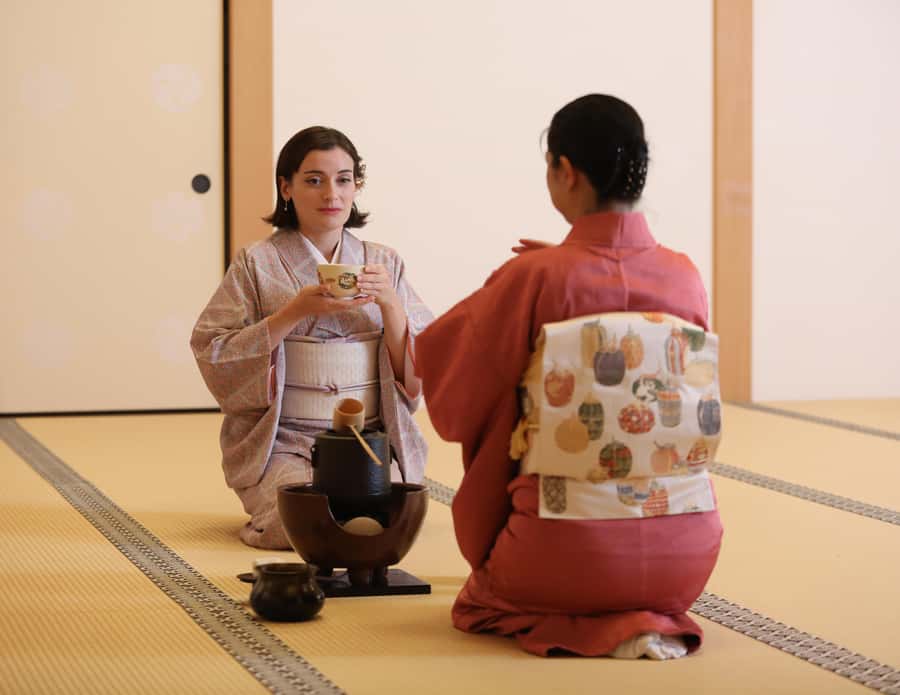
- A 1,200-year-old temple setting at Mita Koboji Temple, quiet and atmospheric
- Hands-on tea making guided by a teishu in a true tatami room
- Matcha + wagashi only, so you focus on the craft, not a heavy itinerary
- Etiquette and utensil explanations that make the ritual make sense
- Optional kimono and Oshima Tsumugi haori for a special styling upgrade
A 1,200-Year Setting for Matcha in Mita Koboji Temple
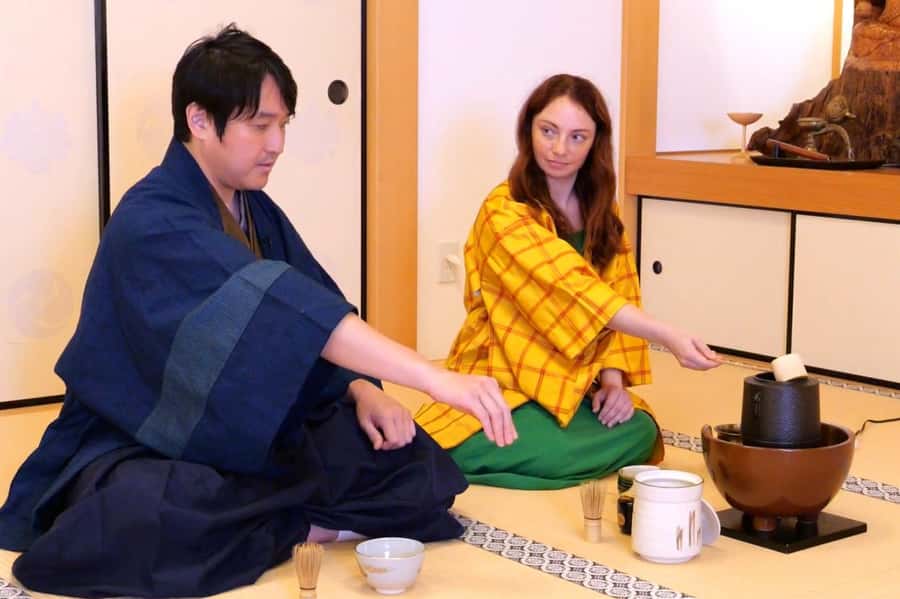
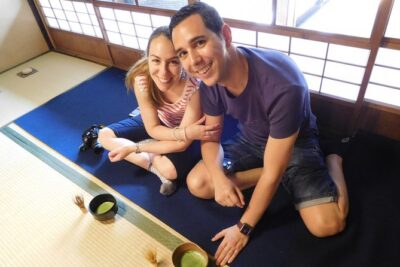
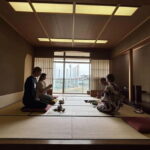
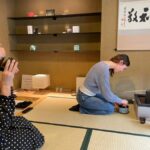
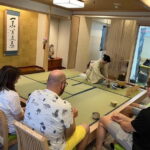
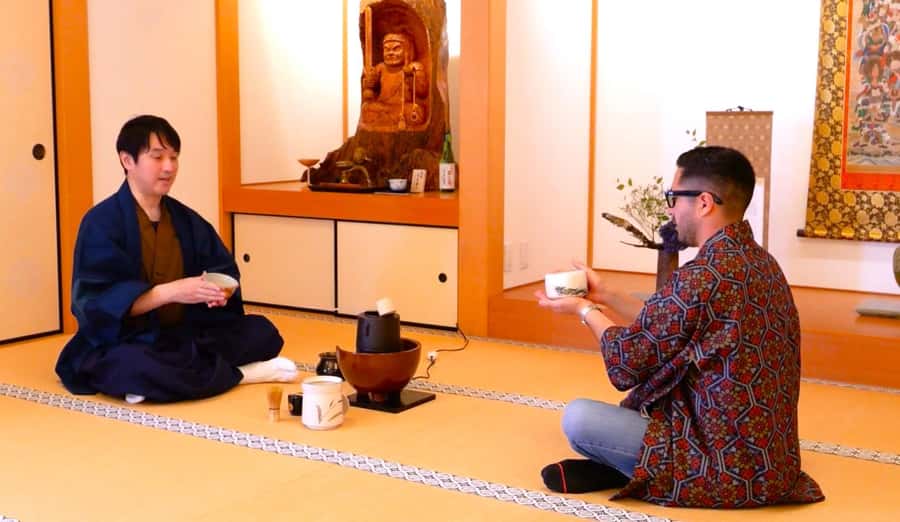
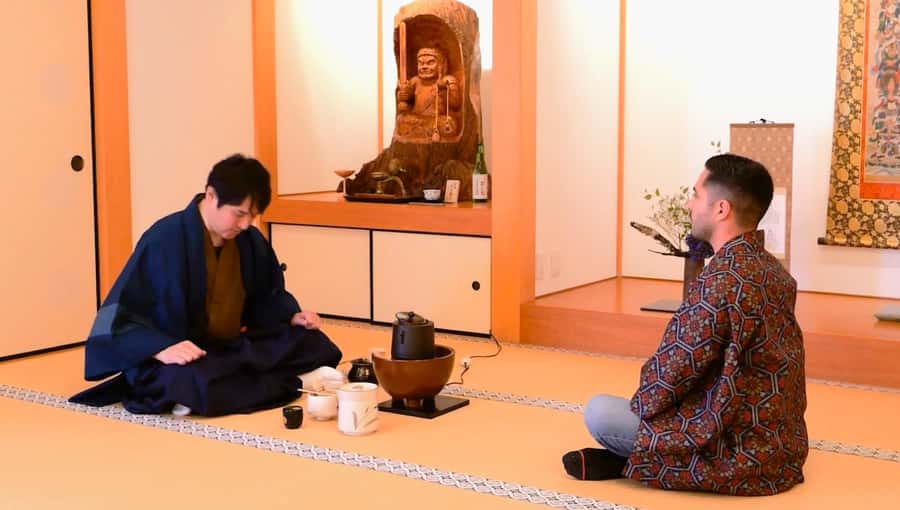
This experience centers on Mita Koboji Temple, a peaceful spot in Tokyo that helps the whole ceremony feel grounded. You’re not moving around a busy shopping area or rushing between stops. Instead, you settle into an authentic indoor setup: a 24-mat tatami room, the kind of space that makes the ritual feel real rather than performed.
The temple context matters because the tea ceremony isn’t only about drinking matcha. It’s about manners, attention, and how people slow down together. When the room is quiet and everyone follows the same pacing, you can actually notice details—how the utensils are handled, how the tea is whisked, how sweets are offered.
Also, since this is a private or semi-private activity, the mood tends to stay focused. You’re there for a cultural moment, not a noisy group event.
You can also read our reviews of more tours and experiences in Tokyo.

What Happens During the 60-Minute Tea Ceremony
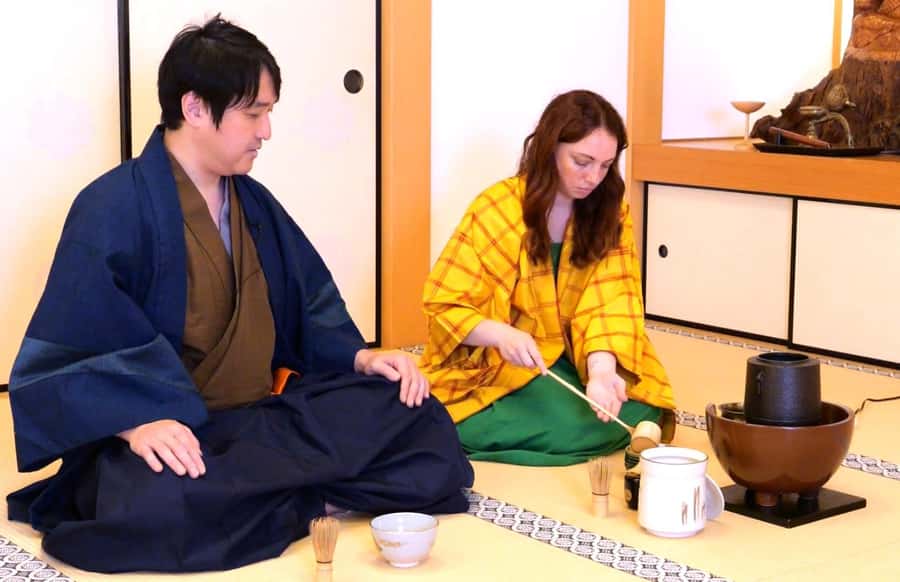
The course runs about 60 minutes, which is long enough to learn the rhythm without feeling trapped. You’ll start with a lecture on tea ceremonies, then move into the practical part: preparing and experiencing the tea.
Here’s what the flow typically feels like:
First, you’ll hear guidance on the tea ceremony basics. That includes what you’re about to do, what utensils are for, and what etiquette matters. Then you move to the tasting portion, where matcha green tea takes center stage.
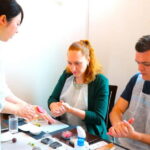
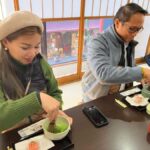
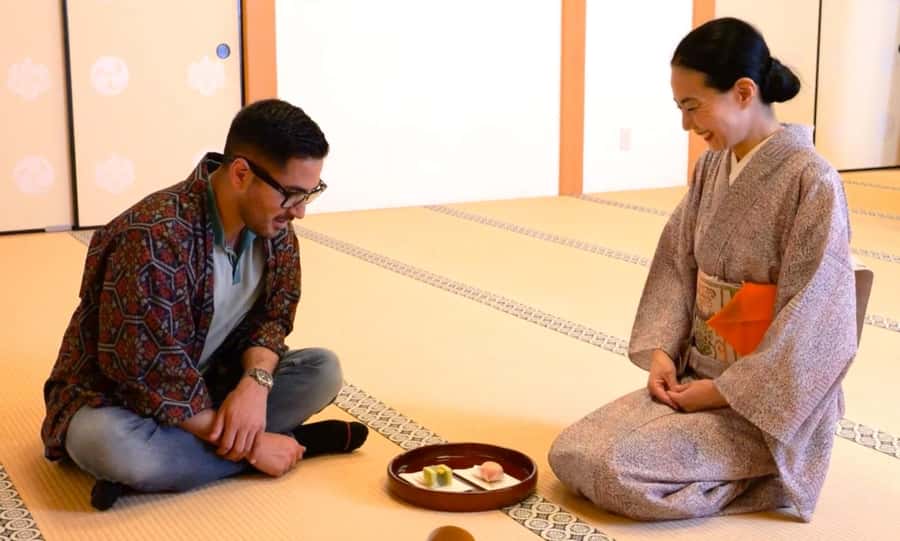
You’ll also get traditional sweets (wagashi) to go with the tea. One nice touch: you’re not only watching. You make tea yourself with the teishu’s guidance, and you’ll get to experience additional tea as part of the ceremony rhythm.
Duration is important here. Some visitors assume it’ll stretch into a long cultural program. It doesn’t. If you want to leave time to explore the rest of Tokyo afterward, this is actually a good length.
Tatami Etiquette, Utensils, and the Why Behind the Ritual
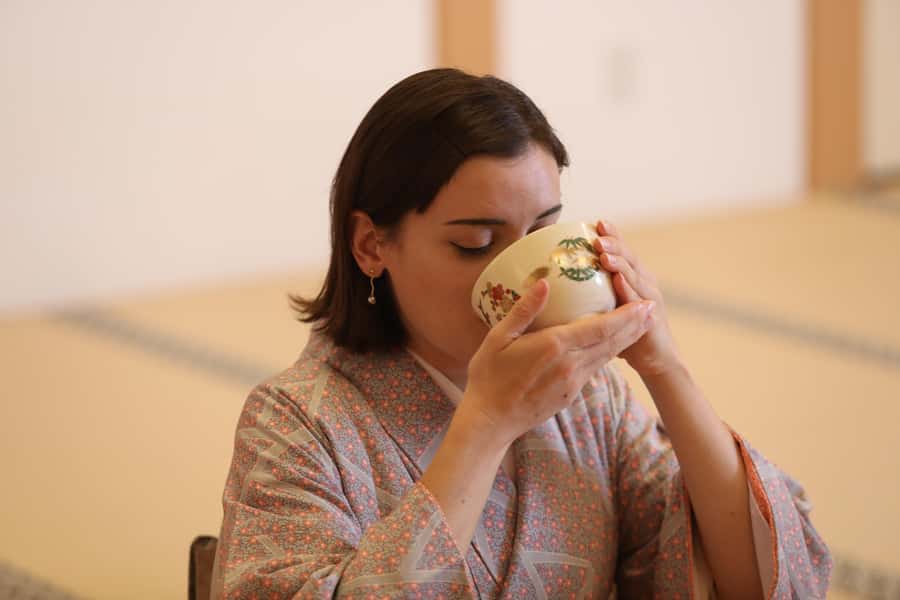
The best tea ceremonies teach you more than steps. They teach you why the steps exist.
In this one, the experienced teishu explains the special utensils and shows how to handle them properly. You’ll learn etiquette—how to move, when to pause, and how to participate respectfully. That might sound formal, but the tone is usually gentle. The goal is to help you do it correctly without stress.
You’ll also hear historical context. The tea ceremony originated in samurai culture and was once considered a high-form entertainment. Hearing that while you’re sitting on tatami helps you connect the dots: this was never just a drink ritual. It was a performance of hospitality, discipline, and calm.
If you care about cultural authenticity, this is a big plus. Etiquette is part of the experience, not an afterthought. And once you understand the logic, the whole thing feels less like rules and more like a shared conversation made with objects and gestures.
Wagashi and Matcha Pairing: What You Actually Eat
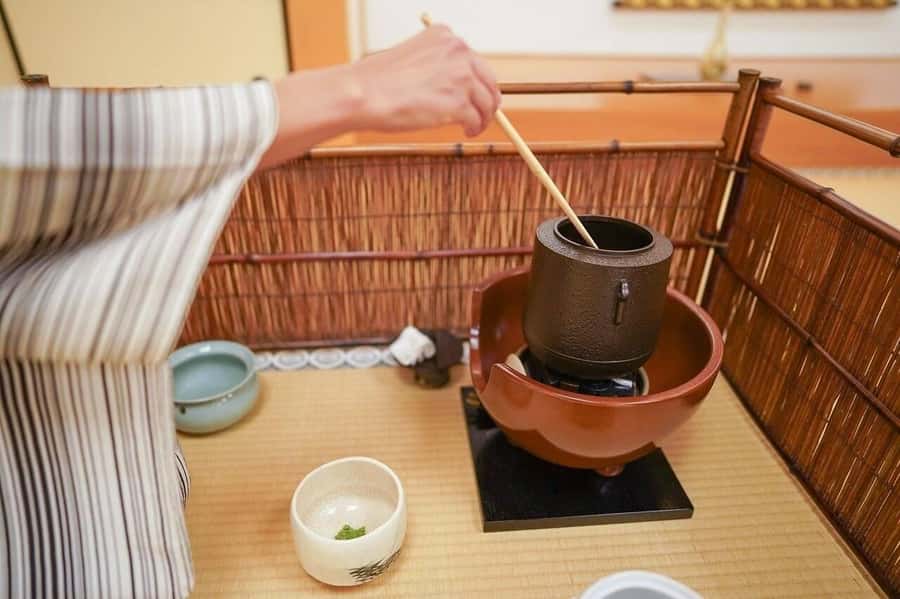
This ceremony is very specific about what’s included: matcha green tea and Japanese sweets (wagashi). There are no other meals.
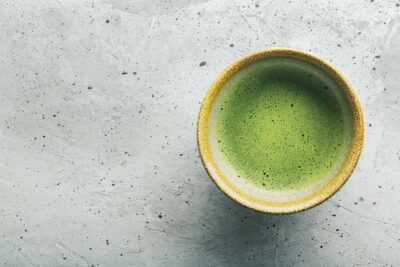
That matters for expectations. Wagashi is designed to balance tea—often not in a sweet-and-sugar way, but in texture and timing. Matcha is grassy, earthy, and intense. Wagashi is typically lighter and shaped for the season or the mood of the moment, which keeps the experience from feeling repetitive.
You’ll eat the sweets as part of the ceremony rhythm, not at a separate dessert break. That’s one reason the tasting feels special. You’re not rushing through it while checking your phone. You’re taking the ceremony at a human pace.
Because it’s only matcha and wagashi, you’ll want to plan your food around it. If you skip lunch or dinner, you might still be fine, but this isn’t a meal. It’s a craft and a tasting session.
Optional Kimono Styling and Oshima Tsumugi Haori
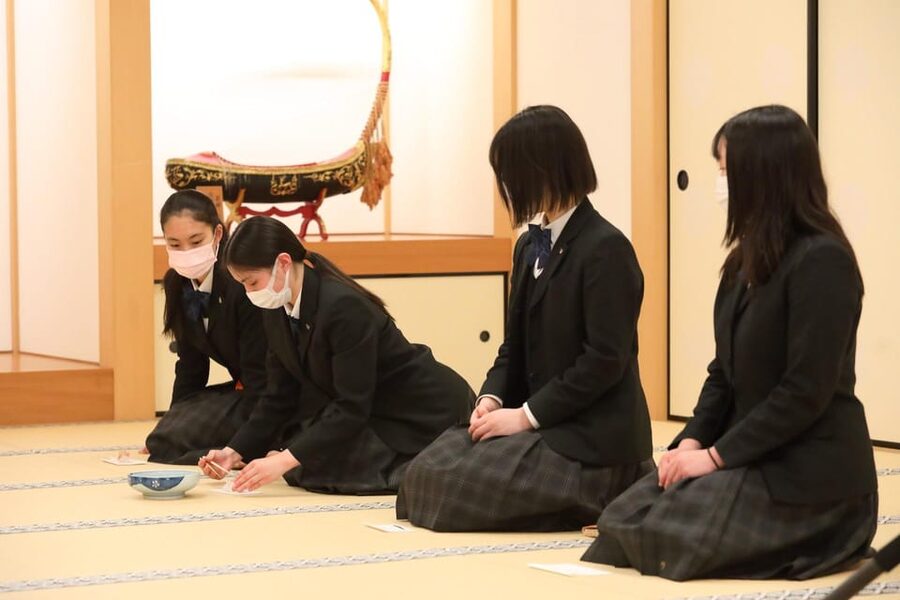
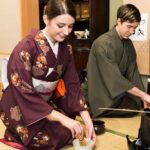
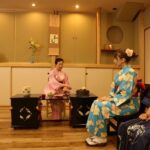
You can make this experience more visually memorable with optional clothing add-ons. You can choose a traditional kimono, and there’s also the rare Oshima Tsumugi haori.
Oshima Tsumugi is described as a luxurious silk textile: mud-dyed for rich color, woven with kasuri patterns, and known for a lightweight, supple drape. In plain terms, it’s the kind of garment that makes you look like you belong in a film set—even if you just walked in from a Tokyo sidewalk.
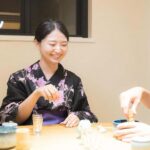
Important practical detail: a certified kimono master will dress you comfortably over a T-shirt or kimono undergarment. So you don’t need to arrive with a full costume setup. You can show up in everyday clothes and let the dressing happen for you.
One consideration: some people can feel let down if they expected a more expansive kimono experience than what’s included. If dressing and photos are your main goal, double-check exactly what’s available in the styling options you select, and match your expectations to that.

Price, Timing, and Who This Experience Fits Best
The price is listed at $74 per person for a 60-minute private or semi-private ceremony at a temple. That’s not a budget activity. So you’ll want to judge it on value, not just cost.
Here’s what you’re paying for:
- A real tatami-room ceremony at a temple (not a staged demo space)
- Guided instruction with utensil handling and etiquette
- Hands-on participation in making tea
- Included matcha and wagashi
- Optional kimono styling upgrades (if you add them)
Where this price feels fair is if you want a cultural experience that’s calm, guided, and easy to do correctly. The English support helps a lot, especially if you don’t know the etiquette.
Where it might feel expensive is if you wanted a longer time block, more food, or a broader entertainment program. Also, if you’re going mainly for the costume look but the included styling doesn’t match what you imagined, you’ll feel that mismatch quickly.
This tour is a strong match for:
- Couples, friends, and solo travelers who like structured learning
- People who want a quiet Tokyo experience away from crowds
- Anyone interested in matcha culture and Japanese manners
- Visitors who want a temple setting with guidance, in English
If you’re the type who hates rules and timing, you might still enjoy it—but you’ll need to go with a relaxed mindset and accept that etiquette is part of the point.
Practical Tips to Get the Most from Your Ceremony
Since the ceremony is short and focused, a few habits will help you enjoy it more.
Wear something comfortable. You’ll be dressed over a T-shirt or undergarment if you choose kimono-related options. That means you don’t need complicated prep, but you should still keep it simple. Loose, easy clothing tends to work best.
Arrive with a calm head. This experience is about slowing down. If you treat it like a race to get photos, you’ll miss the best part. Watch how the teishu guides pacing. Then follow it.
Ask questions during the parts that allow it. The experience includes guidance in English and Japanese, so you can get clarification on utensils, etiquette, or what you’re tasting. If you’re curious about matcha and wagashi pairing, this is the moment to use that.
Finally, go in with the right food expectations. It’s matcha and Japanese sweets only. If you want a full meal, plan that separately around your ceremony time.
Should You Book This Tokyo Tea Ceremony?
I think it’s worth booking if you want an authentic, guided tea ceremony in a real temple setting, with clear instruction and included tasting. The calm pacing, hands-on tea making, and the etiquette explanations are the core strengths here. Even better, you can do it comfortably with English support.
Skip or reconsider if you’re looking for a long, multi-course food experience or you mainly want a big, high-drama kimono moment and aren’t sure the styling options match what you expected. In that case, confirm what add-ons you’re selecting before you pay.
If you do book, treat it as a cultural reset. Sit down. Breathe. Let the tea ceremony teach you how to slow your day down.
FAQ

How long is the Japanese traditional tea ceremony?
The experience lasts about 60 minutes.
Is food included besides matcha and sweets?
No. You’ll have matcha green tea and Japanese sweets (wagashi) only. Other meals are not included.
What language is the guidance offered in?
Guided activity is available in English and Japanese.
Is it a private tour or a group tour?
It’s listed as a private or semi-private experience.
Can I wear a kimono during the ceremony?
You can choose traditional kimono styling as an optional add-on, and you can also choose the Oshima Tsumugi haori as an optional add-on. A certified kimono master will dress you comfortably over a T-shirt or kimono undergarment.
Where do I meet and where does it end?
You start at Mita Koboji Temple and the activity ends back at the meeting point.
What is the cancellation policy?
You can cancel up to 24 hours in advance for a full refund.