REVIEW · TOKYO
Tokyo Traditional Tea Ceremony with a Japanese Tea Master
Book on Viator →Operated by Sunrise Adventure · Bookable on Viator
First time I walked into a Japanese tea room, I was surprised how much happens in an hour. This one teaches you the real why behind the cups, not just the how, with a Japanese tea master guiding you through multiple tea tastings and a hands-on matcha making session. You start with wakocha and cake, move through higher-grade green tea with seasonal wagashi, then finish with a Genmaicha finale and a keepsake certificate.
I especially like that you taste and compare several teas from different regions and styles, including Gyokuro sencha and Genmaicha with roasted rice. I also like the format: small group size (up to 12) and lots of chances to ask questions while you learn what changes the flavor, including brewing details like water temperature. One possible drawback: if you were hoping for a long, fully formal ceremony with floors, silence, and that movie-scene vibe, this is more of a guided tasting-and-workshop experience that’s still traditional, just less staged and less drawn out.
In This Review
- Key Things to Know Before You Go
- A Matcha-Making Tea Lesson You Can Actually Use
- Ocharu Tea Ceremony Room: Tokyo University’s Neighborhood Advantage
- Start With Wakocha and Tea Cake: Training Your Nose and Tongue
- Gyokuro Sencha and Wagashi From Ougiya: Taste the Difference Grade Makes
- Matcha Making Session: Whisk It Yourself (Then Drink It)
- Genmaicha Finale: The Comfort Cup Before You Leave
- Small-Group Size and the Real Value of Q&A
- Price and Value: What You’re Paying For at $33.03
- What You Receive When It’s Over
- Who This Tea Ceremony Workshop Is Best For
- Should You Book This Tokyo Tea Ceremony With a Tea Master?
- FAQ
- What is the duration of the Tokyo tea ceremony experience?
- Where does the tea ceremony take place?
- How much does the experience cost?
- What will I learn and do during the session?
- What teas are included?
- Do I get any souvenirs or keepsakes?
- Is travel to and from the tea room included?
- Is this experience small group?
- What is the cancellation policy?
Key Things to Know Before You Go
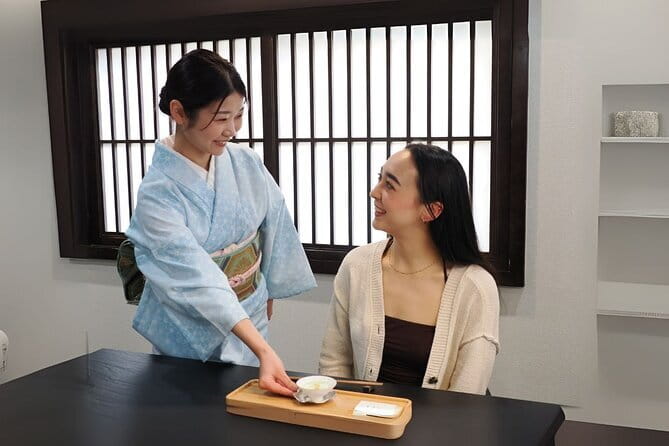
- You’ll taste a lineup, not just one tea: wakocha, Gyokuro sencha, seasonal wagashi pairings, matcha you whisk yourself, and a Genmaicha finale.
- Matcha is hands-on: you’ll use traditional tools to whisk it and drink it as part of the lesson.
- Pairings matter: tea cake at the start and seasonal wagashi sweets from Ougiya are chosen to complement the flavors.
- Small group, lots of Q&A: with a maximum of 12 travelers, you’re not stuck watching from the back row.
- You leave with proof: you’ll get a certificate of completion plus a group photo to take home.
A Matcha-Making Tea Lesson You Can Actually Use
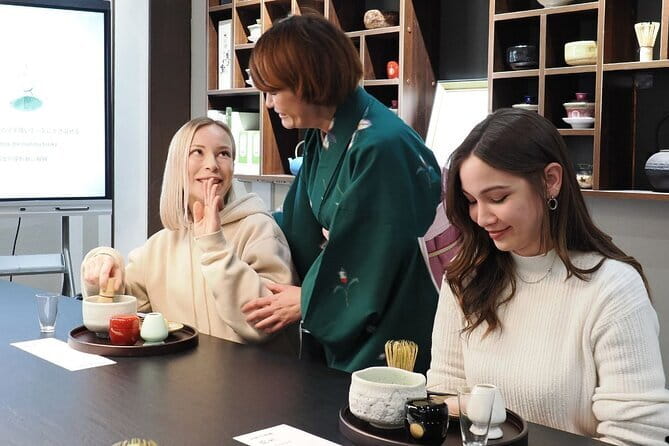
If you think of a tea ceremony as just a pretty ritual, you’re going to have a good surprise. This experience is built around practical learning—how the tea is brewed, how flavors shift, and what to notice as you taste.
What I like most is that you leave with something you can repeat at home: the basic rhythm of preparation for matcha, plus a sharper sense of how tea grade and brewing choices affect what’s in your cup. You’re not just checking a box; you’re building a little taste map.
And yes, you’ll drink several cups of tea. That matters because the comparisons are the lesson.
You can also read our reviews of more tours and experiences in Tokyo.
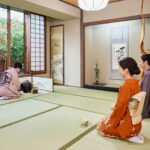
Ocharu Tea Ceremony Room: Tokyo University’s Neighborhood Advantage
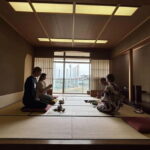
Your session happens at Ocharu Tea Ceremony, located right across from Tokyo University in Bunkyo (meeting point: OCHARU6-chōme-2-10 Hongō, Bunkyo City, Tokyo 113-0033). The location is a big help when you’re trying to fit this into a day of sightseeing.
It’s also near public transportation, so you’re not forced into a long walk or an awkward transfer plan. The experience ends back at the meeting point, which keeps the logistics simple when you’re switching neighborhoods.
One small thing to plan for: you’ll want to arrive a bit early so you’re seated and ready when the lesson starts. If you’re the type who hates waiting, this is one stop where being prompt makes the hour feel smoother.
Start With Wakocha and Tea Cake: Training Your Nose and Tongue
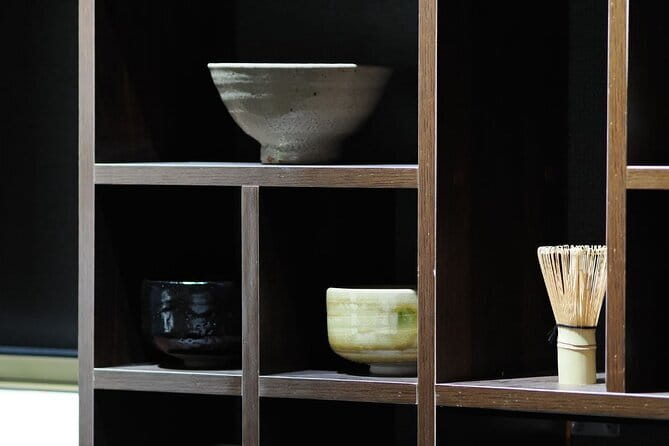
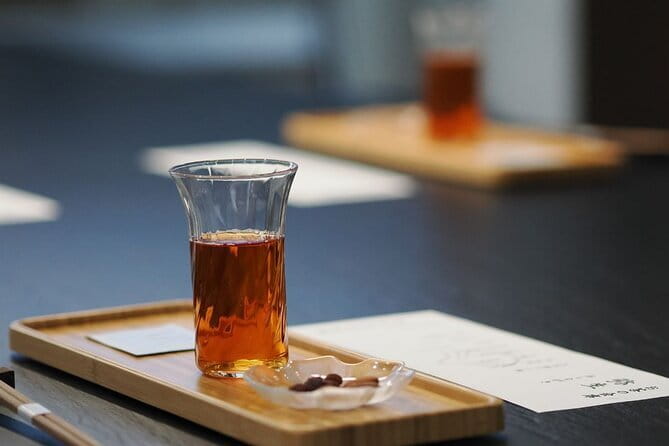
You kick off with wakocha, a Japanese black tea from Shizuoka, paired with a tea cake. This first cup isn’t just a warm welcome; it sets your palate for what comes next.
Black tea and green tea taste very different. Starting with wakocha gives you an easy baseline, so when you move into higher-grade green tea later, you’ll notice more than you would if you jumped straight to matcha.
The tea cake also gives you something comforting and familiar in the middle of a very Japanese lesson. It’s a good move for first-timers, and it helps keep the hour relaxed instead of overly formal.
Gyokuro Sencha and Wagashi From Ougiya: Taste the Difference Grade Makes
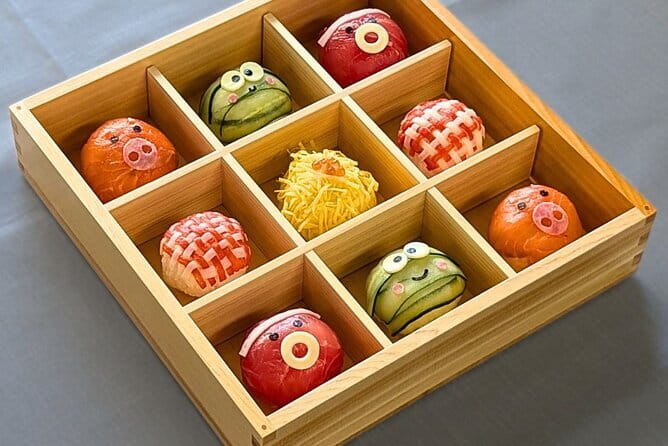
Next, you’ll watch your tea master brew Gyokuro sencha, described as the highest grade of green tea, and then taste the leaves and the finished tea. This is where the experience starts to feel more like a craft workshop.
Gyokuro tends to be smoother and more layered than everyday green tea, and the lesson helps you understand why. You’ll get a chance to taste the tea leaves themselves, which is a smart way to train your attention: the flavor you expect in the cup has a physical source in the leaf.
You’ll also enjoy seasonal wagashi sweets from Ougiya, a confectioner with generations of experience. Pairings are part of the cultural point here—sweetness and texture aren’t random, they’re chosen to balance what the tea is bringing to the table.
If you like to learn by doing, you’ll appreciate the small, sensory moments: tasting, comparing, and adjusting what you notice as the flight moves along.
Matcha Making Session: Whisk It Yourself (Then Drink It)
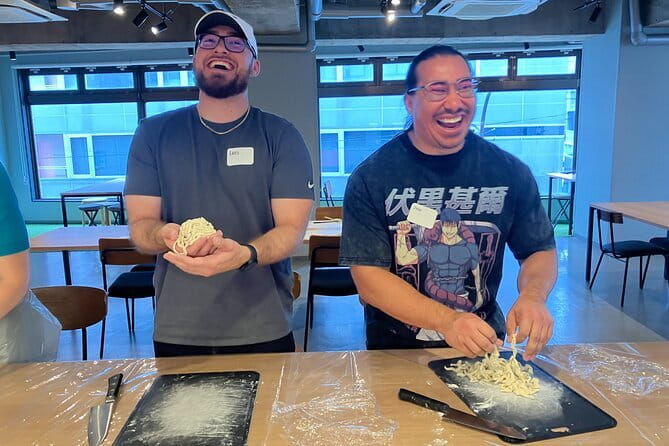
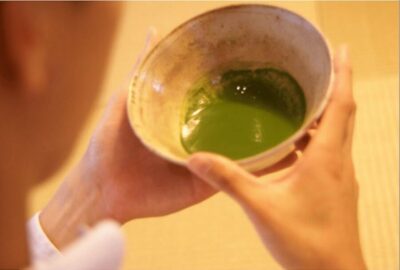
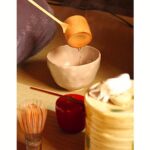
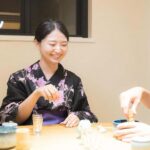
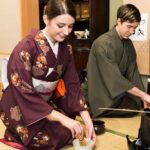
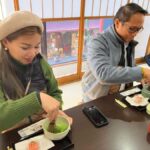
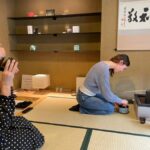
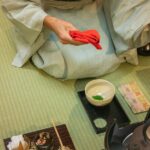
Then comes the main event: you’ll whisk your own matcha under guidance using traditional tools. This is the point most people come for, and it’s also the part that turns the lesson from informational to memorable.
You’ll learn how to prepare matcha in a way that respects the process—how you handle the powder, how you whisk, and how the finished matcha should look and taste. In a shorter session like this, the guidance focuses on the essentials, so you’re not stuck in a long ceremony you can’t follow.
This is also where brewing details show up. Some participants mention learning how water temperature affects brewing, and that fits perfectly here: tea is sensitive. Even if you never make everything at home, you’ll walk away knowing that the cup depends on choices, not luck.
One more thing I like about matcha workshops: you get instant feedback. If it’s too thin, too foamy, or doesn’t taste right, you feel it immediately and learn what to adjust.
Genmaicha Finale: The Comfort Cup Before You Leave
You finish with Genmaicha, a blend of sencha and roasted rice from Niigata Prefecture. Think of it as the soothing exhale after learning several styles of tea.
Roasted rice brings a nutty, comforting quality that softens the sharper edges of green tea. It’s a great final flavor because it helps you end the hour without your taste buds feeling overloaded.
This finale also gives the lesson a clear shape: start with one tea style, shift to a high-grade green tea with wagashi, make matcha yourself, then calm everything down with Genmaicha.
Small-Group Size and the Real Value of Q&A
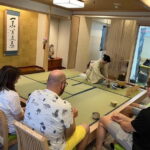
This is a small-group experience with a maximum of 12 travelers, and the format is built for questions. That matters because tea ceremonies often get explained with fancy words, while real learning happens when you can ask what something means and taste the answer.
You’ll likely move at a steady pace through each tea course, with time for tasting and conversation. At an hour long (approx.), it’s long enough to feel taught, but short enough that you can keep it as one solid activity in your Tokyo day.
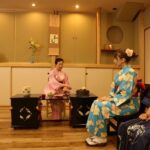
From what the experience highlights, you’re also given access to the tea ceremony room, so you’re not doing this as a rushed demonstration in a hallway.
Price and Value: What You’re Paying For at $33.03
At $33.03 per person for about an hour, you’re paying for more than a single cup of tea. You’re paying for guided tasting of several teas, an included welcome cake, seasonal wagashi pairing, hands-on matcha preparation, and structured explanations that help you understand what you’re drinking.
You also get take-home value: a certificate of completion plus a souvenir group photo. Those extras don’t sound huge, but they turn the experience into something you can remember beyond a blurry picture and a vague Instagram caption.
The value is strongest if you’re the type who wants meaning with your sightseeing. If your goal is only to drink and move on, you might find the time and structure less satisfying than a casual café tea stop.
But if you want a teach-me-fast cultural activity in Tokyo, this price is pretty reasonable for the amount of guided food-and-tea included.
What You Receive When It’s Over
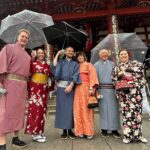
Before you leave, you’ll get a certificate of completion plus a group photo to remember your tea lesson. It’s a simple souvenir, but it’s also proof you did something hands-on instead of just watching.
The certificate works especially well if you like collecting small tokens from different neighborhoods and cultural activities. The group photo is handy because you’re likely to take way more photos of Tokyo than of yourself while you’re traveling.
You’ll also have access to the tea ceremony room during the experience, which makes the whole thing feel properly set up rather than improvised.
Who This Tea Ceremony Workshop Is Best For
This is ideal if you want a cultural activity that’s relaxed, friendly, and practical. It’s also a good pick if you enjoy food pairings and you like comparing flavors across a guided tasting.
If you’re traveling with family or friends who don’t want something too intense or overly long, the one-hour timing is a plus. If you hate vague tours where you get generic facts, the hands-on matcha and tasting comparisons give you something concrete to focus on.
It may be less ideal if you’re specifically chasing a fully formal, multi-hour ceremony style. This is still traditional and taught with care, but it’s designed as an enjoyable workshop rather than a strict, lengthy ritual performance.
Should You Book This Tokyo Tea Ceremony With a Tea Master?
I think you should book it if you want an hour of real learning with tea you can taste and tools you can use. You’ll leave with better instincts about matcha and green tea, not just a memory of sipping something nice.
I’d skip it only if you’re expecting a movie-perfect, ultra-formal ceremony that takes hours, or if you know you don’t enjoy tasting multiple foods and teas in one sitting. Also, if you strongly need clear instruction in your preferred language, confirm that details ahead of time so you’re not stuck trying to follow a lesson on the fly.
If you’re in Tokyo and want something authentically Japanese that doesn’t require special planning, this is a strong, low-stress choice.
FAQ
What is the duration of the Tokyo tea ceremony experience?
It runs for about 1 hour.
Where does the tea ceremony take place?
The meeting point is OCHARU6-chōme-2-10 Hongō, Bunkyo City, Tokyo 113-0033, Japan, at the Ocharu Tea Ceremony location.
How much does the experience cost?
The price is $33.03 per person.
What will I learn and do during the session?
You’ll taste several Japanese teas, including a matcha making session where you whisk matcha using traditional tools.
What teas are included?
The experience includes a welcome cup of wakocha, Gyokuro sencha tasting, seasonal wagashi sweets, and a finale of Genmaicha.
Do I get any souvenirs or keepsakes?
Yes. You’ll receive a certificate of completion and a souvenir group photo.
Is travel to and from the tea room included?
No. Travel to and from the tea ceremony room is not included.
Is this experience small group?
Yes. It has a maximum of 12 travelers.
What is the cancellation policy?
Free cancellation is available up to 24 hours in advance for a full refund. If you cancel less than 24 hours before the start time, the amount paid is not refunded.