REVIEW · TOKYO
Tea Ceremony Experience in a Private Tea Room in Shibuya
Book on GetYourGuide →Operated by EAST GREEN MATCHA · Bookable on GetYourGuide
A calm pause in loud Shibuya. In a private tea room near Shibuya Station, you learn the rhythm of a traditional Japanese tea ceremony and taste rare organic matcha in a setting that feels worlds away from the street noise.
I especially like the EAST GREEN MATCHA matcha you’ll try, described as coming from just 2% of the harvest in Japan, which matters because it’s what you actually feel in the cup. I also like the pairing with wagashi made by a long-established shop with over 200 years of history.
One consideration: there’s no toilet in the tea room, so plan your stop before you arrive at Tea Room Kakoi.
In This Review
- Key things to know before you go
- Shibuya tea ceremony, minus the theater
- Finding Tea Room Kakoi from Shibuya Station
- The opening talk: ceremony, matcha, and how to respect the tools
- Taste the rare matcha, then pair it with wagashi
- Your matcha-making session: learn the steps that change the flavor
- The calm factor: what the private room feels like in practice
- Questions, answers, and souvenir matcha shopping
- Price and value: what $30 really covers
- Who should book this Shibuya tea ceremony
- Should you book Tea Room Kakoi in Shibuya?
- FAQ
- How much does the Shibuya tea ceremony cost?
- Where do I meet the guide?
- Is the tea room easy to reach from Shibuya Station?
- What languages are offered?
- Is there a toilet in the tea room?
- Can I buy matcha or tea tools after the ceremony?
- Who is this experience not suitable for?
Key things to know before you go
- Meet at The OneFive Tokyo Shibuya hotel and head over on foot (about an 8-minute walk from Shibuya Station)
- Tea Room Kakoi is a quiet private space in the middle of the city, not a big public show
- You taste EAST GREEN MATCHA organic matcha, noted as 2% of Japan’s harvest
- You get traditional wagashi from a shop with 200+ years of history
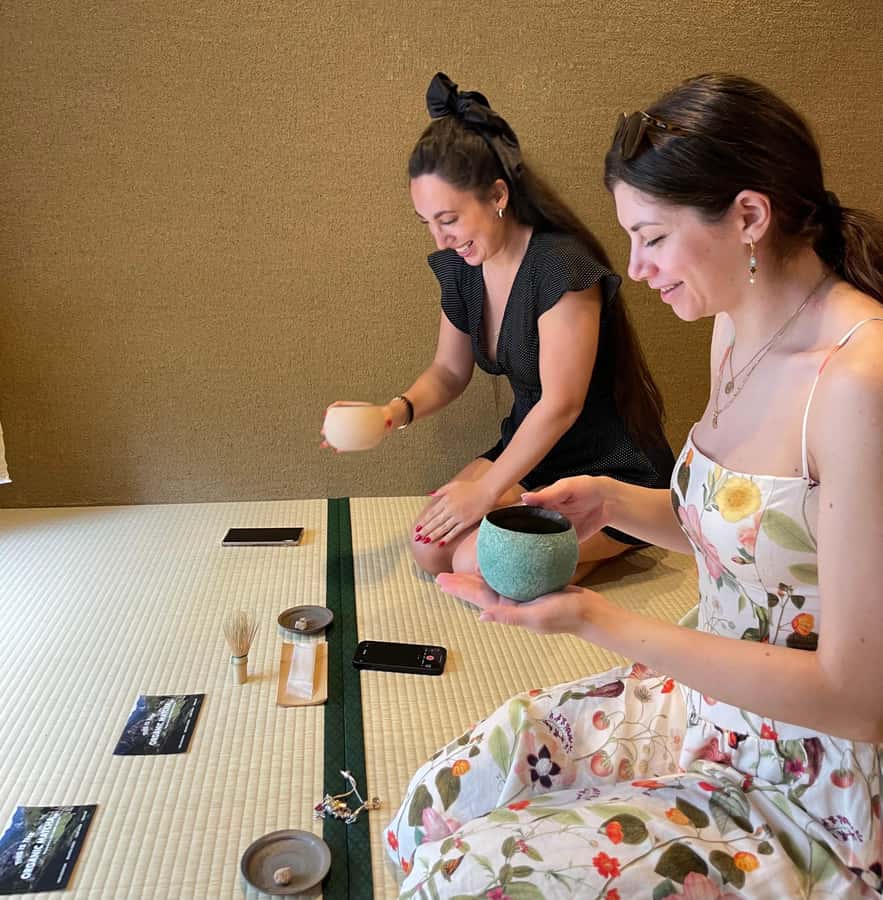
- You do a matcha-making session with guidance in English or Japanese
- You can purchase organic matcha and original tea tools at the end if you want a souvenir
Shibuya tea ceremony, minus the theater
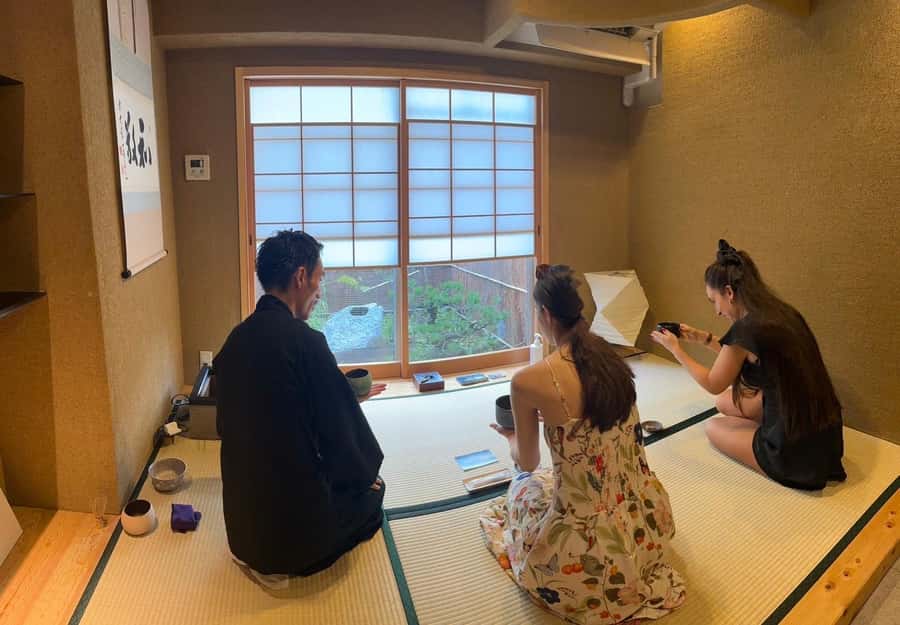
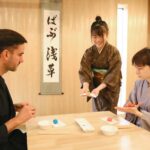
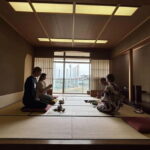
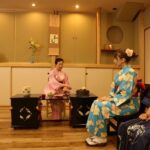
Shibuya is all sidewalks, signage, and people moving fast. That’s exactly why this kind of experience works so well: you walk in and the pace changes. Tea Room Kakoi is designed for calm, with a private feeling that makes the ceremony feel practical—not like you’re watching a performance and then rushing out.
The core idea here is that you don’t just drink matcha; you learn what the ceremony is trying to teach you: attention, respect for tools, and a repeatable way to whisk and serve. You’ll start with a guided explanation of the tea ceremony and the history behind matcha production, then you’ll taste, then you’ll make your own.
For me, the biggest value is that the lesson isn’t just cultural storytelling. It’s also technique. Even if you only take away a few steps—how to whisk, how to slow down, how to drink properly—you’ll feel like you gained something that lasts longer than a photo.
You can also read our reviews of more tours and experiences in Tokyo.
Finding Tea Room Kakoi from Shibuya Station
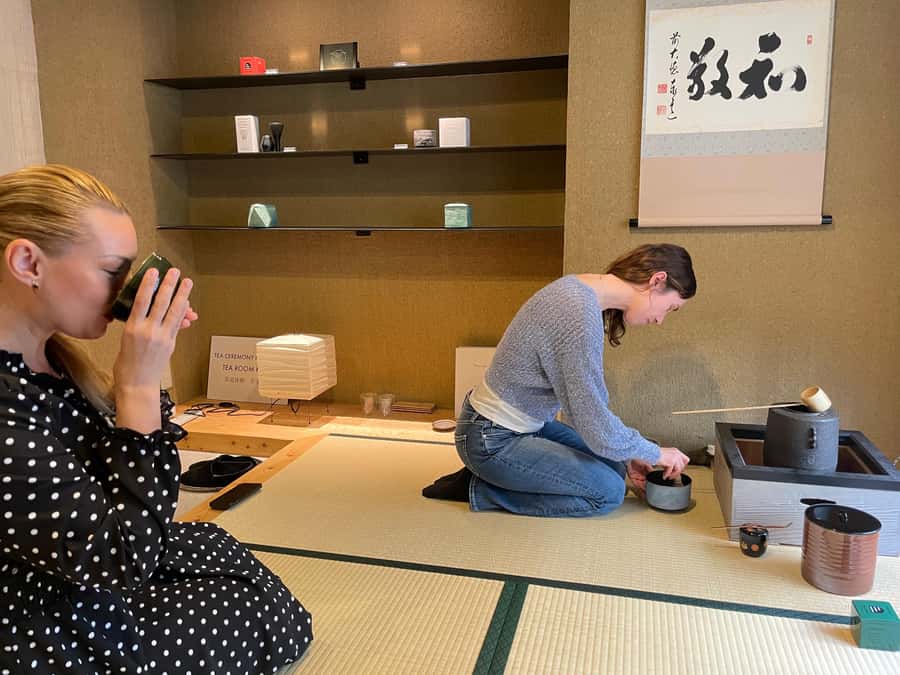
Your meeting point is simple: The OneFive Tokyo Shibuya hotel (1-8-11 Jinnan, Shibuya-ku). The guide will be at the front entrance holding a sign board that says TEA ROOM KAKOI, so you can match the group fast.
From Shibuya Station, it’s about an 8-minute walk. I like that timing because you’re not committing to a long transfer after a day of Tokyo walking. It also means you can pair this with nearby stops like Hachiko, Meiji Shrine, or the Shibuya Scramble Crossing—without needing a whole extra transit plan.
Practical tip: if it’s your first time in Shibuya, give yourself a little buffer. You’re meeting at a hotel entrance, and Shibuya can be busy even when the tea room itself will be quiet.
The opening talk: ceremony, matcha, and how to respect the tools
Before you touch anything, you’ll get an explanation of the traditional Japanese tea ceremony and the background of matcha—how it’s produced and why it became such an important part of Japanese culture (and later, global wellness culture). The point of this isn’t trivia dumping. It helps you understand what you’re about to do: why there are specific steps, why the utensils matter, and why the mood is part of the ritual.
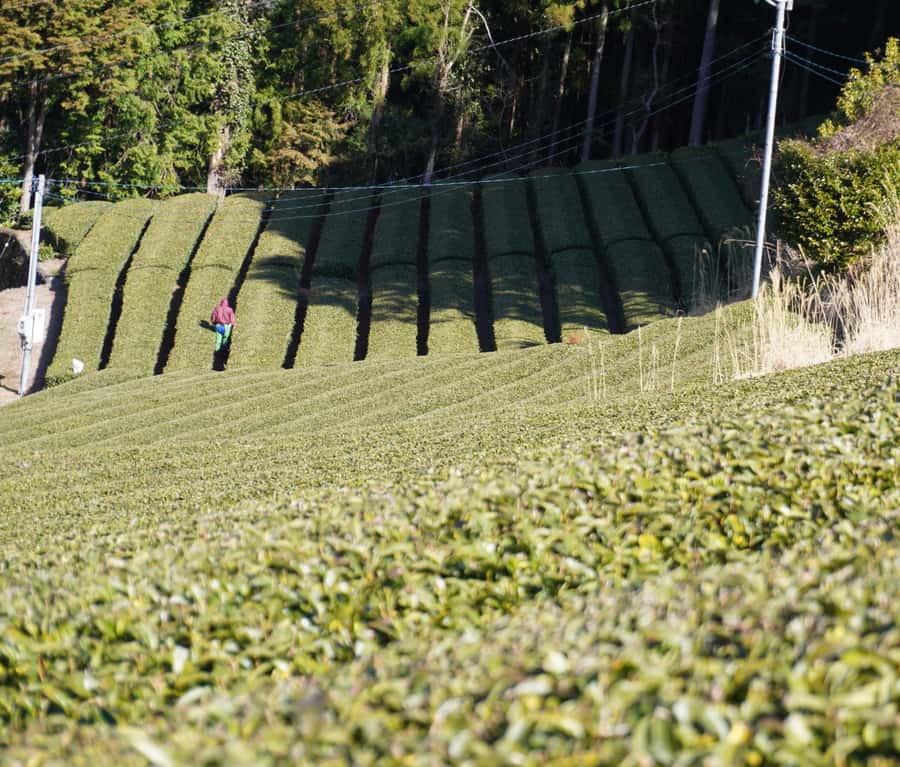
The host also frames matcha as an agricultural product you can actually connect to the cup. EAST GREEN MATCHA is highlighted as a premium organic matcha brand, and you’ll hear why that sourcing approach matters—especially the claim that their matcha comes from only 2% of the harvest in Japan.
Then comes the hands-on portion. You’ll move from listening to doing in a formal tea ceremony style, which keeps the session structured and not just casual sipping.
Taste the rare matcha, then pair it with wagashi
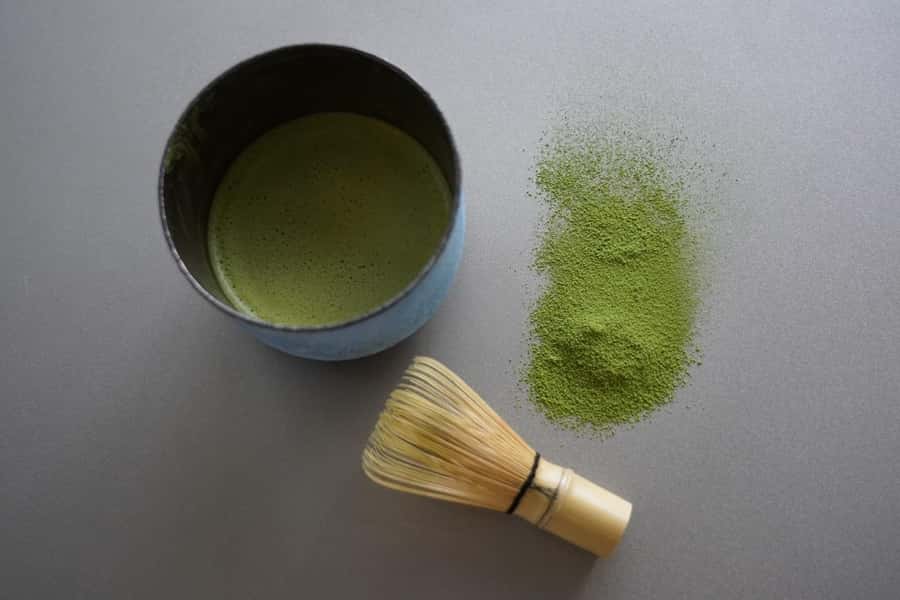
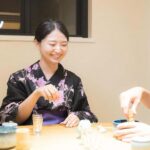
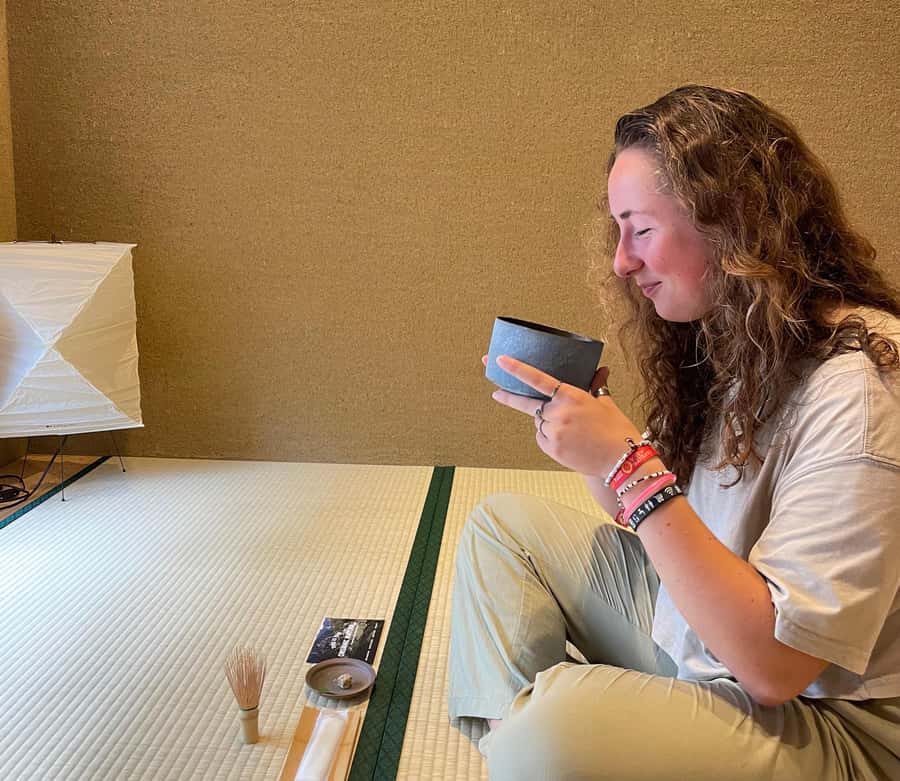
The ceremony culminates in a proper serving of high-grade organic matcha. You’re not getting a generic latte-style experience here. You’re tasting matcha the way it’s meant to be: with attention to texture, aroma, and the feel of the drink as it settles.
Matcha includes caffeine, so it’s not a sleepy herbal tea. If you’re sensitive to caffeine, you may want to treat this like a coffee moment rather than a nightcap.
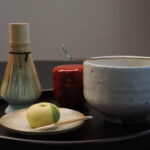
You also get traditional sweets (wagashi). The wagashi is described as coming from a shop with over 200 years of history, and it’s served alongside the matcha as part of the balance. That matters because matcha and sweets together show off why the ceremony is designed as a sequence, not a single product tasting.
From the reports I’ve drawn from, one standout detail is how people react to the quality in the cup. The froth is described as very well done, and the matcha is repeatedly called exceptional. You should expect a clean, satisfying matcha experience rather than a watered-down sample.
Your matcha-making session: learn the steps that change the flavor
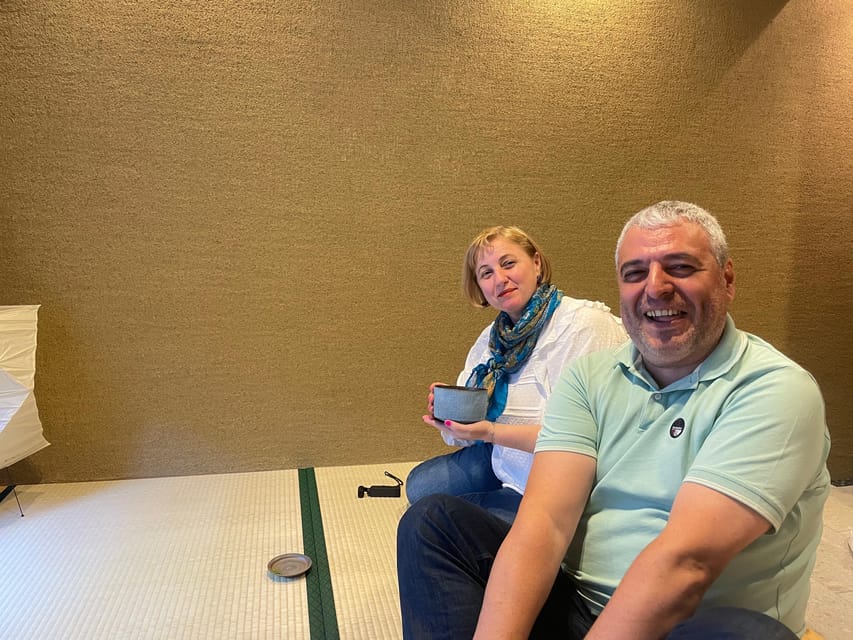
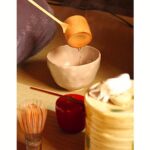
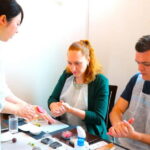
After you’ve tasted, you’ll get a matcha-making session where the host guides you through the process. This is the part that makes the experience feel like a lesson you can take home—because you practice the movements and learn what the steps are supposed to achieve.
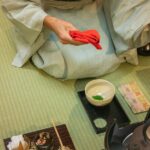
You’ll be shown the significance and techniques behind the preparation, and the host will guide you on how to make matcha in a formal style. Then you’ll serve it to yourself in the ceremony flow, which is a big difference from just observing.
The most useful thing you’ll learn is how to drink matcha correctly. You’ll be guided through proper technique for taking the tea, not just swallowing it as a novelty beverage. That instruction may sound small, but it turns the cup into something you can actually repeat later.
If you like hands-on experiences, this is where you’ll feel the value most clearly. You leave with a sense of what to do, not just a souvenir purchase list.
The calm factor: what the private room feels like in practice
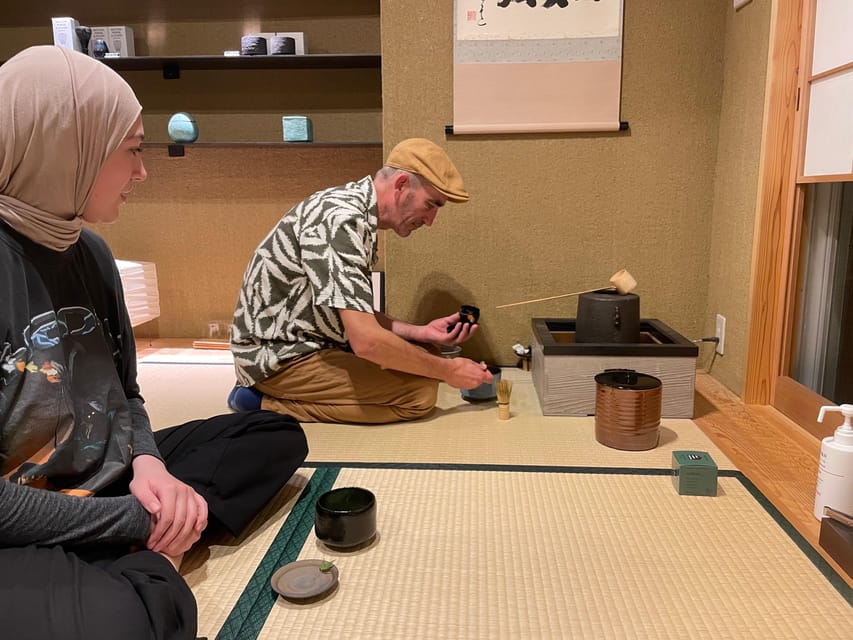
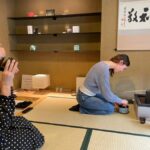
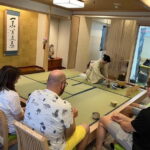
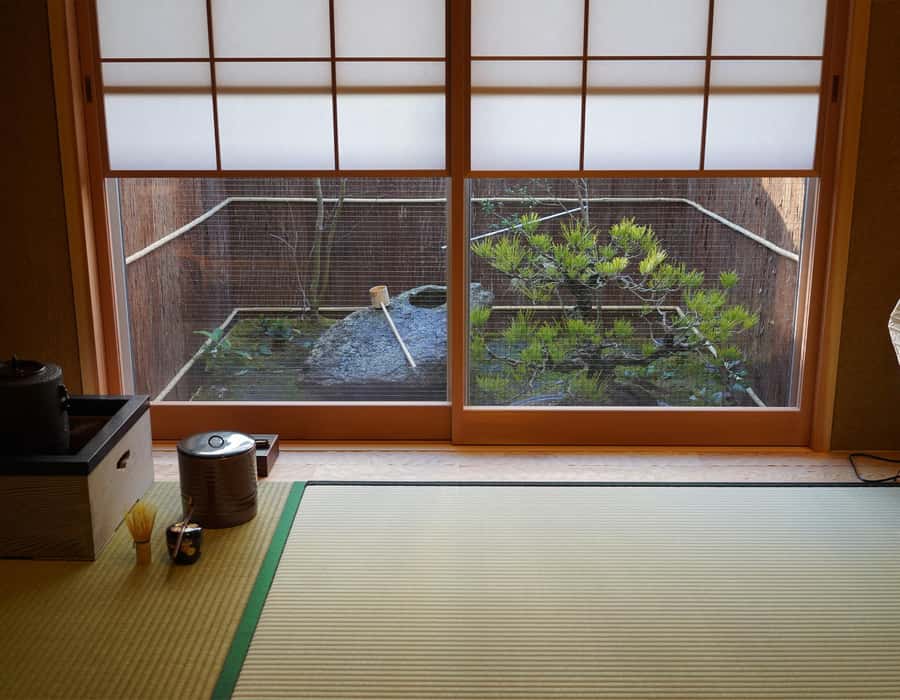
One of the most praised parts of this experience is the tone of the room. Tea Room Kakoi is described as serene and relaxing, even though you’re in the middle of Shibuya’s action outside. People highlight how quickly the atmosphere settles you, partly because the ceremony has a built-in pace: you’re not rushing between attractions, you’re moving through steps with time to absorb each one.
You’ll likely notice how the host talks through the ceremony with patience—answering questions and helping you understand the why behind each move. In multiple accounts, the host’s family background with tea farming comes up, and that personal connection tends to show in the way the session is taught.
This isn’t an experience that tries to overwhelm you. It’s designed to slow you down. If you’re the type who gets tired of “checklist tourism,” this kind of structured calm is a relief.
Questions, answers, and souvenir matcha shopping
At the end, you’ll have free time to ask questions about the tea ceremony and matcha. This is where you can go from general appreciation to specific understanding—like what you should look for if you want to buy matcha again, or how different steps affect the final cup.
If you wish, you can also purchase high-quality organic matcha and original tea tools as souvenirs. I like that this isn’t mandatory. You can just enjoy the lesson, then decide later whether you want to bring the experience home.
A practical way to approach the souvenir part: if you truly care about repeating what you learned, consider buying matcha in the form you’ll actually use. If you only want a gift, choose a smaller amount so you’re not stuck with a pantry item you don’t use.
Price and value: what $30 really covers
At $30 per person, this isn’t just a “tasting.” You’re paying for a guided tea ceremony in a private setting, plus organic matcha, wagashi, and the matcha-making session with instruction.
Here’s what makes that pricing feel fair: you’re getting the full arc of the experience. You taste the matcha first, learn the ceremony background, practice the process yourself, and finish with time for questions. In many places, you’d pay separately for a class, a tasting, or a guide. Here, it’s packed into one session with the core ingredients included.
Also, the ingredient quality matters. The matcha is positioned as premium organic and rare in sourcing terms (the 2% of harvest claim). If you care about what goes into your cup—not just the cultural story—this pricing makes more sense.
Who should book this Shibuya tea ceremony
This experience is best for you if you want Japanese culture in a calm, practical format, especially if you like learning technique. It’s also a good fit if you want a change of pace from Shibuya’s crowds—one hour (or so) of quieter attention can reset your day.
It’s not suitable for children under 10, and it’s also not suitable for pregnant women. Babies under 1 are not appropriate either. If any of these apply, you’ll need to choose a different experience.
One more practical note: there’s no toilet in the tea room, so plan ahead. If you’re sensitive to caffeine, remember that matcha includes caffeine.
Pets are not allowed. Assistance dogs are allowed, though pets themselves aren’t.
Should you book Tea Room Kakoi in Shibuya?
Yes—if your travel style includes slowing down and learning something you can do again later, book this. The combination of private tea room calm, guided matcha-making, and premium organic matcha makes it feel like more than a quick activity.
Skip it if you need child-friendly programming, if your schedule depends on using a toilet on-site, or if caffeine sensitivity is a concern. Also consider your comfort with a private space inside an apartment block setting; that’s part of the charm for many people, but it’s not a hotel lobby experience.
If you’re staying in or near Shibuya, this is a smart way to balance the neighborhood’s energy with a slice of traditional tea craft—right where you already are.
FAQ
How much does the Shibuya tea ceremony cost?
It’s listed at $30 per person.
Where do I meet the guide?
Meet at the front of The OneFive Tokyo Shibuya hotel. The guide will hold a sign board that says TEA ROOM KAKOI.
Is the tea room easy to reach from Shibuya Station?
Yes. The tea room is about an 8-minute walk from Shibuya Station.
What languages are offered?
The experience is available in English and Japanese.
Is there a toilet in the tea room?
No, there is no toilet in the tea room.
Can I buy matcha or tea tools after the ceremony?
Yes. If you want, you can purchase high-quality organic matcha and original tea tools as souvenirs at the end.
Who is this experience not suitable for?
It’s not suitable for children under 10, pregnant women, and babies under 1 year. Pets are not allowed (assistance dogs are allowed).
You Might Also Enjoy
 The Emirates Palace Private Afternoon Tea Experience Abu Dhabi
 Tuk-Tuk Safari Liptons seat,Tea Fields Hike,TeaFactory Tour
 Marrakech Desert Buggy Tour Including Berber Tea Break and transfer
 Taiwan Traditional Delicacies Experience, Xiao Long Bao, Chicken vermicelli with mushroom and sesame oil, Tofu strips salad, Bubble milk tea.