REVIEW · TOKYO
Matcha Experience with of Japanese Tea Tasting in Tokyo
Book on Viator →Operated by matcha trip · Bookable on Viator
Tokyo can be noisy. This class is calm on purpose. You’ll spend 1 hour 30 minutes with Chisei and Rina learning Japanese tea culture through hands-on matcha and guided tastings that go way beyond ordering a drink.
Two things I really liked: the format is small-group (max 5) so questions don’t feel rushed, and you get homemade sweets matched to your tea tastings. The other big plus is the guest profile: the instructor is a former tea farmer from Kyoto and he teaches with real process details, not just vibes.
One drawback to consider: this is a class, not a casual hang. If you want zero structure and zero sensory homework, you might find the leaf comparisons and tasting steps a bit more focused than you expected.
In This Review
- Key highlights to look for
- A Small-Group Matcha Class Near Henn Na Hotel
- Meet the Hosts: Chisei and Rina Bring Tea to Life
- Welcome Drink First, So You Can Actually Taste
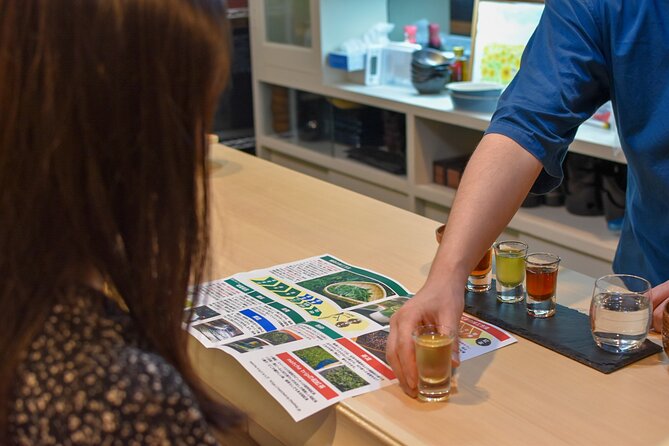
- The Flight: Sencha, Kabuse-cha, Gyokuro, and Deep Steamed Sencha
- Hojicha and Brown Rice Tea: When Roasting Changes Everything
- Japanese Black Tea Plus Homemade Sweets
- The Matcha Making Moment: Ousucha With a Bamboo Whisk
- Matcha Latte and Hojicha Latte: A Tokyo Twist You Can Repeat
- What Makes the Tea Education Work (Even if You’re a Beginner)
- Price and Value: Does $57.98 Make Sense?
- Who This Fits Best in Your Tokyo Plan
- Should You Book Matcha tripJapan’s Tea Tasting in Tokyo?
- FAQ
- How long is the Matcha Experience with Japanese Tea Tasting?
- How many people are in the group?
- What teas will I try during the tasting?
- Do I get to make matcha myself?
- Are snacks included?
- Do they serve matcha latte and hojicha latte?
- Where does the experience meet?
- Is there free cancellation?
Key highlights to look for
- Max 5 travelers for real conversation and patient answering
- Eight types of Japanese tea plus multiple matcha and latte options
- Matcha making of Ousucha with a bamboo whisk, not just tasting
- Welcome drink first, with seasonal notes and tea context
- Homemade sweets designed to pair with both black tea and green tea styles
- Tea leaves plus tasting tips (including how to eat them with ponzu)
A Small-Group Matcha Class Near Henn Na Hotel
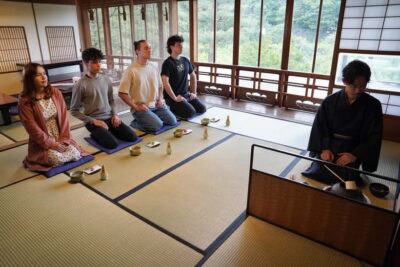
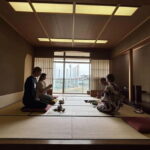
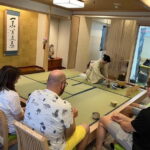
I like tours that feel like someone invited you into their kitchen, but with better explanations. This one meets at matcha tripJapan on the 2nd floor of Henn Na Hotel, in the sports bar area called Leaf. It’s easy to reach by public transportation, and you end back where you started.
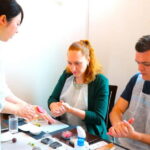
The session runs about 1 hour 30 minutes and uses a mobile ticket. With only five travelers max, the pacing stays friendly. You’re not competing for attention, which matters when the instructor asks you to look at color, aroma, and leaf shape before tasting.
Dress like you’re going to a relaxed class. You’ll be tasting hot drinks, so avoid anything that makes you feel self-conscious about leaning in, sniffing, or taking small sips. And if you’re heat-sensitive, timing can help—this experience often starts with a refreshing welcome drink before the main tastings begin.
You can also read our reviews of more tours and experiences in Tokyo.
Meet the Hosts: Chisei and Rina Bring Tea to Life
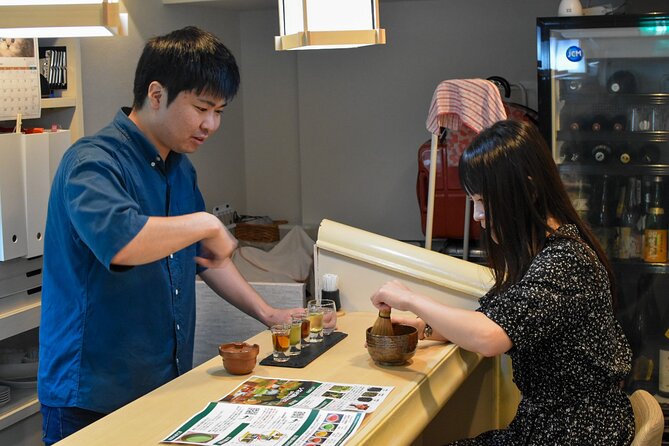
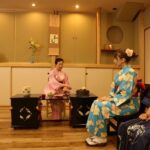
This isn’t just a tea lecture. It’s taught by people with serious tea roots and a teaching style that stays clear even when the science gets interesting. Chisei is a former tea farmer who grew tea for six years in Kyoto, and he also works as a practicing pharmacist, so you’ll hear practical, careful explanations about what you’re tasting.
Rina supports the experience, including the food side. In multiple accounts, her homemade sweets came up as a highlight, plus she’s attentive about questions like allergies. If your Japanese isn’t fluent, don’t panic—English communication is described as very good, and Chisei uses helpful diagrams and pictures to guide what you’re seeing.
The teaching method fits the goal of the class: you’re learning how tea differs by cultivation and processing. That means you’ll understand why one green tea feels more sweet or umami while another feels more roasty or toasted.
Welcome Drink First, So You Can Actually Taste
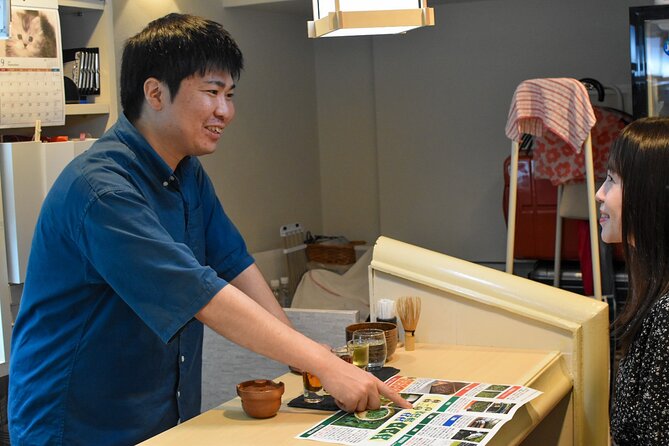
The session begins with a seasonal welcome drink. While you sip, the guide sets up what you’ll experience that day, so your brain is ready for the comparisons. This step sounds simple, but it helps you notice differences instead of just drinking your way through five cups.
Then comes the main tasting flow. The class doesn’t treat tea like one drink that comes in different names. You’ll look at the color and shape of the tea leaves, then taste the same tea category in a guided way so you can connect appearance to aroma and flavor.
This is also where the small-group size pays off. If you’re the type who asks questions, you’ll get space to do it. If you’re not, you’ll still get the kind of pace that makes it hard to lose the thread.
The Flight: Sencha, Kabuse-cha, Gyokuro, and Deep Steamed Sencha
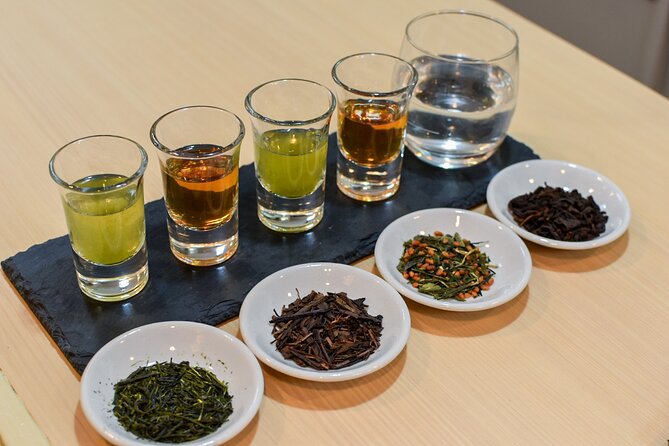
One of the best ways to understand Japanese green tea is to taste styles that start from similar plant material but diverge through growing and processing. Here, you compare multiple types of green tea side-by-side, and the guide walks you through how to prepare them for best results.
You’ll work through sencha, kabuse-cha, gyokuro, deep steamed sencha, plus additional teas later in the session. The key is that you’re not guessing. You’re guided to notice things like how the leaves look, how the aroma changes, and how the mouthfeel shifts once you take a sip.
In practical terms, this kind of comparison does two things. First, it helps you stop thinking in terms of sweet versus bitter only. Second, it teaches you how to respect each tea’s personality—green tea isn’t one mood, it’s a range. If you ever wondered why a gyokuro can feel more rounded than a basic sencha, you’ll get the explanation in plain terms during this part.
Hojicha and Brown Rice Tea: When Roasting Changes Everything
After the deeper green-tea comparisons, the tasting moves into styles that shift the flavor profile in a totally different direction. You’ll try hoji-cha, which is roasted green tea, and you’ll also taste brown rice tea (often called genmaicha).
This is a smart section because hoji-cha and genmaicha are the teas many people pick up in Tokyo cafés, but usually without understanding why they taste the way they do. Here you learn the role that roasting and blended ingredients play in aroma and finish.
If you like comfort flavors, this part can feel like a warm reset. Roasted notes tend to feel smoother and less grassy than many steamed-only greens. Brown rice tea adds a nutty, toasty undercurrent, which can make it easier for beginners to enjoy Japanese tea without needing a strong acquired taste.
Japanese Black Tea Plus Homemade Sweets
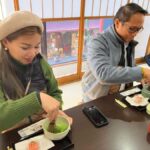
Yes, you’ll also taste Japanese black tea—chosen specifically because it pairs well with sweets. This part matters because it stops the whole experience from becoming one long green-tea story. You’ll taste how black tea supports dessert flavors rather than fighting them.
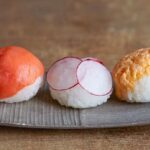
Then you get homemade sweets served alongside the tasting. A number of reviews called these treats the best they had on their trip, and that’s a big deal. It means the food isn’t an afterthought snack; it’s integrated into the tea education.
You may also get practical eating tips. One detail mentioned in reviews: you can even eat tea leaves with ponzu, which turns a typical tea concept into something more playful and memorable. It’s not something you’d figure out on your own, and it gives you a new way to understand texture and taste.
The Matcha Making Moment: Ousucha With a Bamboo Whisk
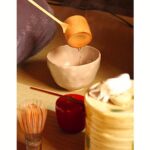
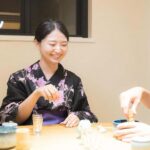
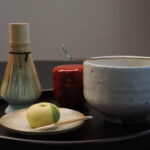
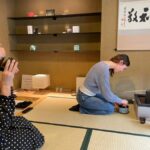
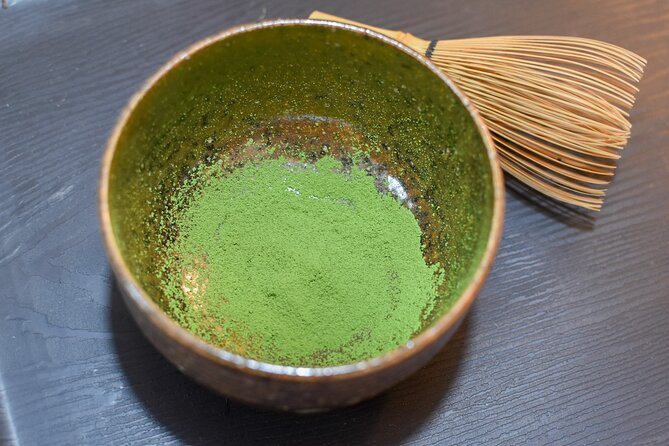
The highlight for many people is the matcha step, and it’s not just watching. You’ll make Ousucha (matcha) using a bamboo tea whisk. This is where the class becomes hands-on, and you’ll learn how to prepare matcha so it actually tastes right instead of just looking green in a bowl.
The guide also frames what comes after. Once you finish, you’ll still be able to make matcha at home, which is the point. Anyone can slurp matcha at a café. It’s much rarer to leave Tokyo knowing how to replicate the basic technique.
A useful mindset here: don’t judge matcha by one sip. The guide encourages you to build your appreciation using what you learned earlier—color, aroma, and the differences between varieties. Then when you whisk your own, you’ll understand why correct preparation matters for texture and flavor.
Matcha Latte and Hojicha Latte: A Tokyo Twist You Can Repeat
After matcha making, you also get to enjoy both matcha latte and hojicha latte. The session includes different latte options, including three kinds of matcha latte and hojicha latte.
This is a good bridge for people who love milk drinks but worry matcha can be too intense. You’ll taste how changing the base and the style shifts sweetness and aroma. You also get a smoother path back to what you might order in real life once you’re done with the class.
I also like this part because it gives you a practical takeaway. If you ever tried matcha latte and thought it tasted different from what you expected, this comparison can teach you what you probably need next time. It’s the kind of learning that leads to better choices, not just better stories.
What Makes the Tea Education Work (Even if You’re a Beginner)
You don’t need a tea background to enjoy this, but you will learn faster if you’re willing to pay attention to small details. The instructor uses guided visuals and clear explanations, so you’re not left to translate everything in your head.
Here’s why the teaching approach is so effective for most travelers:
- You taste several tea styles in sequence, so your palate learns the map.
- You’re asked to look at leaf color and shape, not just drink the liquid.
- You learn practical preparation ideas for getting better flavor, not just memorizing names.
From the tone of the feedback, the experience is especially loved for how approachable the hosts are. People praise patient answers, good English, and the overall sense that you’re learning for real—not just getting a quick photo op.
Price and Value: Does $57.98 Make Sense?
At $57.98 per person, this isn’t the cheapest activity in Tokyo. But value is about what you get for that time and money, and this experience packs a lot into 1 hour 30 minutes.
You’re paying for:
- A former tea farmer’s guidance plus a pharmacist’s careful approach to explanation
- Small group size that keeps the attention on you
- Multiple tastings: you’ll try eight types of Japanese tea (including sencha, kabuse-cha, gyokuro, deep steamed sencha, hoji-cha, brown rice tea, and Japanese black tea)
- Matcha variety time: two matcha types, plus matcha latte and hojicha latte
- Homemade sweets paired to your drinks
- Hands-on matcha using a bamboo whisk
If you were to buy all those teas separately in cafés, you’d spend plenty and still miss the preparation lessons and side-by-side comparisons. This class also gives you a souvenir potential. Some participants mentioned the hosts had products for sale, and one noted that a matcha product label includes English recipe instructions. If you like the idea of bringing matcha home with you, that’s a bonus.
Who This Fits Best in Your Tokyo Plan
This works best if you enjoy small classes, food pairings, and learning how something is made. If you’re the type who likes understanding the why behind a ritual, you’ll love it.
It also fits beginners who worry they won’t know what they’re tasting. The format supports learning without shame. The hosts answer questions patiently, and the group size makes it easier to ask for clarification.
If you’re short on time, the 1 hour 30 minutes duration is workable. Just keep your expectations realistic: you’re not touring a temple while drinking tea. You’re in a focused teaching session where taste and technique are the main event.
Should You Book Matcha tripJapan’s Tea Tasting in Tokyo?
Book it if you want a Tokyo experience that goes beyond a single cup and gives you a real skill: making Ousucha matcha with a bamboo whisk. You’ll also get strong practical value from tasting multiple tea styles—especially if you care about understanding why teas differ by cultivation and processing.
Skip it if you want a purely casual, laid-back experience with no sensory focus. Also, if you’re extremely sensitive to tasting activities, the leaf viewing and multiple sips might feel like a lot in one sitting.
Otherwise, this is one of those classes that leaves you with both knowledge and habits. You’ll know what you liked, why you liked it, and how to try again back home.
FAQ
How long is the Matcha Experience with Japanese Tea Tasting?
It lasts about 1 hour 30 minutes.
How many people are in the group?
The group is limited to a maximum of 5 travelers.
What teas will I try during the tasting?
You’ll enjoy multiple Japanese tea types, including matcha, sencha, kabuse-cha, gyokuro, deep steamed sencha, hoji-cha, brown rice tea (genmaicha), and Japanese black tea.
Do I get to make matcha myself?
Yes. You’ll make Ousucha (matcha) using a bamboo tea whisk.
Are snacks included?
Yes. You’ll be served homemade sweets that pair with your tea.
Do they serve matcha latte and hojicha latte?
Yes. You can enjoy both matcha latte and hojicha latte, and the session includes multiple matcha latte options.
Where does the experience meet?
You meet at matcha tripJapan in Taito City, at Henn Na Hotel, 2F at the sports bar Leaf.
Is there free cancellation?
Yes. You can cancel up to 24 hours in advance for a full refund.