REVIEW · TOKYO
Tokyo: Casual Japanese Tea Ceremony Experience
Book on Viator →Operated by Localized Walking & Food Tours · Bookable on Viator
Matcha, made easy in Asakusa. This casual Japanese tea ceremony is a beginner-friendly way to learn the rhythm behind matcha without worrying about etiquette mistakes or a language mix-up. You get an intimate, small-group feel, plus permission to ask questions and take photos as you go.
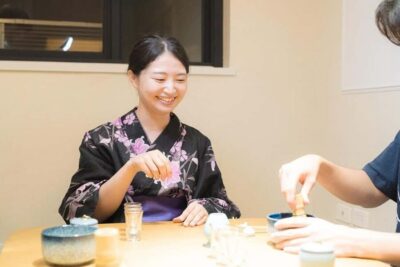
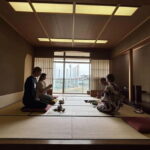
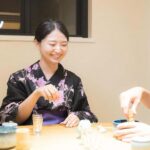
What I like most is that you don’t just watch—you learn how to whisk your own bowl and taste it right away, with a host explaining what each step means. I also appreciate the comfortable lounge vibe and the addition of Japanese sweets and coffee/tea, which keeps things warm and human instead of overly formal (I noticed the guide Midori is frequently praised for teaching with kindness). The main drawback to consider: this isn’t a full, strict ritual, and kimono rental isn’t included—so if you’re after a traditional costume-and-tatami show, this may feel too relaxed.
In This Review
- Key highlights you’ll actually feel during the session
- A casual tea ceremony that doesn’t punish first-timers
- Where to meet: Tokyo Tourist Lounge Asakusa (5F)
- What happens in the first part: water, steps, and the idea behind them
- The main event: whisking your own matcha bowl
- Tasting matcha and Japanese sweets at your own pace
- You can ask questions and take photos—without the awkwardness
- Why the group size matters (max 8)
- What’s included: tea and coffee, plus the matcha you make
- Price and value: $25 for a guided matcha lesson
- The real takeaway: tea ceremony philosophy, simplified
- Who should book this (and who might want something else)
- Simple plan: how to fit it into a Tokyo day
- Should you book this casual matcha ceremony?
- FAQ
- How long is the Japanese tea ceremony experience in Tokyo?
- Where does the experience start?
- How many people are in the group?
- Is it beginner-friendly if I do not know Japanese tea etiquette?
- Do I need to rent or wear a kimono?
- What will I do during the session?
- Can I take photos during the ceremony?
- What’s included in the price?
- Is free cancellation available?
Key highlights you’ll actually feel during the session
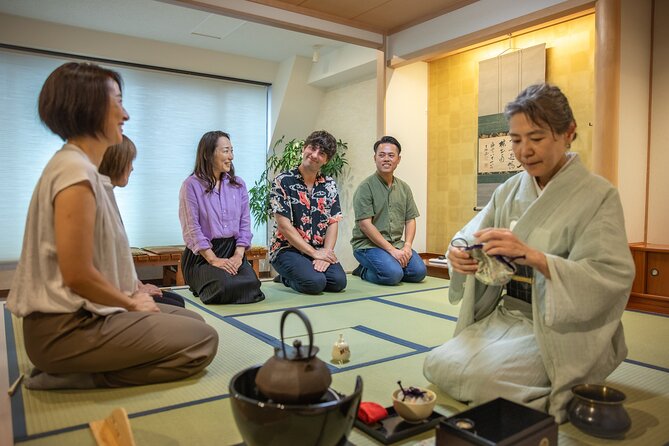
- You’ll whisk your own matcha instead of only observing
- Clear explanations of what the steps mean, not just instructions
- A relaxed lounge setting that lowers the intimidation factor
- Japanese sweets + coffee and/or tea to round out the experience
- Small group size (max 8) for easier questions and conversation
A casual tea ceremony that doesn’t punish first-timers
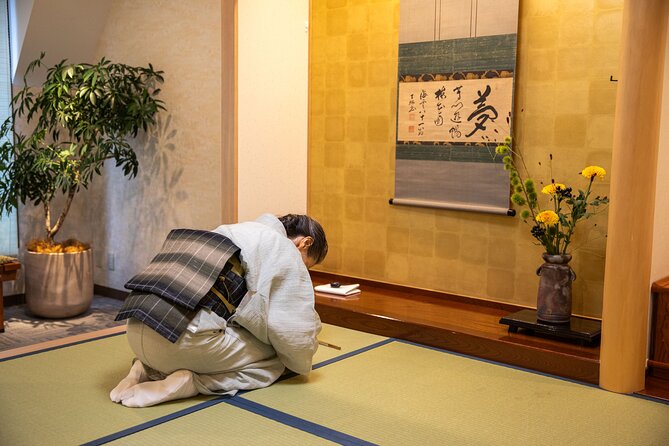
Tokyo has plenty of experiences that look great on paper but feel intimidating up close—especially when the activity is soaked in tradition. This one is designed for the opposite problem. You’re learning the way of tea, but in a friendly, traveler-ready format where you won’t be judged for not knowing the rules.
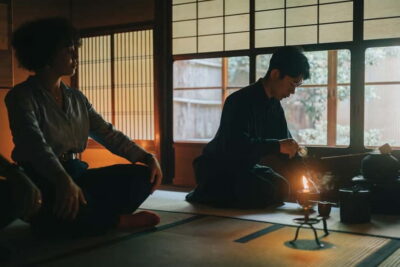
You sit comfortably and follow a guided flow: water, tea, whisking, tasting, and a simple explanation of why each part matters. The “casual” approach isn’t about skipping the meaning. It’s about giving you context so the ritual feels logical, not mysterious. That matters in Japan, where a tiny mistake can feel bigger than it is. Here, the vibe is educational and relaxed, and that makes it easier to enjoy the moment.
You can also read our reviews of more tours and experiences in Tokyo.
Where to meet: Tokyo Tourist Lounge Asakusa (5F)
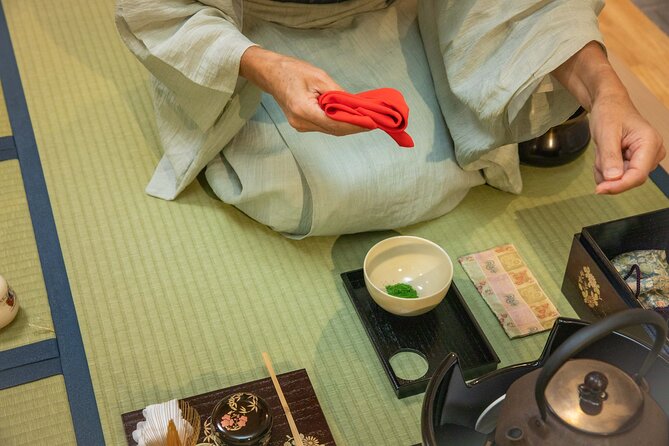
You start at the Tokyo Tourist Lounge Asakusa, located at 111-0034, 5F, 2-18-15 Kaminarimon, Taito-ku, Tokyo. That’s a handy location because Asakusa is well connected, and this meeting point is close to public transportation.
Why I like this setup: you can plan your day without a frantic scavenger hunt. You know exactly where the experience begins, and the session ends back at the same meeting point. That reduces stress if you’re juggling other Asakusa stops like temples, snacks, or a river walk.
If you’re trying to keep your schedule simple, this is the kind of activity that fits well. A one-hour block is easy to slot in before dinner or after you’ve done some sightseeing.
What happens in the first part: water, steps, and the idea behind them
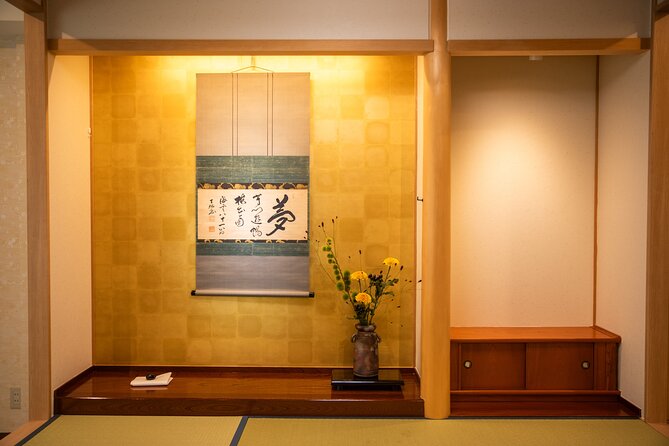
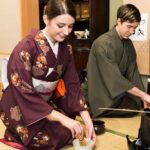
Once you’re seated, your host guides you through the flow of the tea ceremony. The key here is that you’re not left with a list of actions and no explanation. You’ll get the meaning behind each step, from pouring water to presenting the tea.
This part matters more than it sounds. If you only learn the movements, you might remember what to do but miss why it’s done. But when you understand the logic—how tea-making connects to hospitality and harmony—the whole experience becomes something you can actually carry home, not just a photo you post.
You’ll also hear how the ceremony is meant to slow things down. Even in a busy city like Tokyo, you’ll get a structured pause: attention on small gestures, the smell of matcha, and the quiet satisfaction of doing it correctly.
The main event: whisking your own matcha bowl
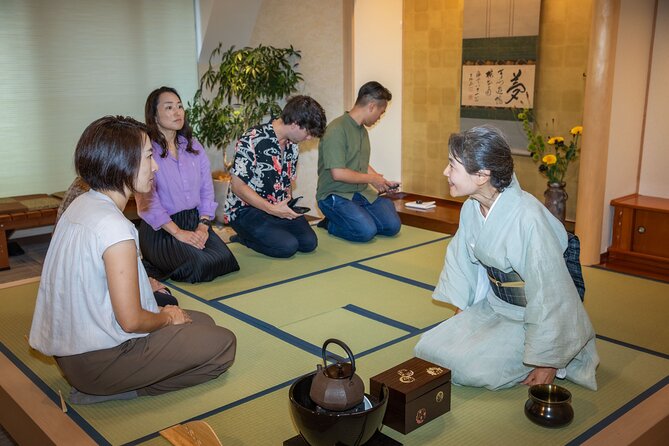
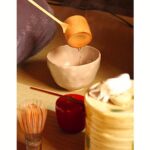
This is the big reason I’d pick this over a “watch-only” class. You’ll learn how to whisk powdered green tea, and you’ll taste your own freshly prepared matcha.
If you’ve ever been curious about matcha but feel like you don’t know the difference between good matcha and just green tea powder, this session helps. You’ll pay attention to the texture and the flavor that comes from proper whisking. And since you do it yourself, you’ll understand why whisking matters. It’s not just theatrics—it affects how the tea feels in the mouth and how the bowl comes together.
Practical note: plan to be fully present for the whisking. It can take a couple of tries to feel comfortable, and that’s normal. The relaxed format is built for that. The goal is learning, not perfection.
Tasting matcha and Japanese sweets at your own pace
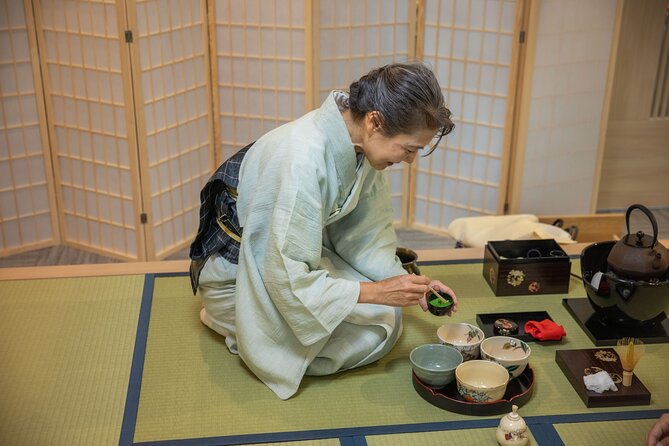
After you’ve whisked and tasted your bowl, you’ll also enjoy traditional Japanese sweets. These pair well with matcha because they balance bitterness and bring out subtler flavors.
Even if you’re not a sweets person, this element adds value. Tea ceremonies can sometimes feel like a one-note event—just tea, just sipping. Adding sweets gives you something to compare and notice. It also makes the atmosphere feel more like sharing than performing.
And because you’re seated in a comfortable lounge setting, you can take your time. You’re not rushing to catch a train or move to the next stop every five minutes. That patience is part of the experience.
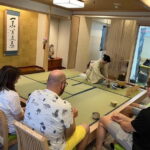
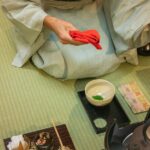
You can ask questions and take photos—without the awkwardness
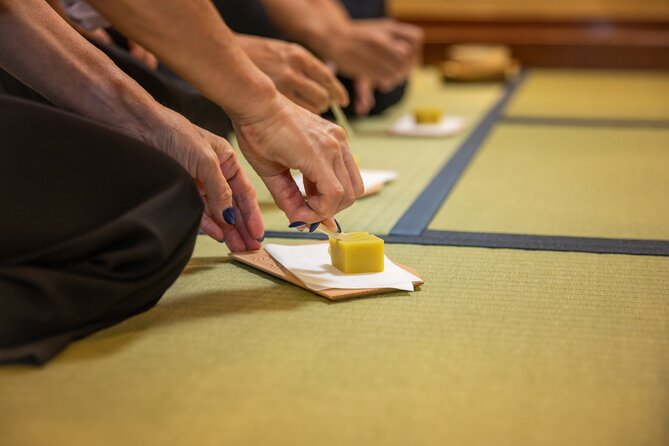
One of the biggest benefits for visitors: you’ll feel free to ask questions and take photos. In more formal settings, cameras and interruptions can feel like a problem. Here, the whole experience is framed for travelers.
So you can ask things like:
- what you’re doing at each step
- why matcha is prepared in this specific way
- how the sweets complement the tea
And you can take photos as you go, which is helpful because seeing the process makes it easier to remember later. When you get home, you’ll be able to explain it—at least the basics—without needing a cheat sheet.
Why the group size matters (max 8)
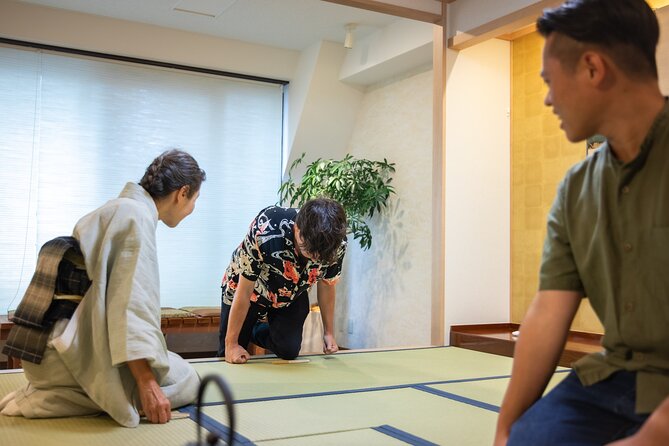
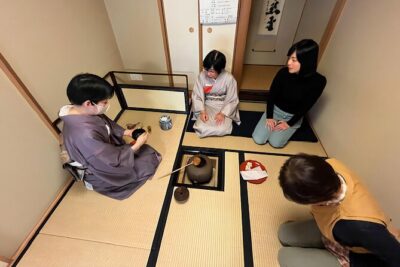
A maximum of 8 travelers is a sweet spot. It’s small enough that you can feel like a participant, not an audience member. You’ll likely have an easier time getting help during the whisking and explanations.
For first-timers, that support is everything. If you’re worried about doing something wrong in front of strangers, this format takes the pressure off. You can focus on learning and enjoying, instead of rehearsing etiquette in your head.
What’s included: tea and coffee, plus the matcha you make
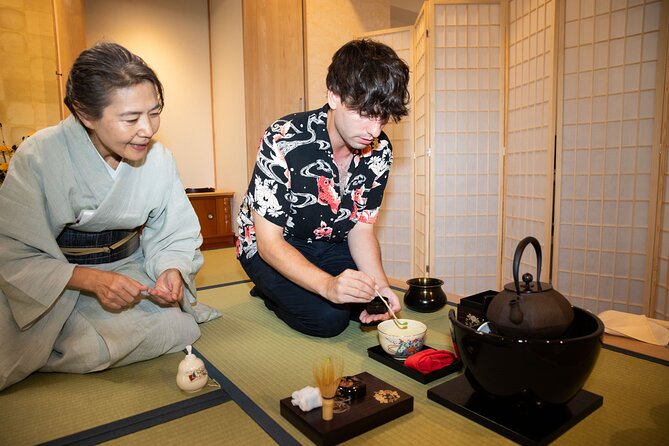
The experience includes coffee and/or tea. On top of that, the core activity is centered on learning to whisk matcha and taste it during the session.
The way it’s framed matters. You’re not just paying for a drink. You’re paying for guided tea preparation and the chance to practice. That turns a beverage into an experience.
Also, you should know what’s not included: wearing kimono and rental. If you’re hoping to dress up, you’ll need to plan for that separately.
Price and value: $25 for a guided matcha lesson
At $25 per person for about one hour, this sits in the “easy yes” category for most visitors. Why? Because you get:
- hands-on matcha whisking
- guided meaning for each step
- Japanese sweets
- the option to ask questions and take photos
- a small-group setting (max 8)
You’re paying for more than ingredients. You’re paying for a host who translates the ceremony into something you can understand quickly—without needing Japanese fluency or prior experience.
If you’re on a tighter budget, this is still a solid choice because it’s short and doesn’t demand extra spending (like mandatory kimono rental). If you’re the type who learns best by doing, the matcha whisking alone justifies the price.
The real takeaway: tea ceremony philosophy, simplified
The strict version of a Japanese tea ceremony can feel like a performance with a lot of rules. This casual format keeps the heart of it—hospitality, harmony, and attention to detail—but reduces the intimidation.
By the end, you should walk away understanding why the steps are arranged the way they are and how matcha preparation connects to a slower mindset. Even if you can’t replicate every detail perfectly at home, you’ll understand what to pay attention to.
That’s the difference between a souvenir experience and a memory with meaning. This one is designed to give you both.
Who should book this (and who might want something else)
I’d steer you toward this experience if:
- it’s your first time in Japan
- you want a tea moment without etiquette stress
- you’re curious about matcha and want to learn the process
- you’d like a small-group activity with time for questions and photos
- you want a simple one-hour cultural stop in Asakusa
I’d look for a different option if:
- you specifically want formal ceremony pacing and strict rituals
- you want kimono as part of the package
- you prefer something longer or more performance-heavy
Simple plan: how to fit it into a Tokyo day
Because it’s about an hour and returns to the same meeting point, you can treat it like a reset button.
A common smart approach:
- schedule it after you’ve done an Asakusa walk and before dinner
- keep your next stop flexible, since it’s a seated experience
- bring patience for the teaching pace—this is hands-on learning
Also, since confirmation is received at booking and it uses a mobile ticket, you won’t have to worry about paper tickets.
Should you book this casual matcha ceremony?
Yes, if you want a friendly first step into Japanese tea culture. It’s good value for the hands-on matcha whisking, the guided explanations, and the relaxing lounge setting that doesn’t make you feel clueless.
If you’re the type who needs tradition to be strictly observed, or you’re counting on kimono dressing as part of the experience, then you might feel slightly underwhelmed. But for most visitors, this is a calm, approachable way to understand what’s going on—before you chase the more formal tea ceremonies later.
FAQ
How long is the Japanese tea ceremony experience in Tokyo?
It lasts about 1 hour (approx.).
Where does the experience start?
You meet at Tokyo Tourist Lounge Asakusa, 5F, 2-18-15 Kaminarimon, Taito-ku, Tokyo 111-0034, Japan.
How many people are in the group?
The experience has a maximum of 8 travelers.
Is it beginner-friendly if I do not know Japanese tea etiquette?
Yes. It’s designed specifically for travelers who want a relaxed introduction and want to avoid cultural faux pas and language-barrier worries.
Do I need to rent or wear a kimono?
No. Kimono wearing and rental are not included.
What will I do during the session?
You’ll learn how to whisk matcha, taste freshly prepared matcha, and enjoy traditional Japanese sweets. You’ll also hear explanations of what each step means.
Can I take photos during the ceremony?
Yes, you’re welcome to ask questions and take photos during the experience.
What’s included in the price?
Coffee and/or tea are included.
Is free cancellation available?
Yes. You can cancel up to 24 hours in advance for a full refund. If you cancel less than 24 hours before the start time, the amount paid is not refunded.