REVIEW · BEIJING
Traditional Chinese Tea Ceremony Experience
Book on GetYourGuide →Operated by Hutong Calligraphy · Bookable on GetYourGuide
A cup can teach a whole philosophy. This Beijing tea ceremony is less about sipping and more about learning how tea is made and appreciated, step by step with a tea master and a calming, sensory ritual feel.
I love that you’re taught the why, not just the what: smelling leaves, understanding water temperature, and timing each steep so the flavor actually makes sense. I also like the variety—within the same visit you’ll taste teas like Oolong and Pu-erh alongside floral options like jasmine and flower tea.
One thing to consider: there’s no transportation included, so you’ll want to plan how you’ll reach the meeting point. And it’s not suitable for children under 7 or for pregnant women.
In This Review
- Key moments that make this ceremony worth your time
- Tea ceremony 101: why Beijing feels different than a random tasting
- What you actually learn: temperature, timing, and the art of smelling leaves
- Your tea lineup: Oolong, Pu-erh, green, jasmine, and flower tea
- The ceremony flow: from warm teapot to your first pour
- Tea house mood, photos, and the Hutong vibe
- Price and value: what $9 covers and why it feels fair
- Timing: planning around a 30-minute to 3-hour window
- Who should book this (and who should skip it)
- Practical tips so you get the most from your ceremony
- Should you book this Beijing tea ceremony?
- FAQ
- What teas will I taste during the ceremony?
- How long does the tea ceremony take?
- What’s included in the price?
- Will the host speak English?
- Is transportation or a tour guide included?
- Is this suitable for children or pregnant women?
- Do I need to provide anything when booking, and can I cancel?
Key moments that make this ceremony worth your time
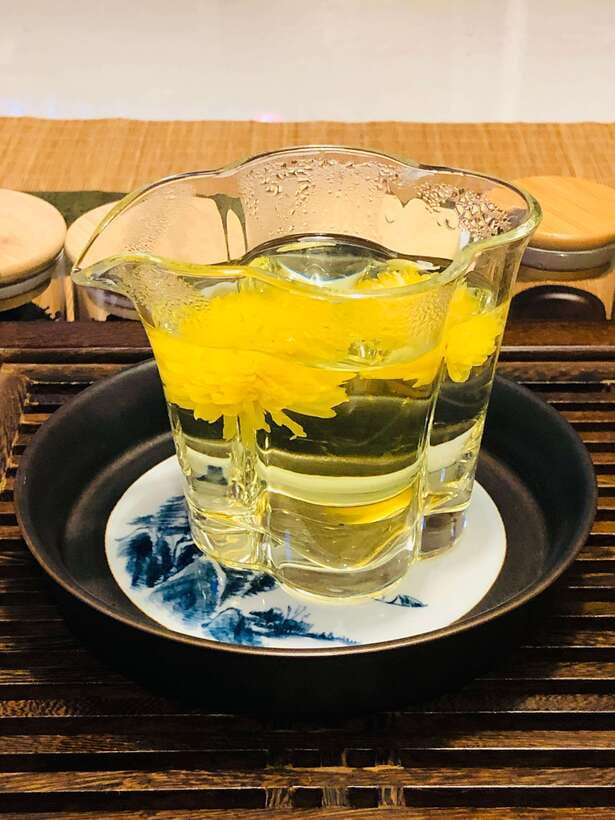
- Real instruction, not just pouring tea: You learn how to smell, steep, and pour with intention.
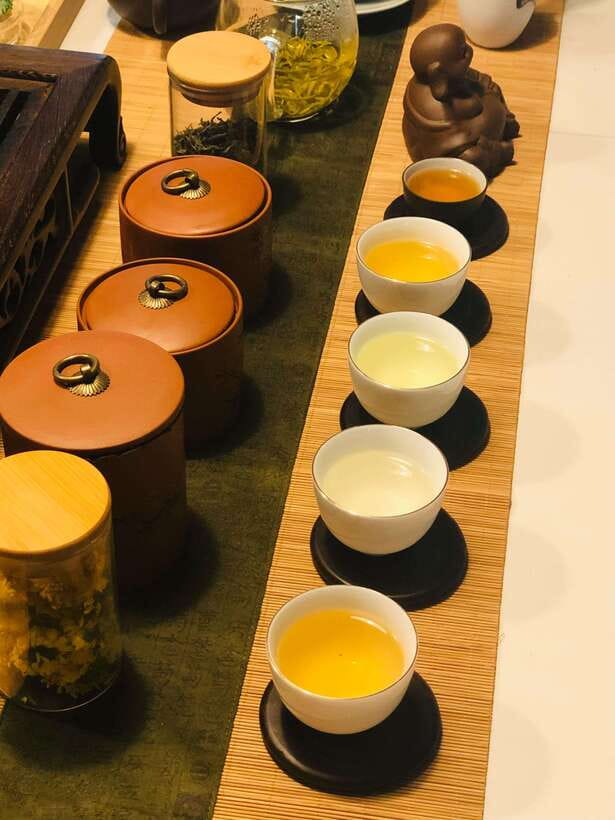
- Five mini cups, multiple tea styles: Oolong, Pu-erh, green, jasmine, and flower tea show different flavors and moods.
- A friendly, English-speaking host: English is listed, and guides like Richard (also called Richard Li) are known for fluent explanation.
- Small group feel: You can ask questions and take things at a relaxed pace during the tasting.
- Nice extras when offered: Some visits include things like photos and calligraphy elements via Hutong Calligraphy.
- Tea you can take home: Shopping isn’t included, but you can buy exquisite tea after if you fall in love with a style.
Tea ceremony 101: why Beijing feels different than a random tasting
Beijing has a way of making everyday culture feel important. This tea ceremony leans into that idea: the point isn’t to rush through flavors. Instead, you learn how Chinese tea culture connects to patience, mindfulness, and respect for the craft.
At $9, it’s also a strong value if you want something hands-on rather than another photo stop. You’re not just paying for tea leaves and hot water. You’re paying for a structured lesson—warming the teapot, smelling high-quality leaves, and understanding how steeping changes the cup.
The best part is that the ceremony is designed to be fun for adults and kids old enough to follow along. One reason this works: you taste, smell, and compare, so you’re not sitting through a lecture.
You can also read our reviews of more tours and experiences in Beijing.
What you actually learn: temperature, timing, and the art of smelling leaves
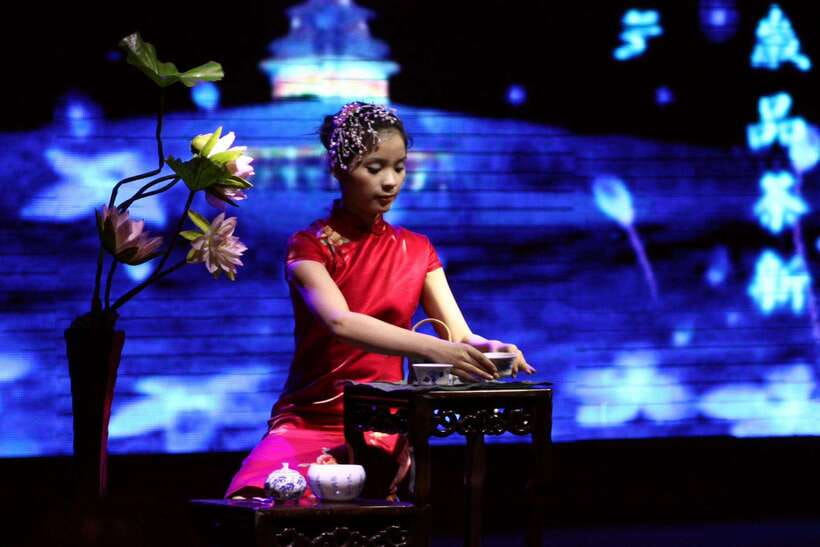
A traditional tea ceremony sounds fancy until you realize it’s mostly technical details wrapped in a ritual. The tea master shows you precise techniques, then guides you through doing it the right way.
Here are the core skills you’ll pick up:
- Smelling tea leaves properly so you notice aromas before you even take a sip
- Choosing the right water temperature (too hot or too cool changes the whole flavor)
- Steeping with the right timing so the tea doesn’t turn bitter or weak
That’s what makes this more than a tasting event. You’ll walk out understanding why the cup you like tastes the way it does, and you’ll know what to ask for back home.
Your tea lineup: Oolong, Pu-erh, green, jasmine, and flower tea
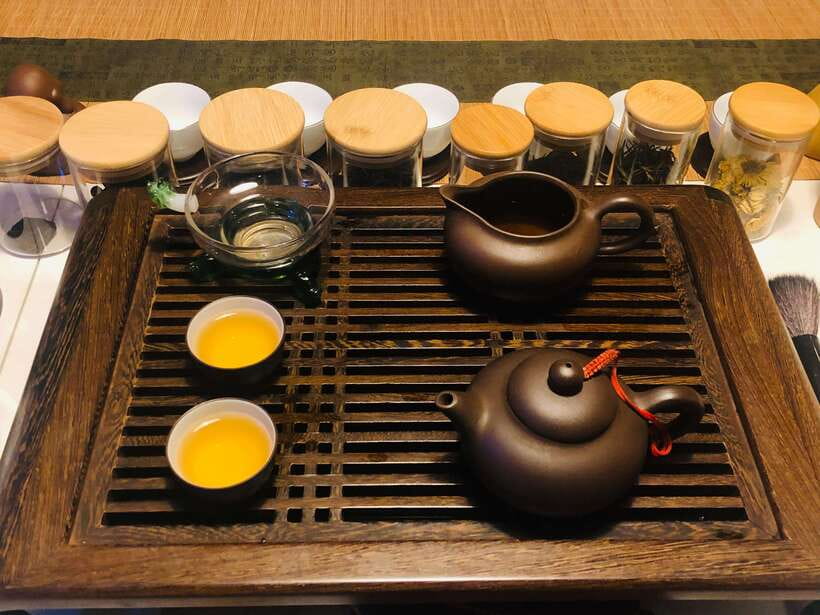
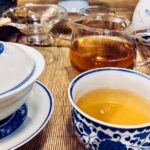
This ceremony includes tastes of multiple tea types, and that variety is the real education tool. Each tea style has a different “personality,” and the ceremony sets you up to notice those differences.
Here’s what you can expect to sample:
- Oolong: Often fragrant and layered, a middle ground between fresh and deep
- Pu-erh: Earthier and more complex, usually a longer-learning tea for newcomers
- Green tea: Crisp and clean when brewed correctly
- Jasmine tea: Floral aroma that can smell like spring, but needs proper handling
- Flower tea: A more decorative, scented style that changes with steeping time
You’ll get 5 mini cups, which means you’re able to compare without being overwhelmed. In a city full of food tours and walking days, this is a smart break: it slows you down and teaches your senses to pay attention.
The ceremony flow: from warm teapot to your first pour
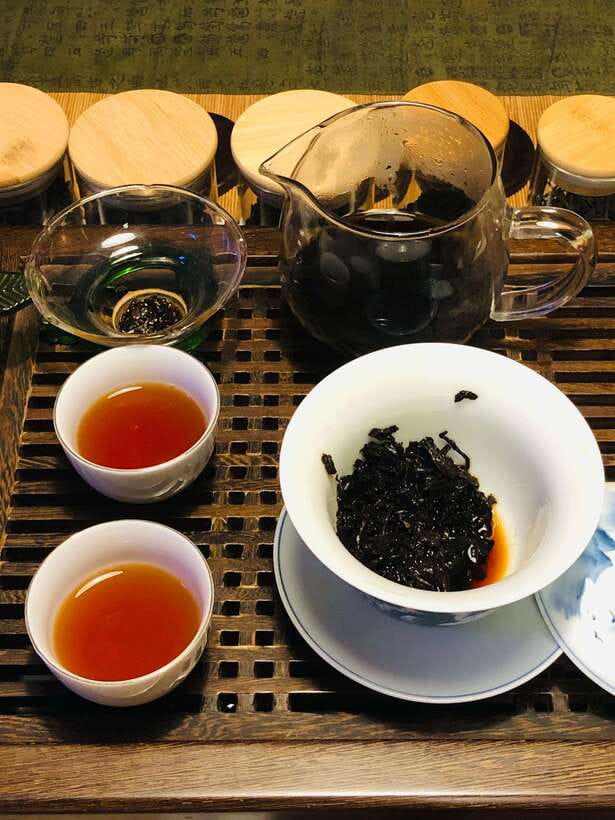
Even without a written “tour script,” the ceremony has a clear rhythm. Expect each step to feel intentional, and don’t worry if you’re new—this is built for first-timers.
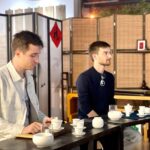
The tea master will typically guide you through:
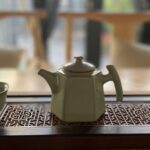
- Warming the teapot before serving, so the brewing process starts on the right foot
- Smelling quality leaves closely (this is where many people realize they’ve been underestimating tea aromas)
- Using the right water temperature for the specific tea you’re tasting
- Pouring correctly so the tea releases flavor evenly
Then comes the best part: you smell, sip, compare, and listen while the tea master explains what you’re noticing. It’s a sensory lesson with structure.
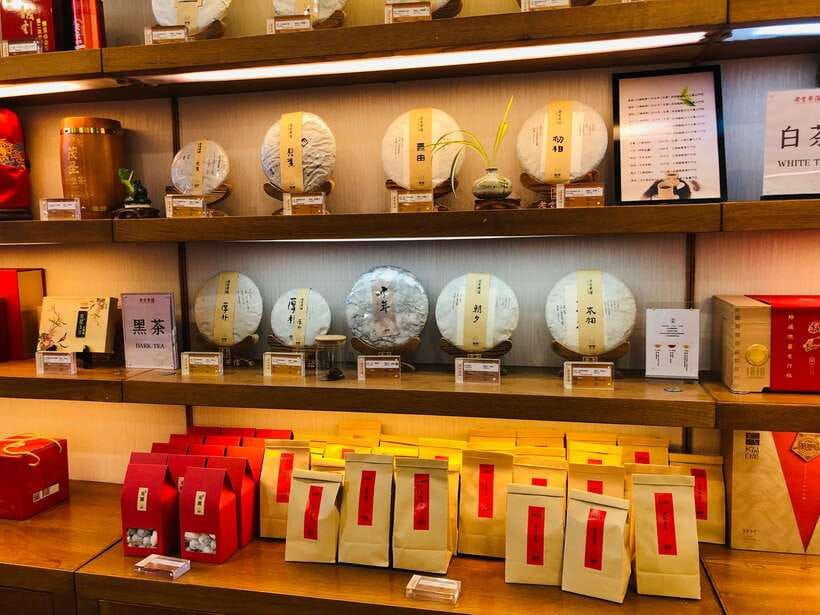
One nice detail: after the ceremony, you have the option to purchase tea to take home. The tea itself is at your own expense, but having that choice is useful if you want to continue the experience later.
Tea house mood, photos, and the Hutong vibe
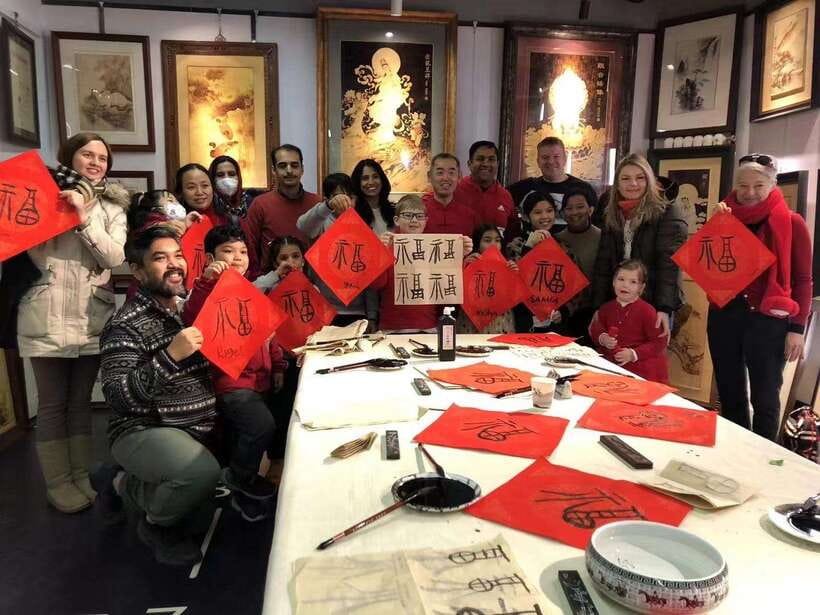
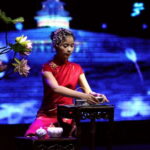
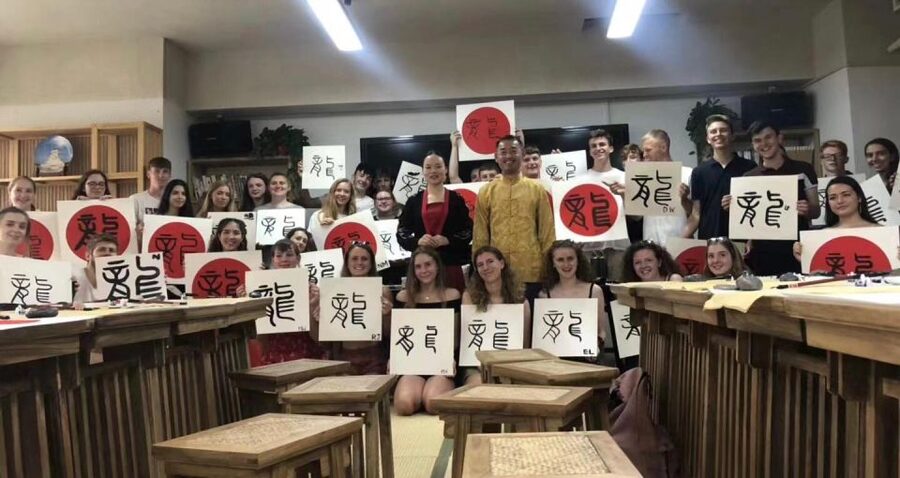
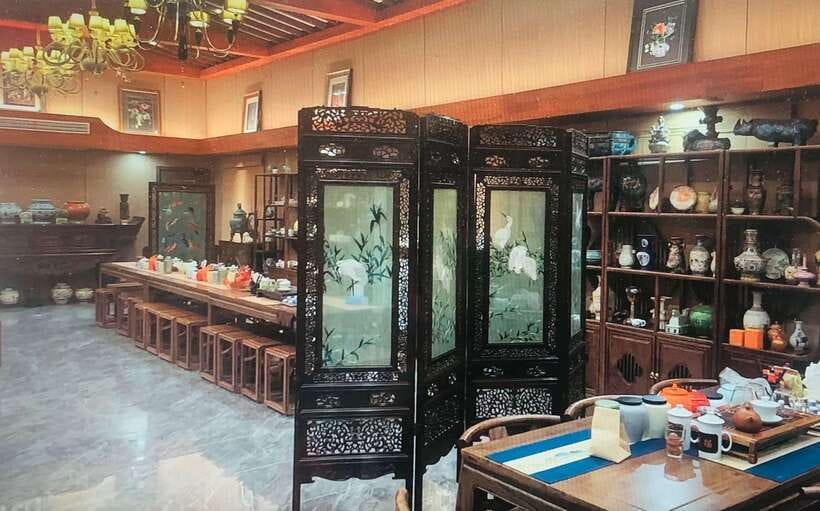
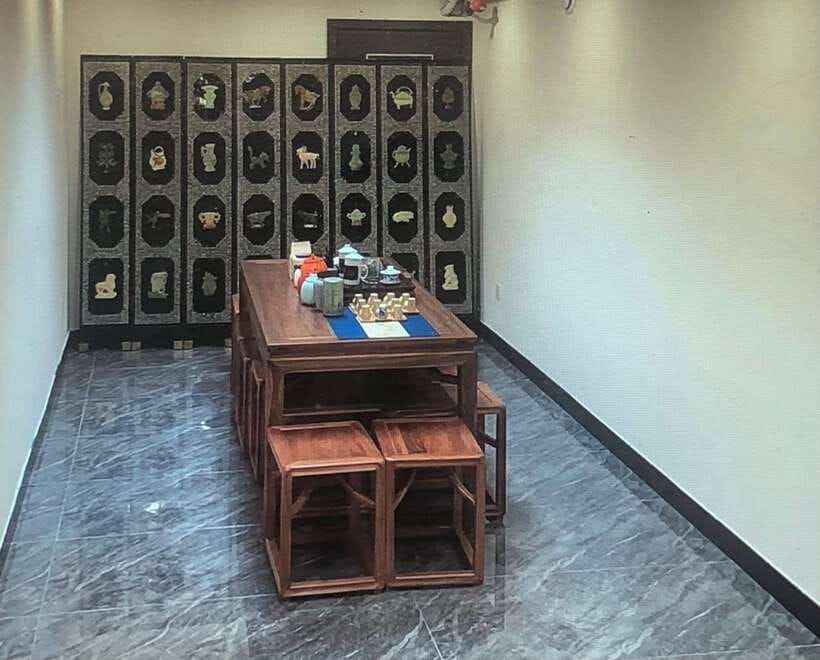
Tea ceremonies often happen in peaceful spaces, and this one is designed for calm focus rather than loud entertainment. The experience provider is Hutong Calligraphy, so you may notice the visit has a cultural, artsy feel beyond the cup itself.
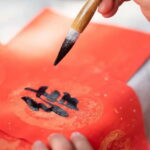
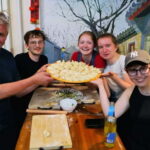
In past bookings, people have mentioned things like calligraphy and photo support, so if you’re hoping for a few memory pictures, you’ll likely get help. The key is to pay attention to the tea master first—photos come easily after you’re in the rhythm.
Also, if you’re traveling with kids, the format tends to keep them engaged. Because you’re tasting multiple teas in small amounts, kids don’t have to commit to one strong flavor for the whole session.


Price and value: what $9 covers and why it feels fair
$9 can sound cheap, but it’s not bargain-bin tea. For that price, you’re getting:
- The tea ceremony experience
- 5 mini cups of tea
What’s not included is equally clear: no shopping expenses are included (though you can buy tea after), and there’s no transportation. There’s also listed as no tour guide in the traditional “group tour guide” sense. Instead, you’re meeting a host/greeter in English and working directly with the tea master.
So the value equation looks like this: you’re paying for guided instruction and multiple tastings, not just a beverage. If you like learning through doing—smelling, pouring, and comparing—this is a great deal.
If you only want tea with no lesson component, you might feel like it’s more “work” than “party.” But if you want understanding, it’s worth it.
Timing: planning around a 30-minute to 3-hour window
The duration ranges from 30 minutes to 3 hours, depending on your option and starting time availability. That range matters because tea ceremonies aren’t always the same pace for every group.
If you’re building your day, I suggest treating it like a real stop, not a quick detour. Plan for it to take longer if you’re chatty, want extra explanation, or are guided through multiple teas carefully.
On the upside, it’s flexible enough to fit after another major Beijing activity. Many people schedule it as a calmer cultural change of pace from busier sights.
Who should book this (and who should skip it)
This is a strong fit if you want authentic cultural practice in a format that feels relaxed.
Best for:
- Adults who like learning small craft skills and want to understand tea beyond taste
- Older kids who enjoy trying new flavors and following a guided routine
- Couples and friends who want a slower, shared experience after a few intense days
Not suitable for:
- Children under 7 years
- Pregnant women
If you’re unsure about the right fit for a child in your group, use the policy as your starting point. The ceremony includes explanations and sensory focus, and younger kids may not get much out of it compared to older ones.
Practical tips so you get the most from your ceremony
A few small things will make your session smoother and more rewarding:
- Bring your curiosity. Ask why the water temperature changes the cup. Most tea masters love questions.
- Take slow notes mentally. The difference between jasmine and flower tea (or Oolong vs Pu-erh) will make more sense after you compare aromas and finish.
- Let them know your preferences early. If you prefer lighter flavors, say so before the stronger teas.
- Use the WhatsApp requirement. You’re asked to leave a WhatsApp number when booking, so do it right away to avoid delays.
- Plan your own arrival. Transportation isn’t included, and you’ll meet at a location that can vary by booking.
And one more tip: if you’re offered the chance to buy tea after the ceremony, only do it if you truly connect with a style. A good souvenir is something you’ll use, not something that looks pretty in a drawer.
Should you book this Beijing tea ceremony?
If you want an authentic cultural experience that teaches you something you can use later, I’d book it. For $9, getting five guided tastings plus instruction on tea brewing and appreciation is a rare mix of value and depth.
Skip it only if you’re looking for a casual, no-structure tea snack with no lesson at all, or if your group falls outside the safety guidance (kids under 7, or anyone who is pregnant).
For most people, this works best as a calm, educational reset in the middle of a sightseeing-heavy Beijing trip—one where you leave with better tea senses, not just better photos.
FAQ
What teas will I taste during the ceremony?
You’ll taste several types of tea, including Oolong, Pu-erh, green tea, jasmine tea, and flower tea.
How long does the tea ceremony take?
The duration varies from 30 minutes to 3 hours, depending on the option and starting time availability.
What’s included in the price?
Your booking includes the tea ceremony and 5 mini cups of tea.
Will the host speak English?
Yes. The activity lists an English host or greeter, and the ceremony instruction is provided in English.
Is transportation or a tour guide included?
No. The experience lists no tour guide and no transportation included.
Is this suitable for children or pregnant women?
It’s not suitable for children under 7 years and pregnant women.
Do I need to provide anything when booking, and can I cancel?
You’re asked to leave your WhatsApp number when you book. You can also cancel up to 24 hours in advance for a full refund, and you can reserve with pay later to keep plans flexible.