REVIEW · BEIJING
Beijing: Dumpling Making Workshop with Meal and Tea
Book on GetYourGuide →Operated by HAPPY PANDA TRAVEL AGENCY CO.,Ltd. · Bookable on GetYourGuide
Dumplings are the fastest way to learn Beijing. This 3-hour workshop gets you hands-on kneading dough, mixing fillings, and shaping dumplings, then sits you down for a shared meal with tea and stories from an English-speaking instructor such as Julie and Rachel. I like the clear, step-by-step teaching and the friendly group energy that turns flour-covered hands into an actual skill.
My favorite part is the combo meal: you don’t just make dumplings and leave. You also get tea pairing, plus other traditional plates and drinks (often including beer), so you can eat your work while your guide explains what dumplings mean in Chinese life and seasonal traditions. One thing to consider: some portions may not be fully from-scratch for every class (a few people noted the fillings were already prepared), and it’s not suitable for food allergies.
In This Review
- Key things to know before you go
- A 16:30 Dumpling Class That Feels Like Dinner With Friends
- Where You Start and How the 3 Hours Usually Unfold
- Kneading Dough and Shaping Dumplings the Beijing Way
- Fillings, Cooking Styles, and What to Expect at the Table
- The Tea Pairing and the Stories Behind Dumplings
- More Than Dumplings: The Meal Spread and Drinks
- Price and Value: Is $35 Fair for 3 Hours in Beijing?
- Who Should Book This Dumpling Workshop
- Quick Decision Guide: Should You Book?
- FAQ
- What time does the dumpling workshop start?
- How long is the experience?
- Is hotel pickup included?
- Is the instructor English-speaking?
- Is the tea pairing included?
- Do I need to bring anything?
- Are there any restrictions on smoking?
- Is it suitable for people with food allergies?
Key things to know before you go
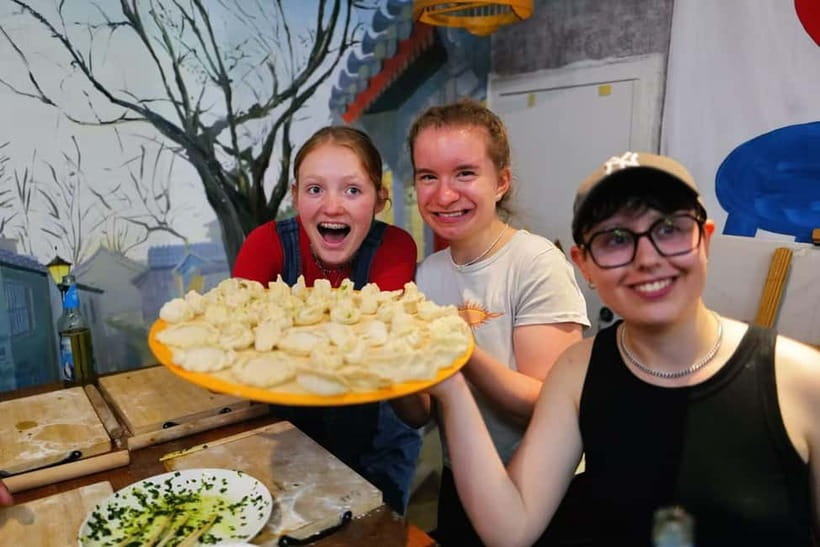
- You’ll get an English-led, step-by-step class that focuses on technique, not just watching.
- You’ll learn dumpling symbolism and local food meaning alongside the cooking.
- Your meal is part of the experience, with tea pairing and extra dishes, not only what you fold.
- You can expect lots of food and drinks, including beer and other beverages.
- Guides can be flexible if something goes wrong, and at least one instructor named Leo went out of their way when people missed class.
- No hotel pickup means you’ll need to get yourself there at the start time.
A 16:30 Dumpling Class That Feels Like Dinner With Friends
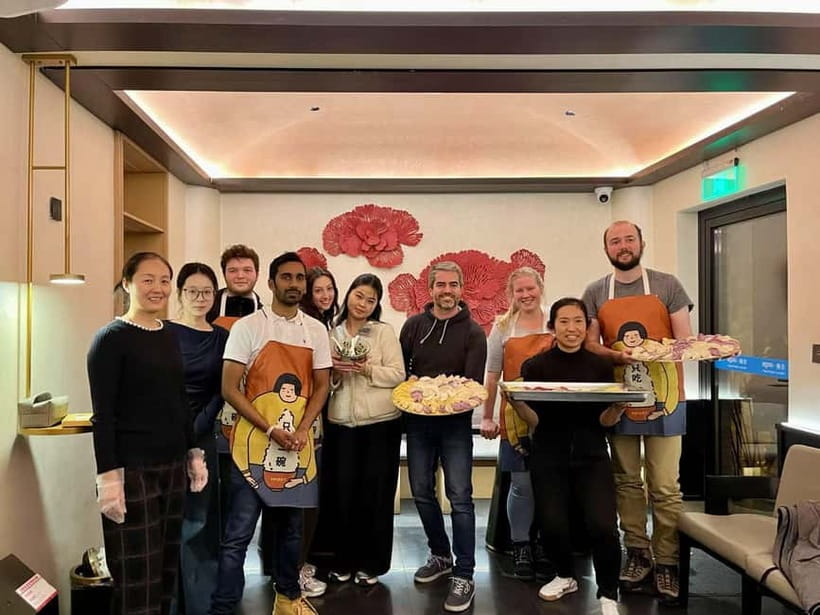
At 16:30, this is a late-afternoon activity that turns into dinner. That timing matters. You’re not rushing through a “show” for an hour. You’re making, cooking, and then eating while the whole room smells like warm dough and steaming dumplings.
The vibe is the main reason people keep recommending it. You’ll work with your group, laugh through the awkward first folds, and feel supported while you learn. Several instructors are praised for patience and good English—whether you end up with someone like Jenny, Janine, Erik, or another English instructor, the teaching style stays practical and friendly.
If you’re the type who likes food as a way of understanding a place, this hits. You’re learning a technique you can actually repeat later, not just checking off a landmark.
You can also read our reviews of more tours and experiences in Beijing.
Where You Start and How the 3 Hours Usually Unfold
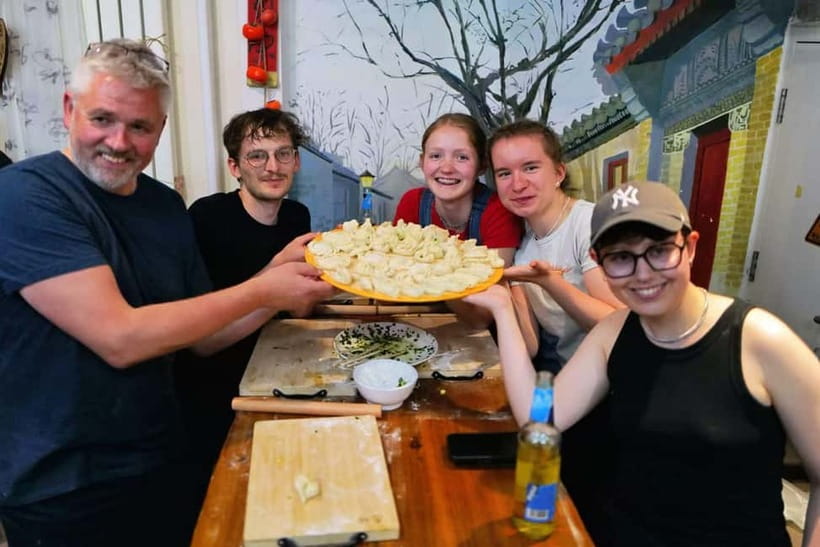
You meet at the hotel lobby and the class begins at 16:30. The duration is 3 hours, which is long enough to learn the basics, eat, and still feel like you’re part of a real meal—not a rushed workshop.
Since no hotel pickup or drop-off is included, plan to arrive a few minutes early. Comfortable clothes are a must; you’ll be rolling dough and handling fillings, and you’ll want to move easily. Also note the simple rules: no smoking.
A common pattern in this kind of class is “make first, then eat.” You’ll spend the early chunk kneading dough, shaping, and learning how to pinch dumplings so they hold together. Later you’ll sit down for the communal dinner with tea. The schedule isn’t labeled hour-by-hour on your ticket here, but the experience flow is consistent: hands-on cooking, then shared eating with explanations.
Kneading Dough and Shaping Dumplings the Beijing Way
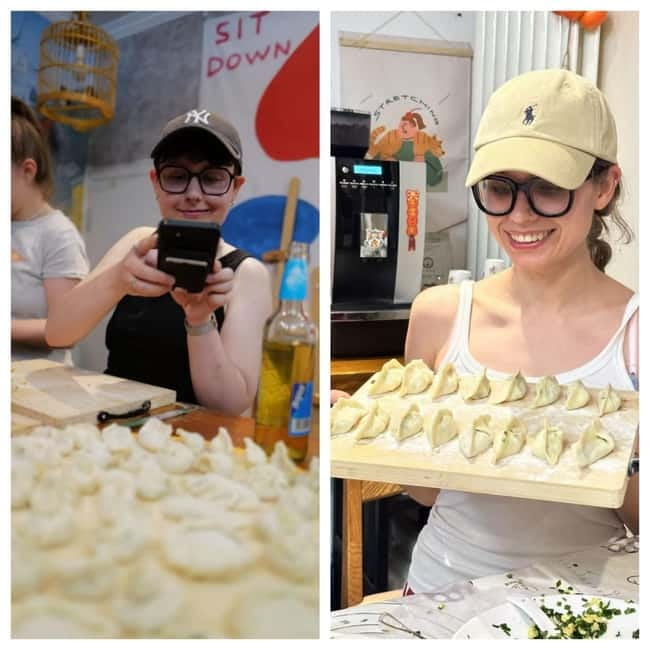
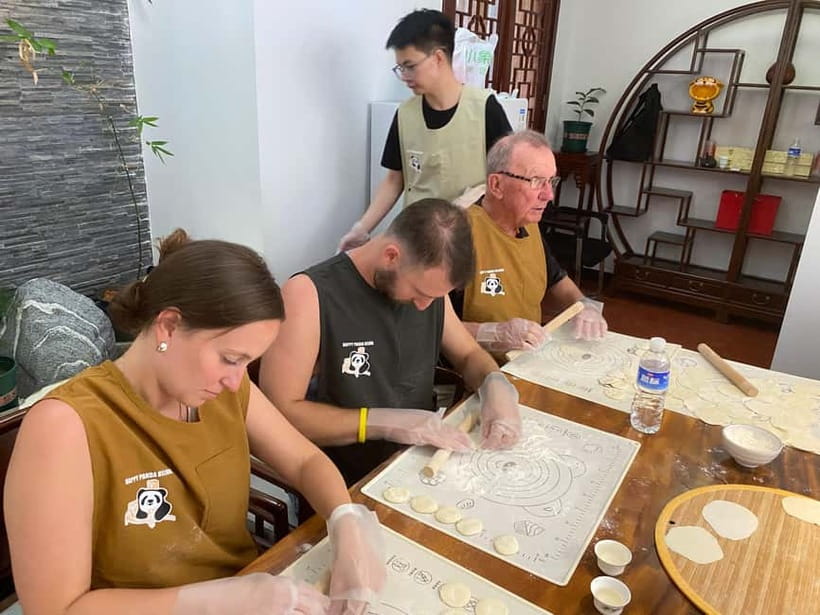
This is the core skill portion, and it’s what most people remember. You’ll learn to knead the dough, make sense of the texture, and work out how to get a wrapper that’s pliable, not tearing.
Then comes the shaping. Most first-timers struggle with one of two things: getting thin enough without breaking, or sealing the edges so they don’t pop open. The instructors’ teaching method is repeatedly described as step-by-step and patient, which is exactly what you want when you’re learning a new folding pattern.
One useful thing I’d watch for: the grip and fill ratio. If you overfill, the dumpling bulges and the top can be hard to seal. If you underfill, the dumpling feels small and uneven. You’ll get coached on holding the dumpling in your hand while you fill and pinch—so your final shape is both prettier and more functional.
Even if some classes lean on partially prepared components, the shaping skill still matters. Those pinches and folds are the part you can practice later at home. And if you want to compare styles, the symbolism part of the lesson helps you see dumplings as more than food shapes.
Fillings, Cooking Styles, and What to Expect at the Table
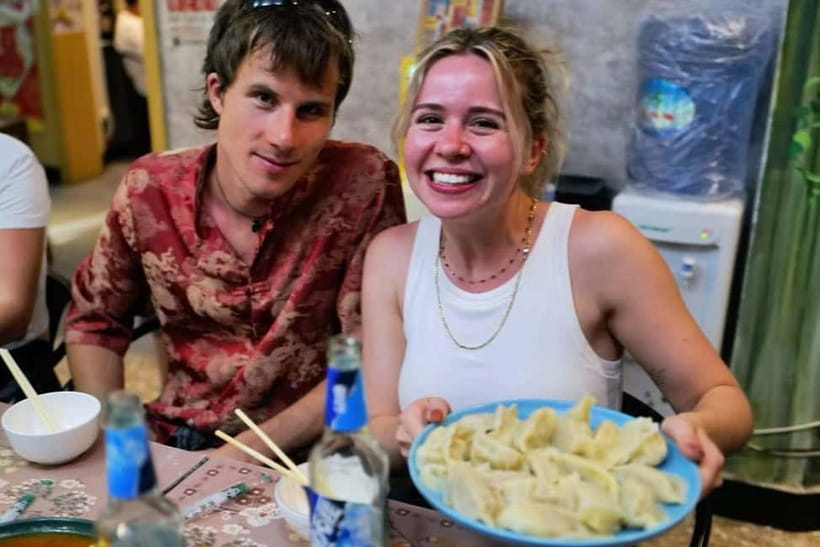
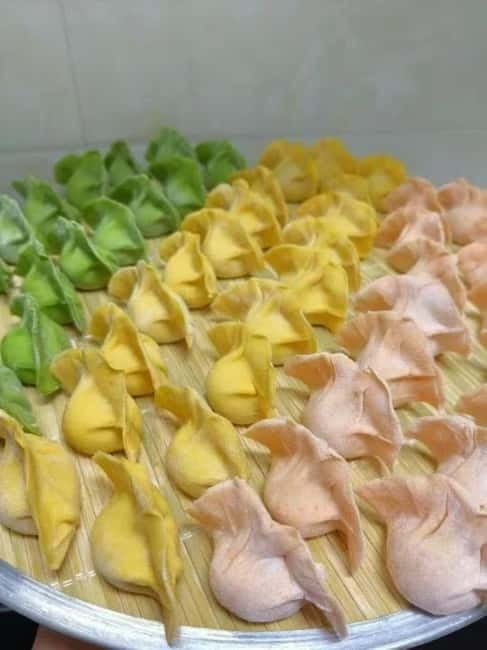
In many dumpling classes, the biggest surprise is that not everything is built from scratch. In this experience, people note that fillings can be premade, and they’re still very tasty. That’s not a deal-breaker. It often means you spend more time on what you’re truly learning: dough feel, wrapper handling, and proper sealing.
You’ll also encounter the difference between boiled and pan-fried dumplings (depending on how the class serves them). Pan-fried dumplings often give you a crisp bottom with a softer interior. Boiled dumplings are about tenderness and clean wrapper texture. If you’re curious, ask your instructor what they’re aiming for and which cooking style suits each dumpling type.
One practical tip: aim for consistency. Your group will likely make dozens of dumplings. When you notice others starting to fold faster, it’s usually not magic—it’s confidence. Once you’ve repeated the motion a few times, your hands remember the steps.
And yes, you’ll eat what you make. That matters because taste feedback locks in technique. You’ll quickly learn what happens when the wrapper is too thick or when sealing is sloppy.
The Tea Pairing and the Stories Behind Dumplings
Dumplings come with meaning in China, and this workshop spends time on that. You’ll hear about the history and symbolism of dumplings, including connections to seasonal traditions such as Lunar New Year.
What I like about adding this context is that it turns your meal into a conversation. Instead of eating “just dumplings,” you’re understanding why people treat them as a celebratory food and what the shape and timing symbolize.
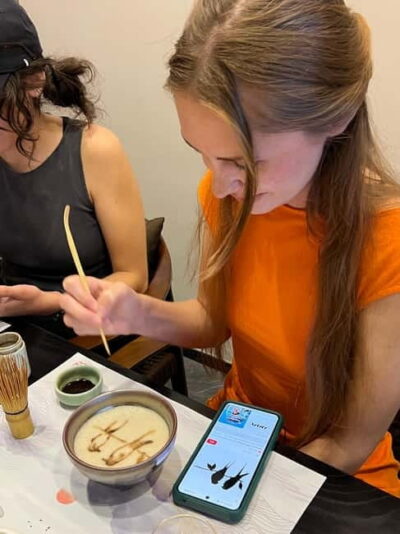
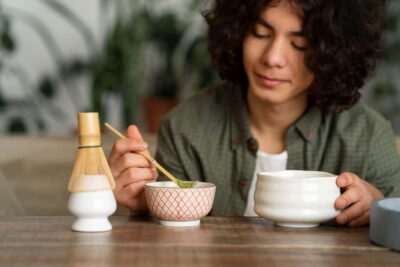
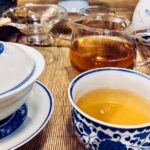
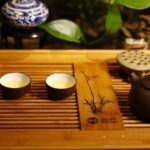
Then you get tea paired with your meal. Tea isn’t thrown in as an afterthought. It helps reset your palate between bites, especially with dumplings that can be rich with meat, salty sauces, or buttery pan-fried bottoms. If you’re new to Chinese tea, this is a friendly introduction because it’s served alongside food you actually made.
If you end up with an instructor who’s especially talkative—names like Eric, Lan, Harrison, and others show up in past experiences—listen closely. Their explanations tend to connect the cooking steps to everyday Chinese eating habits.

More Than Dumplings: The Meal Spread and Drinks
The meal is a big part of the value here. You’ll eat the dumplings you made, but you’ll also get several other local dishes and beverages.
Some people specifically mention dishes such as Kung pow chicken, and plates described as combinations like egg with tomato and cabbage, plus items like breaded chicken nuggets. You might also see dessert options, since multiple experiences mention sweets after the main spread.
The key point: you’re not leaving hungry. Multiple people describe the portion size as generous, and they mention lots of food beyond the dumplings themselves. You’re also likely to have beer available along with water, juice, and tea.
If you’re traveling solo, this setup is great. You get seated as a group and eat together, which is an easy way to meet people without forcing conversation. If you’re traveling with family, it’s also a solid choice because everyone can participate at their own pace—even if someone is better at pinching than kneading.
One small caution: this isn’t described as a specialized allergy-safe menu. It’s explicitly listed as not suitable for people with food allergies. If you have dietary restrictions beyond that, double-check with the operator before booking.
Price and Value: Is $35 Fair for 3 Hours in Beijing?
At $35 per person for a 3-hour session, this is priced like a hands-on food experience, not a quick snack stop. The value comes from four things that usually cost extra when booked separately:
- Instruction in English with active participation (not just watching).
- Ingredients for the dumpling making included.
- Tea pairing included with your meal.
- Extra dishes and drinks included, with many reports of beer and a fuller spread.
When you compare it to the cost of a dumpling meal plus a tea session plus a paid cooking experience, the bundle feels fair—especially because you’re not paying for transportation pickup here. You’re bringing yourself to the hotel lobby meeting point, and that keeps the price lower.
Also, skipping the ticket line is included. That sounds small, but in busy travel moments it saves you stress.
Who Should Book This Dumpling Workshop
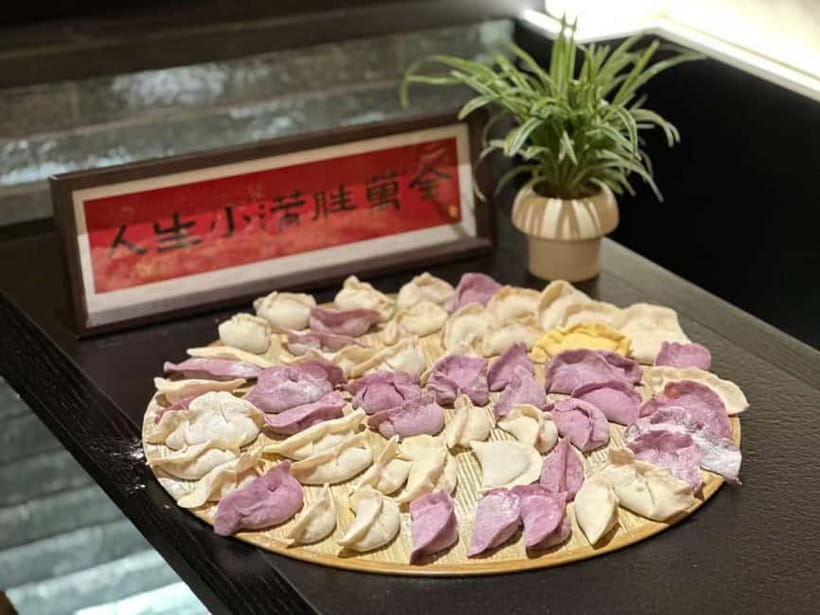
This is ideal for you if:
- You learn best by doing, not by reading a menu.
- You want a “daily life” experience in Beijing through food skills.
- You’re comfortable eating what the class provides (including dumplings with meat options or veggie options depending on the day).
- You’d enjoy a group dinner feel with tea and drinks, not a quiet cooking session.
It may not be ideal if:
- You have a food allergy.
- You want an ultra-advanced culinary class where you control every ingredient from start to finish. Some fillings may be partially prepared, and the focus is on the dumpling-making basics and shaping.
Wheelchair accessibility is listed, which is a positive sign for comfort and access. If you need specific assistance once you arrive, it’s still smart to confirm details when booking.
Quick Decision Guide: Should You Book?
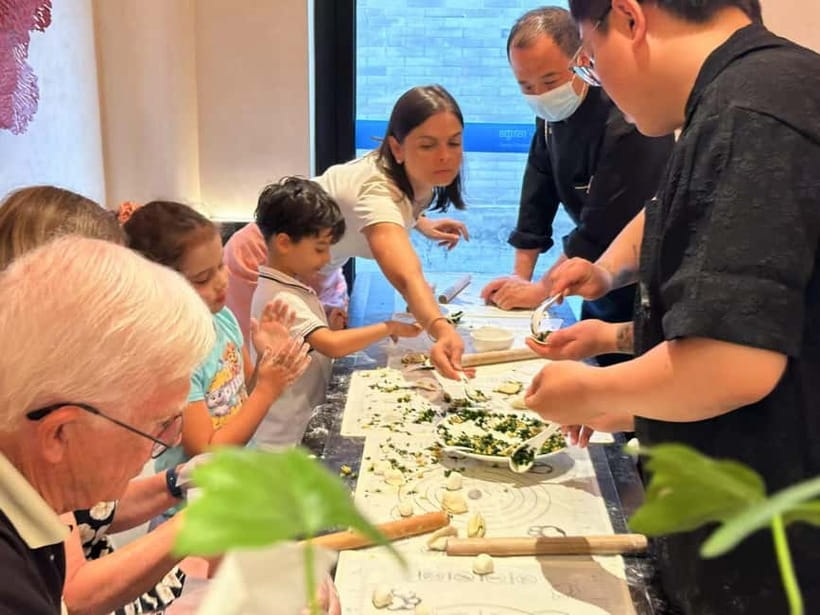
I think this is a smart booking if you’re in Beijing for just a few days and want one activity that gives you something tangible: a skill (dough handling and sealing), a story (dumpling symbolism and traditions), and a meal you helped make.
If you’re the kind of traveler who likes “one afternoon, one meaningful experience,” this fits well. If your biggest goal is maximum flexibility to explore other neighborhoods afterward, the 16:30 start and 3-hour duration help. And if you’re traveling with food openness and a willingness to get a little flour on your clothes, you’ll likely enjoy it a lot.
If you’re sensitive about dietary restrictions, or you require allergy-specific handling, skip this one and look for a specialized food-allergy-safe cooking option.
FAQ
What time does the dumpling workshop start?
The activity starts at 16:30.
How long is the experience?
It lasts 3 hours.
Is hotel pickup included?
No. Hotel pickup and drop-off are not included.
Is the instructor English-speaking?
Yes. The instructor is listed as English.
Is the tea pairing included?
Yes. Tea pairing with the meal is included.
Do I need to bring anything?
Bring comfortable clothes.
Are there any restrictions on smoking?
Smoking is not allowed.
Is it suitable for people with food allergies?
No. It is not suitable for people with food allergies.