REVIEW · KYOTO
Stunning Private Tea Ceremony: Camellia Garden Teahouse
Book on Viator →Operated by Camellia · Bookable on Viator
Kyoto slows you down in one hour. A private ceremony at Camellia Garden Teahouse turns matcha-making into something personal, quiet, and very photogenic. It also happens in a 100-year-old setting with garden views right across from Ryoan-ji.
I especially love the garden-facing rooms and how the whole hour is paced. I also love that you do real hands-on matcha prep, using the whisk, scoop, and bowl—not just watching from the sidelines.
One thing to consider: there’s no kimono rental at this location. If you want to dress up, you’ll need to coordinate that with the experience team ahead of time.
In This Review
- Quick reasons to book Camellia Garden Teahouse
- Camellia Garden Teahouse and the quiet address by Ryoan-ji
- What happens in a one-hour private matcha ceremony
- The matcha lesson: whisk, scoop, and bowl made practical
- Sweets, tea rituals, and why the small moments matter
- Seating, kimono options, and comfort tips before you go
- Price in Kyoto: is $118.60 per person good value?
- Best for who, and when it might not fit
- Should you book this private tea ceremony?
- FAQ
- How long is the tea ceremony?
- Is this a private tea ceremony or shared with other people?
- Where is the meeting point for Camellia Garden Teahouse?
- What is included in the experience?
- Are seasonal sweets included?
- Can I wear a kimono for the ceremony?
- Will I have to sit on the floor?
- Is this experience scheduled outdoors?
- Are service animals allowed?
- What kind of ticketing do I get?
Quick reasons to book Camellia Garden Teahouse
- Private tea for your party: no sharing with strangers, so the pace feels unhurried
- Across from Ryoan-ji: you get a calm garden setting close to a major Kyoto temple stop
- Hands-on matcha: you’ll practice the whisk, scoop, and bowl techniques
- Sweets at the start: seasonal treats (including mochi in some sessions) pair naturally with matcha
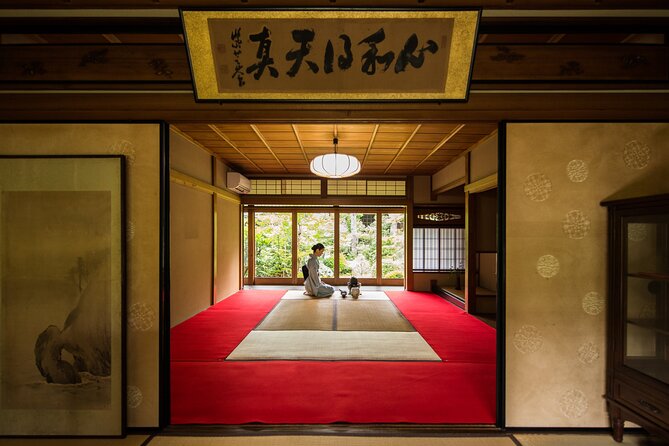
- Main tea room with a garden backdrop: your tea moments come with a beautiful view
- Comfort options: chairs are available if you prefer not to sit on the floor
Camellia Garden Teahouse and the quiet address by Ryoan-ji
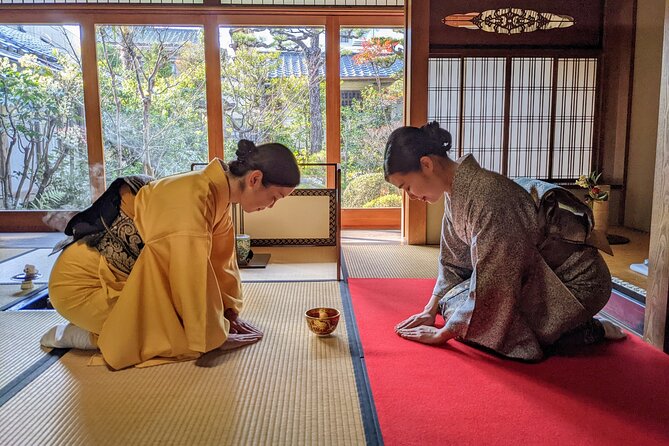
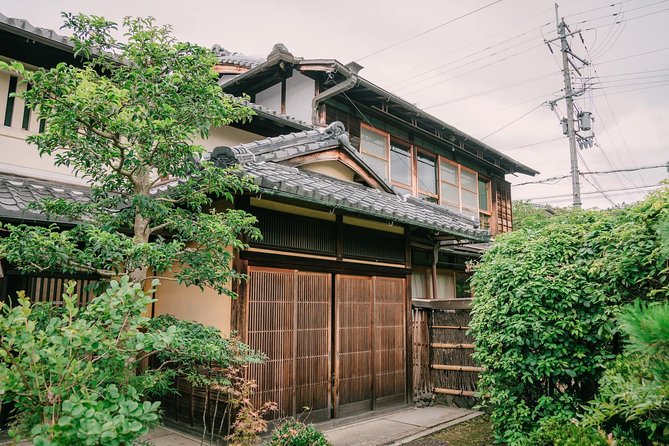
Camellia Garden Teahouse is located in Kyoto at a spot tied to the world-famous Ryoan-ji area, with the teahouse set across the road. The big idea here is simple: you get a tea ceremony experience that feels like you stepped behind a soft curtain of calm.
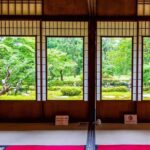
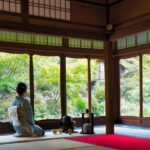
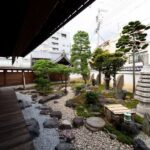
The setting matters. You’re in a 100-year-old property surrounded by two traditional Japanese gardens, so even before you start making tea, the mood is already doing work for you. This is the kind of place where the garden becomes part of the ceremony, not just a background detail.
Timing is short on purpose. The session runs about one hour, which is ideal when Kyoto has you on a tight schedule but you still want a real cultural moment. And because it’s private for your party, you can ask questions and move at a natural pace instead of fitting everything between other groups.
You can also read our reviews of more tours and experiences in Kyoto.
What happens in a one-hour private matcha ceremony
Your experience starts at the meeting point at Tea Ceremony Camellia GARDEN, 18 Ryōanji Ikenoshitachō, Ukyo Ward. From there, the session flows in a way that makes the ritual easy to follow, even if it’s your first time.
First, you’ll meet your instructor and begin with a short introduction to the history and culture of tea. You’ll do this in a sofa room overlooking the front garden. That up-front context is useful because matcha rituals can look like a series of precise movements, and once you understand why they exist, everything makes more sense.
Next comes sweets. In the sofa room, you’ll enjoy seasonal sweets from one of Kyoto’s renowned confectioners. This isn’t random snack time. It’s part of the rhythm: you settle in, taste something traditional, then you transition into the tea ritual itself.
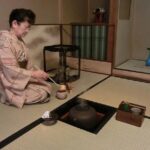
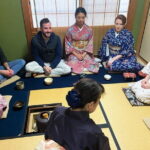
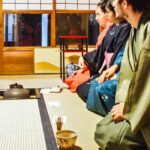
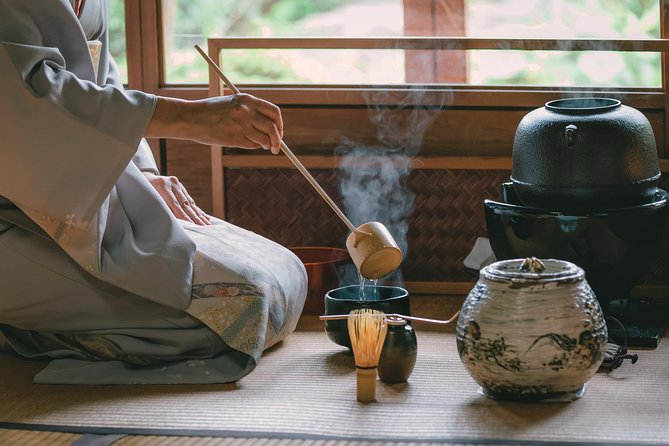
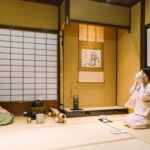
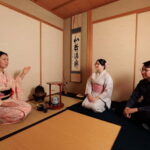
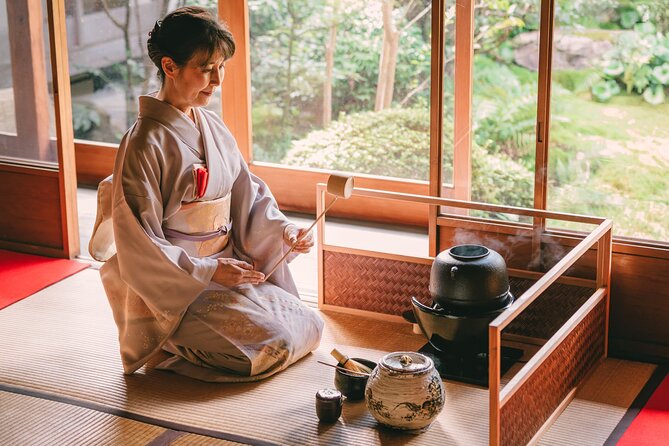
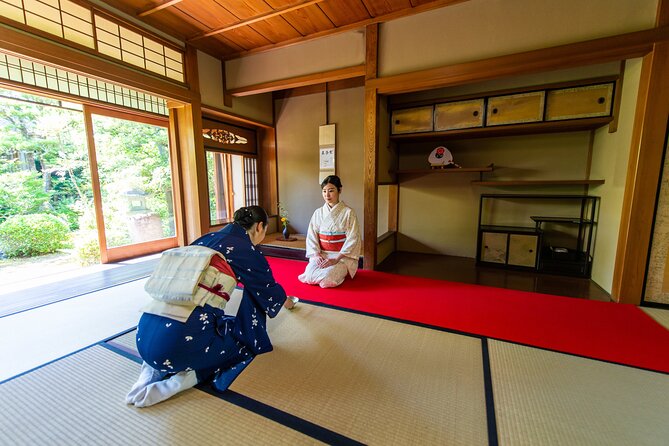
After that, you move to the tearoom. During the tea ceremony, the main garden becomes your backdrop. You’ll watch an authentic tea ceremony, and once you’ve been served tea, you get to try making your own bowl of matcha.
During the hands-on part, you’ll also have time to ask questions and take photographs. That combo is a big deal. Tea ceremony experiences sometimes fall into two buckets: either very educational but not interactive, or very interactive but rushed. Here, you get both.
The matcha lesson: whisk, scoop, and bowl made practical
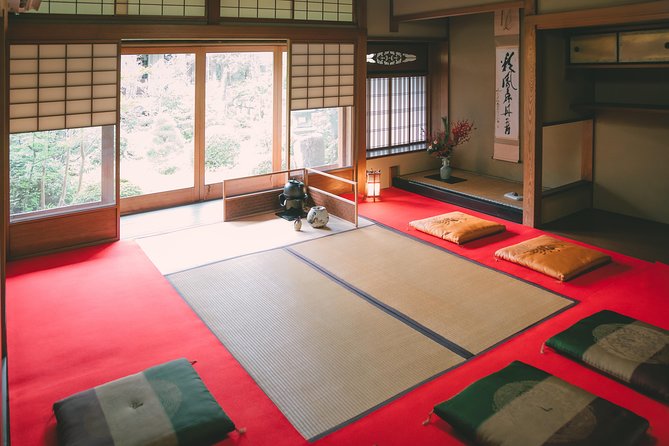
The hands-on matcha portion is where this experience earns its reputation. You’re not just shown the tools; you’re guided in using them.
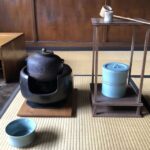
You’ll make your own bowl of matcha using the tools provided: tea bowls, a tea scoop, and a tea whisk. Those three items are the heart of how matcha becomes matcha. The scoop helps you measure; the bowl shapes how the tea is mixed; and the whisk is what turns it into that creamy, frothy surface people associate with proper preparation.
If you’re the type who wants to understand what you’re doing (not just copy gestures), you’re likely to appreciate the structure. You’ll learn the techniques of using the whisk, scoop, and bowl, then you’ll practice long enough to feel confident in the motion.
One practical tip: during the session, take your time with the questions. The ceremony includes technique, but it also includes meaning—why the host moves slowly, why the order matters, and how the ritual connects to tea culture. In accounts of the experience, instructors like Yumiko are praised for being friendly and answering a lot of questions, which helps if you’re curious about details beyond the basic steps.
Sweets, tea rituals, and why the small moments matter
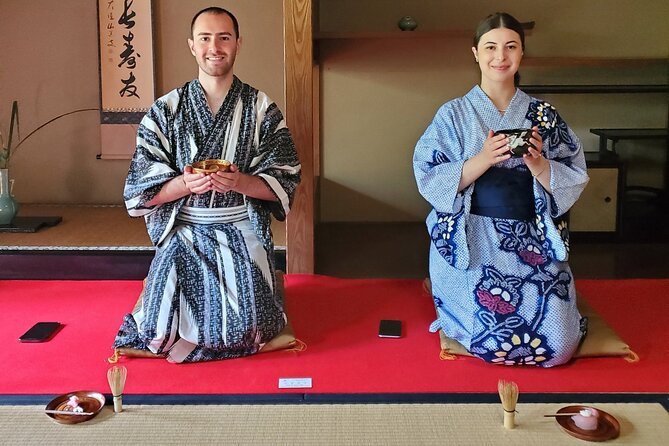
Tea ceremony can sound formal on paper. In practice, what you remember is usually the small pacing choices: the pause before tea, the attention on each movement, and the quiet focus that makes the hour feel longer than it is.
You start with sweets, which sets the tone. Seasonal treats pair well with matcha because matcha isn’t just bitter green tea—it has a particular depth that becomes easier to enjoy after a sweet bite. In the accounts of this experience, mochi shows up as part of that sweet moment, and it’s a natural pairing for the tea ceremony vibe.
Then you transition into watching the ritual. Seeing it performed gives you a visual reference for what you’ll later try yourself. The garden backdrop also helps you understand why the ceremony is designed to be slow and deliberate. You’re not trying to perform in a hurry; you’re participating in calm.
One of the most praised parts of this experience is how it stays tranquil. That’s not accidental. The teahouse emphasizes privacy and an escape from the outside world, which makes the ceremony feel like a short reset button—especially if you’ve been bouncing between Kyoto sights all day.
And because you have time afterward for photos, you can capture the setting and your finished bowl without feeling like you’re rushing out the door.
Seating, kimono options, and comfort tips before you go
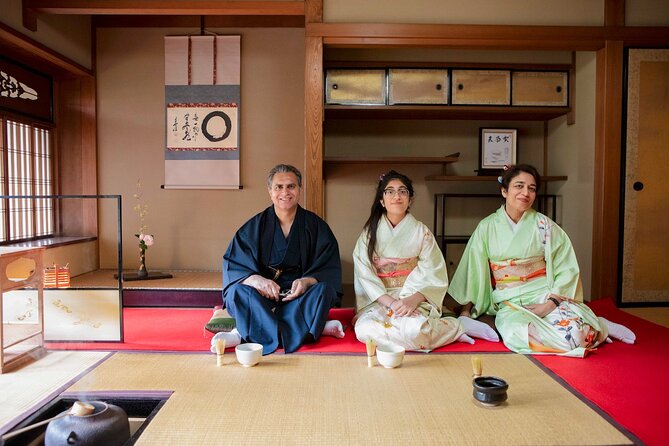
Kyoto walking can be a lot, so it helps that this experience plans for different comfort levels.
During the ceremony, chairs are available if you’d prefer not to sit on the floor. That makes a huge difference for first-timers or anyone with knees or mobility limits, because the ritual looks traditional but the experience still gives you a practical way to participate comfortably.
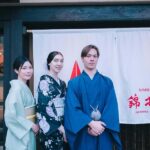
Kimono is another comfort factor, but with one important catch. A dedicated kimono dresser is available, and if you’d like to dress in kimono, you should let the team know on the checkout page. However, kimono rental is not available at this location. So plan for that ahead of time if wearing a kimono is part of your Kyoto fantasy.
If you’re coming with accessibility needs, this is one place where the experience is structured around options rather than forcing one position. And since the teahouse is near public transportation, it’s also easier to fit into an itinerary without building a whole day around getting there.

Price in Kyoto: is $118.60 per person good value?
At $118.60 per person for about an hour, this isn’t a budget activity. But in Kyoto, private experiences often cost more because you’re paying for time, instruction, and the exclusivity of not sharing the room.
Here’s why the price can feel reasonable: the experience includes tools (bowls, scoop, whisk), plus tea and seasonal sweets as part of the session flow. You also get instruction and time for questions, plus a hands-on practice moment where you make your own matcha bowl.
You also get value in the form of pacing. Avoiding crowds is the whole point, and the calmer atmosphere makes the ritual feel more meaningful. If you’ve ever been annoyed by a slow cultural performance interrupted by people moving in and out, this private format is the fix.
There are also notes about group discounts and a mobile ticket option. If you’re traveling with friends or family and can group your booking, the per-person value can improve quickly.
Best for who, and when it might not fit
This tea ceremony is a great fit for people who want a calm cultural break in Kyoto. It works especially well if you want:
- a small, memorable activity that doesn’t take half a day
- a hands-on craft moment (matcha prep)
- a quiet setting near a major temple area, without dealing with maximum crowds
It can also be a strong choice for couples. The setting feels intimate, and the hour gives you enough time to slow down and actually talk—without feeling like you’re on a strict factory schedule.
The one clear mismatch is for people who want a long, theatrical show. This is about ritual and participation, not a marathon performance. You’re there for about one hour, and you’ll get plenty, but it won’t stretch into a full experience day.
Another mismatch is kimono-based expectations. Since kimono rental isn’t available at this location, you’ll want to manage what you plan to wear and how you’ll handle the kimono option if it’s important to you.
Should you book this private tea ceremony?
Yes—if you want a short, quiet Kyoto experience where you learn by doing. The private format is the big selling point, and the hands-on matcha lesson (with whisk, scoop, and bowl) is more satisfying than tea ceremonies where you only watch.
I’d book it if:
- you’re drawn to matcha and want to learn the basics properly
- you appreciate calm, garden-facing settings
- you want a cultural activity you can take home as a skill, not just a photo
I’d think twice if:
- kimono is central to your plan and you don’t want to coordinate anything in advance
- you’re chasing a more energetic, multi-hour attraction rather than a slow ritual
Bottom line: this is one of those Kyoto experiences that pays you back with peace of mind and a real takeaway. When you’re done, you’ll know how to make matcha in a way that feels connected to the ritual—not just the recipe.
FAQ
How long is the tea ceremony?
It runs for about 1 hour.
Is this a private tea ceremony or shared with other people?
It’s private. Only your group participates.
Where is the meeting point for Camellia Garden Teahouse?
It starts at Tea Ceremony Camellia GARDEN, 18 Ryōanji Ikenoshitachō, Ukyo Ward, Kyoto, 616-8003, Japan.
What is included in the experience?
Tea bowls, tea scoops, and tea whisks are provided so you can make your own matcha bowl.
Are seasonal sweets included?
The experience description says you’ll enjoy seasonal sweets at the start in the sofa room.
Can I wear a kimono for the ceremony?
A dedicated kimono dresser is available, but kimono rental is not available at this location. If you want to dress in kimono, you need to let the team know on the checkout page.
Will I have to sit on the floor?
No. Chairs are available for anyone who would prefer not to sit on the floor.
Is this experience scheduled outdoors?
It requires good weather. If it’s canceled due to poor weather, you’ll be offered a different date or a full refund.
Are service animals allowed?
Yes, service animals are allowed.
What kind of ticketing do I get?
It uses a mobile ticket.