REVIEW · KYOTO
Kimono Tea Ceremony at Kyoto Maikoya, NISHIKI
Book on Viator →Operated by Maikoya · Bookable on Viator
Matcha in a kimono feels like stepping into Japan. I love the hands-on kimono dressing (including hair styling for ladies) and the step-by-step matcha made with high-quality powder under the guidance of the host, including Sono when your session runs that way. The only real drawback to plan for is logistics: you’ll need to make your own way to the Nishiki meeting point with no hotel pickup.
This experience is built for small groups and a calm pace, with a short window to take photos before the ceremony begins. You’ll spend about 1 hour 30 minutes, choose from a selection of kimonos, sit on tatami, and learn the meaning behind each step rather than just watching.
In This Review
- Key Things That Make Kyoto Maikoya’s Nishiki Tea Ceremony Work
- Nishiki Meeting Point: Plan for “Find Us” Kyoto
- Choosing a Kimono and Getting Ready Like a Local
- Tatami Seating: Why the Room Matters More Than the Script
- Making Matcha: The Hands-On Part You’ll Actually Remember
- Wagashi Sweets: The Pairing That Completes the Taste
- Timing That Fits Kyoto: Morning or Afternoon
- Price and Value: What You’re Paying For at $65.66
- Small Group Feel: Intimate Enough to Hear the Details
- What’s Included and What You Handle Yourself
- Weather Matters, Because You’re in Kyoto
- Who This Experience Is For (and Who Might Skip It)
- Should You Book Kyoto Maikoya’s Kimono Tea Ceremony at Nishiki?
Key Things That Make Kyoto Maikoya’s Nishiki Tea Ceremony Work
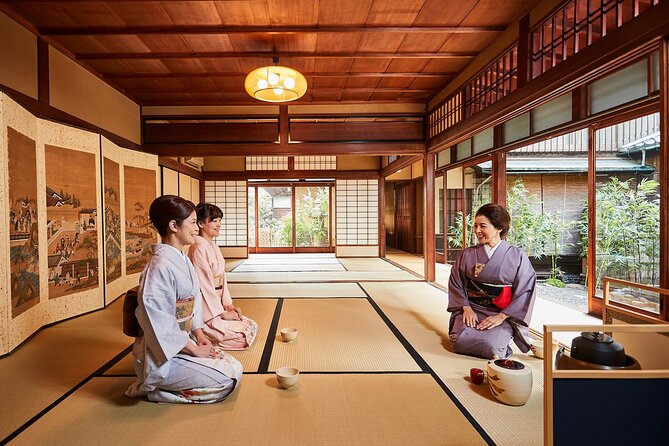
- Kimono choice plus practical help getting dressed, not just a quick costume swap
- Host-led matcha mixing, including how to use the utensils and get the tea right
- Wagashi sweets paired with your tea, so you taste the whole ritual, not only matcha
- Tatami seating and a traditional setup, which changes how you pay attention
- Central Kyoto, near public transportation, so you can fit this into a normal day
Nishiki Meeting Point: Plan for “Find Us” Kyoto
This is not a hop-on, hop-off bus stop kind of tour. You’ll make your own way to Kimono Tea Ceremony MAIKOYA Nishiki at 329 Ebiyachō (Gokomachi-dori, Sanjo-sagaru area). The upside is you’re in central Kyoto, and it’s listed as near public transportation, so you’re not stuck trying to get out to the far edges of town.
I recommend you do two things before you go: save the address and zoom in on the street names in your map app. The ceremony ends back at the same meeting point, so once you arrive, you’re done with the logistics headache.
You can also read our reviews of more tours and experiences in Kyoto.
Choosing a Kimono and Getting Ready Like a Local
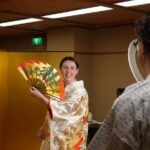
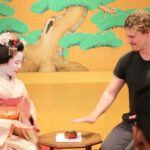
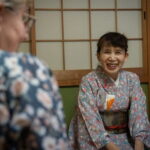
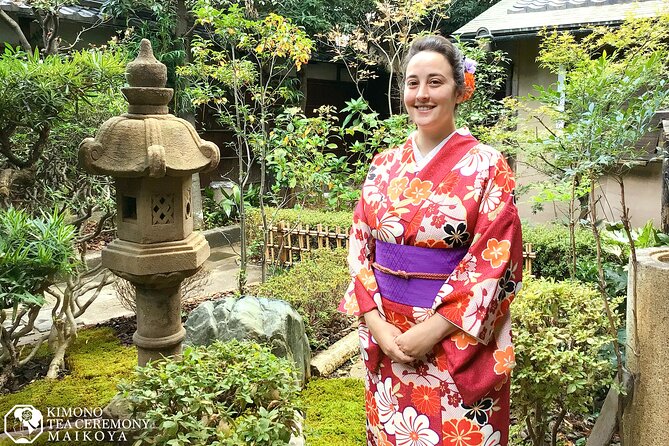
The best part starts before the tea. After you check in, you meet the host and a small group, then you choose from a selection of kimonos. They’re not just handing you fabric and hoping for the best. You get help getting into your kimono properly, and for ladies there’s simple hairstyling to match the look.
If you like photos, you’ll likely appreciate the built-in time for pictures. More than one person highlighted how the staff set you up for that moment, with enough attention to make you feel comfortable taking photos without turning the whole experience into a photo shoot.
Also, think about practical comfort. Kimonos can feel different from normal clothes, and you’ll be sitting on tatami during the ceremony. It’s smart to wear easy-to-manage footwear on the way in, and once you’re dressed, let the ceremony set the pace.
Tatami Seating: Why the Room Matters More Than the Script
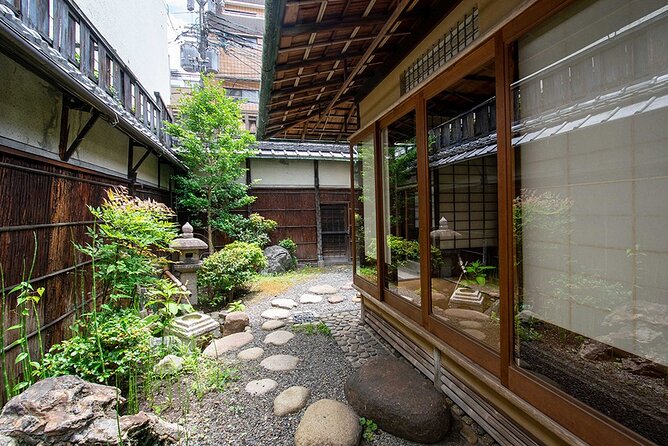
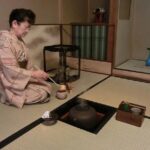
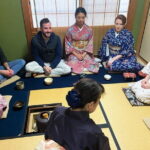
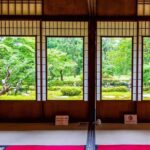
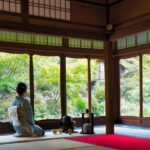
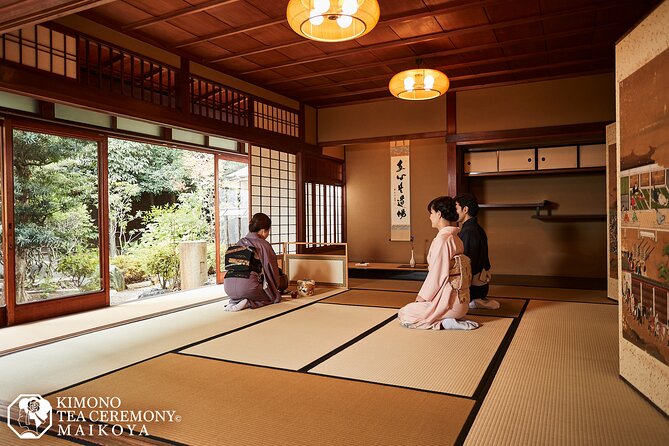
When you’re ready, you sit in the traditional way on the tatami floor. This matters because it changes how the tea ceremony feels. Standing and talking over everything is normal for travel days. Tatami seating slows your body down, and that helps the steps sink in.
The host walks you through the ceremony’s history and significance and explains the customs as you go. That means you’re not just learning what to do with the matcha tools. You’re learning why those tools, motions, and even the order of steps matter.
A key detail: you’ll be guided through the utensils. If you’ve never seen them up close, it’s worth paying attention to how they’re held and used, since your own hands will be doing the work soon.
Making Matcha: The Hands-On Part You’ll Actually Remember
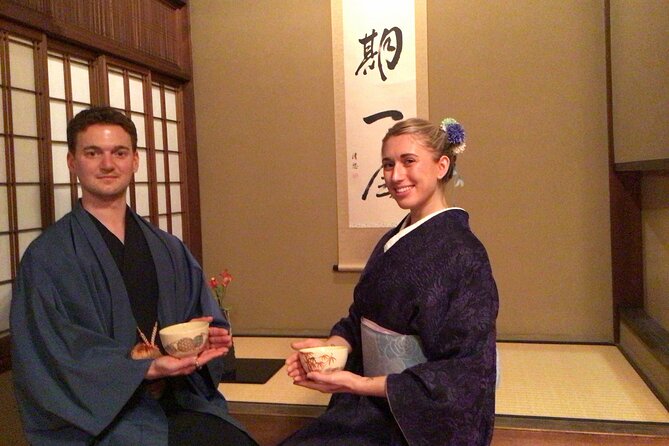
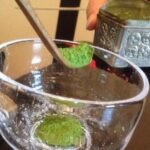
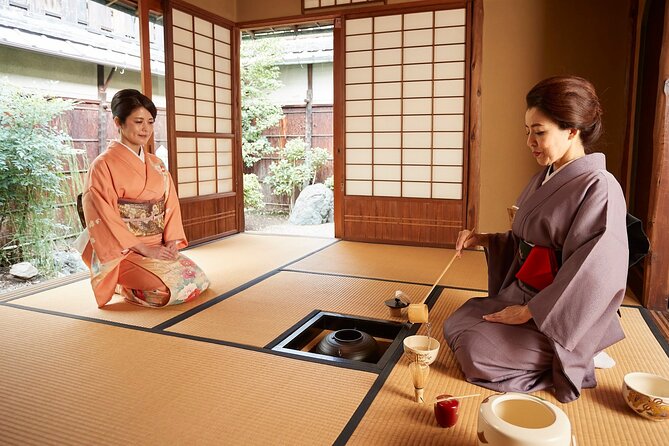
Then comes the part most people came for: making matcha. You’ll use the utensils and make your own matcha green tea with high-quality matcha powder, guided step by step by the host. This is the section where the experience becomes personal, because you’re not just tasting something prepared for you.
Expect the host to explain the steps as you perform them. It’s also where the tea ceremony stops being an abstract cultural idea and becomes a real sequence you can repeat later at home. You’ll see the technique, why it’s done that way, and how the tea should turn out.
I also like that the experience doesn’t pretend matcha is only for experts. The process is taught clearly enough that even if you start unsure, you still end up making tea and drinking it.
Wagashi Sweets: The Pairing That Completes the Taste
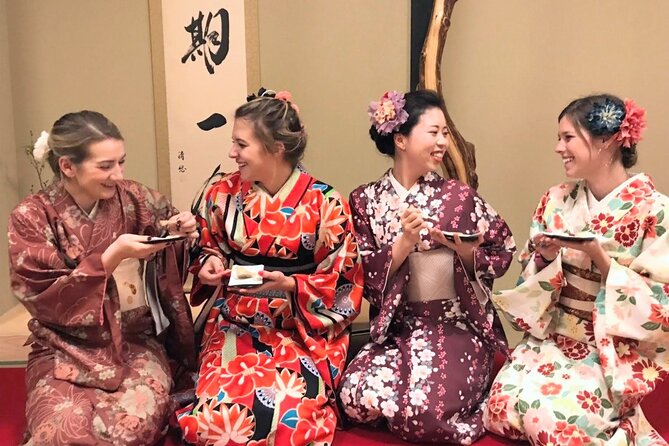
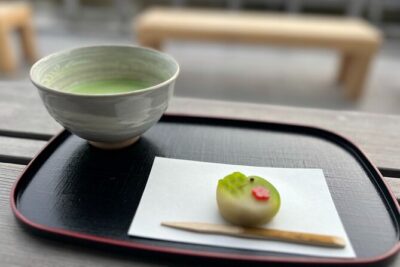
After you make and mix your matcha, you sip it as part of the ceremony, and you get wagashi sweets to go along with it. This is more than a snack. Wagashi is part of how the ceremony balances flavors and texture with the tea, so you taste the full ritual rather than just the drink.
If you’re watching your sugar intake, keep in mind the sweets are part of the experience. The portion is likely small enough to enjoy without feeling stuffed, and it gives you something sweet to contrast with the matcha’s character.

Timing That Fits Kyoto: Morning or Afternoon
You can choose a morning or afternoon timing. That’s practical in Kyoto, where you might be planning temple time, shopping, or a walk along the canals depending on the day. Morning can pair well with calmer streets and a fresh start. Afternoon can work better if you want a slower start and want the ceremony to break up your day.
The ceremony runs about 1 hour 30 minutes, so it’s long enough to feel meaningful but short enough to slot in between other Kyoto plans. I’d avoid booking it as your very first activity if you’re arriving late, since you still need time to get yourself to the Nishiki address and get dressed.
Price and Value: What You’re Paying For at $65.66
At $65.66 per person, the price can look like “just a tea thing.” But it’s not only tea. You’re paying for the full setup: kimono rental, help dressing you properly, the matcha and utensils, and for ladies, hairstyling.
That bundling is the value. Finding a separate kimono shop, sorting out fitting time, then trying to line up a tea ceremony is extra stress. Here, your prep and education happen in one place, in about 90 minutes.
It also helps that the overall satisfaction is very high (a 4.8 rating and 96% recommended), and it’s been one of the most booked experiences recently. That doesn’t guarantee your specific session will be identical, but it is a strong signal that the format works well.
If you’re traveling solo, this price also feels fair because you get personal attention during dressing and the tea steps rather than only being a background observer.
Small Group Feel: Intimate Enough to Hear the Details
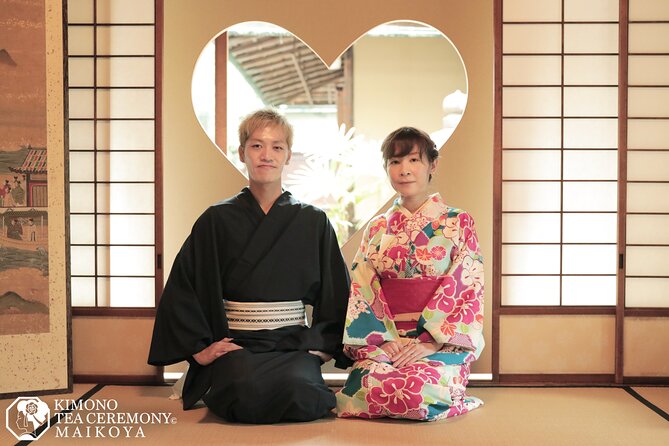
Your booking is capped at a maximum of 2 travelers, but your session may still include other participants booked through the venue. In other words, it’s not a private one-on-one show, but it’s also not a giant auditorium.
I like the balance here because the host can still guide everyone through the utensils and teach the steps. If you’re the type who asks questions, this setup generally gives you a better chance to interact than a larger group class would.
What’s Included and What You Handle Yourself
Included:
- Kimono costume
- Green tea (matcha)
- Utensils
- Hairstyling (simple style)
- Snacks
Not included:
- Transportation
- Hotel pickup and drop-off
So the main thing you handle is getting to the address. Once you’re there, the experience is largely taken care of for you.
Also note the meeting point and end point are the same. That means you can plan around it like a scheduled appointment rather than trying to coordinate a separate drop-off.
Weather Matters, Because You’re in Kyoto
The experience requires good weather. If it’s canceled due to poor weather, you’ll be offered a different date or a full refund. Kyoto can be unpredictable, so if your travel dates are tight, it’s smart to schedule this when you have a bit of flexibility built in.
Who This Experience Is For (and Who Might Skip It)
This tour fits best if you want more than a quick photo op. If you like learning how traditions work, seeing the tools, and doing the steps yourself, you’ll likely enjoy it a lot.
It also suits couples, friends, and family groups where everyone is ready to slow down for a calm, structured experience.
A couple of practical notes:
- Children under 7 can’t enter the venue, so you’ll need to plan around that if you’re traveling with younger kids.
- If you’re the type who hates changing clothes or sitting on the floor, consider your comfort level first. The kimono and tatami setup are central to the experience.
Should You Book Kyoto Maikoya’s Kimono Tea Ceremony at Nishiki?
I think you should book this if you want a smooth, well-organized way to experience Kyoto tea culture without doing extra planning. The combo of kimono dressing help, host-led matcha making, and wagashi pairing makes it feel complete, not like a short stop that leaves you wondering what you missed.
Book it with confidence if you’re excited by the ritual itself and you’re okay handling your own transportation. Skip it only if you strongly prefer tours with zero waiting, zero costume changes, and no hands-on components.
If you want a Kyoto activity that turns into a memory you can explain later, this one is a strong pick.