REVIEW · KYOTO
Kyoto: Tea Ceremony Meditation – Make Matcha with Tea Master
Book on GetYourGuide →Operated by aeru · Bookable on GetYourGuide
Kyoto slows you down with a whisk. This matcha session lets you step into a 100-year-old townhouse and learn the Omotesenke approach from an English-speaking tea master in a calm, respectful way.
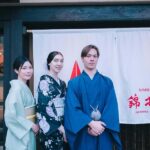
What I like most is how it’s truly hands-on, not a quick demo. You’ll make your own bowl and ask questions in a small group (up to 10). One catch: kimono rental isn’t included, so if that’s part of your plan, you’ll need to arrange it separately.
In This Review
- Key points to know before you go
- Inside a 100-year-old townhouse: why the setting matters
- Your 45 minutes of matcha meditation: the flow of the ceremony
- Making matcha yourself: etiquette, tools, and what to watch for
- The sweet moment: how the included tasting fits the ritual
- Small group size up to 10: why it feels personal
- Handcrafted utensils and souvenirs: what you can take home
- Meeting point and getting there fast in Kyoto center
- Price and value: is $45 fair for 45 minutes?
- Who should book this matcha lesson (and who might not)
- Should you book Kyoto: Tea Ceremony Meditation – Make Matcha with Tea Master?
- FAQ
- How long is the Kyoto tea ceremony workshop?
- How much does it cost?
- Is the instruction available in English?
- How many people are in the group?
- Is kimono rental included?
- Are food and drinks allowed during the ceremony?
- Where do I meet for the experience?
- What’s the cancellation and booking flexibility?
Key points to know before you go
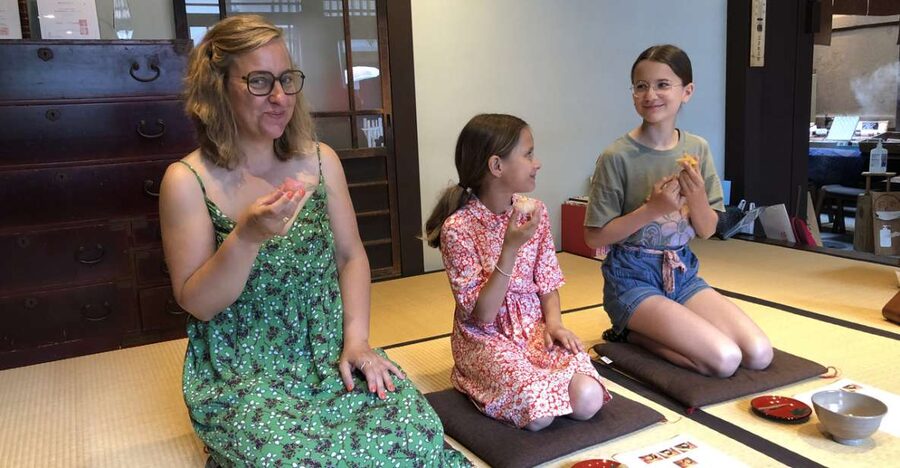
- 100-year-old Kyoto townhouse setting for a real change of pace
- Omotesenke-trained host guiding you through the ritual in English
- You whisk and make matcha using authentic, handcrafted utensils
- Small group (max 10) so Q&A actually feels like Q&A
- One matcha cup plus traditional sweets included
- Utensils and related items are available to purchase at the end
Inside a 100-year-old townhouse: why the setting matters
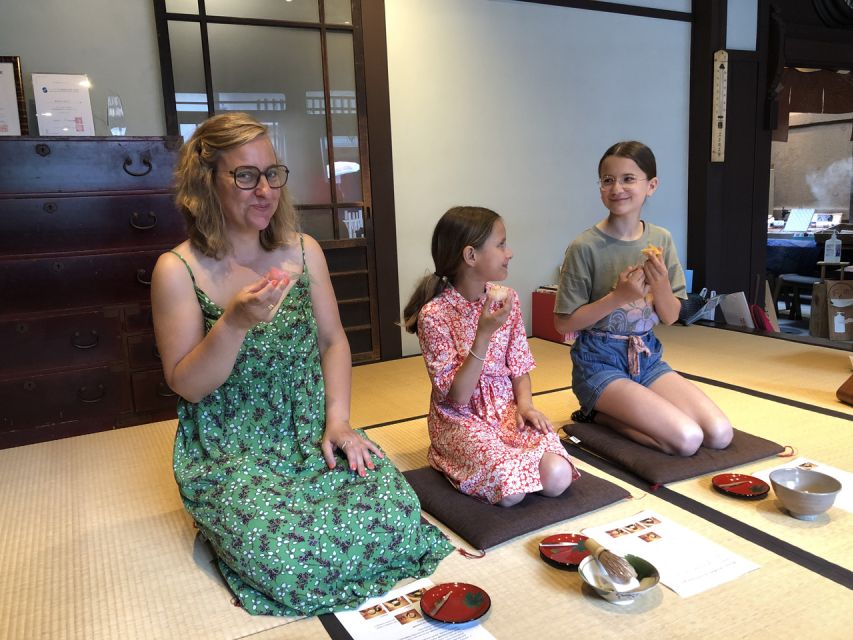
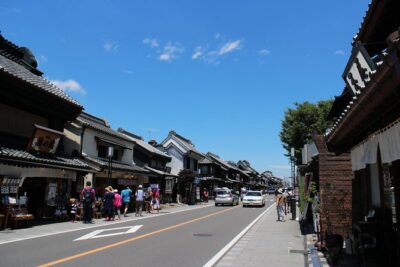
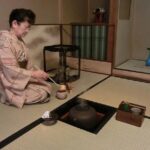
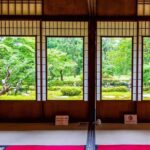
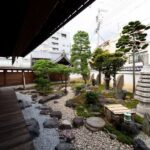
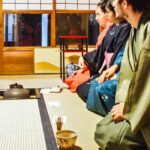
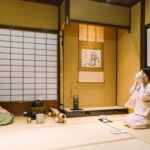
Kyoto has lots of “tea experiences,” but this one is built around atmosphere that feels like it has rules for a reason. You’ll enter a traditional home in Kyoto that’s about a century old, where tatami and quiet space do a lot of the work for you. It’s the kind of place that naturally makes you slow your breathing and pay attention to small movements.
The other big reason this works is the teaching style. The host is trained in Omotesenke, one of Japan’s most respected schools of tea ceremony. That matters because it shapes how they explain etiquette—how you hold the bowl, how you present and receive tea, and how the whole exchange is meant to feel.
And yes, it’s also practical. You’re not just watching. The goal is that you leave knowing how to make matcha yourself, using the same kind of handcrafted tools you used in class. That turns a “sightseeing stop” into a skill you can repeat later at home.
You can also read our reviews of more tours and experiences in Kyoto.
Your 45 minutes of matcha meditation: the flow of the ceremony
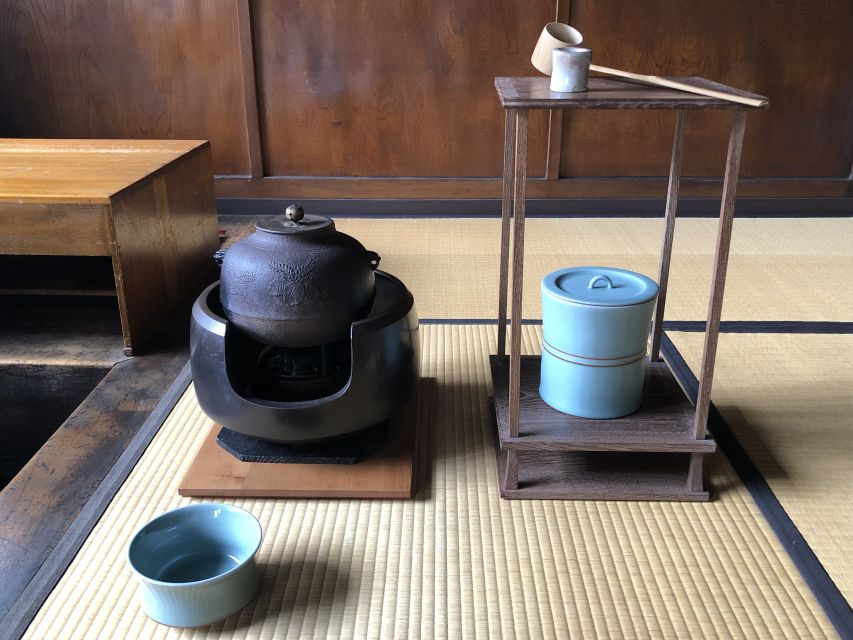
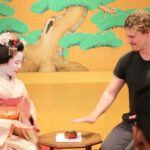
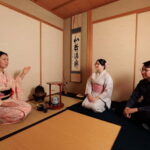
The total time is 45 minutes, and the pace is gentle on purpose. You’ll start by settling into the space and getting an introduction to the ceremony—what matcha is, why the ritual is structured, and how the host thinks about mindfulness through tea. The ceremony is explained in English, so you won’t feel lost while the details pile up.
Then you’ll watch a demonstration of the matcha preparation and etiquette. This part is useful even if you think you already know what matcha is. You’ll notice how each step has a purpose: how the whisk and bowl are used, the care in handling utensils, and the idea that preparation is part of the experience—not just the “before” to get to the taste.
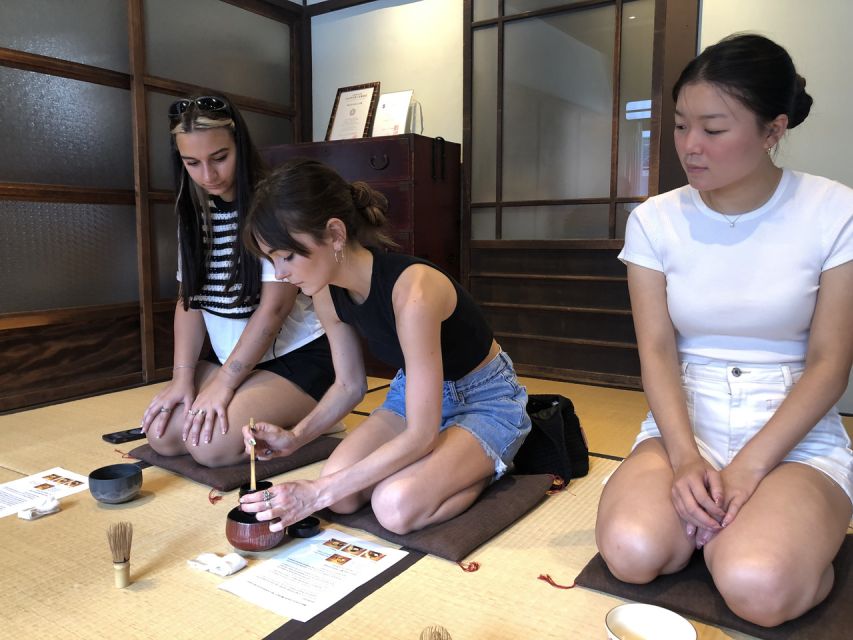
After the demo, it becomes hands-on. You’ll follow the tea master’s guidance to make your own bowl of matcha. This is where the time feels right: long enough to learn the steps and actually do them, short enough that you can keep your focus without getting tired or rushed.
Finally, you’ll enjoy your freshly prepared matcha with a traditional Japanese sweet. It’s a simple finish, but it’s also the point: you learn a ritual, then you taste the result in the same calm setting.
Making matcha yourself: etiquette, tools, and what to watch for
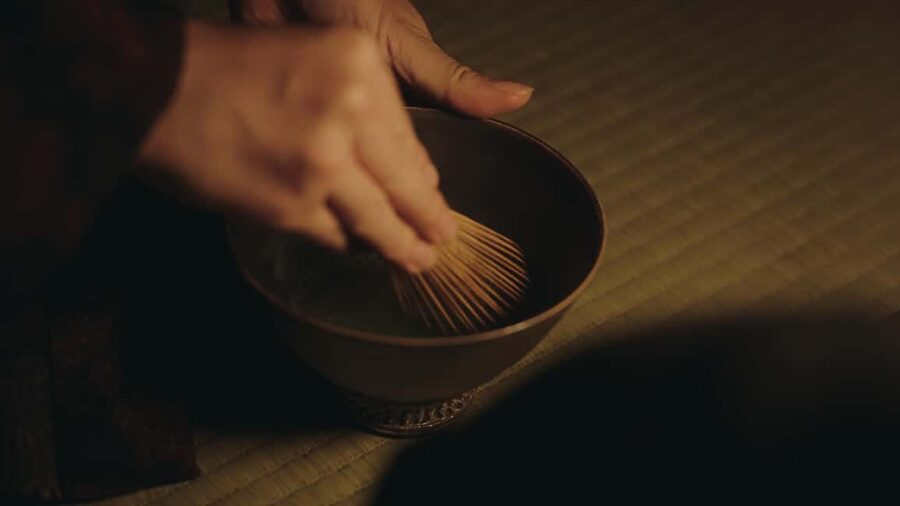
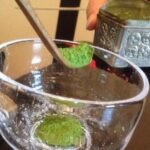
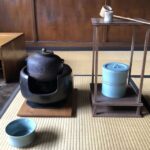
This is a matcha lesson designed to help you do it, not just understand it. You’ll use authentic, handcrafted utensils made by skilled artisans. That detail matters more than it sounds. Better tools make the process easier to learn, and they also teach you what “real” looks like—how whisking and handling feel when everything is the right size and shape.
You’ll also get guidance on etiquette, which is the part that separates casual tea from tea ceremony. In plain terms, etiquette is about respect: for the host, the utensils, and the quiet space you’re sharing with others. The tea master trained in Omotesenke will coach you through those motions, step by step, so you’re not guessing.
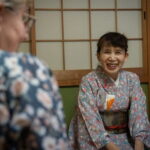
One of the most praised parts in the experience is the English-speaking interaction. The tea masters welcome questions, and you can ask about tea and Japanese culture beyond the whisking sequence. I’d treat the Q&A like part of the lesson. If you want to leave with something you can explain to friends later, ask why certain steps exist, not just what you’re supposed to do next.
The sweet moment: how the included tasting fits the ritual
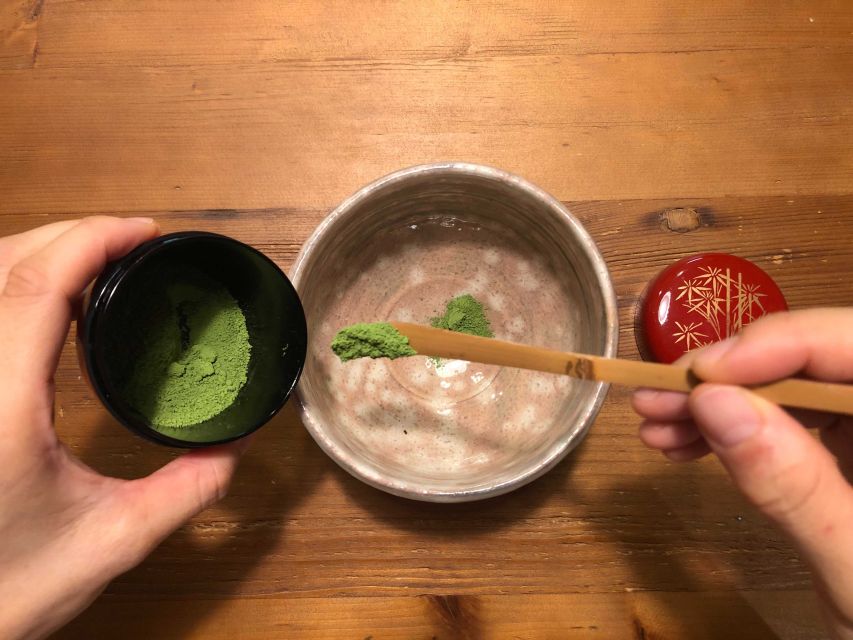
You get one cup of matcha plus a traditional sweet. That’s exactly what you want for a 45-minute class: enough to taste what you made without turning the session into a meal. It also helps the ceremony stay focused on preparation and attention.
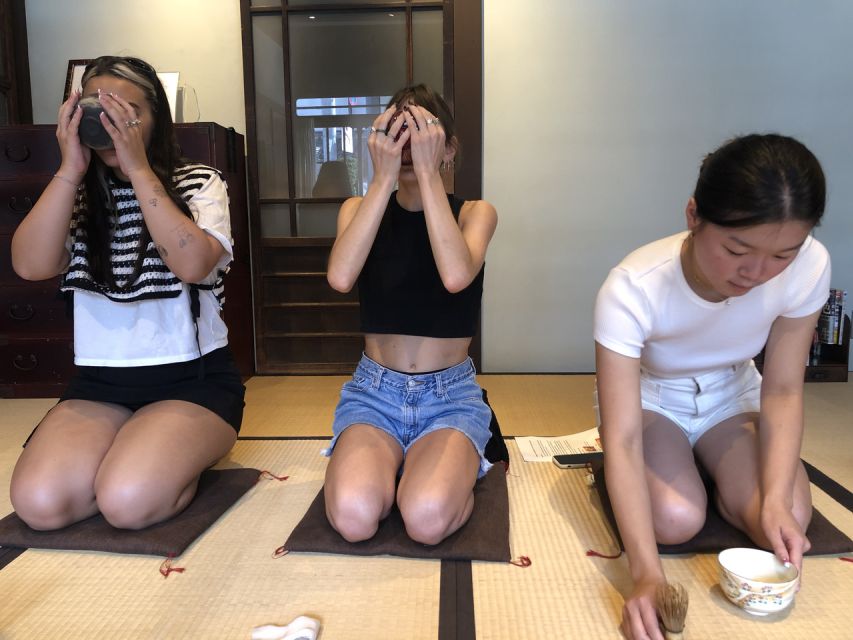
The sweet is there for balance, too. Matcha has a distinct taste and texture, and the traditional pairing gives your palate a reference point. You’re not expected to “rate” it like a food tour. The tasting is part of the mindfulness—pause, take a sip, notice what changes after the first moment.
Also, a practical note: food and drinks aren’t allowed in the venue. The space is limited, and it’s not suitable for eating. So if you want to snack, do it before you arrive. Once you’re inside, plan to concentrate on tea.
Small group size up to 10: why it feels personal
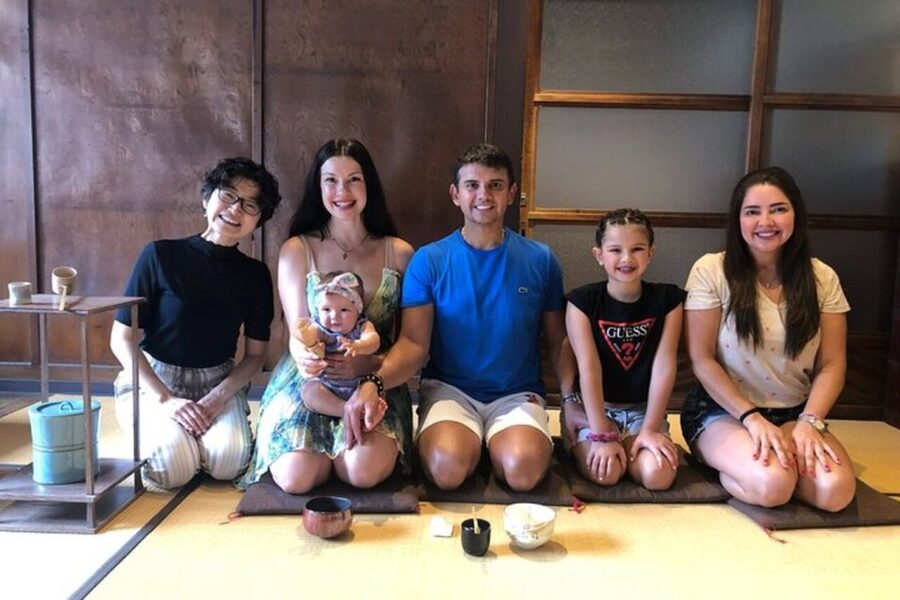
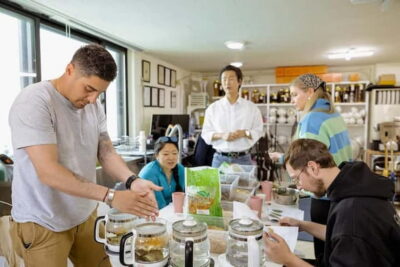
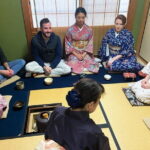
This activity is limited to 10 participants, and that’s a big reason it performs so well. In a smaller room, your questions aren’t competing with 30 other voices. You get clearer coaching when you’re whisking. And you’re less likely to feel like you’re performing for a group photo timer.
You’ll also meet other people in the same “I really want to get this right” mindset. Some sessions include families, and the tone stays respectful rather than rigid. For kids, it can be a great way to make Japanese culture tangible—something you can touch and try, not just read on a sign.
A fun detail from the reviews: the hosts go beyond tea basics. Names you may see associated with this program include Miki, Aki, Joko, Yoko, and Kiyoka. You won’t always get the exact person, but it gives you an idea of the caliber of English-speaking instruction and patience you can expect.
Handcrafted utensils and souvenirs: what you can take home
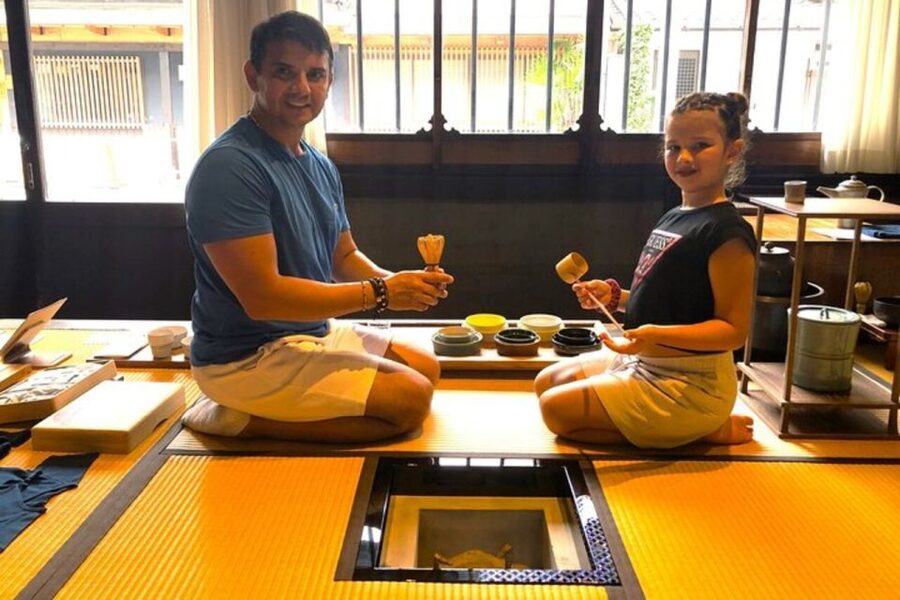
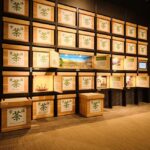
A good tea ceremony experience doesn’t end when you walk out the door. Here, you can browse and purchase Japanese crafts and related items at the end. Reviews specifically mention that the items used—like tea bowls and utensils—are available to buy.
This is the part that helps you translate the ceremony into a memory you can use. If you buy the right utensil set, you can practice matcha at home and repeat at least some of the ritual steps. Even if you don’t buy, the shopping time helps you understand what craftsmanship looks like in real life.
What I like about this approach: it’s not a hard sell. It’s more like a gentle way to keep the experience going after the tea part is finished.
Meeting point and getting there fast in Kyoto center
You won’t have hotel pickup. That’s normal for a short, focused workshop, and it helps you keep control of your day.
The meeting point instructions are pretty clear if you like walking:
- If you’re coming from Karasuma-dori Street, turn at the corner with the Family Mart.
- Go straight for one block.
- Look for the sign for aeru gojo next to Only Corporation and across from Zen Kyoto.
There’s no parking lot. If you’re using a rental bicycle, bikes aren’t allowed inside, so plan to use public parking spaces first. The closest option listed is here: https://maps.app.goo.gl/8vsWCE9rC1dUtW2c8
Two more tips that will save you time:
- Arrive no earlier than 10 minutes before your slot. The space is limited.
- Skip anything strongly scented. Please refrain from perfumes or colognes so the matcha aroma stays clear for everyone.
Price and value: is $45 fair for 45 minutes?
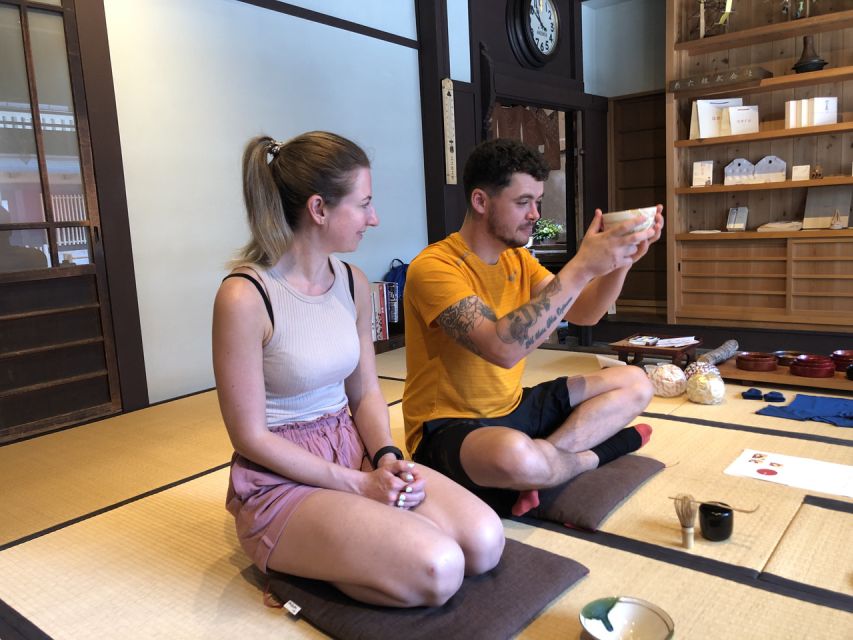
At $45 per person for 45 minutes, the value depends on what you’re comparing it to. If you’re used to bargain “watch and snap a photo” tea stops, this feels like better spending because you do the work yourself. You’re not paying just for tea. You’re paying for guided technique, etiquette coaching, and the chance to practice with real utensils.
Also, the inclusions are straightforward:
- Tea ceremony experience
- 1 cup of matcha tea
- Japanese traditional sweets
And you’re doing it in a traditional Kyoto townhouse with an Omotesenke-trained host, with English instruction and a small group cap of 10. For many visitors, that combination is the real ticket price justification: small group attention plus hands-on learning.
What’s not included is equally important for value judgment. Kimono and hair setting aren’t part of the package, and there’s no hotel pickup. If you expect those, your total cost will be higher. If you want just the tea and the cultural practice, the $45 makes sense.
Who should book this matcha lesson (and who might not)
Book it if you want a meaningful Kyoto activity without a long day. This works well for:
- First-timers who want the basics of matcha and tea ceremony etiquette
- Solo travelers who like a small, calm environment
- Families with kids who can handle short, structured learning (some reviews include children around ages 8–10)
- People who want to ask questions and get real answers, not just “here’s the history” lecturing
You might skip it if:
- You’re expecting kimono rental included
- You want a long food-focused meal experience (this is tea and ritual, and eating isn’t the point)
- You’re sensitive to quiet spaces and prefer a high-energy show
One more practical thing: it’s English-instruction. If you’re comfortable in English and want your questions answered directly, you’ll likely enjoy it more.
Should you book Kyoto: Tea Ceremony Meditation – Make Matcha with Tea Master?
If your goal is a real tea ceremony you can actually repeat at home, I’d book it. The strongest reasons are the 100-year-old townhouse setting, the Omotesenke teaching approach, and the fact that you make your own bowl with handcrafted utensils. Add the small group limit and the strong English Q&A vibe, and this becomes a Kyoto stop that feels worth the time.
If kimono and hair styling are must-haves, plan those separately so there’s no surprise when you arrive. Otherwise, this is the kind of experience that leaves you calmer than you started—and with one new skill you can use long after the Kyoto lights fade.
FAQ
How long is the Kyoto tea ceremony workshop?
It runs for 45 minutes.
How much does it cost?
The price is $45 per person.
Is the instruction available in English?
Yes, the instructor teaches in English.
How many people are in the group?
It’s a small group limited to 10 participants.
Is kimono rental included?
No, kimono and hair setting are not included.
Are food and drinks allowed during the ceremony?
No. Food and drinks are not allowed, and the space is not suitable for eating.
Where do I meet for the experience?
From Karasuma-dori Street, turn at the corner with Family Mart, go straight for one block, and find the aeru gojo sign next to Only Corporation across from Zen Kyoto.
What’s the cancellation and booking flexibility?
You can cancel up to 24 hours in advance for a full refund, and you can reserve and pay later.