REVIEW · KYOTO
The Art of Mindful Living: Tea Ceremony in Kyoto
Book on Viator →Operated by maiyuur culture retreat · Bookable on Viator
Some places slow time down fast. This Kyoto tea ceremony pairs organic Kyoto Uji matcha with calm teaching inside a historic old residence, plus a pretty garden for photos; I especially like the hands-on matcha making and the way the host explains how to drink it. One possible drawback: the location is a bit out of the downtown crush, so you’ll want to plan transit time.
You’ll spend about an hour learning the basics (history, matcha types, and technique), then you’ll sit down for matcha and sweets. For food needs, they can do vegan and allergies, and kids can have cocoa instead of matcha. If you’re hoping for a fast, drop-in show with zero etiquette, this is more like a gentle class than a performance.
In This Review
- Quick hits for mindful matcha in Kyoto
- Finding Kaze no Waon and settling into a calm old house
- The one-hour flow: from tea basics to the quiet ritual
- Organic matcha and Japanese sweets: what you actually get to eat
- Making your own matcha: the skill you take home
- Kimono rental and the photo rules you should know
- Group size, private sessions, and how flexible it feels
- Price and value: is $44.42 really fair?
- Should you book this tea ceremony in Kyoto?
- FAQ
- How long is the tea ceremony?
- What is included in the price?
- Can I choose the Japanese sweet?
- Is the experience vegan-friendly or allergy-safe?
- Do children have matcha?
- Are kimono rentals available?
- Can I book a private tea ceremony?
- Can I take photos during the ceremony?
- What if I’m traveling with a stroller?
- What is the cancellation rule?
Quick hits for mindful matcha in Kyoto
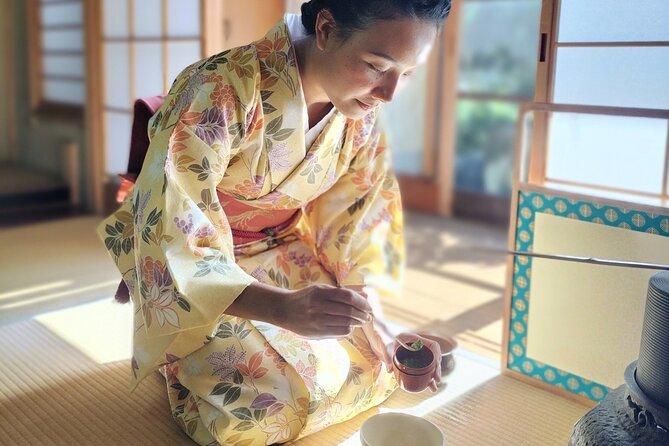
- Organic Uji matcha from Kyoto is used, so your cup isn’t just ceremonial—it’s meant to taste good
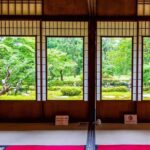
- A real garden moment: you can take photos before the tea begins, and the setting feels quiet even while you’re in town
- One sweet included (choose bean paste cake or fresh fruit daifuku), with an option to try both
- Hands-on matcha making is part of the session, not just watching
- Kimono and photo props are optional extras, and the rules around rainy photos matter
Finding Kaze no Waon and settling into a calm old house
The experience starts at Kaze no Waon, 14 Utanokitanoinchō, Ukyo Ward, Kyoto (mobile ticket check-in). From the venue side, you’re near public transportation, but the area is away from Kyoto’s busiest core. I’d treat it like a “go on purpose” stop, not something you tack on between shopping streets.
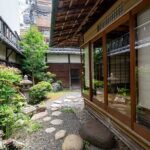
When you arrive, the first win is time in the garden. You can take photos there before the ceremony begins, which means you’re not stuck trying to capture everything after the formal part starts. Chairs are provided, so you can focus on the moment instead of spending the hour searching for a comfortable position.
A practical note: if you’re using a stroller, you can enter the premises, but you can’t bring it inside the building. Plan on a little carry/shift time inside.
You can also read our reviews of more tours and experiences in Kyoto.
The one-hour flow: from tea basics to the quiet ritual
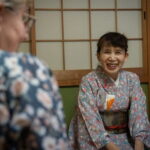
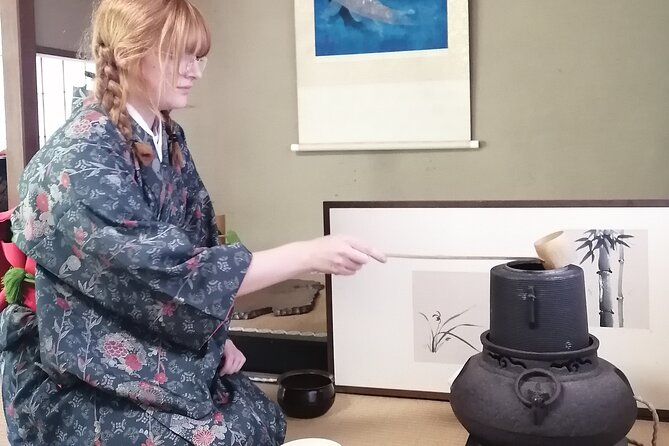
This is roughly a one-hour tea ceremony, and the pacing is built around learning + doing. You start with an explanation led by Naomi (she’s the host many visitors highlight), covering the tea ceremony basics and how to drink matcha.
The teaching is structured, not random. Expect the host to cover things like:
- matcha effects (as presented in the session)
- the types of matcha and Japanese tea
- how to drink matcha correctly
If you like culture that comes with a few concrete details you can use later, this format is a good match. You’re not just told that matcha is important—you’re shown how to approach it.
And yes, the tone tends to be soothing. One review mentions how the ceremony felt like meditation beyond matcha. That matches what this kind of session is aiming for: slow your mind down long enough to actually taste what’s in front of you.
Organic matcha and Japanese sweets: what you actually get to eat
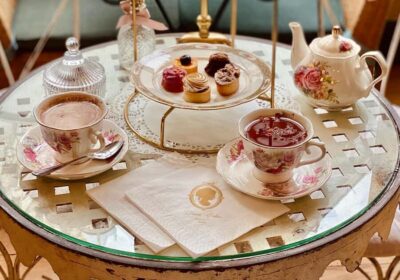
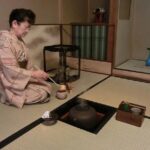
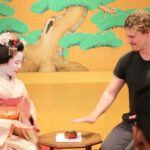
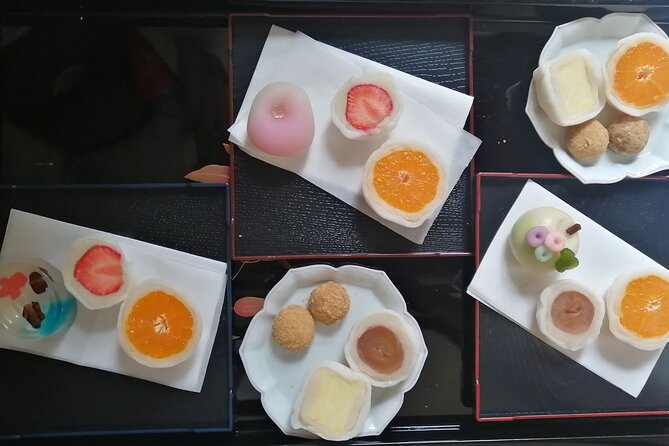
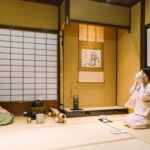
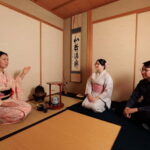
After the intro, you move into the tea ceremony room and settle in with sweets and matcha. You’ll enjoy matcha along with a Japanese sweet cake. The session includes one sweet per person already in the price.
You can choose between:
- a traditional bean paste sweet, or
- fresh fruit daifuku
There’s also an option if you want both: an additional fee of ¥500 per person. For anyone who loves dessert, that small add-on can be an easy way to make the hour feel like more than a single taste.
Food needs are taken seriously. The session can accommodate allergies and vegan requests, and children can have cocoa instead of matcha. That matters, because it means the ritual doesn’t feel like a one-size-fits-all test of who can handle bitterness.
On taste: visitors consistently mention the matcha as high quality and delicious, and that sweets included things like soft mochi-style textures with fruit plus a small cookie. Even if you’ve had matcha before, this is still worth it for the way the ceremony frames flavor and pace.
Making your own matcha: the skill you take home
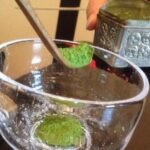
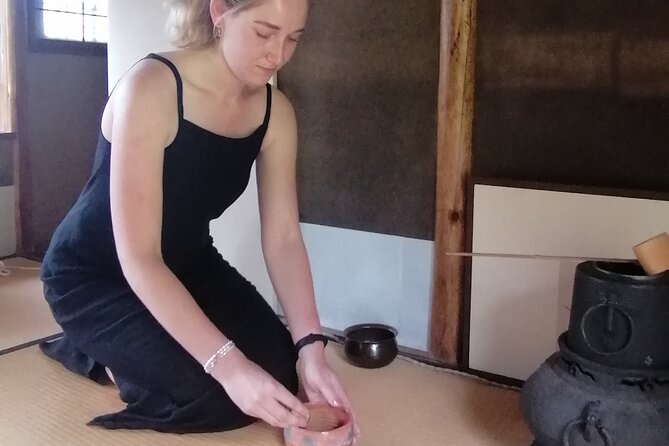
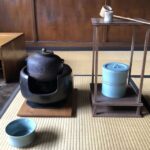
The best part of this kind of experience is usually the doing. Here, you get to try making matcha yourself, not just watch someone else whisk.
In the session, you’ll go from learning the basics to trying the technique. That’s what makes it stick. Once you’ve made your own cup, you start noticing things you’d otherwise miss: texture, foam, and how the whole drink feels when you’re not rushing.
This is also where the “mindful” side becomes practical. It’s hard to be distracted when your hands are doing the steps and your brain is trying to follow the rhythm. If you’ve ever wanted a cultural experience that doesn’t vanish the moment you walk out the door, this part is the anchor.
Kimono rental and the photo rules you should know
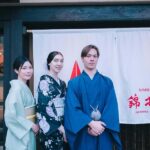
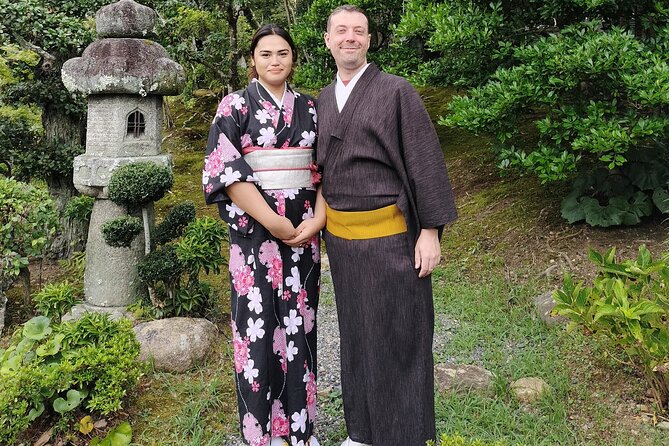
Yes, you can add kimono. Rental kimono is ¥4000, and there are other options too:
- hakama: ¥8000
- baby romper-type kimono: ¥600
- undershirt rental: ¥200
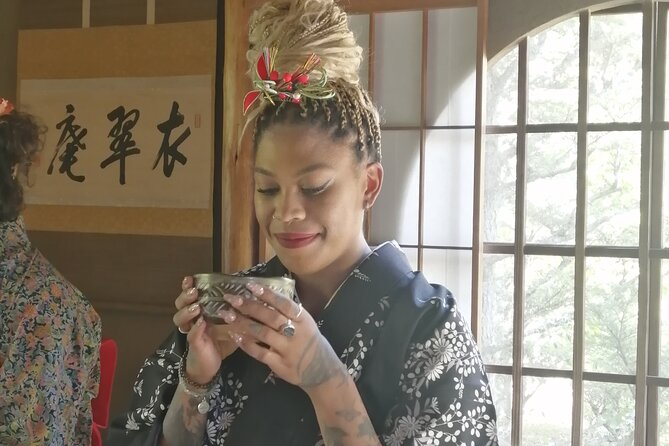
There’s no hair set or makeup included. If you do rent a kimono, the host provides hair accessories you can use freely. That’s a nice compromise: you get the look, without paying extra for full salon prep.
One thing to watch: you can take photos during the tea ceremony, and you can also shoot photos in the garden beforehand. In rain, you can still take photos while holding an umbrella. But they note that photos while wearing kimono are not possible if it’s wet and you’re not using an umbrella. So if there’s any rain in the forecast, plan for an umbrella moment to protect both the outfit and your photos.
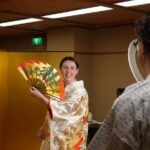
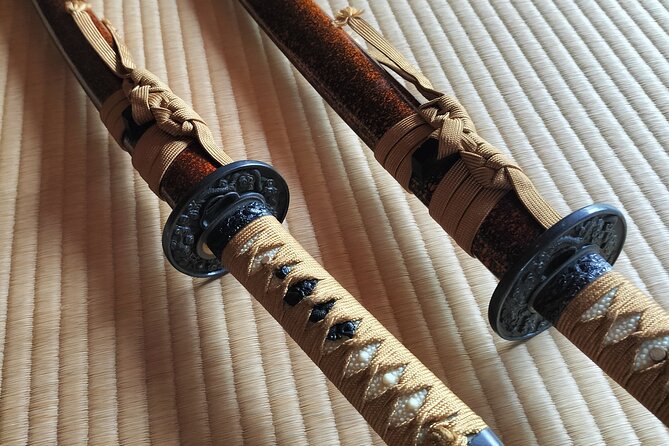
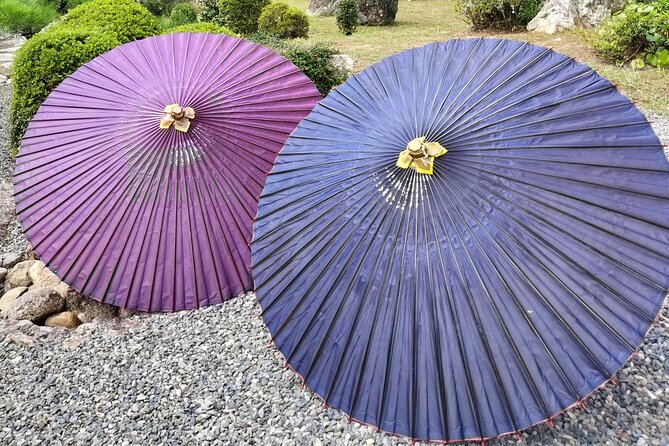
There’s also a fun private-session photo add-on. For private tea ceremony experiences, guests can use a Japanese traditional umbrella and an imitation sword—only for taking pictures. If you’re going for a special memory set, this is the extra that adds some playful theater to the quiet ritual.
Also: sessions use chairs, and kimono doesn’t mean you’re trapped in a floor-sitting endurance contest.
Group size, private sessions, and how flexible it feels
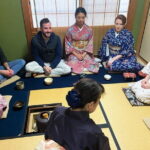
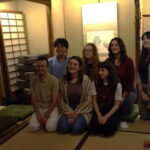
Group sessions have a maximum of 6 travelers. At the same time, they say they can accommodate sessions with more than 6 participants. Translation: small-group energy, but you likely won’t feel like the whole room is one huge crowd.
If you want more one-on-one attention, private sessions are available. The host asks that you contact before booking if you want to do it privately, especially if you want the special umbrella/sword photo option.
For English-speaking visitors, reviews highlight strong communication, and Naomi is repeatedly mentioned as welcoming and engaging. For me, that’s key with tea ceremony. You want to understand what’s happening—otherwise it can feel like following motions without context.
Price and value: is $44.42 really fair?
At $44.42 per person, this isn’t a big-ticket Kyoto splurge, and it doesn’t feel overpriced for what’s included. You get:
- the tea ceremony itself (about an hour)
- matcha, plus Japanese sweets (one sweet included)
- instruction and explanation (history, matcha types, and how to drink matcha)
- hands-on matcha making
- snacks
- the option to handle vegan or allergy needs
- chairs provided
Alcohol isn’t included, which is pretty standard for tea-focused experiences. The value question is really: do you care about learning plus doing, in a real setting, not just posing? If yes, this price makes sense.
Kimono is the main “budget variable.” If you add the ¥4000 kimono rental, you’re paying extra for the full experience look. And if you want both sweets, the ¥500-per-person add-on costs more. Even with those options, the core experience still includes what matters most: the tea ceremony and the matcha-making practice.
One more practical detail: this is often booked about 13 days in advance, so if your dates are fixed, don’t wait until the last minute.
Should you book this tea ceremony in Kyoto?
Book it if you want Kyoto culture that’s calm, structured, and useful after you leave. This session is ideal for people who like learning in small doses, tasting carefully, and taking part with your own hands.
I’d especially consider it if:
- you want organic Kyoto Uji matcha and a proper explanation of how to drink it
- you care about the setting (garden photos before the ceremony are a real plus)
- you want kid-friendly options (cocoa instead of matcha)
- you have vegan or allergy needs and want them handled
You might skip or switch plans if:
- you hate the idea of a slightly out-of-the-way location and don’t want to factor in transit time
- you’re looking for a purely sightseeing-style stop with no instruction and no hands-on learning
If your goal is a quiet, high-attention-hour in Kyoto—this is the type of experience you can actually remember, not just one you check off.
FAQ
How long is the tea ceremony?
It lasts about 1 hour.
What is included in the price?
Snacks are included, and the session includes matcha plus Japanese sweets (one sweet is included in the price).
Can I choose the Japanese sweet?
Yes. You can choose either a traditional bean paste sweet cake or fresh fruit daifuku. If you want both, there’s an additional fee of ¥500 per person.
Is the experience vegan-friendly or allergy-safe?
Yes. Food allergy and vegan options are available.
Do children have matcha?
Children can have cocoa instead of matcha.
Are kimono rentals available?
Yes. Rental kimono is ¥4000. There are also other kimono-related options such as hakama (¥8000), baby romper-type kimono (¥600), and an undershirt rental (¥200). Hair set and makeup are not included, but hair accessories are provided.
Can I book a private tea ceremony?
Yes. Private sessions are available, but you need to contact before booking.
Can I take photos during the ceremony?
Yes. You can take photos during the tea ceremony, and you can also take photos in the garden before it starts. In rain, photos are possible while holding an umbrella, but not while wearing kimono without an umbrella in wet conditions.
What if I’m traveling with a stroller?
You can enter the premises with a stroller, but you cannot bring it inside the building.
What is the cancellation rule?
You can cancel for a full refund up to 24 hours before the experience’s start time. The experience requires good weather, and if it’s canceled due to poor weather you’ll be offered a different date or a full refund.