REVIEW · HANGZHOU
Day Tour to Discover the Secrets of Hangzhou’s Tea Culture
Book on Viator →Operated by China Private Tours · Bookable on Viator
Tea lovers get a rare day outside crowds. This private Hangzhou tour connects Longjing (dragonwell tea) with the places that shaped it: West Lake area villages, the China National Tea Museum, and the famous tea bushes tied to an emperor’s attention in the 1700s. I especially like that the day is guided well, with names like Bonnie, Ivy, Sharon, and Nancy showing up again and again as strong matches for tea-curious visitors.
Two things I like most: you get a real tea-production stop at Meijiawu Tea Village with tea tasting, not just photos, and entrance fees plus an English-speaking guide are handled for you. One consideration: the itinerary is tight—about 6 hours—so if you want a long, slow linger at West Lake or lots of shopping time, you may feel time-capped at the end.
In This Review
- Key highlights worth your attention
- Longjing Tea Near West Lake: What You’re Really Paying For
- West Lake Stop: Getting Your Bearings Before Tea History
- China National Tea Museum: How Tea Culture Gets Organized
- Eighteen Imperial Tea Bushes: The Emperor-Era Hook
- Meijiawu Tea Village: Tea Production You Can Actually Picture
- Qinghefang (Hefang Street): A Practical, Hangzhou-Style Finish
- Lunch Options: What You Should Know Before You Choose
- Price and Logistics: Is $161 Worth It?
- What Kind of Traveler This Tour Suits Best
- Quick practical tips before you go
- Should You Book This Longjing Tea Culture Day?
- FAQ
- How long is the Longjing tea culture day tour?
- What stops are included in the itinerary?
- Is pickup and drop-off included?
- What’s included in the price besides the guide?
- Is lunch included?
- Is the tour private?
- Does the tour run in bad weather?
- Is the tour good for families?
- What is the cancellation policy?
Key highlights worth your attention
- Longjing at the source near West Lake: You go south of West Lake to the tea-growing area tied to dragonwell tea.
- Eighteen Imperial Tea Bushes story: Learn why these bushes became famous after attention from an emperor in the 1700s.
- China National Tea Museum: A structured way to understand how tea culture developed.
- Meijiawu Tea Village production view: See how tea is made and what farmers focus on.
- Tea tasting included: You taste what you’re learning, right where it’s grown.
- Qinghefang (Hefang Street) walk: A practical finishing stop on Hangzhou’s pedestrian street.
Longjing Tea Near West Lake: What You’re Really Paying For
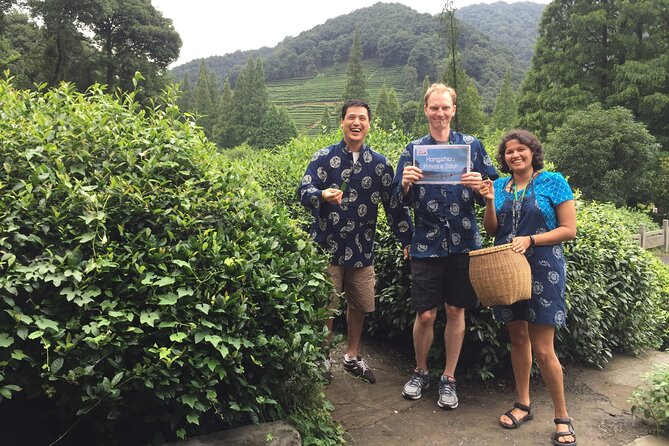
Hangzhou’s Longjing tea is one of those foods you hear about before you ever taste it. This tour is built to answer the obvious questions: Where does it come from, why does it matter, and how does tea culture turn into a living practice?
You’re paying for more than transport. Your ticket price covers an English-speaking expert guide, entrance fees for the stops, hotel (or train station) pickup and drop-off, and even the little comforts that keep the day from turning into a logistics headache—an AC car, unlimited bottled water, and WiFi onboard. For $161 per person, that package can feel like good value if you’d otherwise be paying admissions, hunting taxis, and translating your way through multiple sites.
And it’s private. Only your group participates, which matters when you’re trying to ask questions about tea processing and tasting.
You can also read our reviews of more tours and experiences in Hangzhou.

West Lake Stop: Getting Your Bearings Before Tea History
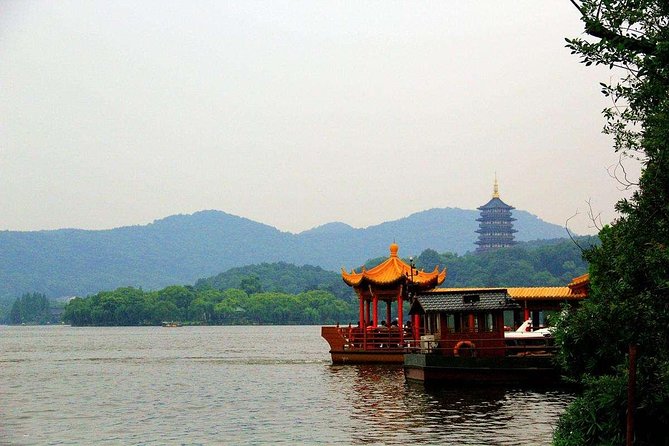
Your day starts with pickup, then a first stop around West Lake (Xi Hu). You get about 1 hour here, and your admission ticket is included.
This first timing is smart. West Lake is the emotional gateway to Hangzhou. Even if you’re not trying to “check the sights” for hours, it helps to see the area before you go looking for tea bushes and production steps. The ride itself also helps: you’ll be in an AC car with scenic views, so the trip feels like part of the experience, not just getting from A to B.
Practical note: wear comfortable walking shoes. The schedule later includes a pedestrian street area, and you’ll want your feet to feel fresh.
China National Tea Museum: How Tea Culture Gets Organized
Next comes the China National Tea Museum, with about 1 hour 30 minutes on the clock. This is where the day earns its “secrets” promise—because museum time gives tea culture a framework.
Your guide does the heavy lifting here. Instead of reading labels like you’re speed-running a textbook, you’ll get explanations that connect what you see to how tea culture formed around the region. The museum also sets up what’s next: the story of famed tea bushes and the real-world process of making Longjing tea.
If you’re the type who likes to understand the “why” before the “taste,” this stop is a good match. Even if your tea knowledge is basic, you’ll leave with a clearer map of what you’re looking at when you reach the villages.
Eighteen Imperial Tea Bushes: The Emperor-Era Hook
After the museum, you’re headed into the tea-growing story tied to the Eighteen Imperial Tea Bushes—made famous by an emperor’s attention in the 1700s. This part of the day is memorable because it connects legend, place, and cultivation.
What I like about this angle is that it doesn’t feel like random folklore. You’re learning how a specific area’s tea became known beyond its local use, and why that history matters to today’s reputation. You’re not just hearing that Longjing is famous—you’re learning how that fame got attached to living plants.
Your guide’s job here is important. Tea can turn abstract fast. With a real explanation, you can focus on the details that actually help you understand what you’re seeing—rather than getting distracted by the idea that this is all just “old stories.”
Meijiawu Tea Village: Tea Production You Can Actually Picture
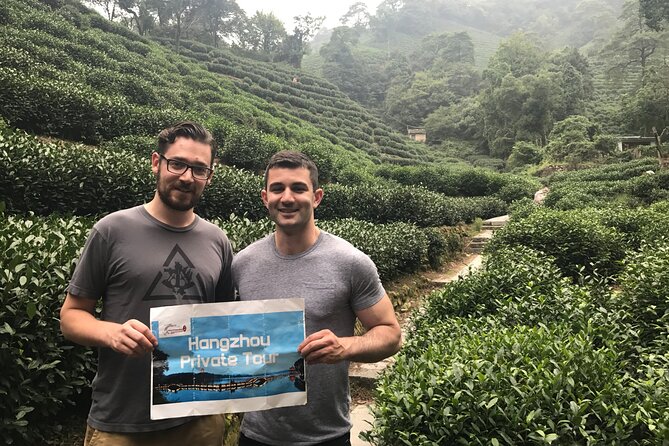
The biggest chunk of the day—about 2 hours 20 minutes—is at Hangzhou Longjingshan Tea Cultural Village, specifically Meijiawu Tea Village. This is the heart of the experience.
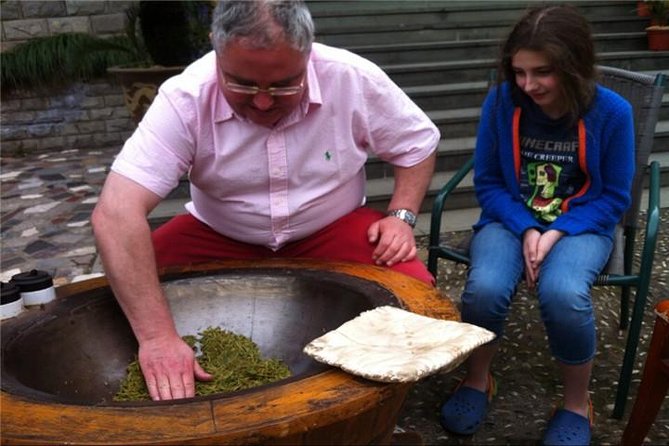
Here’s the value: you’re not only touring. You’re shown tea production in a way that’s easier to visualize because it’s tied to the landscape and the work of tea farmers. Your guide becomes more than a storyteller; they act like a translator between what you see and what it means in tea-making terms.
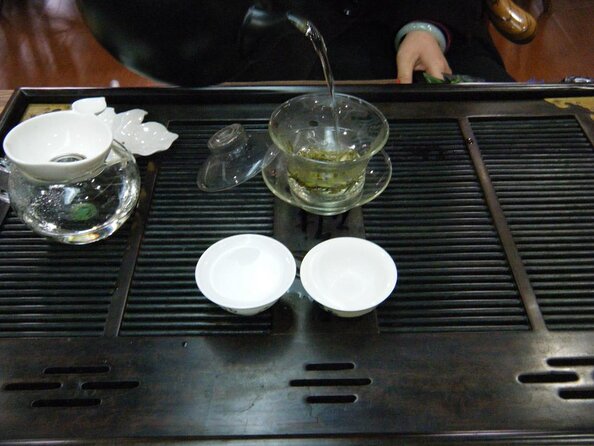
You’ll also get welcomed into a traditional tea-house setting. Then the day moves into the part you’ll remember most: tea tasting at the tea village.
If you’ve ever tasted a “high-end” tea and wondered whether you’re supposed to notice differences, this is the right kind of stop. A guided tasting helps you compare impressions and understand what to focus on, instead of leaving you with a plate of leaves and a shrug.
Qinghefang (Hefang Street): A Practical, Hangzhou-Style Finish
With your tea education underway, your final major stop is Qinghefang (Hefang Street), about 1 hour. This is a pedestrian, city-walking kind of break—good for changing gears after museum and tea village time.
This stop is useful even if you don’t shop. It’s a chance to see the day’s themes land back in the city—Hangzhou’s everyday culture right after your tea-focused learning.
One caution: because the earlier stops take most of the time, you’ll want to treat Hefang Street as a stroll and not a second day. Bring your curiosity, not a shopping marathon plan.
Lunch Options: What You Should Know Before You Choose
Lunch is offered depending on the option you select. If you book the all-inclusive tour option, lunch is included. You also have options: you can purchase lunch at a local restaurant or have a homecooked meal at a local farmer’s home.
Here’s how I’d think about it:
- If you want the simplest plan with less uncertainty, choose the included lunch option.
- If you like the idea of a meal tied to the farming side of tea culture, the farmer’s-home option can add warmth to the day.
If you have dietary needs, advise them at booking. The tour notes that you should share any specific dietary requirements ahead of time.
Price and Logistics: Is $161 Worth It?
Let’s talk about money in a real way. This tour runs about 6 hours, and it includes a lot: pickup and drop-off, an English-speaking guide, entrance fees, AC car transport, unlimited bottled water, onboard WiFi, and tea tasting.
If you tried to do this independently, you’d likely pay:
- transport across multiple locations,
- museum and tea-site admissions,
- and a guided layer for tea history and tasting.
When you add those pieces together, the $161 per person can start to look less like a splurge and more like “buying back your time” and reducing decision stress.
It’s also booked well in advance on average (about 62 days). That suggests it’s a popular day plan, especially for people who want Longjing without spending their vacation juggling tickets and directions.
What Kind of Traveler This Tour Suits Best
This is a great fit if you:
- want Longjing tea culture in one day,
- like structured learning (museum + production village),
- and enjoy tasting experiences with guidance.
It’s also a strong choice for couples or small groups because it stays private—you’re not fighting for attention.
You might want to skip or adjust your expectations if you:
- want a slower, longer West Lake day with minimal touring,
- aren’t interested in tea culture beyond general sightseeing,
- or dislike schedules that move you through multiple stops.
Quick practical tips before you go
This tour operates in all weather conditions, so dress appropriately. Plan for walking, and stick to comfortable shoes. Confirmation is received at booking, and children must be accompanied by an adult. Service animals are allowed, and the tour notes it’s near public transportation.
If tea tasting matters to you, remember it’s included at the tea village, so you’re not stuck trying to find a place to buy or sample tea later.
Should You Book This Longjing Tea Culture Day?
Yes—if your goal is to understand Longjing tea where it actually comes from. The combination of the China National Tea Museum, the Eighteen Imperial Tea Bushes story, and the hands-on-feeling stop at Meijiawu Tea Village makes this more than a photo day.
I’d book it especially if you want an easy day plan with admissions and guide time handled, plus the best part: tea tasting in context. Just go in knowing the schedule is packed, and treat the West Lake and Hefang Street portions as the gentle opening and closing chapters—not the whole novel.
FAQ
How long is the Longjing tea culture day tour?
It’s about 6 hours.
What stops are included in the itinerary?
The tour includes West Lake, the China National Tea Museum, Hangzhou Longjingshan Tea Cultural Village (Meijiawu Tea Village), and Qinghefang (Hefang Street).
Is pickup and drop-off included?
Yes. Hotel or train station pickup and drop-off are included.
What’s included in the price besides the guide?
Entrance fees for the attractions are included, plus an AC car, unlimited bottled water, WiFi onboard, and tea tasting at the tea village.
Is lunch included?
Lunch is included only if you book the all-inclusive tour option. Otherwise, there’s an option to purchase lunch at a local restaurant or have a homecooked meal at a local farmer’s home.
Is the tour private?
Yes. It’s a private tour/activity, and only your group participates.
Does the tour run in bad weather?
It operates in all weather conditions, so dress appropriately.
Is the tour good for families?
Children must be accompanied by an adult. Most travelers can participate.
What is the cancellation policy?
Free cancellation is available. You can cancel up to 24 hours in advance for a full refund; cancellations made less than 24 hours before the start time are not refunded.