REVIEW · KYOTO
Tea Ceremony in 150 Years Old Townhouse with Tables and Chairs
Book on Viator →Operated by Tea Ceremony & Cultural Experience Kangetsu Kyoto 日本文化体験教室 寒月 · Bookable on Viator
Kyoto teaches matcha like a quiet ritual. I love the hands-on whisking with Uji matcha and the small-group teaching from a tea master; my only caution is the room is strict about etiquette, including socks and no perfume, so plan to follow the rules closely.
In roughly 50 minutes, you’ll learn the tools and rituals, enjoy two seasonal sweets with your tea, and get a short Q&A before you step back out near Ninenzaka and Sannenzaka.
In This Review
- Key Things That Make This Matcha Ceremony Worth Your Time
- Ninenzaka Sannenzaka Townhouse Vibe: Where the Ceremony Starts
- 50 Minutes of Matcha: What the Tea Master Will Teach You
- Hands-On Matcha: Making Your Own Cup (and Why It’s the Main Event)
- Seasonal Wagashi Pairing: The Sweet Part of the Lesson
- Price and Value: Is $28.90 a Fair Deal?
- Tea Room Etiquette: The Rules You’ll Actually Notice
- Practical Tips Before You Go (So You Don’t Lose Time)
- Who Should Book This Matcha Experience (and Who Might Skip It)
- Should You Book Kangetsu’s Matcha Ceremony?
- FAQ
- How long is the tea ceremony?
- What does the price include?
- Are kimono and socks included?
- Can I wear perfume or strongly scented products?
- Are phones allowed and can I record video?
- Is this suitable for children?
- What about allergies?
- What happens if the weather is bad?
Key Things That Make This Matcha Ceremony Worth Your Time
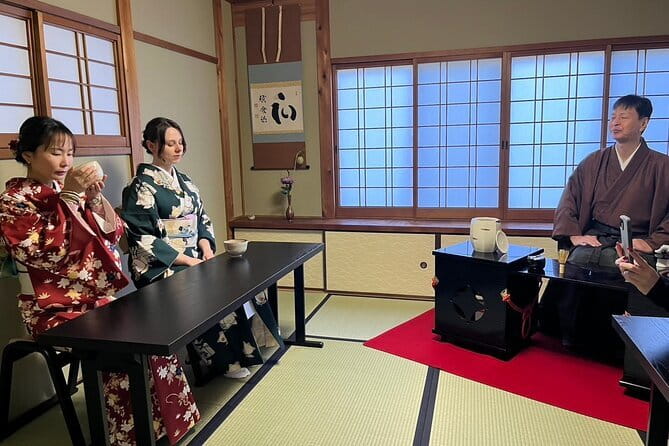
- A 150-year-old townhouse setting in Ninenzaka: You’re not just watching. You’re in a real Kyoto tea-room atmosphere.
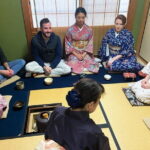
- Small group (max 15): The pace stays calm enough for questions and hands-on practice.
- You’ll actually make your own matcha: Not a demo-only situation.
- Uji matcha and seasonal wagashi: The tasting part matters as much as the instructions.
- Clear English guidance every day: The explanation is meant to be easy to follow.
- Strict tea-room rules: Socks, no perfume, and limited phone use keep the experience focused.
Ninenzaka Sannenzaka Townhouse Vibe: Where the Ceremony Starts
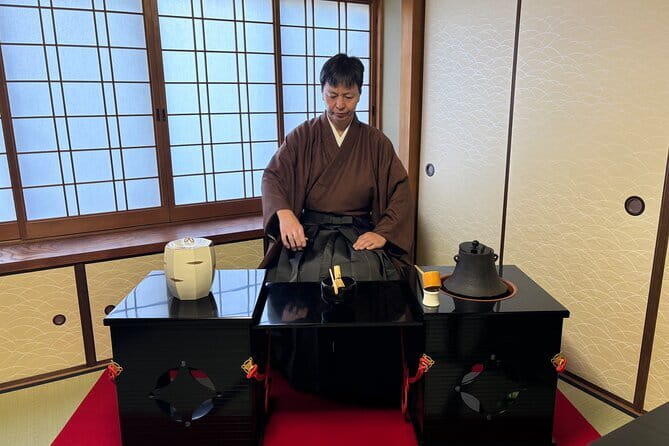
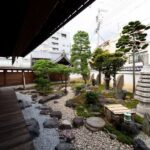
This matcha ceremony happens in Kyoto’s historic Ninenzaka and Sannenzaka area, where the streets feel made for slow walking. Your meeting point is Tea Ceremony & Cultural Experience Kangetsu Kyoto, at 二年坂349-19 Masuyachō, Higashiyama Ward, Kyoto 605-0826. It’s near public transportation, so you’re not stuck hunting for it all afternoon.
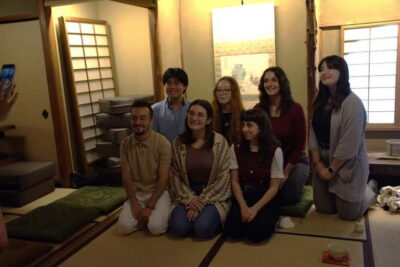
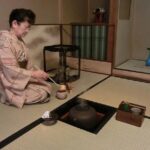
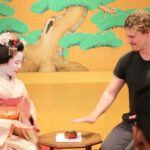
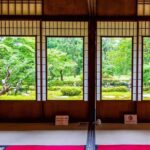
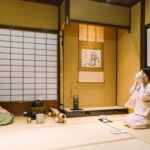
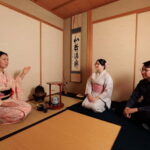
The big win is the setting: a traditional Japanese townhouse built around tea-room customs. The ceremony isn’t staged in some generic shop-front space. You’re stepping into a calmer, more rule-based world where people lower their voices, set down phones the right way, and focus on scent, sound, and technique.
And that matters, because matcha is all about small details. Even if you only know matcha as a drink, you’ll start noticing how the tools are used and why the room behaves the way it does.
You can also read our reviews of more tours and experiences in Kyoto.
50 Minutes of Matcha: What the Tea Master Will Teach You
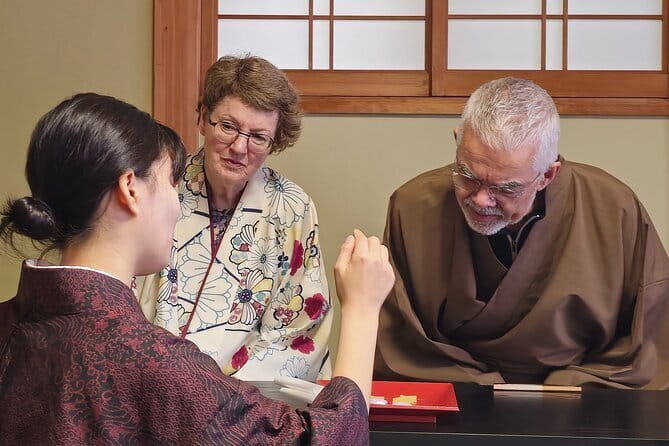
The course is built to fit into a single, focused chunk of time—about 50 minutes—which is ideal if you want a cultural activity without losing your whole day.
What you can expect is a blend of:
- Explanation (history/meaning plus practical etiquette)
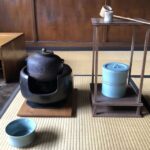
- Demonstration (how the utensils come together)
- Participation (you prepare your own cup)
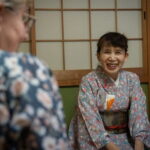
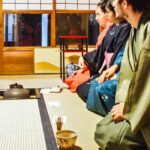
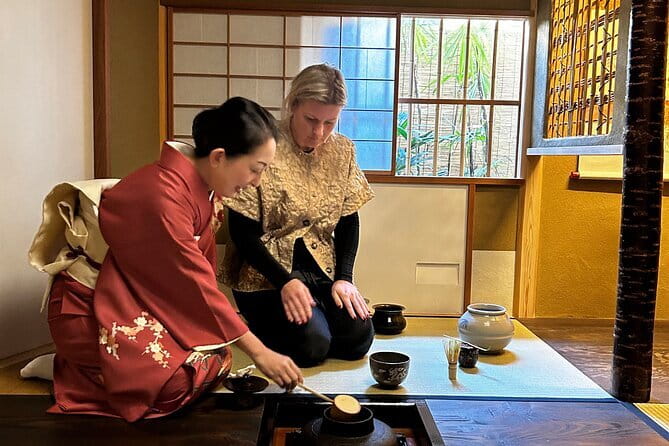
The teacher explains the essentials of Japanese tea etiquette: how to handle the utensils, how to think about the order of actions, and why certain small rituals exist. You also learn how matcha differs from other green teas—not just in flavor, but in how it’s prepared and served.
A key point from the experience format is that the instruction is designed to be approachable. It’s not about “getting it perfect.” The goal is to understand what you’re doing and why it matters, so you can repeat the process later at home with better results.
English instruction is provided every day, and the explanations are described as step-by-step in the feedback. That’s important in Kyoto, where some cultural experiences get lost if the teaching speed is too fast or the language isn’t clear.
Hands-On Matcha: Making Your Own Cup (and Why It’s the Main Event)
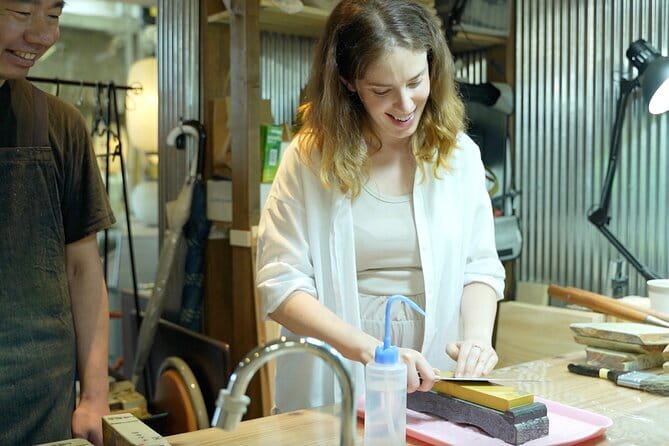
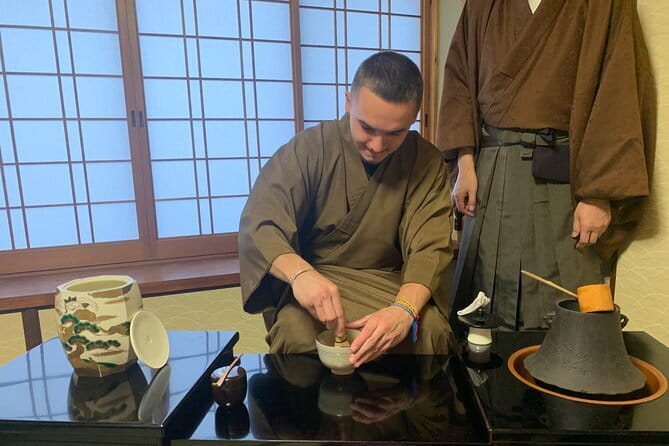
This is not a sit-and-watch-only tea tasting. You get the hands-on part, using the utensils provided for the ceremony.
You’ll prepare and enjoy a cup of matcha, and the tea is made from high-quality match sourced in Uji, Kyoto. That’s a strong detail for value, because Uji matcha has a reputation in Japan—and this tour specifically points you to that origin.
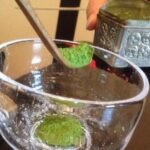
Here’s what I like about this style of lesson: you’re trained to pay attention to the “do it” steps, not just the “story” steps. Matcha preparation is physical. The whisking, the pour, and the pause to let the texture settle are all part of the flavor.
When you’re the one making the cup, you also get a better sense of what went right (or what you want to improve). That makes it more memorable than just hearing facts.
You’ll also have a brief Q&A segment at the end. That’s where you can ask practical questions like how to choose matcha at a shop, what utensils are worth having, or how tea etiquette changes depending on the setting. The experience is structured so questions aren’t rushed.
Seasonal Wagashi Pairing: The Sweet Part of the Lesson
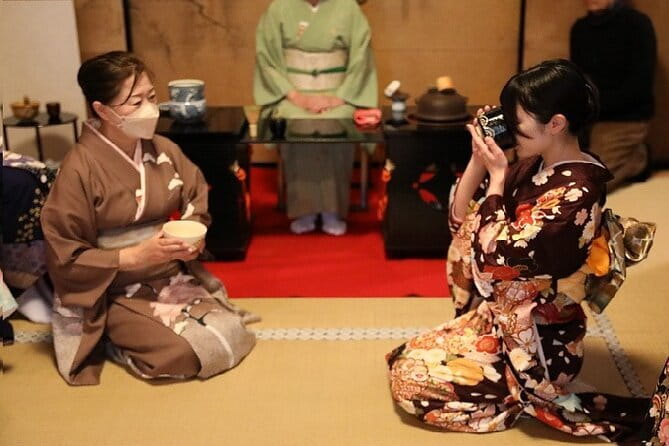
Tea ceremonies are often described as tea-focused, but the sweets are a big part of the rhythm. In this course, you’ll taste two different types of seasonal Japanese sweets (wagashi) alongside your tea.
This isn’t just “here, have a snack.” The sweets give you a chance to experience how Japanese sweets are designed to complement tea—often with less sweetness than you might expect and with flavors that shift with the season.
Pairing wagashi with matcha also helps you understand why people treat the ceremony as a full sensory moment. You’re learning the tea plus tasting how Kyoto food culture is meant to be gentle, balanced, and timed.
One more nice touch: the ceremony ends with time to enjoy the sweets and absorb what you learned, rather than rushing you out the moment your cup is finished.
Price and Value: Is $28.90 a Fair Deal?
At $28.90 per person, this matcha experience sits in the “serious cultural activity” price range. The question is: what do you actually get for it?
From the inclusions, you get:
- Tools to make your own tea
- Two cups of high-quality matcha (or coffee and/or tea, depending on how it’s served in your session)
- Two seasonal wagashi
- All fees and taxes
And importantly, there are extras that are not included, so you can budget:
- Bottled water
- Socks
- Kimono (you can rent a two-piece kimono type for 1000 JPY)
When a ceremony includes the utensils plus hands-on matcha plus seasonal sweets, it feels like less of a “performance fee” and more like a real workshop. You’re paying for instruction, materials used during the session, and the tasting.
If you’re the type who enjoys learning one craft properly—especially one that turns into a skill you can repeat—this price can feel very fair.
Tea Room Etiquette: The Rules You’ll Actually Notice
This experience takes etiquette seriously, and that’s not a small detail. In a tea room, the rules protect the atmosphere, the fragrance, and the calm flow of the ceremony.
Here are the key rules you should plan for:
- Wear socks. If you forget, socks are available for purchase.
- Clothing should not expose too much skin.
- No perfume. It will interfere with the scent of incense and tea inside the tea-room space.
- Phone rules are strict: only smart phones are allowed in the tea room.
- No video recording during the instructor’s demonstration.
- Children under 7 aren’t allowed.
- If you have allergies, you should inform the team in advance.
My practical take: these rules are exactly why the ceremony feels different from a typical “tour stop.” If you follow them, you’ll get the calm, focused experience people pay for.
Also, one small warning based on real-world timing: if a group arrives late and things get delayed, it can mess with the sense of respect for the tea master and the flow of the room. The best move is to arrive a few minutes early and treat punctuality like part of the etiquette.
Practical Tips Before You Go (So You Don’t Lose Time)
To get the best out of your matcha ceremony, I’d plan your day like this:
Dress simply and comfortably. You’ll want something easy to sit in and move in politely. Since there’s a modesty guideline, skip anything too revealing.
Bring socks (or be ready to buy them). This is one of the most common “oops” issues because people forget the sock requirement when they’re out walking in Kyoto.
Keep your fragrance zero. If you’re tempted to use perfume right before heading out, resist it. The no-perfume rule isn’t a “nice suggestion.” It’s meant to preserve the sensory experience in the room.
Use your phone wisely. You can have a smart phone, but you’re not recording the demonstration. If you’re hoping for lots of video, this probably isn’t the format for you.
Think about allergies early. The sweets are included, so you’ll want the team to know if you need adjustments.
And lastly, if you’re pairing this with sightseeing in the area, remember that the ceremony is timed. You’ll get the most satisfaction if you don’t stack it right after something that tends to run long.
Who Should Book This Matcha Experience (and Who Might Skip It)
This ceremony is a strong match for you if:
- You want a hands-on cultural activity in Kyoto, not a quick photo stop.
- You’re curious about tea etiquette and rituals and want the “why,” not just the “how.”
- You like small-group experiences where questions actually fit into the schedule.
- You’d enjoy going home with practical knowledge and better matcha habits.
You might want to skip it if:
- You’re hoping for a casual, no-rules tasting. The tea room has clear boundaries.
- You’re traveling with very young children (under 7 isn’t allowed).
- You strongly prefer video recording as part of the experience, since filming the demonstration is prohibited.
A good mindset helps. If you show respect for the pace and rules, you’ll likely come away feeling like you understood a real Kyoto tradition rather than just “did something matcha-shaped.”
Should You Book Kangetsu’s Matcha Ceremony?
If you’re in Kyoto and you want one activity that’s both calming and educational, I think this is an excellent pick. The value isn’t just the tea—it’s the combination of Uji matcha, hands-on preparation, seasonal wagashi, and clear English guidance in a traditional 150-year townhouse setting.
Book it if you can follow etiquette basics (socks, no perfume, no recording) and you want to learn a skill. Skip it only if you need a totally informal experience or you’re bringing young kids who can’t participate.
If you do book, show up early, treat the room like a place of quiet focus, and come ready to ask questions. That’s when the time becomes more than a ticket—it becomes a real Kyoto moment.
FAQ
How long is the tea ceremony?
It’s about 50 minutes.
What does the price include?
The price includes all fees and taxes, utensils to make your own tea, two cups of high-quality matcha (made in Uji, Kyoto), and snacks (two types of seasonal Japanese sweets).
Are kimono and socks included?
Kimono is not included. You can rent a two-piece kimono for 1000 JPY. Socks are not included, but you can purchase socks if you forget.
Can I wear perfume or strongly scented products?
No. Perfume is strictly prohibited because it interferes with the smell of incense and tea in the tea room.
Are phones allowed and can I record video?
Only smart phones are allowed in the tea room. Video recording during the instructor’s demonstration is prohibited.
Is this suitable for children?
Children under 7 years old are not allowed to participate.
What about allergies?
If you have any allergies, you should inform the team in advance.
What happens if the weather is bad?
This experience requires good weather. If it’s canceled due to poor weather, you’ll be offered a different date or a full refund.