REVIEW · KYOTO
Kyoto: Quiet and Graceful Tea Ceremony
Book on Viator →Operated by Omotenashi tea ceremony 南茶道教室 · Bookable on Viator
Calm and craft in Kyoto, for 45 minutes. You’ll learn the matcha preparation rituals from a tea master in a setting built for the real pacing of tea. I especially like the small-group feel, where you’re not competing for attention or space.
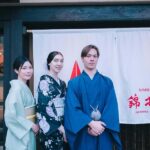
One thing to note: this is not a costume-and-photo spectacle. Kimono rental isn’t included, and during the main tea performance there are no photos or videos inside the tea space.
In This Review
- Key Tea Ceremony Takeaways Before You Go
- Kyoto Tea Ceremony With Real Matcha Skills, Not a Stage Show
- Where to Meet in Nakagyo Ward (And Why It Matters)
- The 45-Minute Rhythm: Welcome, Etiquette, Sweets, Matcha
- 1) Arrival and tea-room etiquette
- 2) Seasonal Japanese sweets
- 3) Making and serving premium matcha
- 4) You get to try it
- 5) A question-and-answer moment
- Premium Matcha and Seasonal Sweets: What You’re Really Buying
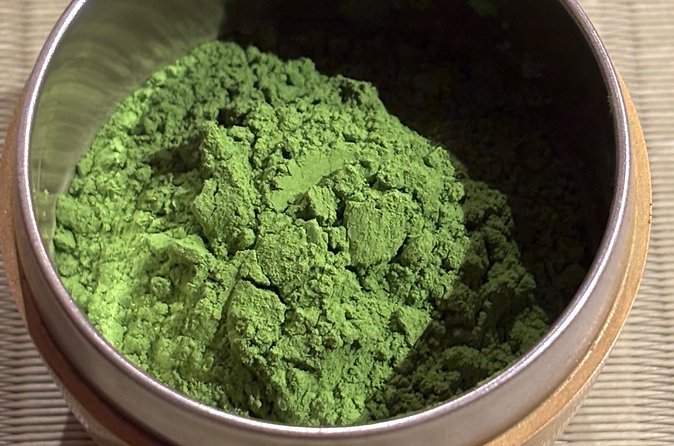
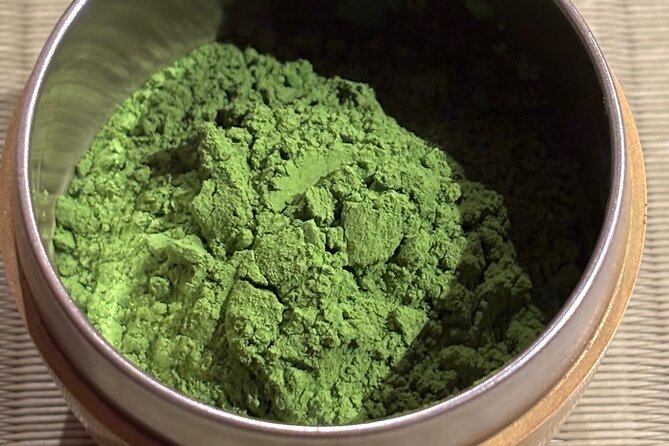
- Premium matcha, prepared correctly
- Seasonal sweets that change with the moment
- Snacks and tea included
- The Quiet, Private Atmosphere (And How It Can Affect You)
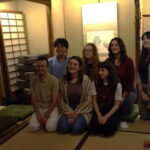
- Group Size, Host Style, and Why 8 People Is the Sweet Spot
- Price and Value: Is $56.49 Reasonable for Kyoto?
- Best Time to Book and How to Fit It Into Your Day
- Should You Book Omotenashi Tea Ceremony in Kyoto?
- FAQ
- How long is the tea ceremony?
- What’s included in the experience?
- How many people are in a group?
- Where do I meet for the ceremony?
- Is kimono rental included?
- Can I take photos or videos?
- Is the ceremony hosted by a tea master, and is there English support?
- What’s the cancellation window?
Key Tea Ceremony Takeaways Before You Go
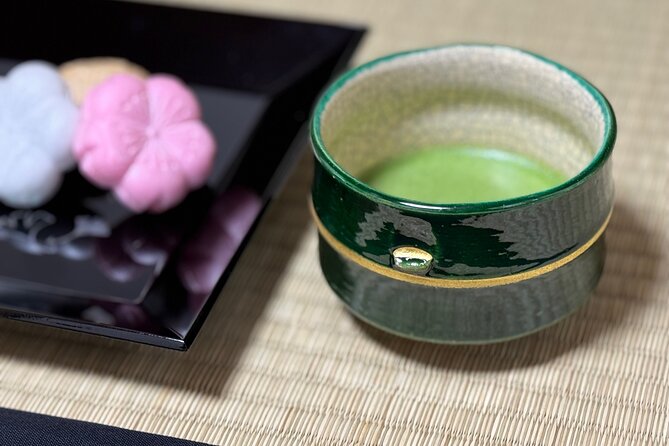
- Small-group cap (max 8): You get room to observe and ask questions without feeling rushed by the next group.
- A private-house style setting: The ceremony happens in a dedicated tea space designed for calm, not a busy storefront.
- Seasonal sweets plus premium matcha: You don’t just watch; you experience the flavor pairing that drives the ritual.
- Tea-master etiquette coaching: You’ll get guidance on how to enter, sit, and handle the tools correctly.
- Quiet Q&A time: Explanations happen at a relaxed pace, so you can actually absorb it.
Kyoto Tea Ceremony With Real Matcha Skills, Not a Stage Show
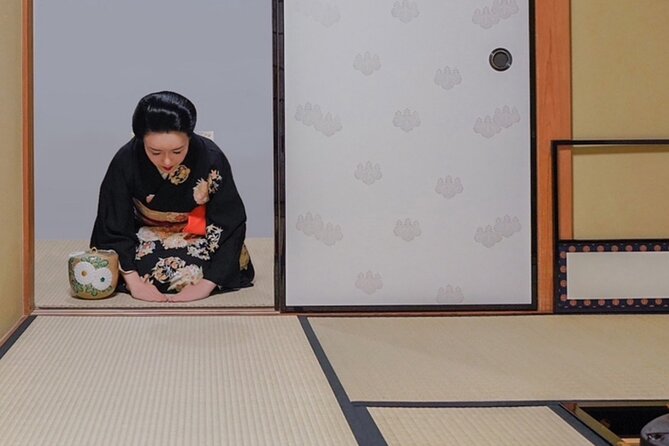
Kyoto is one of the best places in Japan to slow down and watch tea made the traditional way. This experience focuses on the fundamentals: how utensils are handled, how the bowl is positioned, how whisking and timing change the taste of matcha, and why the etiquette matters as much as the drink.
I like that the tone is quiet and graceful rather than performative. The ceremony is guided by a tea master, and the structure follows the rhythm of the ritual: a short welcome, etiquette, seasonal sweets, then the matcha. That flow is the difference between “I saw tea made” and “I understand what I just tasted.”
The group size helps. With a maximum of 8 travelers, you get a steadier atmosphere. You can look closely at the motions, and the host can correct small things without stopping the room every minute.
You can also read our reviews of more tours and experiences in Kyoto.
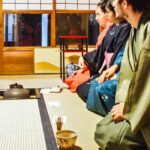
Where to Meet in Nakagyo Ward (And Why It Matters)
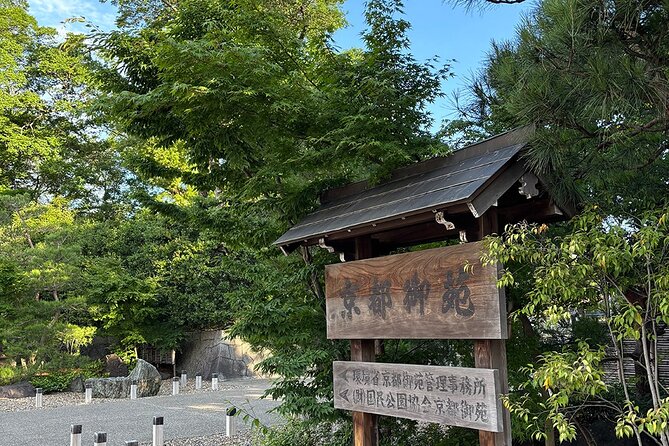
You’ll meet at 南総合会計事務所 (450-1 Sanbongichō), Nakagyo Ward, Kyoto (604-0871). That’s in an area that’s well placed for exploring central Kyoto, which makes this easier to tuck into a day of temples and strolls.
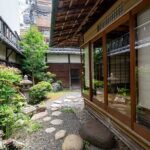
You’ll also want to keep this in mind: the ceremony happens in a private, elegant environment tied to the tea master’s space. Reviews mention how cold the house can feel in November, so plan for temperature swings even if Kyoto’s streets feel pleasant. If you run cold, bring layers.
The tour uses a mobile ticket, and confirmation is received at booking. It’s a simple setup for a small, time-boxed activity.
The 45-Minute Rhythm: Welcome, Etiquette, Sweets, Matcha
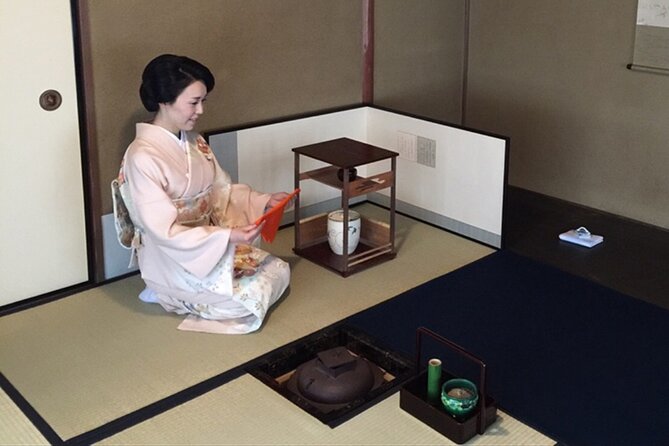
This is a 45-minute experience. That might sound short, but it’s long enough to cover the key parts without turning it into a lecture.
Here’s what the flow typically looks like, and what you should watch for:
1) Arrival and tea-room etiquette
The host will guide you through the basics of how to enter and sit. Even people who’ve never done a tea ceremony before usually appreciate this step, because it stops the feeling of fumbling. Proper etiquette isn’t only formality; it’s how the room stays calm and respectful.
If you’re nervous about getting it wrong, you’ll likely feel better once the host shows where to sit and how to hold still during the ritual steps.
2) Seasonal Japanese sweets
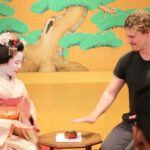
Before the matcha, you’ll enjoy traditional sweets meant to match the season. This is one of the smartest parts of the experience. Sweets set the palate and give you something to focus on while you learn the movements of the tea tools.
One nice detail from real experiences: if a child doesn’t like the sweet, the host may offer an alternative snack. That’s not something every tea shop can do easily, but it’s the kind of practical hospitality that makes the ceremony feel welcoming.

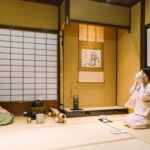
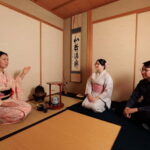
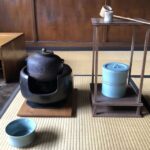
3) Making and serving premium matcha
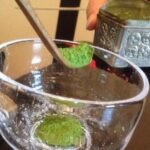
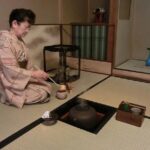
Then comes the main event: the tea master demonstrates the precise steps to prepare premium matcha sourced from Kyoto’s finest producers (as described for this experience). The point is not just to see whisking; it’s to understand the effect of technique on taste and texture.
In a traditional ceremony, the pacing is part of the recipe. You should notice that the host moves deliberately and quietly. That’s how the whole room slows down.
4) You get to try it
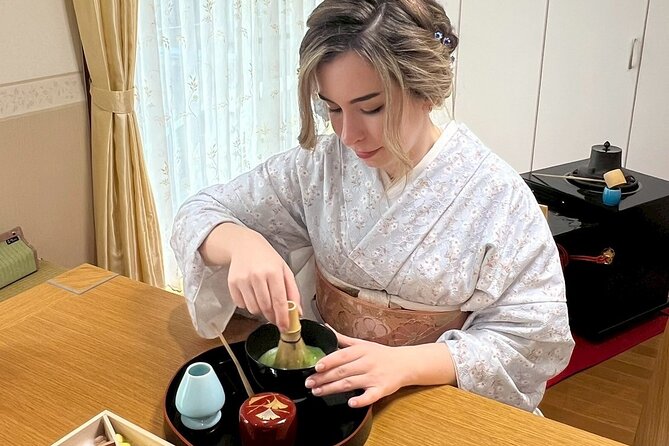
You don’t just drink and leave. You’ll enjoy the tea and sweets, and you’ll also learn how to prepare the tea yourself—so you can feel the difference between watching and doing. Even short hands-on time makes the ritual stick.
5) A question-and-answer moment
A strong theme in the feedback is how patient and detailed the explanations can be. A Q&A helps you connect what you saw to what you’re tasting—like why whisking matters, or what etiquette changes about the atmosphere.
If your host is English-speaking, that’s a big bonus. One host named Mai has been praised for clear English explanations, and that kind of communication makes the difference between “pretty ritual” and “useful understanding.”
Premium Matcha and Seasonal Sweets: What You’re Really Buying
At $56.49 per person, you’re not paying for a generic tea tasting. You’re paying for guided technique, cultural context, and a calm setting designed around the ritual.
Here’s what you actually get, and why it matters:
Premium matcha, prepared correctly
Matcha isn’t one-flavor tea. The experience centers on the preparation steps that affect bitterness, thickness, and balance. When you learn the process, you stop treating matcha as a drink and start treating it as a skill.
Seasonal sweets that change with the moment
The sweets are traditional and seasonal. That helps you understand an important part of Japanese tea culture: the ceremony connects to time, weather, and mood, not just ingredients. Eating the sweet before sipping matcha makes the pairing feel intentional.
Snacks and tea included
Tea and snacks are included, so you don’t need to hunt for food afterward. This is also a practical win in Kyoto, where you can easily burn time between sights.
The Quiet, Private Atmosphere (And How It Can Affect You)
This experience has a calm, graceful vibe. That’s a feature. But it also changes how you’ll experience it.
Most people love the serenity, and many describe a “mindful” feeling as the host works. The room stays focused on the ritual—no crowd noise, no constant interruptions.
That said, two considerations can shape your expectations:
- It’s in someone’s private tea space. That can feel more intimate and “at home” than you might expect if you’re picturing a big show.
- The house can feel cold in colder months (November was mentioned). If you’re doing Kyoto in late fall or winter, dress for temperature more than comfort on the street.
And remember the photo rule. Photos and videos are not allowed during the tea performance inside the tea space. You’ll usually be able to take pictures before and after the ceremony, but the main ritual stays photo-free to protect the calm.
Group Size, Host Style, and Why 8 People Is the Sweet Spot
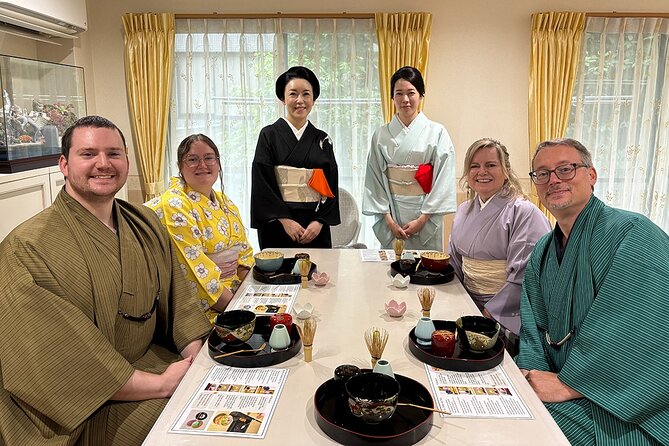
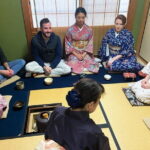
A max of 8 travelers is a huge deal for something this delicate. Too many people and the host has to repeat basics over and over. Too few and the session can feel awkward. This size usually creates the right balance: everyone can watch closely, and you still have a bit of personal attention.
Host style matters too. The most praised ceremonies emphasize patient teaching and graceful, deliberate movement. If the host speaks excellent English (again, some hosts like Mai are noted for this), you’ll likely get more out of the cultural meaning, not just the mechanics.
You can also feel the difference between a rushed explanation and a paced one. When the host gives you time to absorb etiquette and technique, you leave with memories that last longer than the flavor.
Price and Value: Is $56.49 Reasonable for Kyoto?
Let’s talk money without pretending it’s everything.
At $56.49 per person, you’re paying for:
- A teacher-led, technique-focused tea ceremony
- Premium matcha and traditional seasonal sweets
- A private, calm environment designed around the ritual
- A small-group cap (max 8)
- Short Q&A and hands-on preparation time
What would make it feel overpriced is if you expected a multi-hour cultural event with extras like kimono dressing, nonstop storytelling, or a high-production setting. That’s not what this is.
What makes it feel like a fair deal is if you want a real tea ceremony experience that stays quiet, respectful, and close enough to learn something. If you’re the kind of traveler who enjoys learning a craft—especially one with physical steps—you’ll likely feel you got your money’s worth.
If you’re hoping for a “full fancy” package with lots of costumes and photo moments, this can disappoint. But if your goal is understanding matcha and Kyoto etiquette, the value lands well.
Best Time to Book and How to Fit It Into Your Day
This activity is commonly booked about 6 days in advance on average, so you don’t want to wait until the last minute—especially in busy seasons. If you’re aiming for a specific day around weekends or peak spring and autumn travel, earlier is smarter.
Timing tip: because this is short and quiet, it works best when you don’t schedule it right after a long sprint of crowds. Give yourself a breather day. Tea ceremonies tend to reward slower pacing.
Also, plan layers. If your schedule includes temples in the morning and evenings that can be chilly, you’ll want something easy to adjust during the ceremony.
Should You Book Omotenashi Tea Ceremony in Kyoto?
Book it if you want a calm, guided Kyoto tea ceremony where you learn the ritual steps—not just sip tea. This is ideal for:
- Couples and small groups who want something quiet and personal
- Travelers who like hands-on cultural activities
- Families who can handle a short, respectful session (including kids, with practical snack accommodations noted)
- Anyone who wants a matcha-focused experience with clear teaching and etiquette coaching
Skip it if your top priority is a big, glamorous, photo-heavy production, or if you specifically want kimono rental as part of the package. This experience keeps the focus on the tea and the room, and it protects that mood by limiting photos during the main ceremony.
If that sounds like your style, you’ll likely leave with two things that are rare in Kyoto: a deeper sense of how matcha is made, and a brief pocket of quiet you can carry into the rest of your day.
FAQ
How long is the tea ceremony?
It runs about 45 minutes.
What’s included in the experience?
Premium matcha and traditional Japanese seasonal sweets are included, along with time to learn and take part in preparing the tea.
How many people are in a group?
The ceremony has a maximum of 8 travelers.
Where do I meet for the ceremony?
Meet at 南総合会計事務所450-1 Sanbongichō, Nakagyo Ward, Kyoto, 604-0871, Japan. The activity ends back at the meeting point.
Is kimono rental included?
No. Kimono rental is not included in the tea ceremony experience.
Can I take photos or videos?
Photos and videos are not allowed during the tea performance inside the tea ceremony space. Photos before and after are allowed.
Is the ceremony hosted by a tea master, and is there English support?
The ceremony is hosted by a tea master, and at least some hosts have spoken English and explained the process clearly. English support may vary by host, but the experience is designed to be understandable.
What’s the cancellation window?
You can cancel for free up to 24 hours in advance for a full refund. Less than 24 hours before the start time is not refunded.