REVIEW · KYOTO
Kyoto: 45-Minute Tea Ceremony Lesson Experience
Book on GetYourGuide →Operated by Tea Ceremony Koto · Bookable on GetYourGuide
A quiet matcha ritual worth slowing down for. I love that it’s taught by a licensed tea master from Urasenke, the biggest school of tea ceremony in Japan, and you don’t just watch—you learn the motions and rules. I also like the hands-on payoff: you’ll make tea yourself and then taste two flavors of Japanese green tea with traditional sweets.
One thing to keep in mind is the timing. At 45 minutes, you’ll cover a lot, and the pace may feel a bit rushed in and out if you’re the type who likes extra question time.
In This Review
- Key Things That Make This Kyoto Tea Ceremony Work
- Tea Master Meets Tatami: What You’re Doing in Kyoto
- What Happens From Arrival to First Sip
- The Real Value: Two Teas and the Flavor Lessons You Can Use
- Etiquette and Rules: Why This Feels Calm (and Sometimes Strict)
- Sweets, Photos, and a Nishijin Textile Peek
- Kimono Add-On: Fast Dressing, Better Pictures, One Key Timing Rule
- Candlelight Kyoto After Sunset: A Different Mood, Same Lesson
- Private, Public, or Candlelight: Picking the Best Fit
- Price and Value: Why $22 Can Make Sense in Kyoto
- How to Plan Your Day Around Kinkakuji
- Who Should Book This Tea Ceremony (and Who Might Skip It)
- Should You Book Tea Ceremony Koto?
- FAQ
- How long is the Kyoto tea ceremony lesson?
- What is the price per person?
- Where do I meet for the tea ceremony?
- Is hotel pick-up included?
- What is included in the experience?
- Can I rent a kimono?
- Are photos allowed?
- What tea will I learn to make?
- Is there a private option?
- What if I can’t sit on the floor?
Key Things That Make This Kyoto Tea Ceremony Work
- Licensed Urasenke instruction: you get the real tea spirit and rules, taught from a major tradition.
- You make the tea, not just watch: ceremonial steps, matcha mixing, and etiquette you can actually repeat later.
- Two flavors of Japanese green tea plus Japanese sweets: it’s more than one sip and done.
- Full thin tea format: it’s designed for learning the basic rules, not a simplified version.
- Add kimono for photos: fast dressing, photo time afterward, and a look at Nishijin textiles.
- Candlelight option after sunset: a calmer, moodier session for evenings in Kyoto.
Tea Master Meets Tatami: What You’re Doing in Kyoto
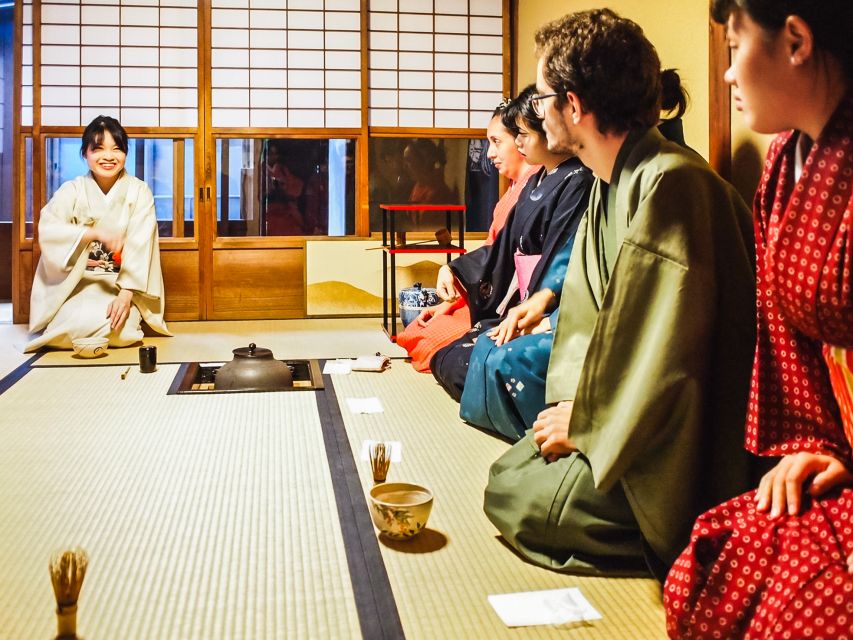
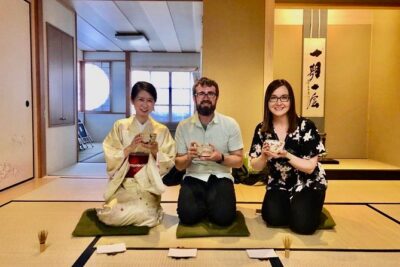
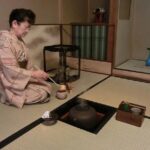
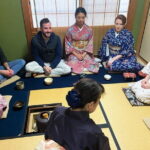
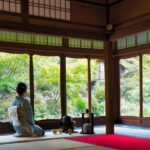
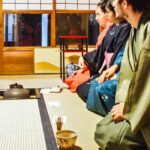
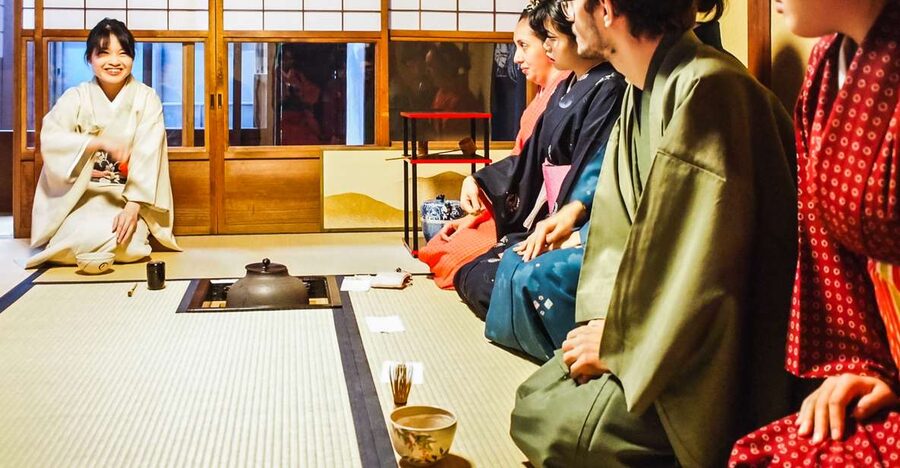
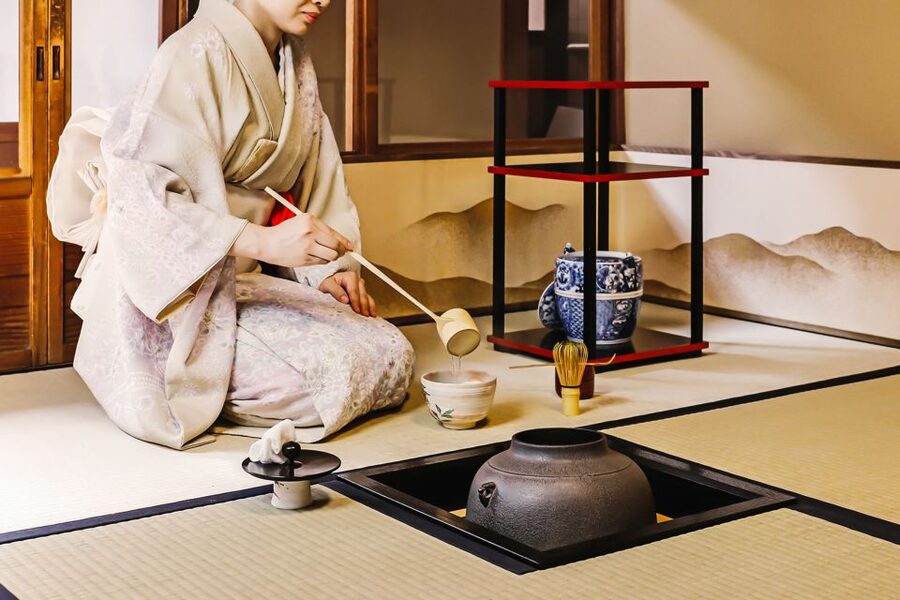
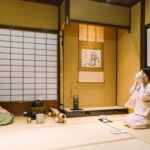
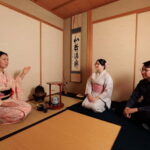
This tea ceremony is built for learning, not performing. You’ll enter the tatami room setup and sit the traditional way—on floor mats—while an English-speaking host meets you and guides the ritual step by step. The host is a licensed tea master from Urasenke, which matters because it shapes what you learn: the spirit, the rules, and the small details people often skip in tourist versions.
The setting also helps. Kyoto is serious about tradition, and this experience keeps that tone. You’ll start with watching a ceremonial matcha preparation, then shift into making your own tea using the proper method. Even if you think you already know what matcha is, the structure forces you to learn how technique changes taste.
And yes, it’s short—45 minutes. That’s the tradeoff. You’ll get the core experience without a full half-day time commitment, but you’ll want to pay attention and follow instructions carefully so you don’t feel like you missed half of it.
You can also read our reviews of more tours and experiences in Kyoto.
What Happens From Arrival to First Sip
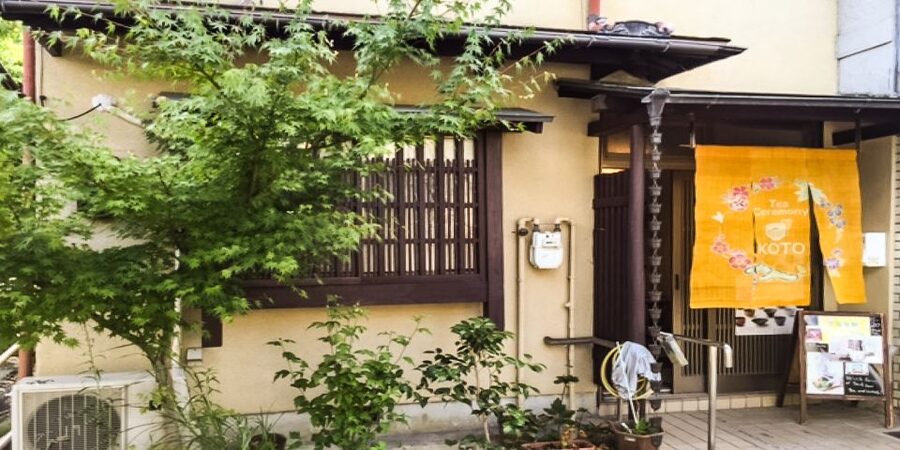
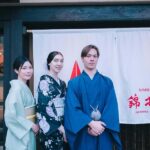
You’ll meet at a specific spot by Kinkakuji-temple: enter from the building’s sliding door with the orange curtain. It’s close enough that you can orient yourself fast. If you’re in the Kinkakuji area, it’s about a 1-minute walk from the Kinkakuji-michi city bus stop, and you can reach it via Kyoto city bus 204 or 205 from Kitaoji subway station or JR Enmachi (roughly 10–15 minutes by bus). It’s also only about 1 minute from the gate of Kinkakuji-temple.
After you settle in, the tea master runs the ceremony in order:
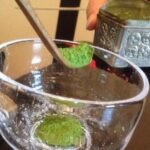
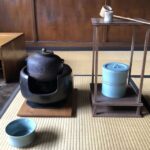
- Ceremonial matcha preparation: you watch how powdered green tea is made and prepared in the correct steps.
- Your turn: you make the tea following the tea ceremony rules, with guidance along the way.
- A focused explanation: you’ll hear about the history and spiritual role of the tea ceremony, plus how each tea-making method affects flavor.
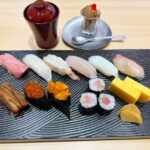
- Sweets afterward: you finish by tasting traditional Japanese sweets to complement the tea.
This structure is great for two types of people: first-timers who want a clear framework, and repeat-curious folks who want to understand why each motion matters.
The Real Value: Two Teas and the Flavor Lessons You Can Use
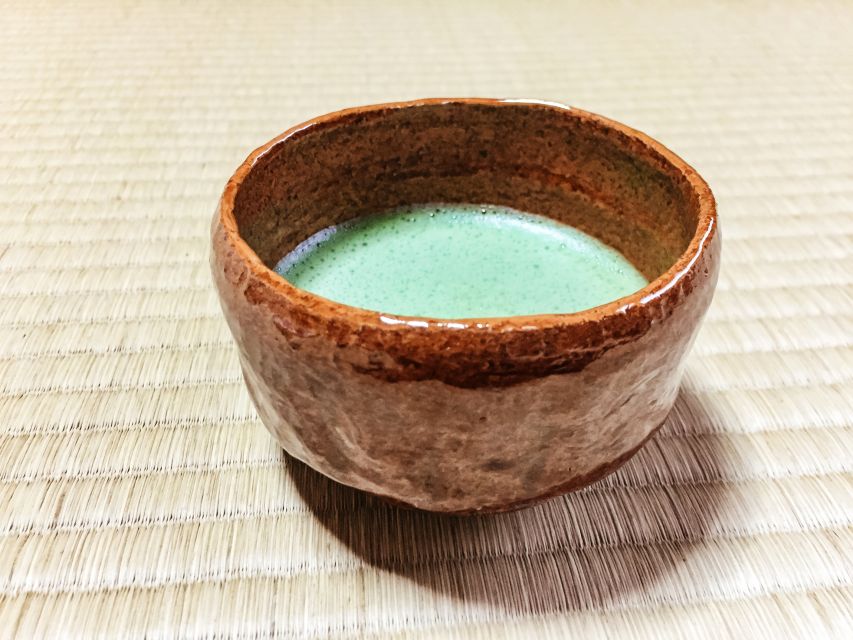
A major plus here is that it’s not one matcha and you’re done. You get two flavors of Japanese green tea, and the host explains how different tea-making methods influence flavor. That’s where the experience turns from a cute cultural stop into something you can carry home.
Here’s the practical takeaway: when you see matcha prepared one way, and then you make it yourself, you start noticing what changes in taste based on technique. The host’s comparisons make it easier to understand why tea ceremonies can be so exacting. It’s not just tradition for tradition’s sake. It’s how flavor and texture show up in the cup.
If you normally find matcha bitter, don’t automatically skip this. Multiple guests noted that the matcha tasted good and that the tea experience felt respectful and intentional. Quality and method both matter, and you’ll learn how method is part of the flavor.
Etiquette and Rules: Why This Feels Calm (and Sometimes Strict)
This ceremony runs on manners. The host teaches you the rules of the tea ceremony, and the whole session is designed to be like what Japanese beginners learn. You should treat it like a quiet classroom and a ritual at the same time.
Two practical rules show how serious this is:
- No video recording is allowed.
- You’ll be asked to follow the ceremony flow, not freestyle it.
Also, you’ll likely sit on the floor. If that’s hard for you, tell the supplier ahead of time. The experience can provide chairs if you might have difficulty sitting on the floor.
One more smart move: before you go, watch the short do’s and don’ts videos they provide. It’s specifically set up to prevent awkward misunderstandings and help you learn the rules fast. If you arrive already knowing what not to do, you’ll enjoy the ceremony more.
Sweets, Photos, and a Nishijin Textile Peek
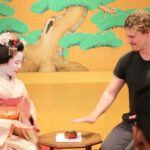
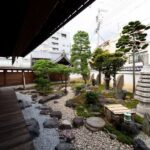
After tea and sweets, you’ll get a small extra bonus: time for photos and a look at examples of kimonos and woven textiles from the Nishijin district in Kyoto. That makes the ceremony feel more connected to Kyoto craft culture, not just a tea lesson in a room.
A practical heads-up: the experience isn’t only about sipping. It includes a photo moment and a chance to see textile details that are hard to appreciate if you’re only walking past shops.
If you’re choosing this as a solo activity, it still works. But if you want the most value as a couple or family, the kimono and photo time can turn into a memorable Kyoto keepsake.
Kimono Add-On: Fast Dressing, Better Pictures, One Key Timing Rule
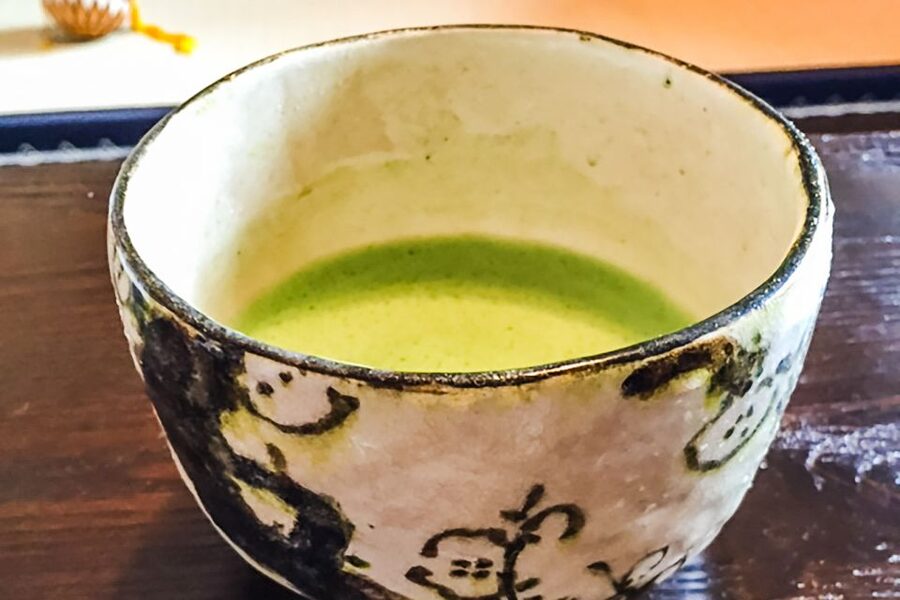
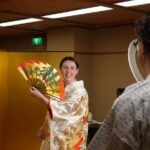
The kimono option is an add-on you can book in advance. If you select it, you’ll dress in kimono during the experience and get photo opportunities you can remember.
Timing matters here:
- If you reserve the kimono add-on, you should arrive 20 minutes early.
- A reservation is necessary since it’s difficult to add kimono suddenly when you arrive.
In one example, the hostess guided the group upstairs to change into kimonos, and the dressing felt organized and quick. Photos are part of the package feel here, and that’s a big reason people add it—your Kyoto outfits look better when you’re wearing them for the full ritual moment, not just standing outside a shop for a quick shot.
One consideration: since the ceremony has a set flow, kimono dressing can add a bit of structure to your schedule. If you’re running late, plan extra buffer so you don’t stress the process.
Candlelight Kyoto After Sunset: A Different Mood, Same Lesson
If you book the Candle Light Ceremony option, you’ll experience the tea ceremony by candlelight. This is meant to recreate the peaceful ambiance of old Kyoto, especially after dark.
The candlelight sessions are often a better fit if:
- you want a quieter, more atmospheric mood,
- you prefer evening plans,
- you’d like photos that look more cinematic.
Even with the candles, it’s still a tea ceremony with real rules. You’ll still learn and make tea, not just watch around a pretty light display.
Private, Public, or Candlelight: Picking the Best Fit
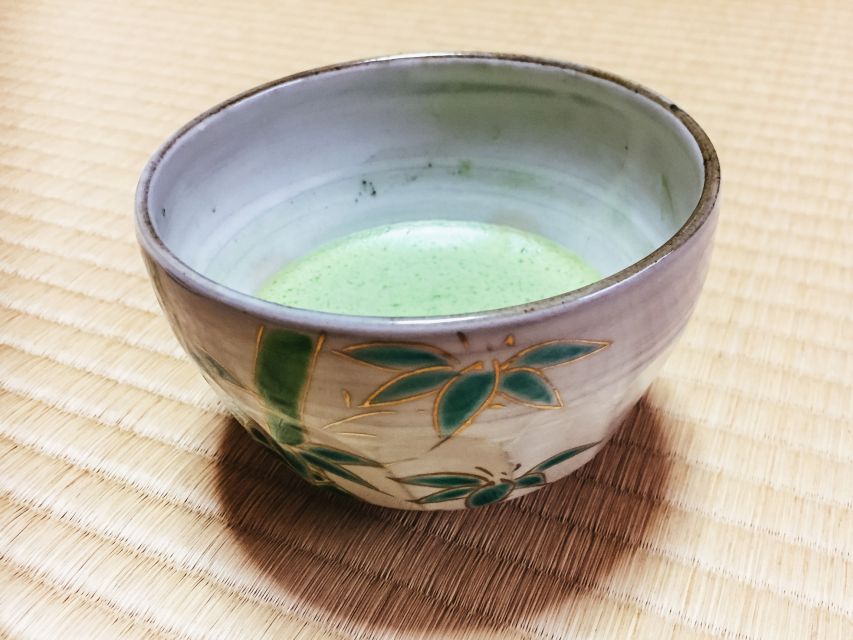
This experience gives you three formats, and choosing the right one can make or break how you feel about the 45 minutes.
Public ceremony (small group)
- Best if you like a shared learning pace.
- Great for first-timers who enjoy hearing others ask questions.
- Feels closer to how Japanese beginners might start.
Private ceremony (just your group)
- Best if you want quieter attention and less pressure around etiquette.
- Perfect for couples, families, or anyone who wants a calmer pace.
Candlelight ceremony
- Best for the evening mood and atmospheric photos.
- Good if you’re already doing Kyoto at night and want one meaningful anchor activity.
If you’re the type who hates being rushed, the private option can help. You’re still bound by the 45-minute structure, but a private group often makes it easier to ask questions without feeling like you’re holding up others.
Price and Value: Why $22 Can Make Sense in Kyoto
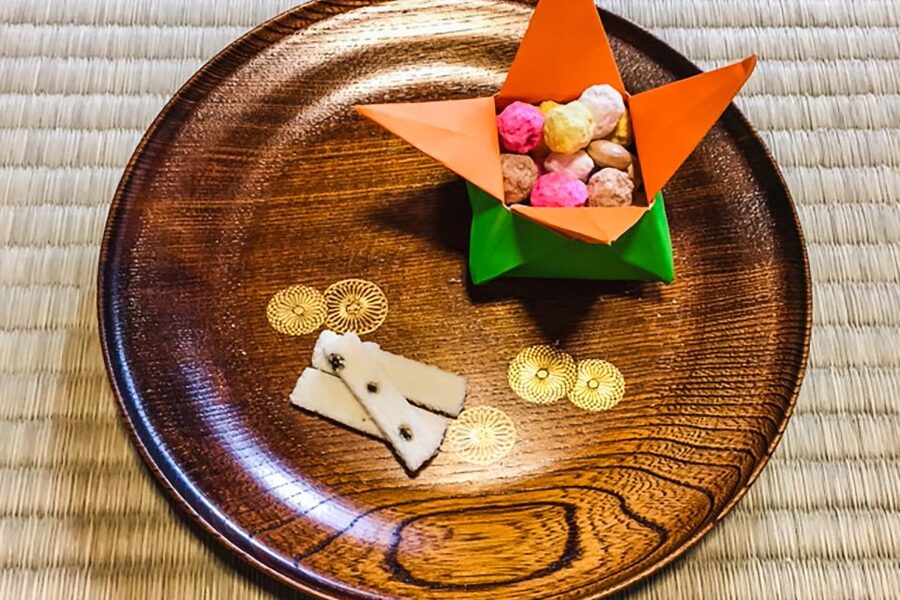
At about $22 per person for a 45-minute experience, this sits in the “worth it” category when you compare it to what Kyoto charges for craft-style activities. You’re not paying only for a room and a cup of tea. You’re paying for instruction from a licensed tea master, guided rules, hands-on matcha prep, two tea flavors, and traditional sweets.
The value gets better if you care about authenticity:
- you’re learning the full thin tea format rather than a simplified foreigner version,
- you get explanation of history and spiritual role,
- you’re taught how making methods affect flavor.
If you’re only looking for a photo opportunity, it might feel expensive. But if you want the technique and etiquette, it’s a solid use of time.
How to Plan Your Day Around Kinkakuji
This is one of those Kyoto activities that fits well because it’s near major landmarks. Meeting close to Kinkakuji means you can pair it with a morning temple visit or an afternoon walk through the neighborhood.
One scheduling note: after the ceremony, calling a taxi can be tricky because taxi companies won’t get on the phone immediately. There’s a large taxi stand just in front of the activity location, and it usually opens around 5:30 PM. So if you’re ending your experience later in the day, plan for the taxi stand or use public transport you can access quickly.
Also, if you’ll be on the tatami and your knees complain, decide in advance if you want chairs. Let the supplier know so you’re comfortable from minute one.
Who Should Book This Tea Ceremony (and Who Might Skip It)
You should book if you want:
- a real tea ceremony lesson in Kyoto (not just a quick tasting),
- hands-on matcha making,
- a calm experience with etiquette and meaning,
- a chance to add a kimono for photos.
You might choose something else if:
- you hate sitting on the floor (even with chair options available, the room may still be best for flexible comfort),
- you want a long, slow, multi-hour history lecture,
- you’re not willing to follow rules like no video recording.
Should You Book Tea Ceremony Koto?
Yes, if you want the most Kyoto experience in the least time. The licensed Urasenke instruction, the hands-on matcha steps, and the two tea flavors plus sweets make it feel like real value for the money. I especially recommend it if you’re visiting around Kinkakuji and you’d like one activity that’s both cultural and quietly memorable.
If you do book, do two things to make it better: watch the short do’s and don’ts videos they provide before you arrive, and if you want kimono photos, plan to arrive 20 minutes early.
FAQ
How long is the Kyoto tea ceremony lesson?
The experience is 45 minutes.
What is the price per person?
It costs $22 per person.
Where do I meet for the tea ceremony?
Enter from the building’s sliding door with the orange curtain. It’s a short walk from the Kinkakuji-temple gate and about a 1-minute walk from the Kinkakuji-michi city bus stop.
Is hotel pick-up included?
No, hotel pick-up is not included.
What is included in the experience?
You’ll have two flavors of Japanese green tea and traditional Japanese sweets.
Can I rent a kimono?
Yes, a kimono add-on is available. If you reserve it, you need to arrive 20 minutes early.
Are photos allowed?
You’ll have a chance to take photos after the ceremony. Video recording is not allowed.
What tea will I learn to make?
You’ll learn how to make ceremonial matcha (powdered green tea) according to tea ceremony rules.
Is there a private option?
Yes. There is a private ceremony option for you and your group.
What if I can’t sit on the floor?
If you might have difficulty sitting on the floor, inform the supplier. Chairs can be provided.