REVIEW · KANAZAWA
Kanazawa: Kenrokuen Tea Ceremony Experience
Book on GetYourGuide →Operated by 兼六亭 Kenrokutei · Bookable on GetYourGuide
A quiet tea room inside Kenrokuen is harder to find.
This one-hour matcha ceremony at Kenrokutei is structured, calm, and properly taught, with you watching the steps and then making your own.
I especially liked the chance to learn the etiquette so you’re not guessing, and the wagashi sweets that make the whole thing taste like Japan.
The main catch is simple: the garden views aren’t in the tea room, so you’ll want to see the Kenrokuen grounds before or after.
You meet right in the garden, in front of the fountain, and you’re allowed to take photos to keep the memory.
Guides explain what you’re doing and why, then you try it yourself with help, so it feels like a real cultural skill—not a quick show.
In This Review
- Key Highlights You’ll Care About
- Kenrokutei Tea Room Inside Kenrokuen: What You’re Really Paying For
- Meeting at the Fountain in Kenrokuen Garden (And How Not to Miss It)
- The Opening Lesson: Etiquette, History Notes, and How to Behave
- Watching the Ceremony: The Part That Feels Like a Slow Motion Masterclass
- Your Turn to Make Matcha: Hands-On and Surprisingly Challenging
- Wagashi Sweets and the Matcha Pairing You Actually Get to Taste
- Photos Inside the Ceremony Room: How to Capture Without Breaking the Mood
- Kenrokuen Garden Timing: Plan Your Views Before or After
- Who This One-Hour Tea Ceremony Is Perfect For
- The Value Question: Is $35 Worth It in Kanazawa?
- Should You Book This Kenrokuen Tea Ceremony?
- FAQ
- FAQ
- Where is the meeting point for the tea ceremony?
- Is the Kenrokuen Garden entrance fee included?
- How long is the tea ceremony experience?
- Can I take photos during the ceremony?
- Is there an option for people who can’t sit on the floor?
- What are the age requirements?
- What happens if I’m late to my reservation?
Key Highlights You’ll Care About
- Kenrokuen location at Kenrokutei: Meet in front of the fountain inside the garden
- Watch a formal procedure, not a shortcut: You see the master’s flow step by step
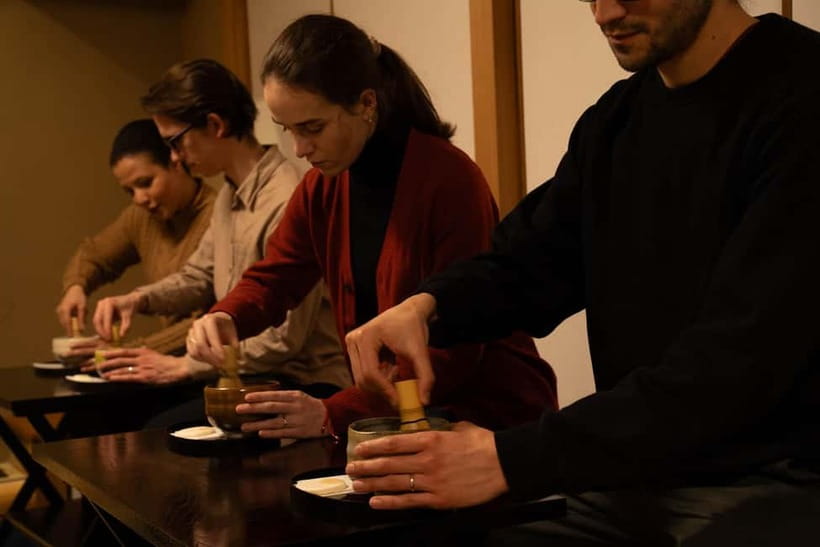
- You make the matcha yourself: Tea making happens with guidance
- Wagashi sweets included: Tea tastes better when you get the sweet pairing right
- Photography allowed: Capture the moment without ruining the vibe
- Chair option if you need it: You can request a chair for floor seating
Kenrokutei Tea Room Inside Kenrokuen: What You’re Really Paying For
For about $35 per person and roughly one hour, you’re buying three things: instruction, a real tea moment, and participation.
This isn’t just sitting and staring. You watch the ceremony process, learn the etiquette, and then get to make matcha yourself at the end.
That matters because tea ceremonies have lots of small movements—how you receive things, how you sit, when you speak (or don’t).
If you show up without guidance, you can feel lost or awkward. Here, the English instructor and the ceremony leaders help you get it right.
One more practical point: the price does not include the Kenrokuen entry ticket.
Kenrokuen Garden charges an extra 320 yen, separate from the tea experience ticket, so budget for both if you’re not already in the garden.
You can also read our reviews of more tours and experiences in Kanazawa.
Meeting at the Fountain in Kenrokuen Garden (And How Not to Miss It)
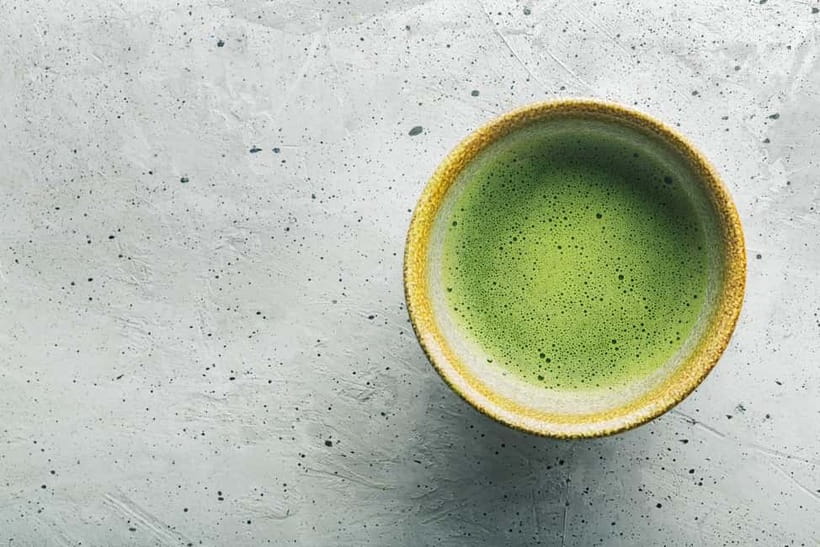
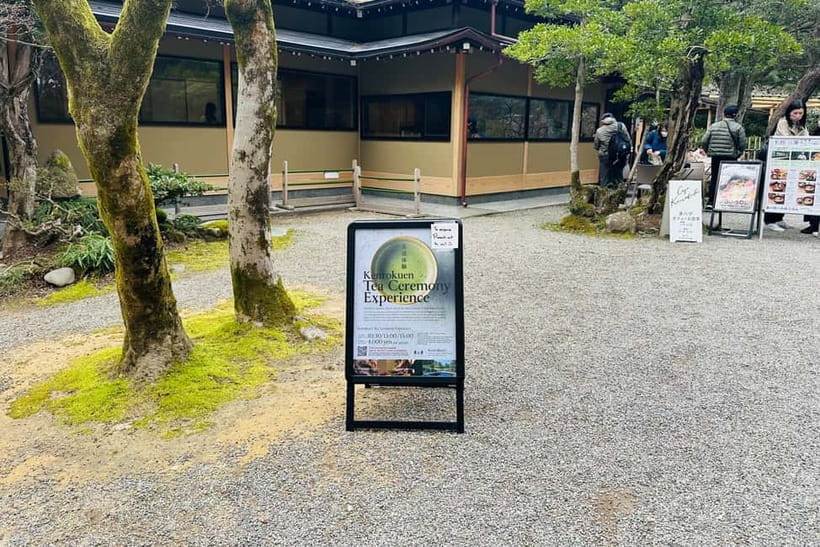
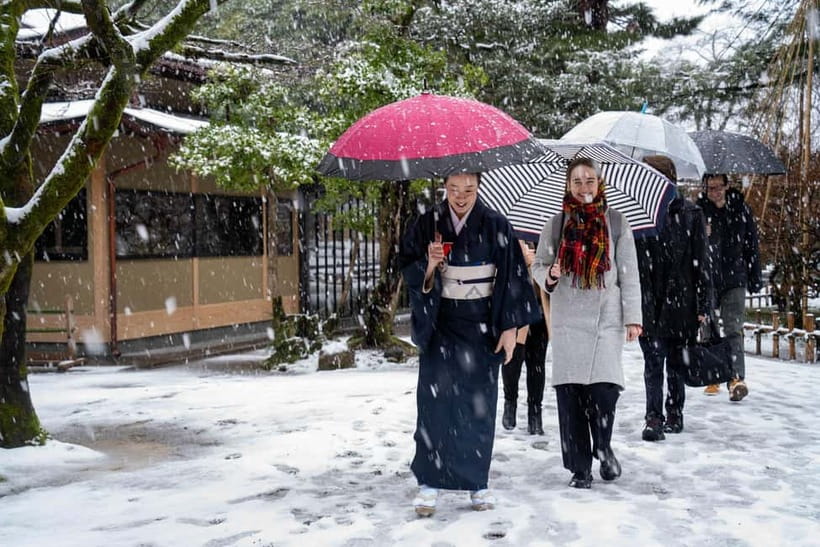
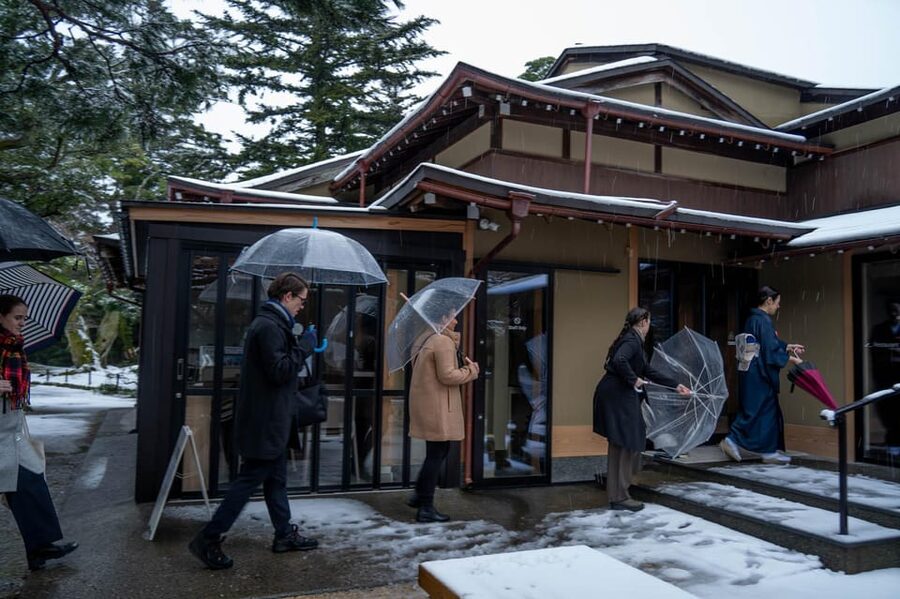
Your meeting point is straightforward: in front of the fountain inside Kenrokuen Garden, at Kenrokutei.
This is a historic spot where important guests were entertained by Lord Maeda, so you’re starting in the right atmosphere, not a random storefront.
Plan your timing like a ninja. If you arrive more than 10 minutes late after the start time, your reservation is canceled.
That rule is strict because the ceremony is meant to stay quiet and orderly once it begins.
When you arrive, read the info on the tea ceremony signboard. It’s there to help you find the exact spot inside the garden complex.
And yes—you can take photos during the experience, so you can still get your memory without feeling like you’re watching through your phone.
The Opening Lesson: Etiquette, History Notes, and How to Behave
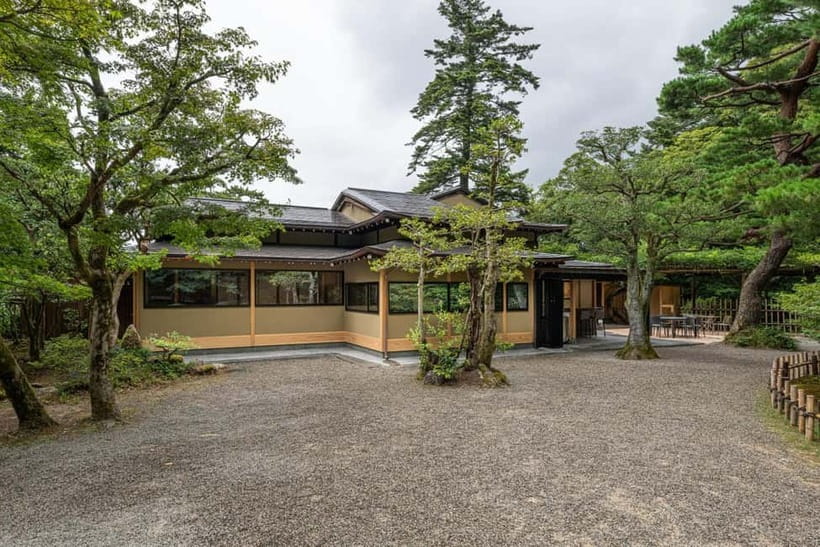
The ceremony starts with an explanation of the tea and the way of the ceremony.
In that teaching time, you learn the basics of how to act and behave so you can join without awkward stumbling.
This part is genuinely useful. Tea ceremony etiquette isn’t about being stiff for its own sake.
It’s more like learning the rules of a dance: once you know what your hands and body are supposed to do, you can focus on the moment instead of doing mental math.
The guides also add context that makes the ritual feel less like theater.
One review specifically praised the way the host explained local history and how the tea ceremony works, with clear detail that didn’t drag.
I like that approach: enough context to feel connected, not so much info that you miss what’s happening in front of you.
If you want to avoid disturbing other participants, note that translation is handled in a specific way.
The activity is held at the same time as other groups, so if you need English-to-native translation, you must request it as a private reservation.
Watching the Ceremony: The Part That Feels Like a Slow Motion Masterclass
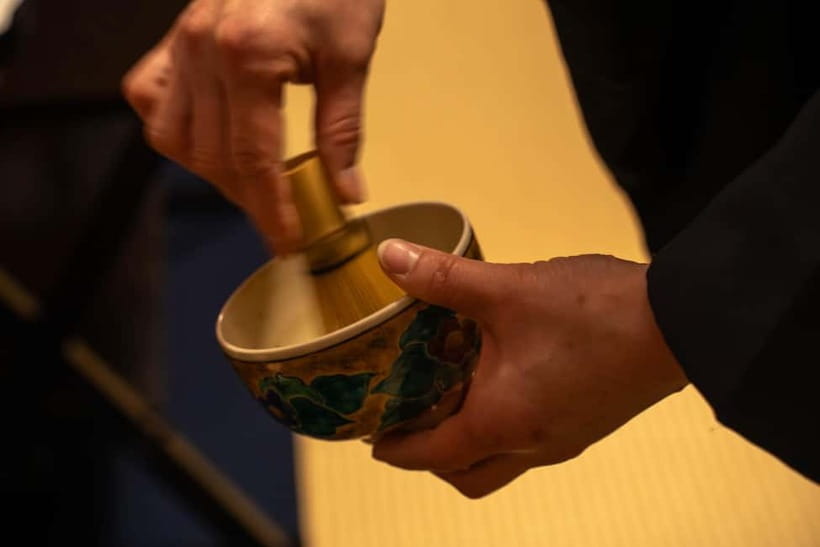
After the explanation, the master follows the formal tea procedure.
You sit where you can see the performance, and you watch how the steps flow together—how each movement has a reason, not just style.
This is the segment that helps most people understand what matcha is.
It’s not only taste. It’s timing, temperature, texture, and attention—plus the feeling of sharing a quiet pause.
I’m also glad you get to see the whole process before you start making tea.
A lot of tea experiences skip the “watch first” part. Here, you’re set up to copy what you just learned, with less panic.
One small consideration: even though the event is meant to stay peaceful, one review mentioned minor noise from a nearby room.
The good news is that the team apologized and handled it thoughtfully—still, it’s worth knowing the real world can intrude even in calm settings.
Your Turn to Make Matcha: Hands-On and Surprisingly Challenging
Then comes the best part: you try making the matcha yourself with help.
You’ll be guided step by step, but it’s still hands-on—so your brain stays engaged and your hands learn the motions.
I like this format because it turns the experience into a skill you can repeat later.
Several people noted that making matcha the correct way is harder than it looks. That’s true, and it’s part of the fun.
You’ll probably understand why when you’re whisking and trying to get the right texture.
English instruction is part of the deal. The ceremony leaders explain what’s happening while you practice, so you’re not left guessing.
Reviews also mention guides who communicated clearly and answered questions at the right moments during and after the ceremony—exactly what you want when you’re nervous about doing it wrong.
If you have trouble sitting on the floor, you can request a chair.
That’s a smart inclusion for anyone who wants the experience but doesn’t want pain to steal the calm.
Wagashi Sweets and the Matcha Pairing You Actually Get to Taste
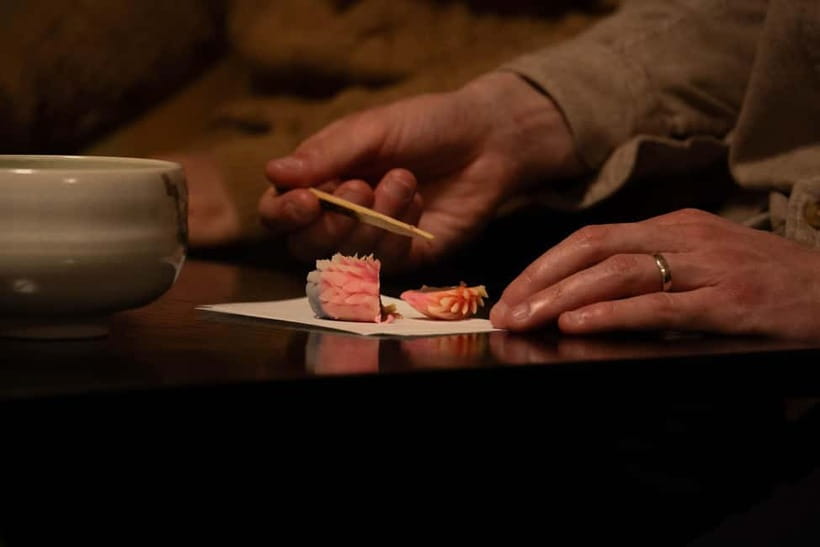
Matcha is the star, but it’s paired with Japanese wagashi sweets, made by a renowned confectioner.
You’ll eat a few sweets during the tea flow, and the pairing is part of what makes the taste experience feel complete.
Wagashi often changes how matcha feels in your mouth—sweeter, smoother, or more balanced depending on the sweet.
Even in a short session, the goal seems to be harmony: you taste, then you sip, then you adjust to the flavors with the whole group’s pacing.
This is also where a lot of people soften toward the experience.
One review noted the sweets helped make the matcha feel even better, and another highlighted how the matcha tasted rich and balanced, especially when paired with the traditional sweets.
So if you’re thinking, I might drink green tea and be done—don’t.
You’ll taste an intentional pairing, and it helps you understand why tea culture includes food as part of the ritual.
Photos Inside the Ceremony Room: How to Capture Without Breaking the Mood
You’re allowed to take photos, and that matters because tea ceremonies are visually elegant.
The setting, the utensils, and the slow movements all photograph well, especially if you don’t treat it like a sprint.
Keep it simple:
- Take photos at natural pauses (when the leaders are not actively doing steps).
- Don’t block anyone’s view for long.
- Try one or two “memory shots” instead of turning the whole thing into a photo session.
This way you get the pictures without turning the ceremony into a stage performance.
Kenrokuen Garden Timing: Plan Your Views Before or After
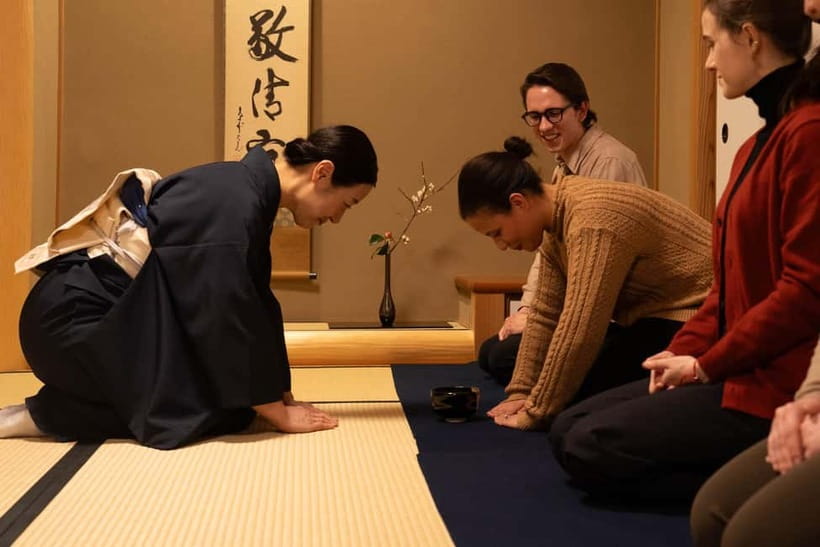
Here’s the one detail that can surprise people: the garden is not visible in the tea room.
So you won’t come to Kenrokuen only to stare at grass while you sip matcha.
Instead, enjoy Kenrokuen the lord Maeda garden before or after your ceremony.
Because your meeting is inside the garden and you’re already there, it’s easy to combine.
Go earlier if you want more walking time, or tack it on after if you want a shorter, calmer pre-ritual stroll.
This strategy also helps you stay mentally settled.
A lot of people do the ceremony as a breather between sightseeing spots. Kenrokuen works perfectly for that, as long as you schedule the views when you can actually see them.
Who This One-Hour Tea Ceremony Is Perfect For
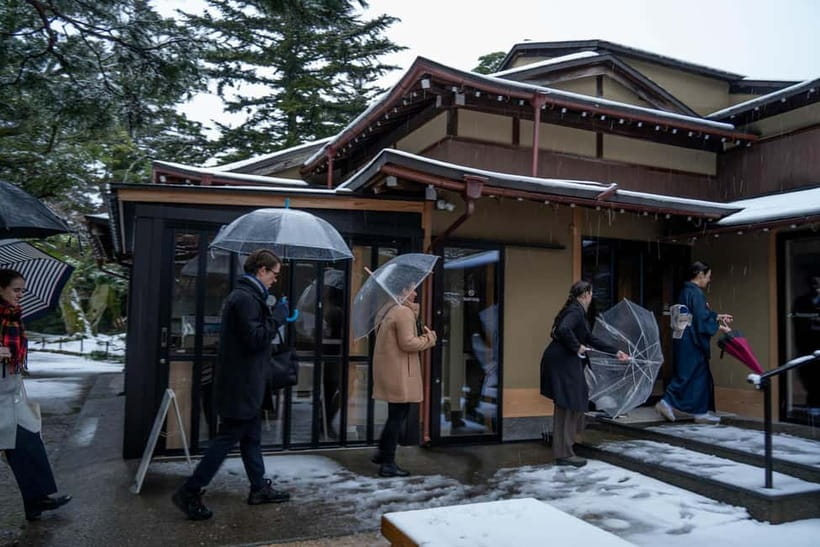
This experience fits best if you want a calm, guided introduction and then a chance to do it yourself.
It’s also a strong choice if you’re the type who likes cultural details but doesn’t want to sit through a half-day class.
Based on the format and what people praise most:
- You’ll enjoy it if you want etiquette guidance, not just instructions
- You’ll like it if you want to make matcha, not just watch
- You’ll appreciate the included wagashi pairing
- You should bring patience if you’re sensitive to small interruptions, since one review mentioned nearby noise
It’s also not for kids under the lower age threshold.
The activity states participants must be aged 7 years old or older, and it notes it’s not suitable for children under 8.
If you’re traveling with younger kids, I’d skip this and look for a kid-friendlier option.
Finally, you should like sitting on mats (or request a chair).
The ability to request a chair helps, but floor seating is still part of the experience.
The Value Question: Is $35 Worth It in Kanazawa?
Let’s be practical about value.
At $35 for one hour, you get: a guided tea ceremony, sweets, and a chance to take photos, plus active participation where you make matcha.
If you compare that to “tea experiences” that are mostly watching or mostly tasting, the hands-on portion is the difference.
Also, you’re paying for structure.
Learning how to behave correctly in a tea room is hard to figure out on your own. You’re buying the safety of doing it the right way, with someone coaching you.
The only clear value drawback is that the Kenrokuen entrance fee is extra.
That 320 yen isn’t huge, but it’s still a separate cost. If you weren’t already planning to enter the garden, this is something to factor in.
Given the high rating and the number of positive notes about guidance, calm pacing, and the matcha quality, this looks like a well-run, time-efficient cultural stop.
Should You Book This Kenrokuen Tea Ceremony?
I’d book it if you want a short, well-guided taste of Japanese tea culture in a historic setting.
It’s especially worth it if you care about doing the etiquette correctly and you want to leave knowing how to make matcha yourself.
Skip it if you’re hoping to see Kenrokuen views during the ceremony itself, or if you’re traveling with children below the stated suitability age.
Also, if you’re expecting a long, full-scale tea event, note that this is a focused one-hour format. A longer traditional session can take much more time, so this is the efficient version, not a marathon.
If your schedule allows, do it as an anchor moment: arrive early for a Kenrokuen garden walk, then settle in for the tea, then wander after while you’re still in that quiet mood.
FAQ
FAQ
Where is the meeting point for the tea ceremony?
Meet in front of the fountain inside Kenrokuen Garden, at Kenrokutei.
Is the Kenrokuen Garden entrance fee included?
No. Kenrokuen Garden entrance is required separately for an extra 320 yen.
How long is the tea ceremony experience?
The experience lasts 1 hour.
Can I take photos during the ceremony?
Yes, you are allowed to take pictures to keep a memory of the moment.
Is there an option for people who can’t sit on the floor?
Yes. You can request a chair for the tea ceremony if you have difficulty sitting on the floor.
What are the age requirements?
Participants must be aged 7 years old or older, and the activity notes it is not suitable for children under 8 years old.
What happens if I’m late to my reservation?
Be punctual. If you arrive more than 10 minutes late after the starting time, your reservation will be canceled.