REVIEW · KYOTO
Kimono Tea Ceremony at Kyoto Maikoya, Karasuma Shijo
Book on Viator →Operated by Maikoya · Bookable on Viator
A kimono and matcha at once is hard to beat. This Kyoto tea ceremony at Kyoto Maikoya (Karasuma Shijo) pairs a full dressing session with a guided, step-by-step green tea ritual led by a professional tea master.
I especially like two things: the hands-on matcha preparation (you actually whisk your own bowl), and the atmosphere-building extras—kimono rental plus simple hairstyling—that make it feel like you’ve stepped into Kyoto’s tea-world for real.
One possible drawback: the format can feel like a steady flow of moments rather than a slow, loungey tea session, and seating is on tatami, so comfort may depend on how you handle sitting on the floor.
In This Review
- Quick hits: what makes this Kyoto tea ceremony different
- Kyoto Maikoya, Karasuma Shijo: your start point and first impressions
- Dressing up: kimono rental and simple hairstyling (the part you’ll remember)
- The tea master’s lesson: matcha etiquette, tools, and movements
- Whisking your own matcha: the hands-on moment
- Snacks and tasting after the ceremony
- Photos and videos: timing rules you’ll want to respect
- Price and value: what $65.39 buys you (and why it can be fair)
- Group size, timing, and comfort: the practical stuff that affects your day
- Who this Kyoto kimono tea ceremony is best for
- Should you book Kyoto Maikoya’s kimono tea ceremony?
- FAQ
- How long is the kimono tea ceremony?
- How much does it cost?
- What is included in the price?
- Is kimono rental included?
- What is the group size limit?
- Are children allowed?
- Where is the meeting point?
- Do I need hotel pickup or transportation?
- Can I take photos or record video?
- What is the cancellation policy?
Quick hits: what makes this Kyoto tea ceremony different
- Kimono included: you get dressed onsite, not just a quick costume photo op
- Simple hairstyling is part of the deal: your look is finished before you enter the tea room
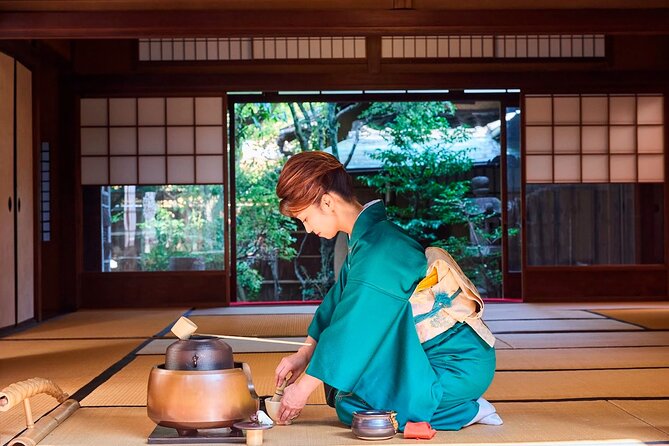
- Professional tea master instruction: you learn tools, movements, and etiquette as you go
- You whisk your own matcha: it’s not just watching someone else do it
- Small group size (max 4 travelers): easier pacing, more personal guidance
- No tripods, and photo/video may be limited: plan to follow the tea master’s timing
Kyoto Maikoya, Karasuma Shijo: your start point and first impressions
The experience meets at Kimono Tea Ceremony MAIKOYA Karasuma Shijo, at 220 Itoyachō, Shimogyo Ward, Kyoto. It’s set up to be convenient once you’re in the center of town, with access near public transportation.
This is the kind of activity where your first five minutes matter. You’re not just showing up to sit in a room—you’re getting pulled into a process. The staff help with choosing a kimono, getting dressed, and finishing your hair before the tea portion begins. That order is part of the charm: you build the look first, then step into the ceremony in full “tea house” mood.
If you’re coming from Kyoto Station, one account called it about a 25-minute walk. Use that as a rough reference point. If you’d rather not walk with a tote bag and last-minute shopping items, plan for a short ride or transit to keep things easy.
Also note two small rules that affect your planning: children under 6 aren’t permitted, and tripods aren’t allowed during the ceremony. Those aren’t deal-breakers, but they do shape how you move and what you pack.
You can also read our reviews of more tours and experiences in Kyoto.
Dressing up: kimono rental and simple hairstyling (the part you’ll remember)
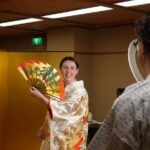
What I like about this format is that the kimono isn’t tacked on. It’s integrated. You’ll be guided through dressing, and you’ll also get simple hairstyling included—so your photos actually look finished, not improvised.
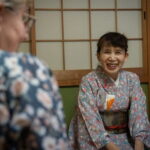
From what’s been shared by past participants, the dressing support tends to be a highlight. People describe the staff who help with fit, hair, and the overall look as careful and professional. That matters because kimono can be fiddly: if your sleeves sit wrong or your outfit isn’t secured properly, you feel it during the ceremony.
A practical tip: wear easy-to-manage items underneath. You’ll be in a traditional outfit, and you’ll likely want to avoid anything that makes changing harder than it needs to be. Comfortable footwear also helps getting around before and after the ceremony, because the kimono portion is only part of the overall timing.
One gentle caution: some participants noted the kimonos can feel a bit flimsy. That doesn’t mean you’ll look bad in photos—it’s more about how the garments behave as fabric. If you’re hoping for heirloom-level sturdiness, adjust expectations. For most people, the look and the experience more than make up for it.
The tea master’s lesson: matcha etiquette, tools, and movements
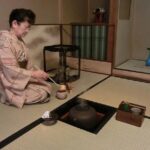
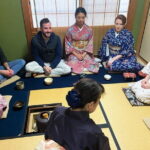
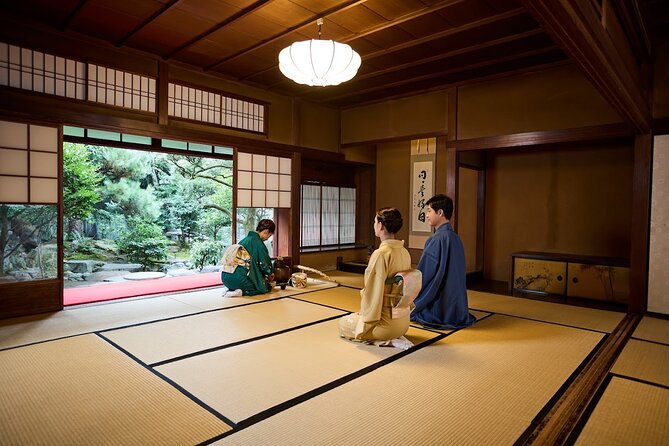
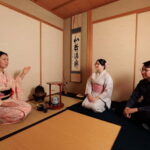
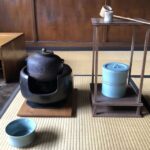
Once you’re dressed, you move into the tea session. The experience is led by a professional tea master and friendly staff, and the structure is designed for clarity: you’ll observe steps, learn what the tools are for, and understand the etiquette behind each movement.
Here’s what you should watch for during the lesson:
- The why, not just the how. You’re taught the significance behind the movements and traditions.
- The pacing. You don’t just get a lecture; you see the steps and then try them.
- The focus on matcha. The ceremony centers on Japanese green tea, and you’ll learn proper handling and serving manners.
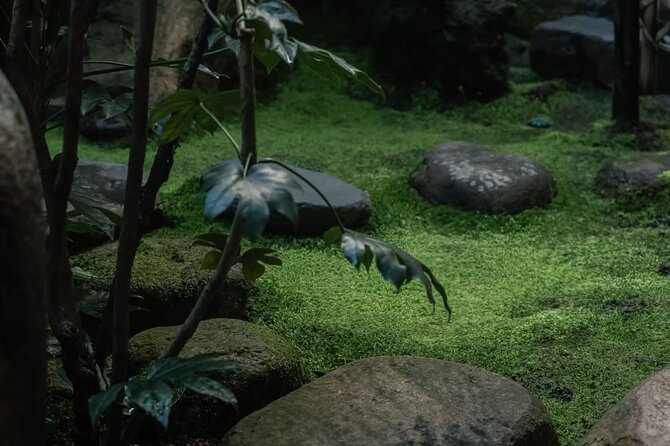
This is also where the “Kyoto factor” shows up. Kyoto is closely associated with tea culture, and the format leans into that—so it’s not random culture cosplay. Expect a calm, respectful room and an instructor who guides you through the choreography of the ceremony.
English support can be excellent. Names like Yuki and Miki have come up in past experiences as hosts who helped with explanation and energy. Even if your guide is someone else, the consistent theme is that you should feel comfortable asking questions during the teaching portion.
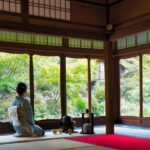
A small consideration: the seating during the ceremony is on tatami. Past participants mentioned that sitting on the floor can be challenging, but small chairs are allowed. If you’re worried about knees or back comfort, don’t hesitate to request a chair early.
Whisking your own matcha: the hands-on moment
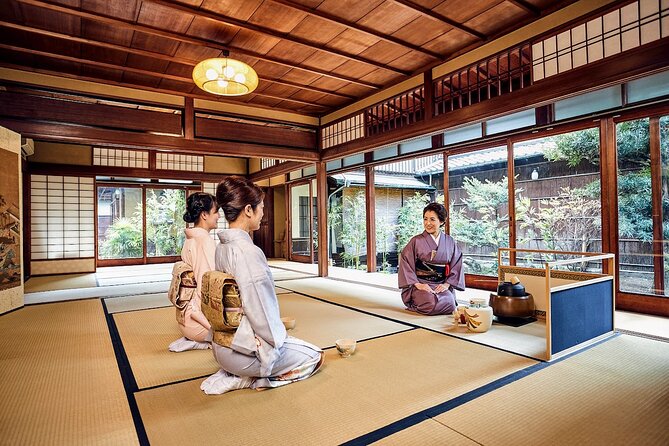
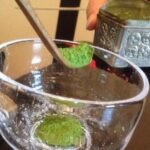
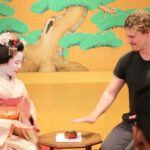
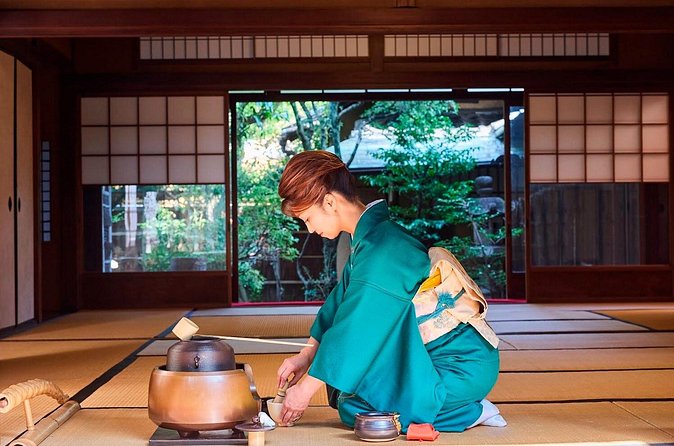
This experience isn’t only about watching. You’ll prepare your own bowl of matcha using high-quality green tea, with guidance from the tea master.
That hands-on part is the difference between a photo activity and a real skill. You learn the steps at the exact moment you need them, instead of trying to remember them later. And even if you don’t consider yourself a tea person, the physical act of whisking helps the whole ritual click.
In practical terms, think of this as:
1) You observe how it should be done
2) You try it under supervision
3) You finish by tasting it properly
That’s a big value point for the price. You’re paying not only for access to a tea room, but for instruction that gets you from beginner to doing the key action yourself.
If you’re concerned you won’t like matcha, you still should know the tasting is part of the experience. The ceremony includes green tea and traditional snacks afterward, and you’ll be served what the ritual calls for. Bring an open mind and plan to sip slowly rather than forcing yourself.
Snacks and tasting after the ceremony
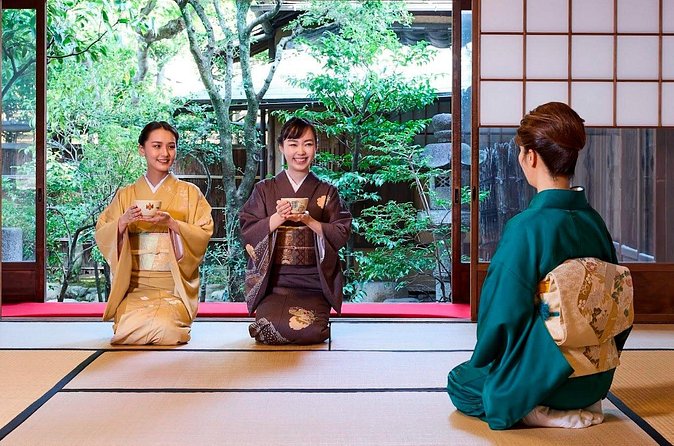
After the matcha part, you’ll get to enjoy traditional snacks along with your tea. It’s a nice buffer, because the ceremony is focused and precise, and the snack portion gives you a more relaxed moment to talk and digest what you learned.
This is also when you’ll likely notice the “hospitality” side of the experience. The ceremony isn’t only about correctness—it’s about manners, timing, and sharing. Eating afterward turns the session into a fuller cultural moment rather than a quick show.
From a value perspective, snacks also help justify the package. You’re not just paying for utensils and instruction; you’re getting the full ritual arc: dressing, ceremony, tasting, and food.

Photos and videos: timing rules you’ll want to respect
If you care about photos, go in with a plan. The experience notes that photo and video recording may be limited, and you’re expected to follow the tea master’s instructions about appropriate timing and manners. Tripods aren’t allowed during the ceremony.
So what should you do?
- Be ready for a “no tripod” environment and handheld camera use (if permitted)
- Wait for cues rather than trying to film during the most sensitive moments
- Save your best shots for the kimono prep period and permitted photo windows
This isn’t about killing your photography—it’s about keeping the ceremony respectful and smooth. If you’re polite and flexible, you’ll usually end up with enough photos without getting in the way.
Price and value: what $65.39 buys you (and why it can be fair)
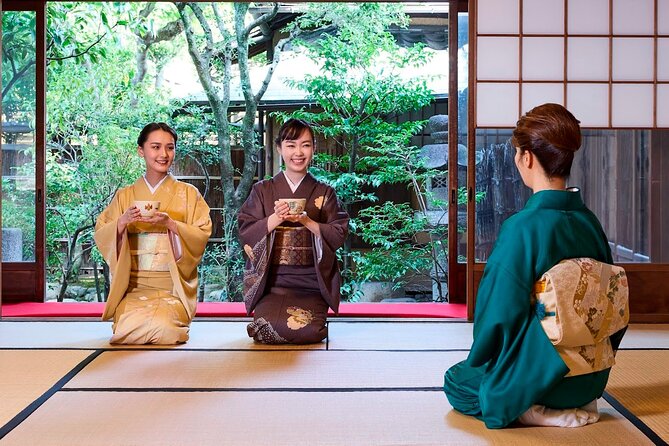
At $65.39 per person, you’re paying for more than a tea lesson. You’re getting:
- Kimono costume rental
- Green tea and the utensils
- Simple hairstyling
- Traditional snacks
- A guided tea ceremony with instruction and hands-on whisking
That combination is the key. Many Kyoto “tea experiences” are either a short tasting with limited explanation, or they focus on kimono without real ceremony teaching. Here, you get both—dress up and learn the ritual steps—with a small group setting.
Could it feel like a packed flow? Some participants noted the schedule moves you along quickly. If you’re hoping for an extra-long, slow tea time, you may feel the pace more. But that pace is probably what keeps the experience structured and beginner-friendly in a 1.5-hour window.
Also, you’ll want to factor in what’s not included: transportation and hotel pickup/drop-off. You’re responsible for getting to the meeting point yourself. The good news is that it’s near public transit, so you’re not stuck planning a private car.
Group size, timing, and comfort: the practical stuff that affects your day
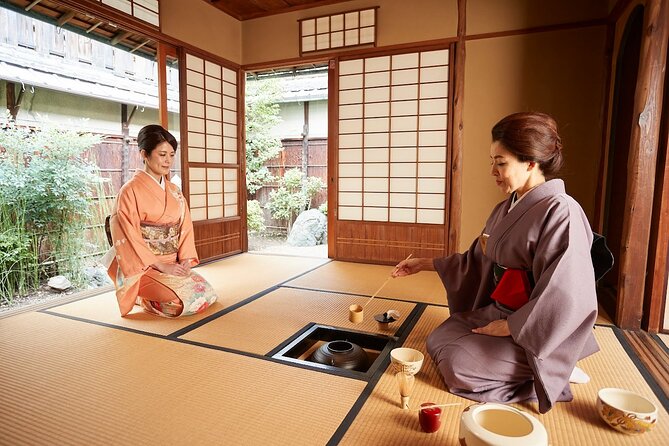
The ceremony runs about 1 hour 30 minutes (approx.) and has a maximum of 4 travelers. That small number matters. You’re less likely to feel rushed or lost in a crowd, and the tea master can spot what you’re doing and correct gently.
Still, one practical thing to watch: your booking details. The experience states you can reserve up to 4 people from Viator, but other booking sites may show different participant counts. If your confirmation ever looks like it exceeds four, it’s worth checking with the provider to protect the small-group experience you’re expecting.
Comfort-wise:
- Sitting on tatami can be hard if you’re not used to it
- The option of small chairs is helpful if available to you
- Dress for the part before and after: you’ll likely be walking a bit in kimono before and after the ceremony area
You’ll also receive a mobile ticket, so have it ready on your phone at check-in time.
Who this Kyoto kimono tea ceremony is best for
This is a strong pick if you want Kyoto culture that feels structured but not stiff.
It’s especially good for:
- Couples and friends who want a classic Kyoto experience with a small-group pace
- First-timers to tea ceremony who want real instruction, not just a show
- People who love photos but also care about learning etiquette and the meaning behind steps
- Families with older kids, since children under 6 can’t participate (so check ages carefully)
If you’re traveling solo, it can work well too. The format is set up to guide you through steps, and the small group keeps attention personal.
If you’re extremely sensitive to rapid pacing, you might find the session moves a bit briskly. But for many people, that’s part of the charm: you leave feeling like you actually did something.
Should you book Kyoto Maikoya’s kimono tea ceremony?
If you want a Kyoto experience that combines kimono dressing, matcha etiquette, and a hands-on bowl of matcha in about 90 minutes, this is a very logical booking. The price can feel fair because you’re not just paying for access—you’re paying for instruction plus included kimono and snacks.
Book it if you:
- Want a calm cultural activity with a small group
- Like the idea of learning the steps you can repeat later at home
- Appreciate respectful photo timing and don’t need tripods
Consider another option if you:
- Hate sitting on the floor and don’t want the hassle of choosing a chair
- Want a long, unhurried tea session with minimal structure
- Are hoping for guaranteed free-flow filming in the ceremony room
FAQ
How long is the kimono tea ceremony?
It runs about 1 hour 30 minutes (approx.).
How much does it cost?
The price is $65.39 per person.
What is included in the price?
Kimono costume, green tea, utensils, simple hairstyling, and snacks are included.
Is kimono rental included?
Yes. Kimono costume rental is included as part of the experience.
What is the group size limit?
The experience has a maximum of 4 travelers.
Are children allowed?
Children under 6 are not permitted.
Where is the meeting point?
You’ll meet at Kimono Tea Ceremony MAIKOYA Karasuma Shijo, 220 Itoyachō, Shimogyo Ward, Kyoto, 600-8432, Japan.
Do I need hotel pickup or transportation?
Transportation and hotel pickup/drop-off are not included. The meeting point is near public transportation.
Can I take photos or record video?
Tripods are not allowed. Photo and video recording may be limited, and you should follow the tea master’s instructions.
What is the cancellation policy?
Free cancellation is available up to 24 hours in advance for a full refund. If you cancel less than 24 hours before the start time, the amount paid will not be refunded.