REVIEW · KYOTO
Experience a tea ceremony in an authentic tearoom, in Kyoto!
Book on Viator →Operated by Japanese Cooking Class Roujiya · Bookable on Viator
Tea time, Kyoto style, is oddly calming. You slip into an authentic tearoom set inside a 130-year-old townhouse, then learn the flow of the tea ceremony from first principles, not a script. It’s a short visit, but it feels like you’re stepping into how Kyoto slows down.
I love two things most: the warm, patient guidance from Kaori, and the fact that you actually make and serve your own matcha. You’ll also taste dried sweets paired with tea, including wasanbon-style sweets from a long-established Kyoto confectionery shop, which adds a real sense of place.
One consideration: this is about ritual practice more than a long sit-down experience, so if you’re expecting something like a full performance or a meal that lasts, the 45-minute format may feel brief.
In This Review
- Key points before you go
- Kyoto’s 130-year-old townhouse tea room (and why it matters)
- What happens in your 45 minutes: the ceremony, step by step
- 1) Welcome and first look at the ritual
- 2) Enjoy dried sweets, then matcha
- 3) Make your own matcha
- 4) Tips for enjoying tea at home without everything
- The sweets and matcha: tasting Kyoto, not just drinking tea
- Dried sweets from a Kyoto confectionery
- Matcha from a historic shop
- Kaori’s guidance: what makes the experience feel welcoming
- Seating and comfort (a real-world note)
- Price and value: is $39.63 worth a 45-minute lesson?
- Group size and intimacy: when small becomes special
- Meeting point and getting there without stress
- Who this tea ceremony is perfect for
- Should you book this Kyoto tea ceremony?
- FAQ
- How long is the Kyoto tea ceremony?
- Where do I meet for the experience?
- Is there a maximum group size?
- Do I need experience to join, or is it beginner-friendly?
- Is the host able to communicate in English?
- What is the cancellation and refund rule?
Key points before you go
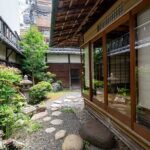
- 130-year-old townhouse setting: you start in the garden and enter the tearoom from there
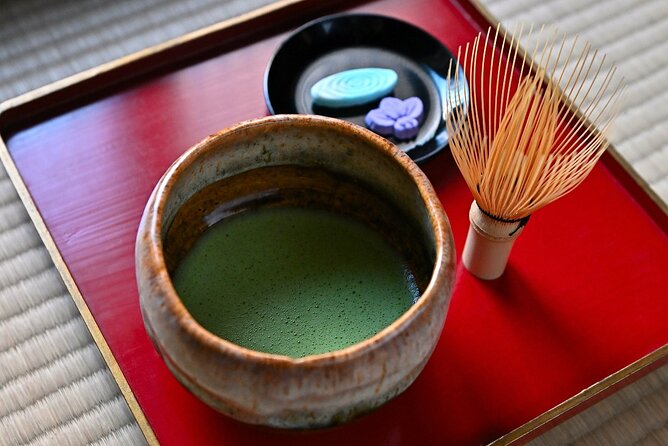
- Hands-on matcha: you don’t just watch; you whisk and learn the steps
- Kaori’s teaching style: calming, careful instructions in clear English
- Small group size: max 10 travelers, often feeling intimate
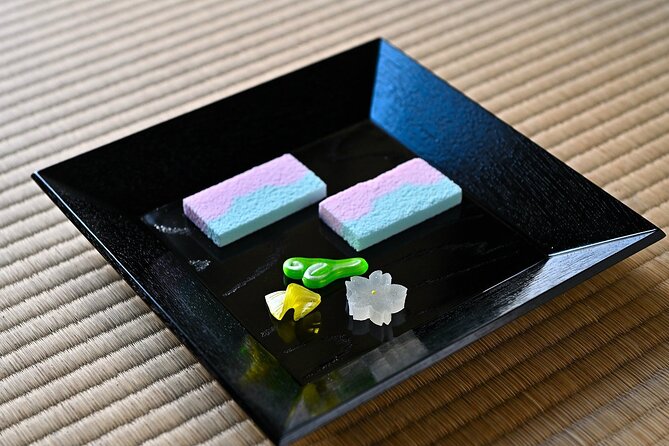
- Sweets + matcha pairing: wasanbon-style dried sweets from a long-established Kyoto shop
- Beginner-friendly: detailed guidance on how to appreciate and make matcha, even at home
Kyoto’s 130-year-old townhouse tea room (and why it matters)
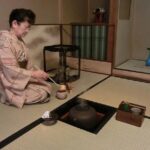
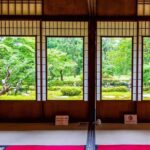
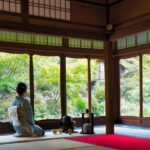
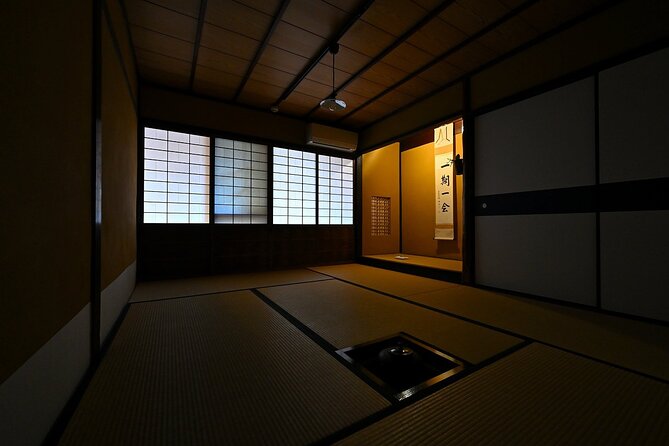
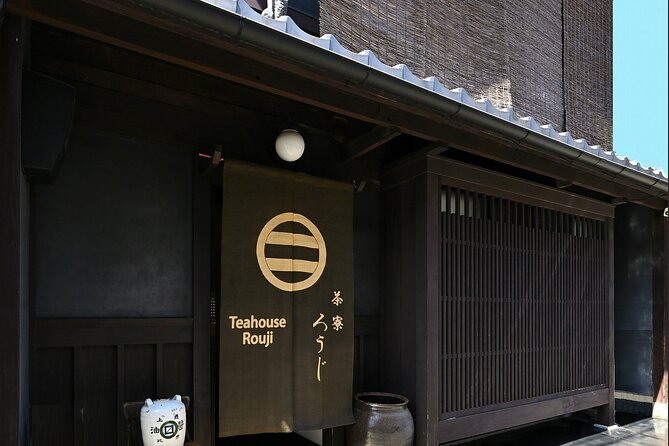
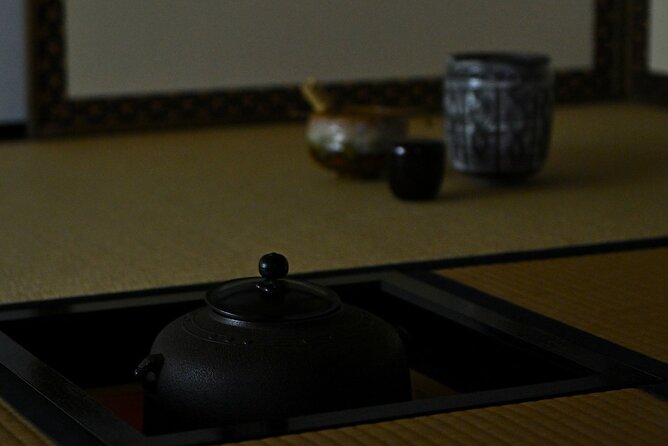
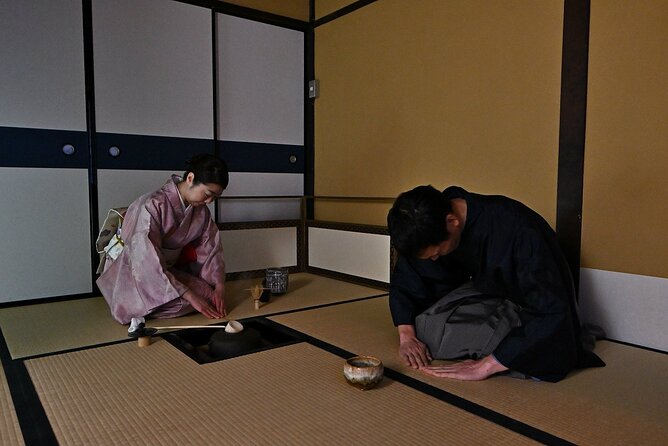
Kyoto has plenty of tea experiences, but the setting here is part of the lesson. You’re not stuck in a modern room trying to act traditional. The tea ceremony takes place in an authentic 130-year-old Kyoto townhouse, and the vibe is quieter—almost like the building itself teaches you to slow down.
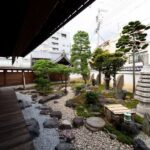
The experience begins with you sneaking into the tearoom from the garden. That small detail changes everything. Instead of walking into a venue, you transition into the moment, like you’re stepping onto another clock. It’s one of the reasons people describe the atmosphere as serene and personal.
Another plus is the way the host calibrates the experience to beginners. Multiple guests highlight careful explanations, and the repeated theme is that Kaori doesn’t rush. If you’re the type who likes to understand why you’re doing something (not just copy it), you’ll enjoy this.
You can also read our reviews of more tours and experiences in Kyoto.
What happens in your 45 minutes: the ceremony, step by step
The ceremony runs about 45 minutes, and it follows a simple structure: you watch, you taste, you try, and you learn how to appreciate what you’re drinking.
1) Welcome and first look at the ritual
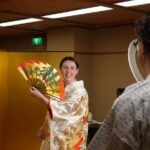
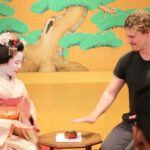
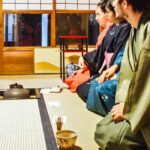
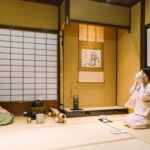
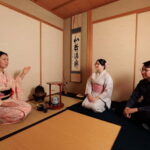
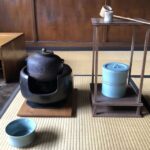
You start by settling in and watching the instructor’s demonstration. This isn’t a fast show with jargon thrown at you. The tone is gentle and methodical, with a focus on the meaning and flow behind the movements and the tea utensils (even if you’re new to all of it).
You’ll also get a short grounding in the history and culture of tea ceremony—enough context to make the ritual feel purposeful, not decorative.
2) Enjoy dried sweets, then matcha
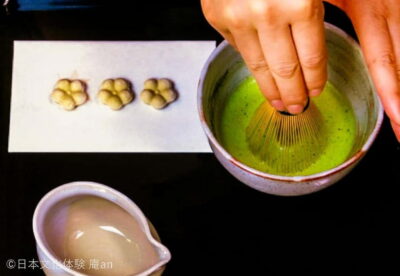
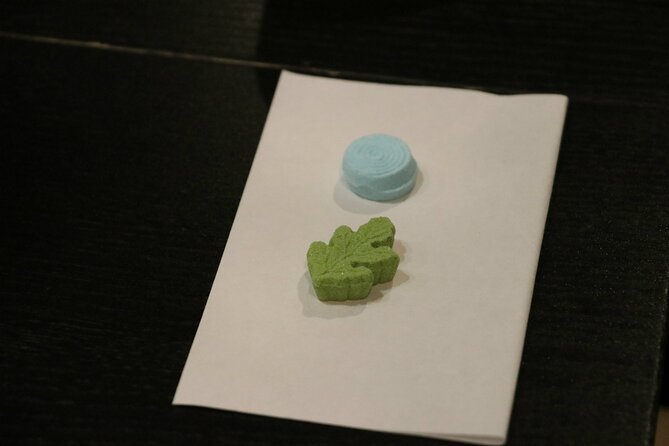
Before you make your own tea, you’ll be guided through tasting. You’ll enjoy dried sweets (described as cookie or candy style), paired alongside your matcha experience. One key detail: these sweets are described as wasanbon-type sweets, served in a way that connects to real tea ceremony culture.
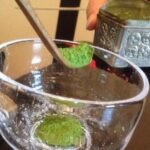
Then comes the matcha. The matcha itself is described as coming from a historic shop in Kyoto, and the teaching includes how to appreciate it, not just drink it.
3) Make your own matcha
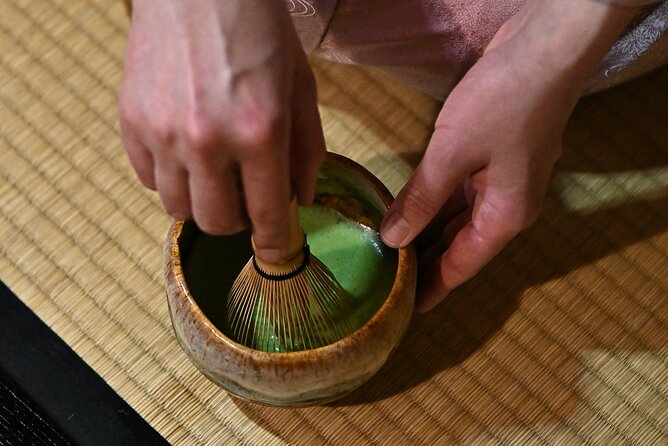
After the demo, you shift from observer to participant. You’ll make matcha yourself, following detailed instructions designed for beginners. That hands-on part is where this becomes more than a nice stop.
When you’re whisking and serving, you’ll understand the ceremony with your hands. It also gives you something practical to bring home: you learn what matters in the process and how to notice the difference a good preparation makes.
4) Tips for enjoying tea at home without everything
The experience also includes tips on how to enjoy tea back home even without tea utensils. The goal isn’t to recreate a full formal ceremony in your kitchen. It’s to carry over the attitude and basics—so your memory turns into something you can actually use.
The sweets and matcha: tasting Kyoto, not just drinking tea
Tea ceremonies can sometimes feel like you’re paying for a ritual you don’t fully taste. Here, the tasting is part of the value.
Dried sweets from a Kyoto confectionery
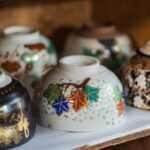
You’ll have a chance to enjoy beautiful Japanese sweets in the context of the ceremony. Importantly, one guest discussion clarifies that these are wasanbon-style sweets—sugar associated with Japan—and they’re presented as part of what a real tea setup would include.
A concrete name comes up: Shioyoshi-ken (塩芳軒). Knowing that shop name matters. It signals this isn’t random snack food; it’s a Kyoto sweets connection used to make the tea ceremony feel real.
Matcha from a historic shop
Matcha is described as coming from a historic shop in Kyoto. Whether you already love matcha or you’re trying it for the first time, you get guided appreciation—how to look at it, how to taste it, and how to understand what you’re experiencing.
In practical terms: if you’ve had matcha that tasted bitter or flat, this kind of careful tasting can recalibrate your expectations.
Kaori’s guidance: what makes the experience feel welcoming
Lots of tea ceremonies have tradition. This one also has tone.
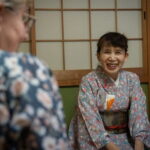
Kaori is the name that comes up again and again in positive feedback. Guests describe her as welcoming, calming, and patient. People also mention that her English is very clear, and she explains carefully enough that beginners feel comfortable asking questions or trying even if they’re nervous.
There’s also a strong theme of respectful pacing. One review specifically praises how the attention to detail in every step of tea making stood out. That’s exactly what you want in a short, high-focus experience. You’re not paying for extra minutes; you’re paying for quality instruction within a tight time frame.
Seating and comfort (a real-world note)
Traditional tea ceremony positions can be challenging. One guest mentions that it was a little difficult with bad knees, and that a stool was available. If mobility or knee comfort is a concern, this is worth keeping in mind. You don’t need to suffer through it to learn.
Price and value: is $39.63 worth a 45-minute lesson?
At $39.63 per person for about 45 minutes, this is not the cheapest thing you’ll do in Kyoto. But it isn’t trying to be either.
Here’s the value equation I see:
- You get a real authentic setting (a 130-year-old townhouse), not a generic room.
- You taste matcha plus sweets that are connected to Kyoto shops.
- You get hands-on matcha making, which turns the experience into a skill.
- The group is limited to a maximum of 10 travelers, so instruction can stay personal.
- You leave with tips for enjoying tea at home without utensils, which is the difference between a photo-op and a memory with a payoff.
The main reason someone might hesitate is the time. At under an hour, you won’t get a long sit-down meal. If you’re booking this as your single “culture activity,” you’ll probably love it. If you want a big, slow event with multiple courses and hours of dining, you may feel short-changed.
Group size and intimacy: when small becomes special
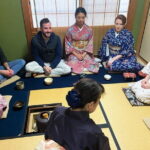
The maximum group size is 10 travelers, and multiple accounts describe the experience feeling intimate—sometimes even private for small family groups.
That matters because tea ceremony learning works best when you can see, ask questions, and take your time with the steps. If the room is crowded, it’s harder to focus and harder to absorb the meaning behind the actions.
The upside is that the atmosphere can feel private even when you’re not the only people there. You’re sharing a calm ritual, not a loud performance.
Meeting point and getting there without stress
You meet at 22-26 Nishinokyō Ikenouchichō, Nakagyo Ward, Kyoto, 604-8375, Japan, and the experience ends back at the meeting point.
Two practical tips from the available info:
- It’s near public transportation, so you won’t be reliant on a taxi.
- You use a mobile ticket, so have it accessible on your phone before you arrive.
Also, because this is appointment-based, make sure you know your exact start time. One disappointing scheduling story appeared in the feedback set you shared, so I’d be extra careful about matching your time slot with your confirmation messages.
Who this tea ceremony is perfect for
This is a great fit if you want:
- a calm, cultural activity that’s not crowded
- hands-on learning, not just watching
- a clear explanation of tea ceremony basics, with guidance for beginners
- a way to connect to Kyoto through food and ritual, especially matcha
It may be less ideal if:
- you’re hoping for a long meal-style outing
- you expect a full theatrical show with extra cultural elements that aren’t described as included
- you want something that lasts far beyond an hour
That said, if you want a short but meaningful Kyoto experience, this hits the sweet spot.
Should you book this Kyoto tea ceremony?
Book it if you want a real Kyoto tea moment in an authentic townhouse setting, plus the hands-on skill to make matcha yourself afterward. The strongest reasons to go are the combination of Kaori’s careful teaching, the small group feel, and the fact that you taste sweets and matcha and then learn the process, step by step.
If you’re sensitive to the idea of traditional seating, ask yourself if you’ll be comfortable—one review notes a stool was available, which helps. And if you’re shopping for something longer or more entertainment-heavy, you may want to balance this with a second activity on the same day.
Overall, this is one of the better “culture per minute” picks in Kyoto: it’s short, focused, and genuinely practical.
FAQ
How long is the Kyoto tea ceremony?
It lasts about 45 minutes.
Where do I meet for the experience?
The meeting point is at 22-26 Nishinokyō Ikenouchichō, Nakagyo Ward, Kyoto 604-8375, Japan. The activity ends back at the meeting point.
Is there a maximum group size?
Yes. The experience is limited to a maximum of 10 travelers.
Do I need experience to join, or is it beginner-friendly?
It’s designed for beginners, with detailed instructions on how to make matcha and how to enjoy it, including tips for people who want to do it at home without utensils.
Is the host able to communicate in English?
Based on feedback included here, the host’s English is described as very good to perfect, with careful explanations.
What is the cancellation and refund rule?
You can cancel for a full refund up to 24 hours in advance of the experience start time. If you cancel less than 24 hours before the start time, the amount paid will not be refunded.