REVIEW · TOKYO
Shibuya Authentic Tea Ceremony with experienced instructor
Book on Viator →Operated by Shibuya Tea Ceremony Tokyo-Chaan · Bookable on Viator
Tea time beats Shibuya crowds. I love the calm, old-style tea house feeling in Dōgenzaka, and I love that this is hands-on: you actually make matcha with traditional tools, not just watch from a distance. It’s a smart swap from shopping streets for something quiet, focused, and genuinely Japanese.
The one drawback to plan around is timing: it’s about 50 minutes, so the lesson stays structured and you won’t have a long free-form hangout afterward.
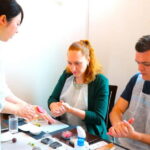
You’ll also appreciate the small scale—max 8 people—so even if you’re new to tea, you get real attention, and the host can keep things moving at a comfortable pace.
In This Review
- Key highlights you’ll care about
- Stepping Into Shibuya’s Calm: Dōgenzaka Tea House Setup
- Small-Group Size (Up to 8) Makes the Lesson Feel Personal
- Tea History and the Matcha Stone Mill: The Part Many People Skip
- Watching the Traditional Tea Ceremony Ritual (Over 500 Years)
- Your Turn: Whisking Matcha With Traditional Tools
- Choosing Your Chawan: Part of the Ceremony’s Personality
- Value for $25.76: Why the Price Feels Fair
- Where This Fits Best in Your Tokyo Plan
- Meeting the Host and the Tone of the Room
- Should You Book This Shibuya Tea Ceremony?
- FAQ
- How long is the Shibuya Authentic Tea Ceremony?
- What is the group size?
- What does the experience include?
- Do I get to choose a matcha bowl?
- Where is the meeting point?
- Does the activity end at the meeting point?
- How much does it cost?
- Do I receive a ticket on my phone?
- Is free cancellation available?
Key highlights you’ll care about
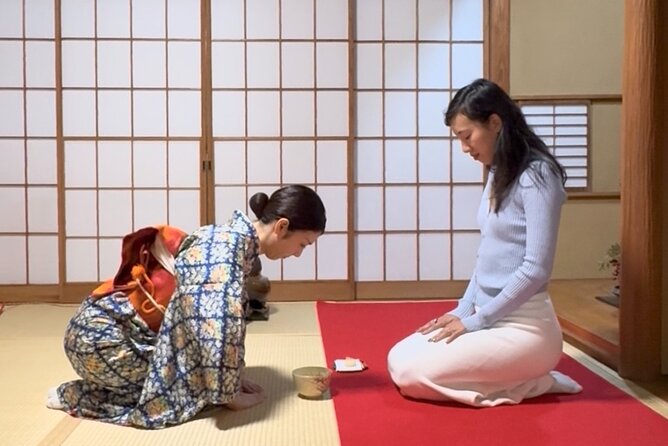
- Small group of up to 8 so you’re not lost in a crowd
- Matcha stone-mill viewing plus a short history of tea in Japan
- A traditional tea ritual with over 500 years behind it
- Nerikiri sweets paired with your freshly prepared matcha
- Pick your chawan from a range of beautiful matcha bowls
Stepping Into Shibuya’s Calm: Dōgenzaka Tea House Setup
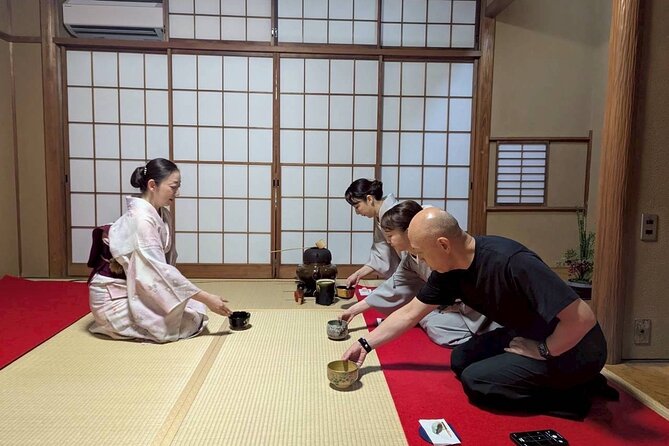
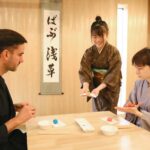
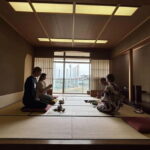
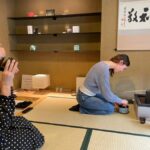
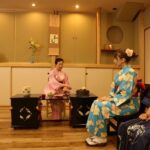
Shibuya is loud by default, but this experience sends you into a different mood fast. You meet in Dōgenzaka at the address in Shibuya (Dōgenzaka 1-chōme 15 万字ビル), then move into an old, peaceful tea-house space on a side street vibe. That contrast is part of the value: you get out of the foot-traffic rhythm and into something slower.
One reason I think this works well is that the tea room isn’t treated like a quick photo stop. The whole session is designed around how you sit, how you watch, and how you taste. It makes the tea ceremony feel practical, not performative.
Also, it’s easy to fit into a day. One reason people like it is that it’s close to where you’re already spending time in Shibuya, so you’re not committing to a long commute just for 50 minutes of calm.
You can also read our reviews of more tours and experiences in Tokyo.

Small-Group Size (Up to 8) Makes the Lesson Feel Personal
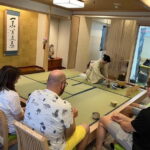
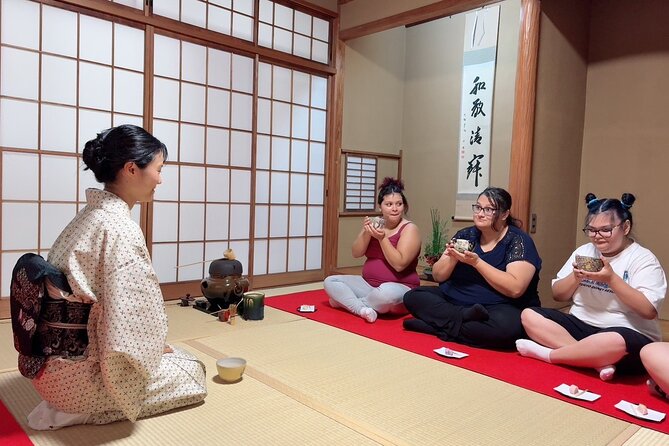
This is capped at a maximum of 8 travelers, and you’ll feel that immediately. In a small room, you can actually hear the explanations and follow the steps without craning your neck. It also means the instructor can help you adjust your technique—especially for whisking.
And because the session includes both watching and doing, group size matters. Too many people turns hands-on training into a blur. Here, the pace is controlled enough that you get a genuine turn at preparing your own matcha with the traditional tools.
If you hate feeling like you’re being herded, this setup is a relief. It’s not just a bigger-ticket performance; it’s a guided class with room for questions.
Tea History and the Matcha Stone Mill: The Part Many People Skip
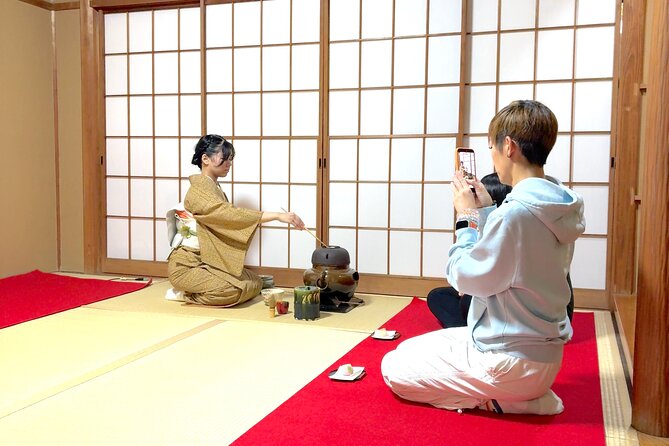
The session starts with context: you’ll hear a short explanation of the history of tea in Japan. That matters because matcha is not just a drink here—it’s wrapped into culture, etiquette, and a whole way of paying attention.
Then you get something tangible before the ritual: you’ll see how matcha is made using a traditional stone mill. Even if you know almost nothing about tea, this is a clear visual moment. You’re not guessing what matcha is at the ingredient level—you’re shown the process that creates the fine powder you’ll whisk later.
This is also where you learn a key mindset. The ceremony isn’t about rushing to taste. It’s about learning why the steps exist. Once you understand that, the later parts feel more meaningful instead of like a checklist.
Watching the Traditional Tea Ceremony Ritual (Over 500 Years)
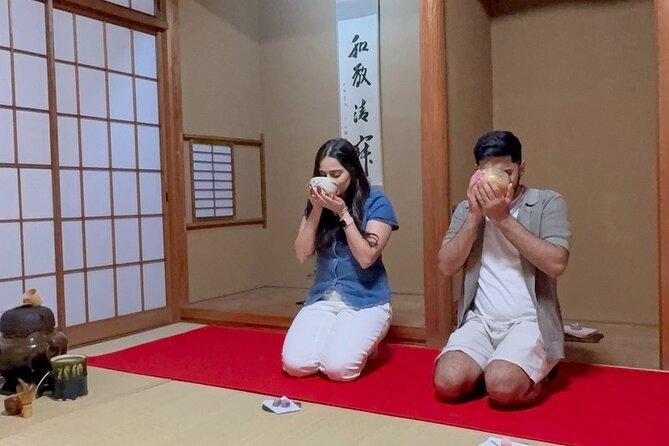
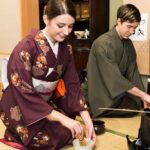
Next comes the part most people come for: you watch a full traditional tea-making ritual. The tea ceremony practice is described as having a history of over 500 years, and you can feel that continuity in how the movements are taught and explained.
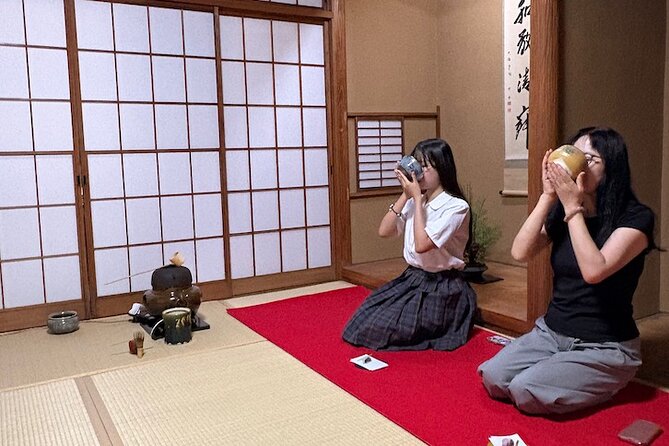
You’ll also see how the ceremony builds in stages. There’s a rhythm to the actions, and it’s paired with a short period of tasting prep so you’re ready for what you’ll drink. It’s calming in a way that’s hard to fake—like the room itself slows down.
Then the sweets arrive. You’ll enjoy freshly prepared matcha along with nerikiri, a traditional Japanese sweet. This pairing is worth paying attention to because it helps your palate adjust to matcha’s character. Nerikiri also shows you that this isn’t just tea culture as ritual—it’s tea culture as a complete snack-and-drink experience.
If you’re the type who likes to understand what you’re eating, this section is a good fit. It gives you both the sensory experience and the cultural framing.
Your Turn: Whisking Matcha With Traditional Tools
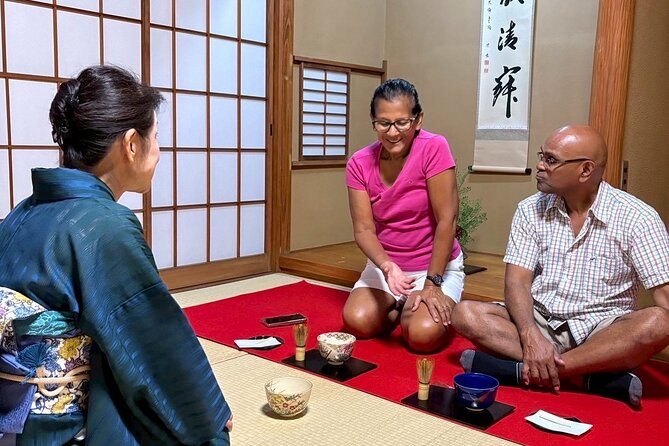
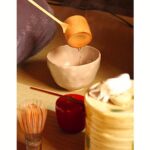
Now the lesson flips from watching to doing—which is where the experience earns its keep. You’ll have the chance to make your own bowl of matcha using traditional tools.
The big practical win here is that you get guided repetition. Whisking matcha well takes more than just stirring. You’re learning the technique in the moment, with instruction and visual cues. And because this is a small group, you’re not left trying to figure it out while the instructor handles everyone else.
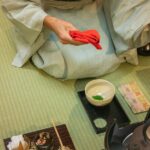
You’ll also be choosing your presentation. You can select your favorite tea bowl from a variety of beautiful chawan (matcha bowls). That choice makes a difference, even for first-timers. Having a bowl you like keeps the moment personal. It also makes the result feel like something you made—not something that happened to you.
By the end, you’re not just saying you did a tea ceremony. You’ve done the core skill: whisk matcha and understand the proper way to present it.

Choosing Your Chawan: Part of the Ceremony’s Personality
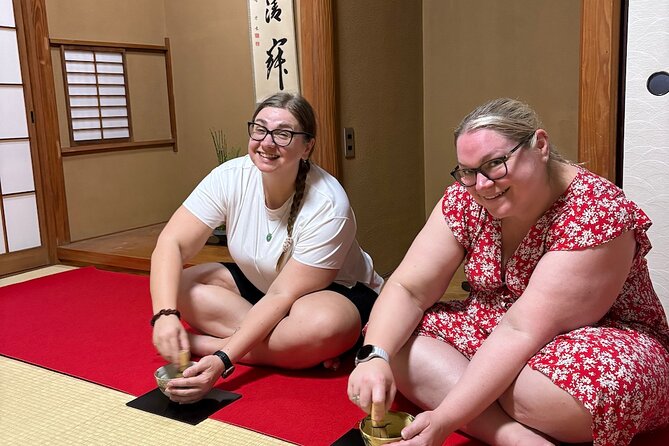
Tea ceremonies often get reduced to taste, but the bowl choice is a real part of the experience. Here, you can pick from a range of chawan, which means your session has a small custom feel built in. It also changes how you focus.
When you select a bowl you enjoy, you naturally become more attentive—on texture, color, and how the whisked matcha sits. That extra attention is what makes the ceremony feel meditative for many people. It’s not magic; it’s simple focus.
If you’re planning to replicate the experience at home, this part also helps. You’ll remember your bowl and you’ll be more likely to choose a similar vessel if you want your homemade matcha to feel close to what you practiced here.
Value for $25.76: Why the Price Feels Fair
Let’s talk money. At $25.76 per person for about 50 minutes, this isn’t a casual coffee stop. But it also isn’t an overlong tour with lots of travel time. You’re paying for three things that actually matter:
- instruction from an experienced instructor
- hands-on matcha prep with traditional tools
- tasting matcha plus nerikiri
That’s the core bundle. You’re not just paying to enter a room; you’re paying for skill practice and a structured cultural lesson. For a city like Tokyo, where you can spend hours and still not learn much, this is a straightforward value proposition.
The small-group cap of 8 also boosts the value. You’re more likely to get real help and a true turn at making matcha. That attention is the part you feel most when you compare it to bigger group experiences.
Where This Fits Best in Your Tokyo Plan
This experience is best when you want a break from Tokyo’s usual pace. If your day is all stations, crowds, and long lines, this offers a quiet reset. It’s also a strong choice if you’re the type who likes cultural skills—especially ones you can reuse later.
It’s less ideal if you’re craving an all-day activity with lots of free time. This is a focused session. You’ll learn, watch, make, and taste within the time window. Plan it like a class, not like a wandering stroll.
And if you’re traveling with a partner or solo, the small-group format still works. You’re not stuck performing friendliness, but you also aren’t isolated.
Meeting the Host and the Tone of the Room
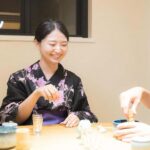
One thing that comes up in how people describe this tea ceremony is the warmth of the hosts and the calm atmosphere inside. The names you might hear include Mai, who is specifically called out in one account as part of the experience. Even without name recognition, you’ll likely notice the tone: gentle guidance, polite explanations, and a classroom-like pace.
That tone matters because matcha can feel intimidating at first. This setting turns it into something approachable. You don’t need to know the etiquette perfectly. You just need to follow along, ask when it’s helpful, and practice your whisking.
Should You Book This Shibuya Tea Ceremony?
Book it if you want a short Tokyo experience with real cultural substance—and you care about learning something you can repeat at home. The combination of tea history, a traditional ritual you watch, then a hands-on matcha session with traditional tools is a strong value for the time.
Skip or reconsider if you want a long sit-down experience with lots of unstructured time. This is 50 minutes and designed to move through steps. If you love guided learning and quiet focus, you’ll likely leave feeling calmer, more confident with matcha, and with a technique you can actually use again.
FAQ
How long is the Shibuya Authentic Tea Ceremony?
The ceremony lasts about 50 minutes.
What is the group size?
The experience is limited to a maximum of 8 travelers.
What does the experience include?
You’ll learn about the history of tea in Japan, watch traditional tea-making, enjoy freshly prepared matcha with nerikiri, and have a chance to make your own matcha using traditional tools.
Do I get to choose a matcha bowl?
Yes. You can choose your favorite tea bowl (chawan) from a variety of options.
Where is the meeting point?
The meeting point is in Shibuya at Dōgenzaka, 1-chōme 15 万字ビル, Tokyo.
Does the activity end at the meeting point?
Yes. It ends back at the meeting point.
How much does it cost?
The price is $25.76 per person.
Do I receive a ticket on my phone?
Yes. You’ll get a mobile ticket.
Is free cancellation available?
Yes, free cancellation is available up to 24 hours in advance for a full refund.